


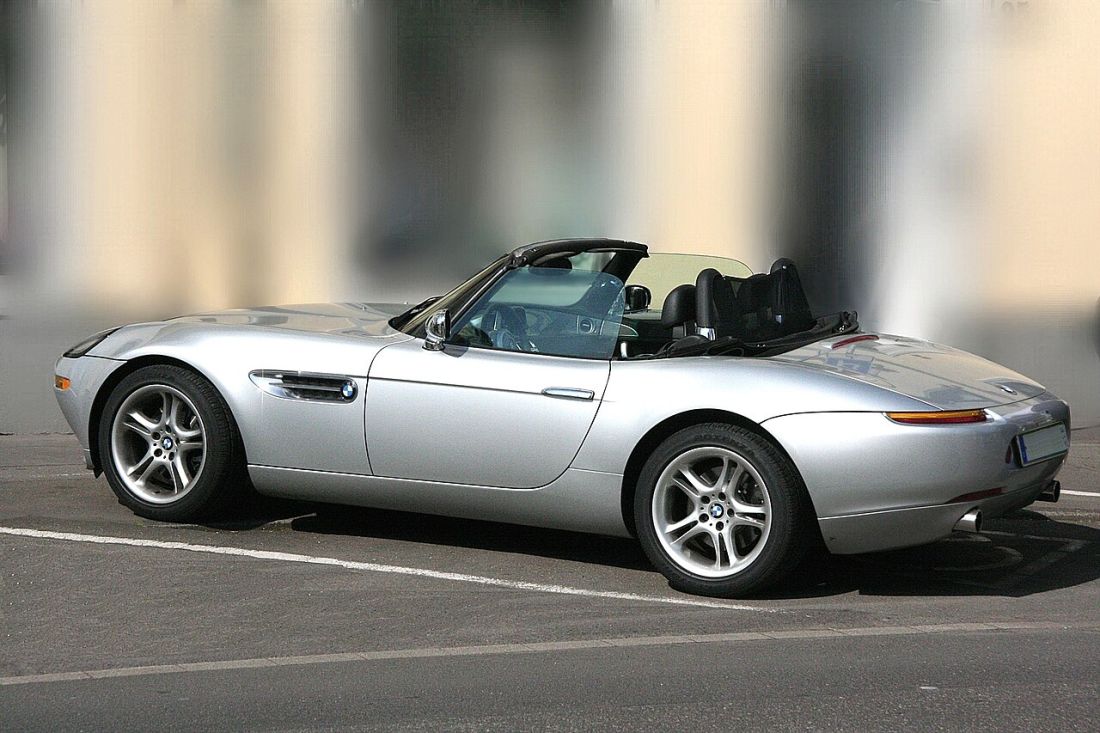
BMW Z8: The Retro Roadster with a James Bond Connection
Photo: BMW Z8 by Spurzem - Lothar Spurzem, CC BY-SA 2.0 DE, via Wikimedia Commons.
Some cars shout. The BMW Z8 doesn’t. It just turns up, looks cool, and somehow makes everything around it feel a bit more ordinary. You know how a wet Tuesday morning in Stockport can make even a nice car look a little tired? The Z8 would still look special under grey clouds by the Viaduct, parked outside a café in Reddish, or easing through Castlefield after the rain. It has that rare mix of old-school charm and proper modern muscle, which is why people still stop and stare at it today. Here at Dace Motor Company, we see plenty of used BMW models, from sensible family cars to sporty weekend treats, but the Z8 sits in a different space. It’s the kind of car people talk about even if they’ve never driven one. BMW first showed the Z8 idea in Tokyo in 1997, then started series production in 1999. BMW Classic says it was made as a tribute to the BMW 507, a beautiful 1950s roadster, and that the Z8 later became famous through the 1999 James Bond film The World Is Not Enough. BMW Classic also says only about 5,700 were built, with the eight-cylinder engine from the BMW M5 fitted in them. So, yes, it’s rare. And yes, it has the Bond link. But the big reason people still love it is simpler than that: it looks right. Long bonnet. Short tail. Two seats. Roof down if the Manchester sky allows it. No fuss. Just a car with presence.
The old BMW 507 was the spark
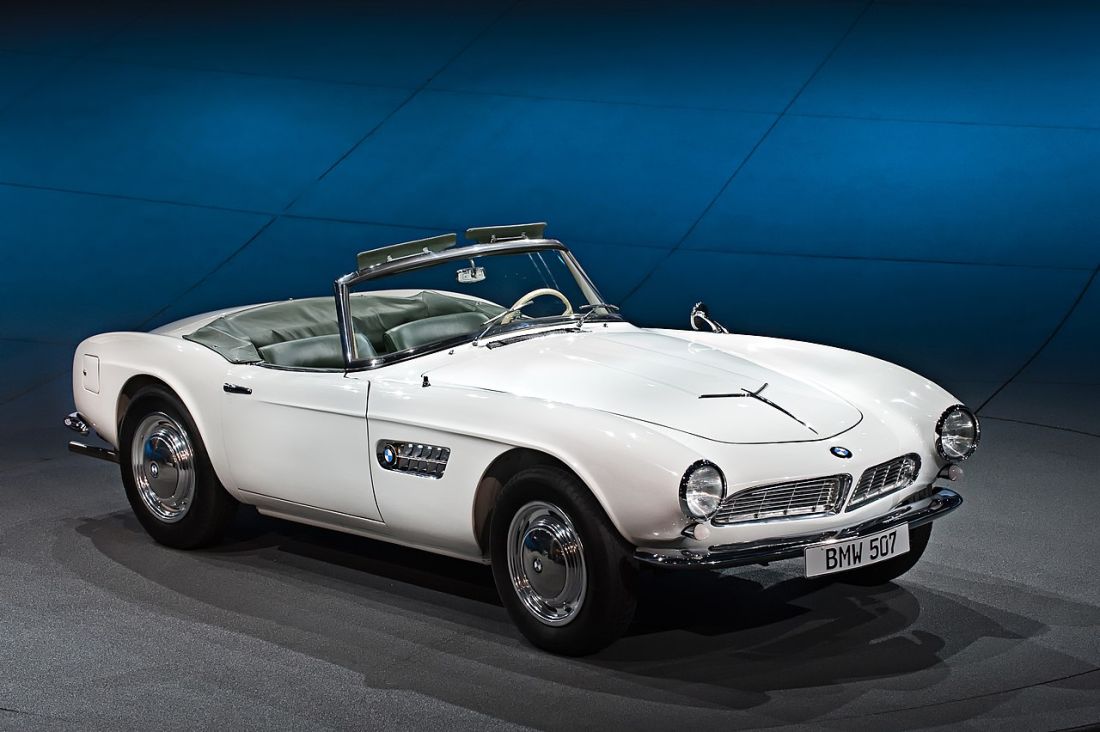
Photo: The Z07 was an homage to the iconic BMW 507 by Stefan Krause, Germany, CC BY-SA 3.0, via Wikimedia Commons
To get why the Z8 matters, you need to look back at the BMW 507. That car came from the 1950s, an age of sharp suits, chrome trim, and roadsters that looked like they belonged outside grand hotels. BMW Group Classic says the 507 was first shown at the Frankfurt Motor Show in 1955, had a 3.2-litre engine, and was shaped by Albrecht Graf Goertz. It was gorgeous, but it didn’t sell in big numbers. BMW Classic puts production at just 251 examples. That’s tiny. You’d have better odds of spotting a sunny bank holiday on Deansgate than seeing one out in traffic.
The 507 gave BMW a style that was soft, long, and graceful, with side vents and a low nose that made it look fast even when parked. Decades later, BMW looked back at that shape and built the Z8 as a modern echo, not a copy. That bit matters. A copy can feel like fancy dress. The Z8 doesn’t. It takes the idea of the 507 and gives it a late-1990s body, a far stronger engine, and enough comfort to make it feel usable rather than museum-only. And that’s the clever part. The Z8 feels old and new at the same time. Bit like seeing a classic red-brick Manchester warehouse turned into smart flats: the bones feel familiar, but the whole thing has been brought up to date. The result is a car with roots, rather than a car chasing attention for the sake of it.
Retro, but not stuck in the past
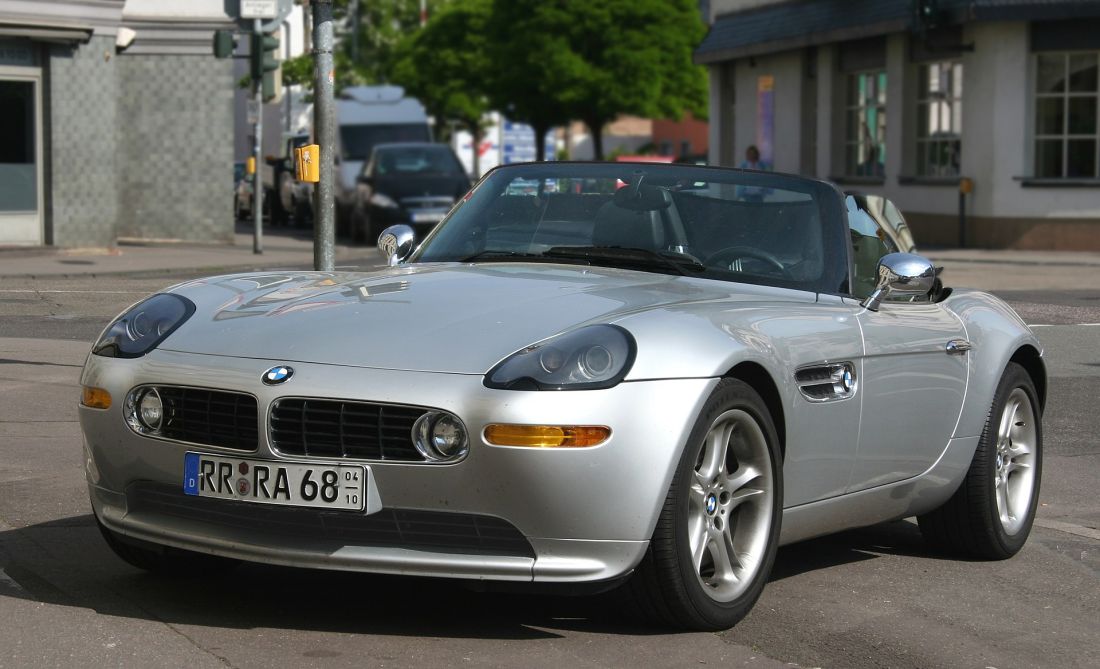
Photo: BMW Z8 by Spurzem - Lothar Spurzem, CC BY-SA 2.0 DE, via Wikimedia Commons.
The Z8 arrived during a time when car makers were having fun with retro shapes. The Volkswagen Beetle had come back in a new form. MINI would soon return with a fresh face. And BMW had its own idea: make a roadster that nods to the 507, but drives like a serious modern sports car. RM Sotheby’s notes that the Z8 began with the Z07 concept, shown at the 1997 Tokyo Motor Show, and that its styling had strong links to the 507 Roadster. RM Sotheby’s also credits Henrik Fisker with the design brief, a name many car fans know from later Aston Martin work.
You don’t need to know designer names to enjoy the car, though. Just look at it. The bonnet stretches out ahead like it’s pointing down the A6. The cabin sits back, almost over the rear wheels. The chrome side vents add a bit of shine, but not too much. The dashboard feels simple, with centre dials and clean switchgear, so it doesn’t scream for your attention like a phone screen in a dark room. That restraint is a big part of the Z8’s charm. Some cars from the same era now feel dated because they tried too hard to look futuristic. The Z8 went the other way. It borrowed from the past, kept the lines clean, and let the shape breathe. It’s why one still looks fresh outside a modern glass office, a village pub near the Peak District, or a showroom in Stockport. Good design tends to age slowly. The Z8 proves that nicely.
Then James Bond got involved
Of course, a good-looking roadster is one thing. A good-looking roadster driven by James Bond is something else. BMW announced in March 1999 that Bond would drive the Z8 in The World Is Not Enough, which was due for release that November. Pierce Brosnan was Bond at the time, and the film gave the Z8 a proper cinema moment before most people had even seen one on the road. In true Bond style, it wasn’t just a car in the story. It had the sort of gadgets you’d expect from Q Branch, and it met a very dramatic end after being cut in half by a helicopter with saw blades. Subtle? Not really. Memorable? Absolutely.
BMW’s own press release said the Z8 had a six-speed gearbox and a 400-hp eight-cylinder engine, which sounds much more real than the film gadgets. It also said the Z8 was inspired by the BMW 507 and would go on sale in early 2000. The Bond link didn’t make the car great on its own, but it gave the Z8 a public spotlight that most rare roadsters never get. It’s like a local band getting a main stage slot at Parklife. The talent needs to be there already, but the stage makes everyone notice. For the Z8, Bond was that stage. And because the car already looked like something special, the film link stuck. It still follows the car around today, like a well-cut tuxedo and a raised eyebrow. And because Bond cars tend to become pub-chat legends, the Z8 got a kind of fame that no normal advert could buy.
What made the Z8 feel special to drive?
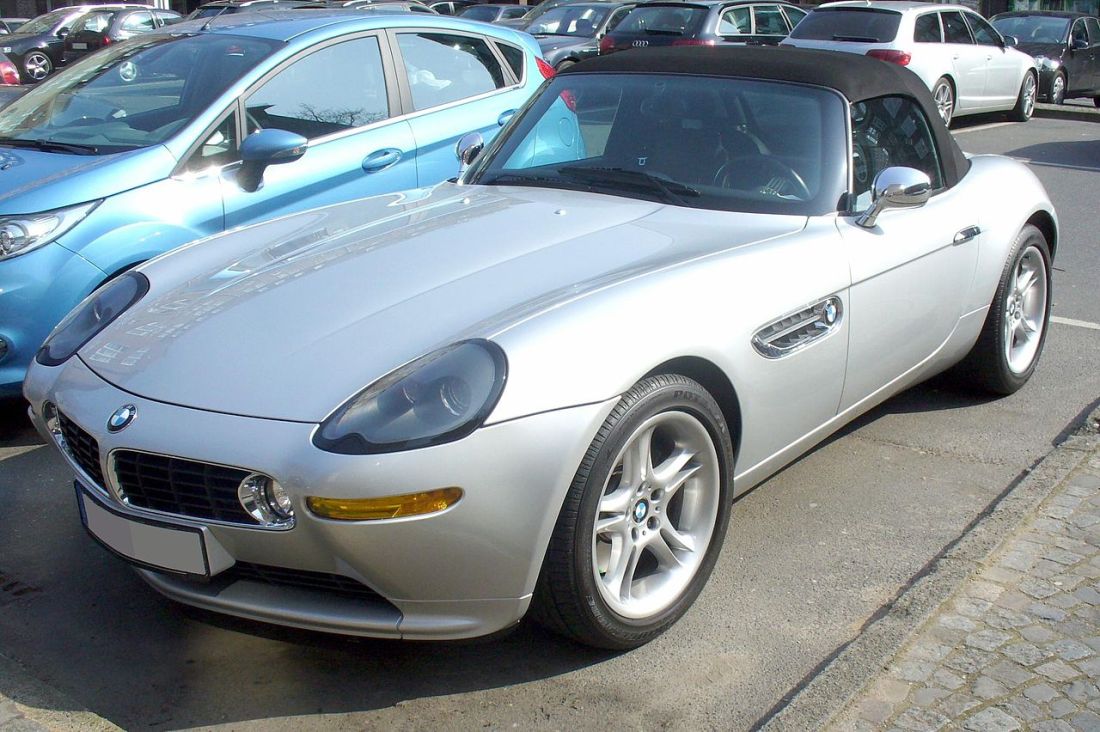
Photo: BMW Z8 (E52) by Thomas doerfer, CC BY-SA 3.0 , via Wikimedia Commons
Let’s keep this simple. The Z8 wasn’t just a pretty face. Under that long bonnet sat the same basic eight-cylinder engine family used in the BMW M5 of the time, paired with a six-speed manual gearbox. Car and Classic lists the Z8 with 400 hp, rear-wheel drive, a 0 to 62 miles per hour time of 4.7 seconds, and a limited top speed of 155 miles per hour. Those numbers are still quick now, never mind back around the Millennium Dome days. But numbers don’t tell the whole story. The Z8 had a big engine up front, the driven wheels at the back, a manual gear lever in the middle, and two seats.
That setup gives a car a very clear feel. You’re involved. You’re part of it. There’s no pretending you’re being chauffeured, and there’s no hiding behind endless screens. You choose the gear. You listen to the engine. You judge the road. On a dry morning run out from Stockport toward the hills, that would feel brilliant. On a greasy Manchester roundabout in February, you’d treat it with respect. And that’s fair enough. Fast cars need care, just like any serious bit of kit. The Z8 is special because it has drama without needing silly wings, shouty vents, or a cabin that looks like a spaceship. It’s clean, quick, and a bit grown up. Like a suit with muddy trainers, but somehow still cool. It’s easy to forget that this was a road car, not just a poster or film prop, and that makes the whole thing feel even better.
Rare cars need careful heads, not just excited hearts
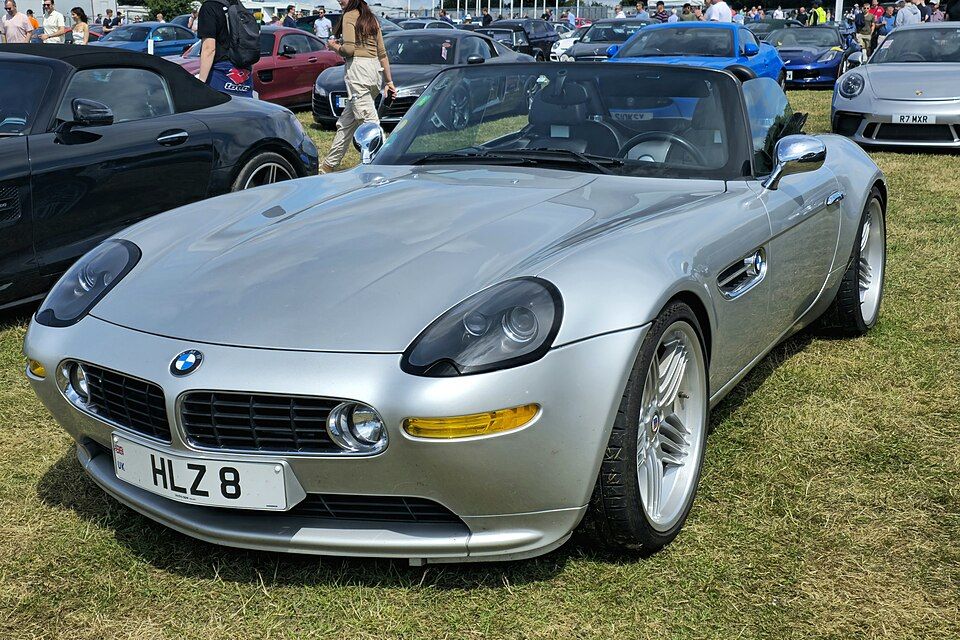
Photo: 2001 BMW Z8 Calreyn88, CC BY-SA 4.0, via Wikimedia Commons
Here’s the bit people sometimes forget. A rare car isn’t automatically a good buy just because it’s rare. The Z8 is a lovely thing, but any low-number, high-value car needs checks, patience, and a clear head. Car and Classic says all UK Z8s are left-hand drive imports, since BMW never built the model in right-hand drive form. That alone makes it different for buyers here. You’d need to be comfortable sitting on the left, pulling out to see past buses, and paying extra care on narrow roads. Documentation matters too.
With cars like this, service records, original parts, matching paperwork, and proper history can make a big difference. A missing hardtop or patchy past may not matter much on a cheap runabout, but on a Z8 it can change the whole story. Car and Classic also points buyers toward regular maintenance and checks, even when a car hasn’t been used much, because storage can still age a vehicle. That’s a useful lesson for any used car shopper, even if you’re looking at something far more everyday than a Z8. Low miles can be nice, but a car still needs care. Tyres age. Batteries suffer. Fluids need changing. Seals can dry out. We’ve all seen cars that look shiny on the outside but tell a different story once you look closer. So don’t buy the dream first and check the car later. Do it the other way round. Dream, yes. But bring your brain with you. That advice works whether the car costs collector money or normal family-car money.
Why the Z8 still grabs people in Manchester and Stockport
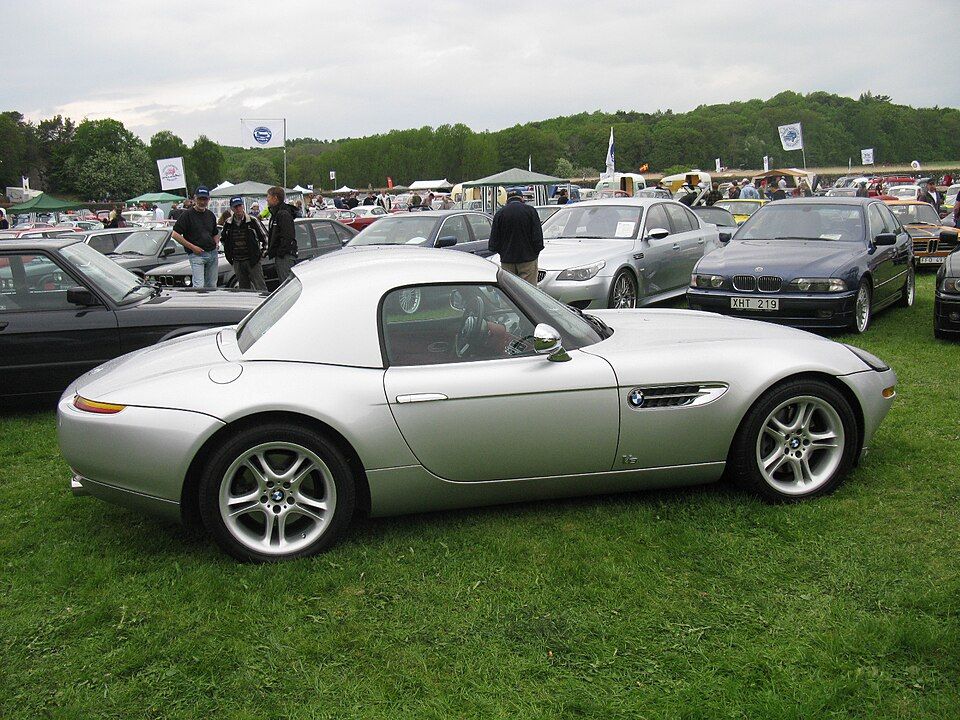
Photo: BMW Z8 by nakhon100, CC BY 2.0, via Wikimedia Commons
The Z8 has a funny kind of appeal. It’s glamorous, but it’s not silly. It’s rare, but it doesn’t feel like it was made only to sit behind ropes. You can imagine it parked outside The Lowry on a Saturday night, roof up because the clouds have rolled in, or rolling through Stockport on a quiet Sunday morning before the shops get busy. It’s got Bond sparkle, yes, but it also has that BMW honesty people like: engine at the front, drive at the back, driver in control. Around Manchester and Stockport, people tend to have a good nose for cars that are all show and no substance. Maybe it’s the weather. Maybe it’s the roads.
Maybe it’s just the local habit of calling things as they are. A car needs to make sense here, at least a bit. The Z8 does, even if most of us won’t be popping one on the drive. It shows how a car can be emotional without being overdone. It shows why design can matter as much as speed. And it reminds you that a good used BMW, even a much newer and more ordinary one, can carry a bit of that same appeal. Not the rarity, of course. Not the Bond gadgets. But the idea that a car should feel good every time you walk up to it. That’s the bit people remember. Not the spec sheet. Not the brochure lines. The little moment where you glance back after parking. The Z8 is built out of those moments.
What the Z8 can teach normal used car buyers
Most people reading this won’t be shopping for a BMW Z8. Fair. They’re rare, valuable, left-hand drive, and firmly in collector car territory now. But there are still useful lessons here for anyone looking at a used car, whether that’s a BMW, Audi, Ford, Toyota, Volkswagen, Mercedes-Benz, or something else. First, history matters. The Z8 is a clear example of why paperwork, servicing, and originality can shape a car’s appeal. Second, condition matters more than a shiny advert. A clean photo doesn’t tell you how a car has been cared for, what it feels like to drive, or whether the basics are right. Third, buy the car that suits your life. A Z8 might be magical on an open road, but it wouldn’t be the easiest thing for school runs, big shops, or tight multi-storey car parks around town. A used car should make your week easier, not add stress to it. That’s why at Dace Motor Company, we talk to customers about what they actually need, not just what looks good in a photo. Maybe you want something small for Stockport streets. Maybe you need a family sport utility vehicle for trips along the M60. Maybe you want finance with a soft search that won’t affect your credit score. The Z8 is a dream car, and dream cars are fun to talk about. But the best car for you is the one that fits your roads, your budget, and your daily life. That’s less glamorous than Bond. It’s also much more useful.
So, why does the Z8 still feel cool?
Because it has a proper story. That’s the easy answer. It starts with the BMW 507, one of those old roadsters that looks like it should be parked outside a jazz club. It moves through Tokyo in 1997, where the Z8 idea was shown to the public. Then it lands in a Pierce Brosnan Bond film in 1999, gets gadget-filled and sliced up on screen, and still somehow comes out looking classy. Then, away from the film set, the real car becomes one of BMW’s most wanted modern classics. Around 5,700 made. M5 engine. Manual gearbox. Two seats. Roof down on the right day. That’s a strong recipe. But there’s something warmer going on as well. The Z8 doesn’t feel cold or showy. It feels like someone at BMW cared about shape, balance, and memory. It reminds people of the past without pretending time stopped in 1956. It has enough speed to excite you, yet enough style to make speed feel like only part of the point. And maybe that’s why it still works for people who love cars, even here in the North West, where a roadster can feel like a brave choice for half the year. The Z8 is romantic, but not daft. It’s a car you can imagine in a film, on a coastal road, outside a Manchester hotel, or tucked away in a heated garage like the owner is waiting for the one dry weekend in April. Let’s face it, that might be the most British sports car fantasy of all.