


BMW M: How Motorsport Became a Road Car Legend
If you’ve ever been stuck on the M60 near Stockport in the rain, watching the taillights crawl along, you’ve probably had the same thought as the rest of us: “If I’m going to be sat in traffic, I at least want a car that feels special.” And that’s kind of the whole point of BMW M. It’s the bit of BMW that took racing know-how and stuffed it into road cars you can actually drive to the Trafford Centre, up to Heaton Park, or over the Snake Pass when you fancy a proper run. At Dace Motor Company, we see a lot of used BMWs come through our showrooms, and every time an M badge appears, people react differently. Even folks who aren’t car-mad lean in for a closer look. There’s a reason for that. “M” wasn’t made as a sticker to look cool. It started as BMW’s motorsport department, set up on 1 May 1972, with a small team of 35 people and a clear mission: win races, then use what they learned to build quicker, sharper cars for the road. That’s the root of the legend. The story begins with real names too, not some mystery “committee.” The first managing director was Jochen Neerpasch, who’d already been deep in racing before BMW hired him. And one of the key engineers linked to those early performance engines was Paul Rosche, a Munich-born engineer who became famous for building and shaping BMW’s most exciting motors. So yeah, when people say “motorsport DNA,” this is what they mean. It’s actual racing people, working on actual racing problems, then turning those fixes into road cars that feel alive in your hands.
Back When “M” Was a Small Team With Big Plans
Picture it: early 1970s. Racing is getting more competitive, the rules are changing, and BMW wants to be taken seriously. So they set up BMW Motorsport as its own company, instead of treating racing like a side hobby. Jochen Neerpasch leads it, and the goal isn’t subtle. They want wins. They want trophies. They want to show up and embarrass the big names. The funny thing is, that “win first” mindset ended up shaping the road cars. Because racing doesn’t let you hide. If a car is heavy, it suffers. If it handles badly, it gets found out fast. If the engine can’t take stress, it breaks. And every problem becomes urgent because there’s a race next weekend, not next year. That pressure makes people inventive. It also makes them ruthless about what matters.
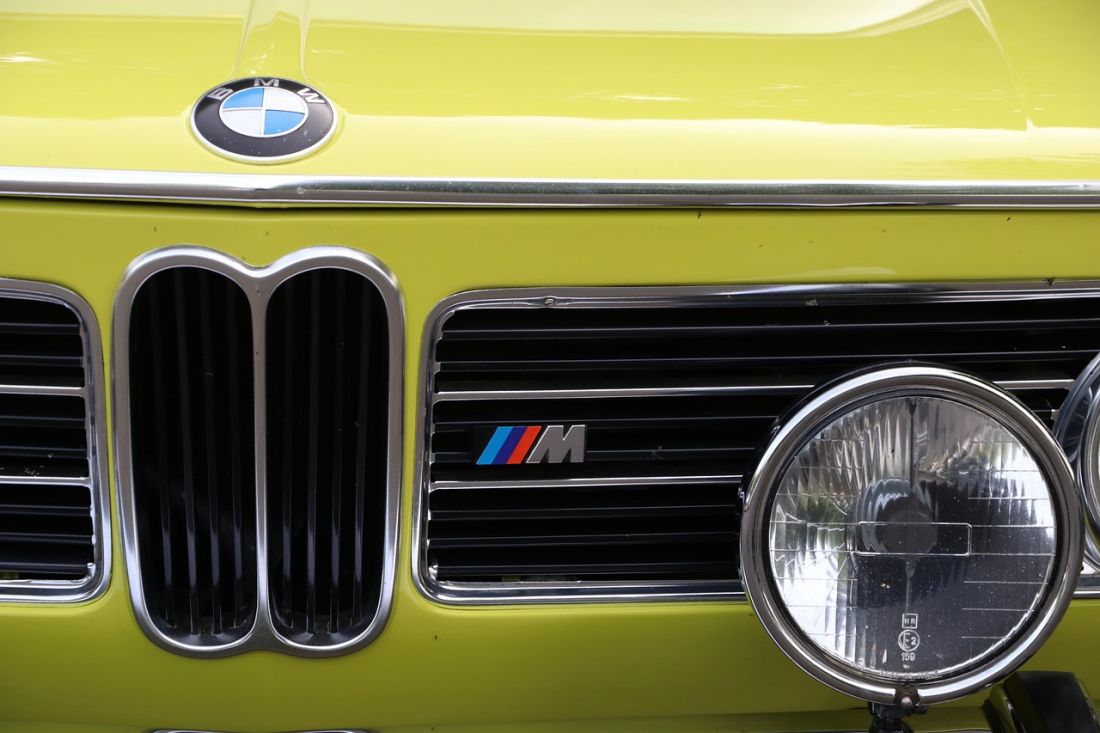
That’s why early BMW Motorsport didn’t start by making a comfy fast saloon for the school run. They started with race projects and special models made to qualify for racing. One of the early heroes is the BMW 3.0 CSL, a lightweight coupé built so BMW could compete properly in touring car racing. It didn’t just look wild, it backed it up with results, including major wins in European touring car competition. And this is where you see a pattern that repeats through BMW M history: build a road-going car because the rules demand it, then the road car becomes famous in its own right. It’s like when a footballer trains for a cup final and ends up getting fitter for everything else too. The training goal is specific, but the benefits spread everywhere. That’s what motorsport does to engineering. It forces choices. It sharpens priorities. And it pushes the people building the car to care about things you can actually feel behind the wheel, like balance, grip, braking, and that instant response when you press the pedal.
The BMW 3.0 CSL: The Loud, Winged Proof That It Worked
The BMW 3.0 CSL is one of those cars that even people who don’t know much about cars recognise, because it looks like it’s been designed by someone who’d had too much coffee and a stack of wind tunnel notes. Big spoilers, wide arches, and a stance that screams “I’m not here to be polite.” It also has a nickname that sums it up: “Batmobile.” That car mattered because it showed BMW Motorsport could build something that was genuinely dominant on track, then connect that success back to the road-car story. The 3.0 CSL collected European touring car titles across the decade and became a proper poster car for racing fans. There’s also a cultural moment tied to it that people still talk about: the BMW Art Cars. A 3.0 CSL became the first BMW Art Car in 1975, painted by artist Alexander Calder, and that idea turned into a whole famous series. That’s not just “nice trivia.” It tells you BMW was using motorsport to build a vibe, a reputation, and a sense of style around speed. It was making performance feel like part of everyday culture, not just something hidden in a paddock behind barriers. And that’s the bridge to road cars. Because the truth is, most of us aren’t taking our cars onto a circuit. We’re taking them down the A6, through Stockport town centre, or round Manchester’s never-ending roadworks. So the “legend” part of BMW M isn’t just that they won races. It’s that they made people want a slice of that feeling on a normal day. You can see the logic: if a racing version needs to be lighter, the road version gets weight-saving ideas too. If the racing version needs sharper control, the road version gets tighter responses. It’s not magic. It’s problem-solving under pressure, then selling the solutions in a way people can live with.
The BMW M1: A Road Car Built Because Racing Demanded It
If the 3.0 CSL was BMW Motorsport proving it could win, the BMW M1 was BMW Motorsport trying to build something that felt like a proper supercar, with racing at the heart of it. The M1 was developed as a road car but with the idea that it would also be the base for racing versions. It’s also a rare machine. Production numbers are low, and sources commonly state 399 road-legal cars were made, with additional cars built for racing. The build story is messy in a way that makes it even more interesting. Parts of the car’s manufacturing involved specialist companies, with final assembly handled by experts rather than rolling straight down a huge normal factory line. That’s partly why the M1 has this hand-built, special feel around it, even decades later. But the M1’s biggest legacy might be what BMW did next when racing rules didn’t line up neatly with the plan. Instead of sulking, BMW created its own racing series for the M1: the BMW M1 Procar Championship.
This was brilliant because it put famous racing drivers in identical cars, so fans could see driver skill more clearly, and it ran as support races around European rounds of Formula One in 1979 and 1980. The first champion was Niki Lauda, which tells you the series wasn’t a gimmick with random names. Imagine being a fan in the stands back then: you’ve watched the main race, then you get another scrap with top drivers, all fighting in the same cars. That’s the kind of thing that makes a badge stick in people’s minds. And it set the pattern for “M” cars on the road. The M1 wasn’t mass-market. It wasn’t meant to be. It was a statement: BMW Motorsport can build something extreme, and it can turn racing headaches into something exciting instead of giving up.
How “M” Turned Into Cars You Could Actually Live With
Here’s the part people sometimes miss. The BMW M story isn’t just about rare classics and mad racing specials. It’s also about taking that racing attitude and blending it into cars that work for real life. School run. Work commute. Shopping at the big Tesco. A late-night drive home across Manchester when the roads finally clear. The 1980s is where that really clicks, and one of the best examples is the first BMW M5 (based on the E28 5 Series). BMW’s own historic info says it was shown in February 1985, and it used an engine closely related to the one from the M1. That’s the weird bit: it looks like a sensible executive saloon, but it’s got proper motorsport engineering under the bonnet. People loved that idea because it’s sneaky in the best way. You get space, comfort, and everyday usefulness, but when you press on, it turns into something else.
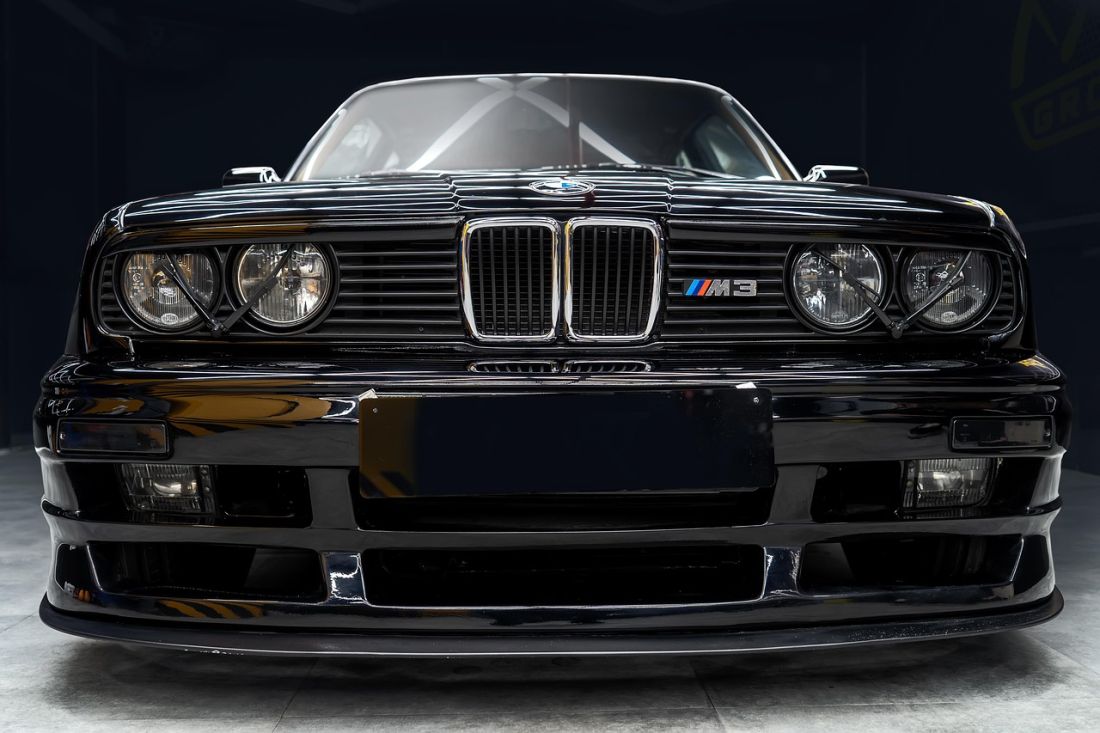
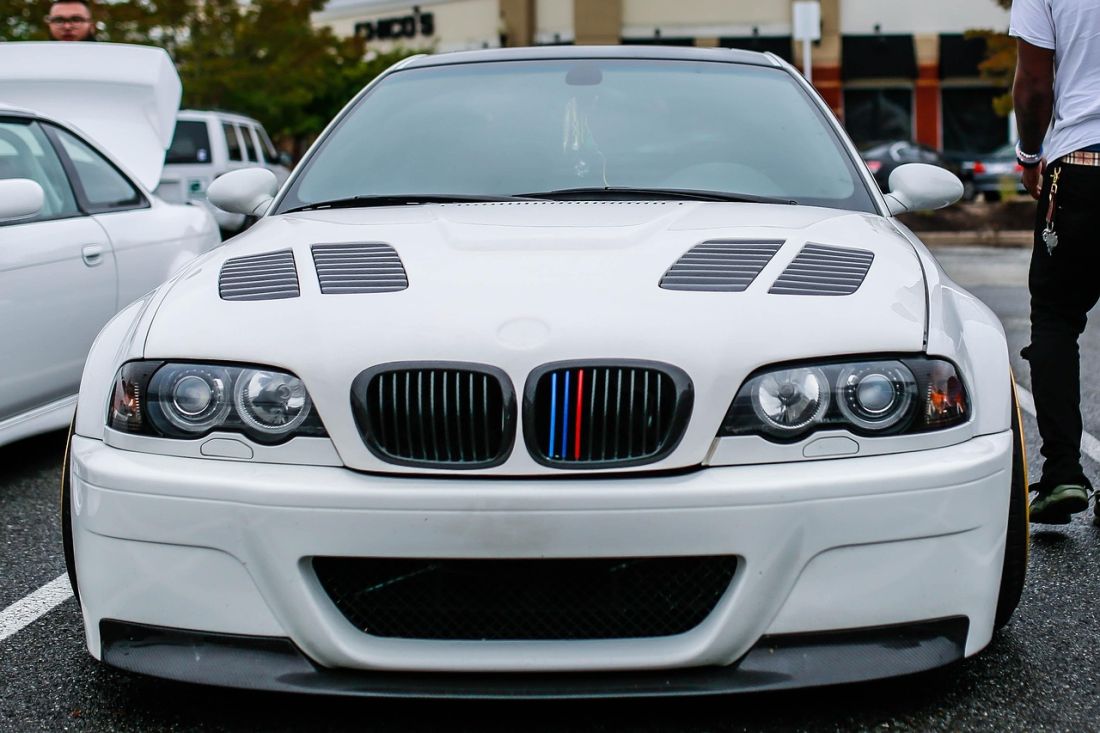
And behind the scenes, engineers like Paul Rosche were central to making that performance feel sharp and strong, because he worked on several famous BMW engines, including ones linked to the M1 and later performance models. Then you get the car that might be the most famous “race car for the road” of them all: the first BMW M3, based on the E30 3 Series. BMW’s own M site describes it as a model built to qualify for touring car racing, with rules requiring a minimum number of road cars to be sold. Again, the same story: racing pushes the design, and the road version becomes a star. The E30 M3’s shape even changed compared to a normal 3 Series because it needed better airflow and stability. That’s not “styling.” That’s racing logic made visible. And today, even if you’re browsing used cars, you can still feel that heritage in later M cars: that sense that the car’s been engineered to respond quickly, to stay balanced, and to feel connected, not floaty.
What Makes an M Car Feel Different on Normal Roads Around Here
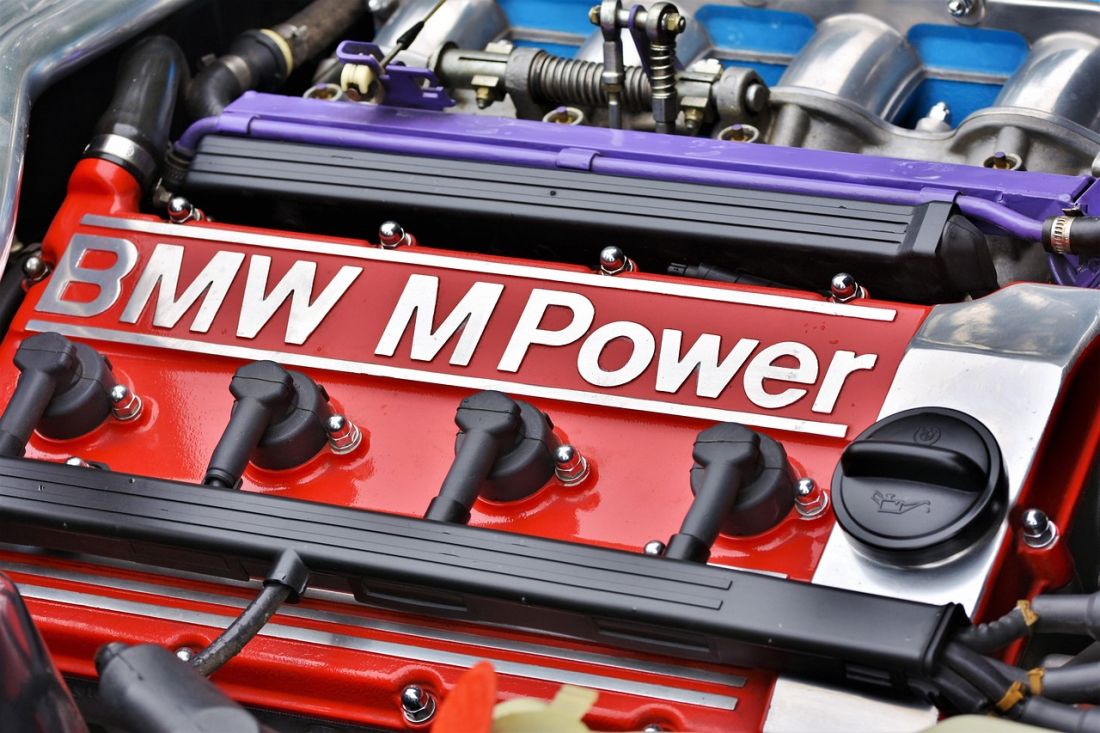
Let’s bring it back home, because all the motorsport talk is fun, but you’re not driving around a perfect racetrack in real life. You’re dealing with speed bumps in Stockport, potholes that appear overnight, and roundabouts that feel like they’ve been placed just to test your patience. An M car’s “feel” comes from a bunch of small choices that add up. One big thing is how quickly it reacts when you steer. On a twisty bit of road, like heading out towards the Peak District, a car that responds cleanly feels confidence-inspiring. You turn, it turns. No wobble. No delay. Another thing is how the power arrives. Motorsport-style engines and tuning focus on response, so when you press the pedal, you want the car to pick up without feeling sleepy. That’s part of why the M badge has such a following: people remember the sensation. And yeah, you can get a quick car without the badge, but M is meant to feel like a package, not just an engine swap.
You also get a certain “built for stress” vibe in the background, because racing development is basically a never-ending stress test. If you’ve ever watched how hard racing cars get pushed, you’ll get why that matters. It’s not about driving like a maniac on the A57. It’s about the car feeling solid and ready, even when you’re just joining the Mancunian Way or nipping across to Eccles. And if you’re looking at used cars, here’s the practical bit we’d tell any mate: the badge alone isn’t the full story. Check service history. Check condition. Make sure it’s been cared for. Performance cars can live hard lives, and the best ones are the ones that haven’t been treated like a disposable toy. At Dace Motor Company, every car we sell is history checked before it goes up for sale, so you’ve got that extra bit of reassurance when you’re choosing something sporty. And if you’re thinking about finance, the nice thing about a soft search is you can explore your options without it impacting your credit score, which takes the pressure off while you’re still deciding.
Why BMW M Became a “Legend” Instead of Just Another Fast Badge
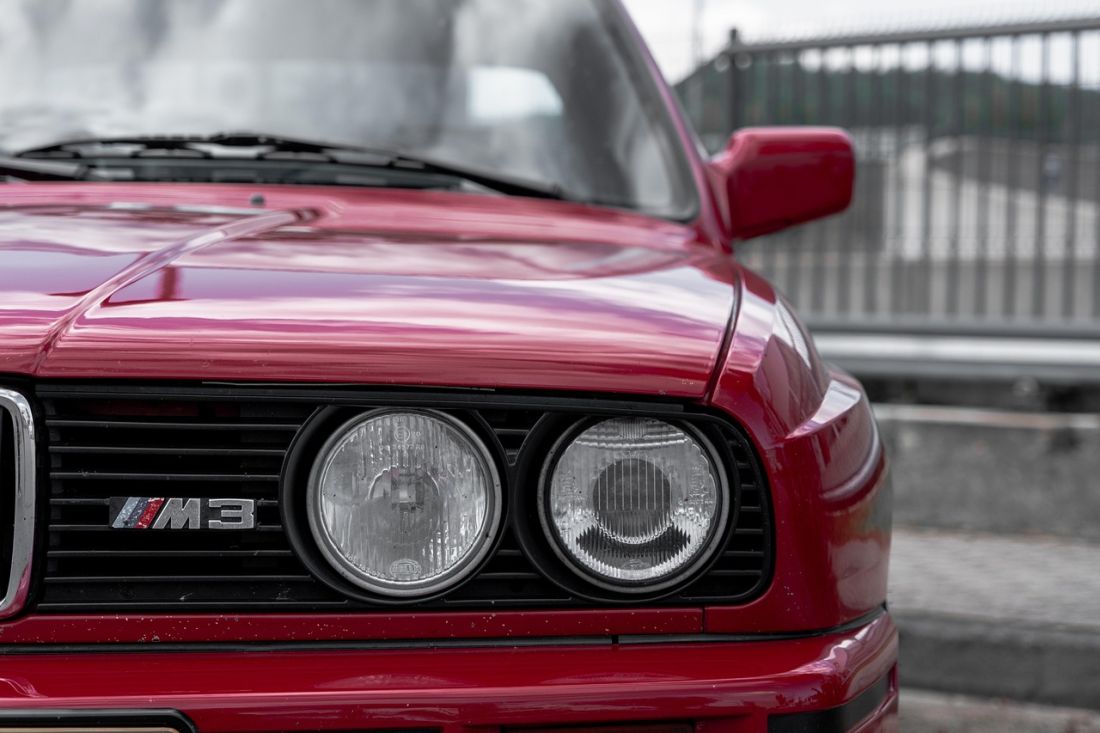
Lots of brands have made fast versions of their cars. Some are brilliant. Some are a bit forgettable. The reason BMW M has that “legend” status is that the story is consistent. It starts with motorsport as the main point, not a marketing afterthought. The division was created to focus BMW’s racing efforts, led by named people with proper racing backgrounds, and it built its reputation through results and bold projects. The 3.0 CSL helped turn BMW into a serious touring car force, and it created images fans still talk about decades later, including the Art Car moment. The M1 showed BMW Motorsport could build a true performance icon and even create a racing series around it when the situation demanded it. The M5 idea proved you could hide a motorsport heart inside a practical car. And the M3 concept nailed the “race car you can drive on the road” feeling in a way that shaped what people expect from sporty saloons and coupes even now.
That’s a long run of hits, and it’s backed by real decisions, not just hype. If you’re around Manchester or Stockport and you see an M car roll past, you can kind of tell when it’s the real deal. There’s a purpose to the way it sits, the way it moves, and the way it sounds. And if you’re thinking, “Yeah, but I’m buying used, not brand new,” that’s where it gets interesting. A used M car can be a serious slice of engineering for the money, but you’ve got to buy with your eyes open. Look for clean histories. Avoid cars with fuzzy paperwork. Take your time. Try it on roads you know, because that’s where you’ll feel whether it’s right for you. And honestly, that’s the best bit of this whole story:
BMW M wasn’t built to live in a museum. It was built to be driven. Even if that “drive” is just heading from Reddish to Manchester after work when the traffic finally eases up.