


Best Used Cars for Long Motorway Commutes in the UK
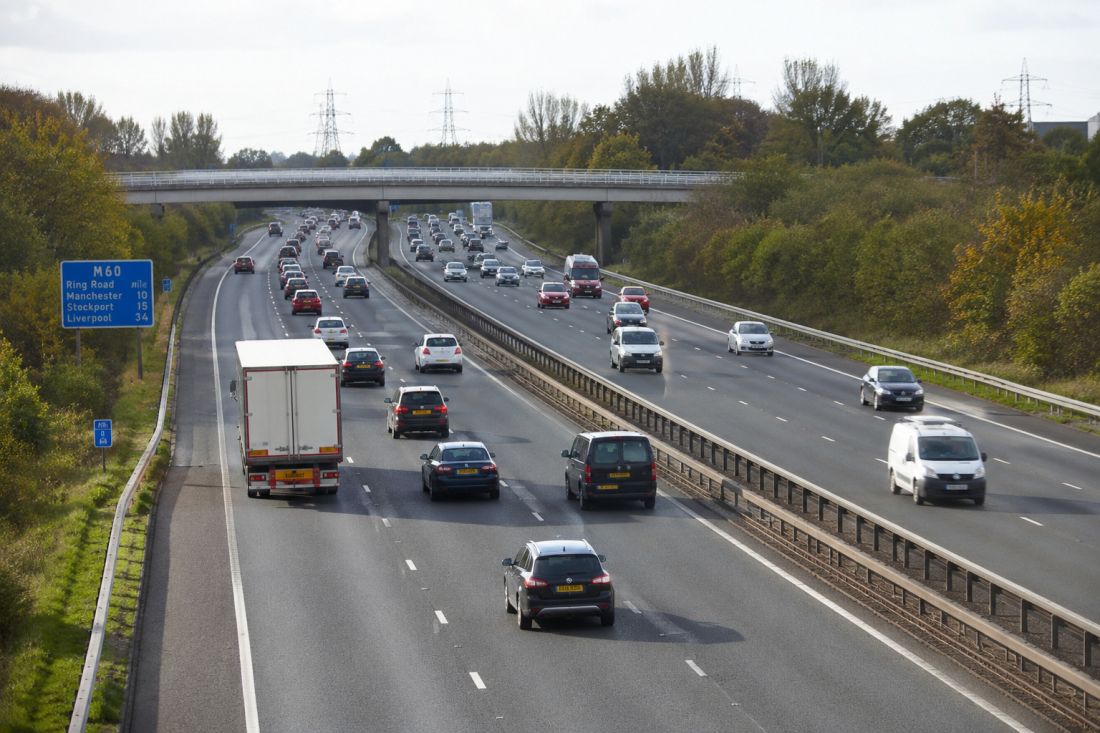
If your day starts with the M60, the M56, the M62, or that slow crawl past Stockport when everyone seems to have picked the same lane, you’ll know this already: a long commute can make a car feel very good, very quickly. Or very annoying. There’s no middle ground. A car that feels fine on a ten-minute hop to the shops can become a right pain after an hour of motorway noise, stiff seats, poor heating, thirsty fuel use, and a boot that somehow can’t fit your work bag, gym kit, and the big coat you only wear when Manchester rain comes in sideways. That’s why picking a used car for motorway commuting isn’t just about buying something “nice”. It’s about choosing something that keeps you calm, comfortable, and not constantly watching the fuel gauge drop. At Dace Motor Company, we see lots of drivers from Stockport, Manchester, and nearby towns who need a car for proper mileage, not just the school run or a Saturday trip to the Trafford Centre. The good news? The used market is full of great long-distance cars, from comfy hatchbacks to big estates, clever hybrids, and electric cars that make sense for the right driver. Dace stocks a wide mix of used cars across brands such as Audi, BMW, Ford, Honda, Hyundai, Kia, Lexus, Mazda, Mercedes-Benz, Nissan, Peugeot, Toyota, Volkswagen, Volvo, and others, with showrooms around Stockport and Greater Manchester.
What makes a car good for motorway commuting?
A good motorway car doesn’t need to be huge, flashy, or packed with every button under the sun. What matters is how it feels after mile 40, when the novelty has worn off and you’re still on the road. You want a car that sits steady at motorway speed, doesn’t shout through the tyres, has seats that don’t make your back complain, and gives you enough confidence when traffic bunches up near places like Denton Island or the Thelwall Viaduct. Fuel economy matters too, because a few extra miles per gallon can add up when you’re doing the same route five days a week. Safety matters. Service history matters. Tyres matter. And, yes, cup holders matter a bit as well, because nobody wants their morning coffee rolling about like it’s on a fairground ride. For long motorway runs, look for cruise control, comfortable seats, clear headlights, parking sensors, a calm cabin, and a boot that fits real life. A built-in screen is handy, but it shouldn’t be the main event. The best test is simple: can you picture yourself driving this car from Stockport to Leeds, Liverpool, Birmingham, or Preston and stepping out feeling normal, not like you’ve just wrestled a washing machine down the stairs? That’s the kind of car you want.
Volkswagen Golf: the easy answer for many commuters
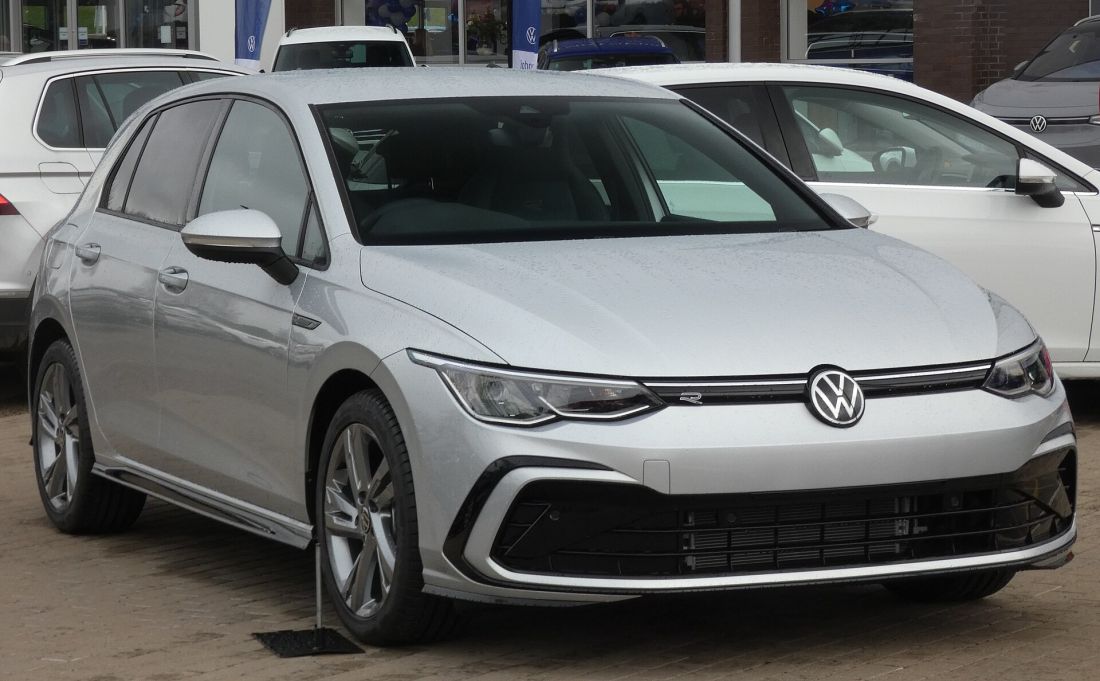
Photo: 2024 Volkswagen Golf by Harvey Bold, CC BY 4.0, via Wikimedia Commons.
The Volkswagen Golf is one of those cars that makes sense before you’ve even had a long chat about it. It’s not too big, not too small, and it feels grown up on the motorway without being a pain around town. That balance is why so many people like it. You can park it in Manchester without breaking into a sweat, but it’s also settled enough for long stretches on the M6 or M62. A used Golf can be a cracking pick if you want one car to do everything: commuting, shopping, family runs, weekend trips, and the odd airport run to Manchester Airport when someone swears their suitcase is “just a small one”. Diesel models suit high motorway mileage, especially if most of your driving is longer trips rather than short stop-start runs. Petrol models make sense if your commute is mixed, with town driving at either end. Some later models also have hybrid options, though you’ll want to check how you actually drive before picking one. The AA includes the Golf in its list of cars for long commutes, pointing to the kind of comfort and all-round usefulness that matters when you’re spending plenty of time behind the wheel. A Golf won’t turn every commute into a holiday, let’s be honest, but it can make the boring bits feel smoother. And for many drivers, that’s exactly the point.
Toyota Corolla Hybrid: calm, clever, and easy to live with
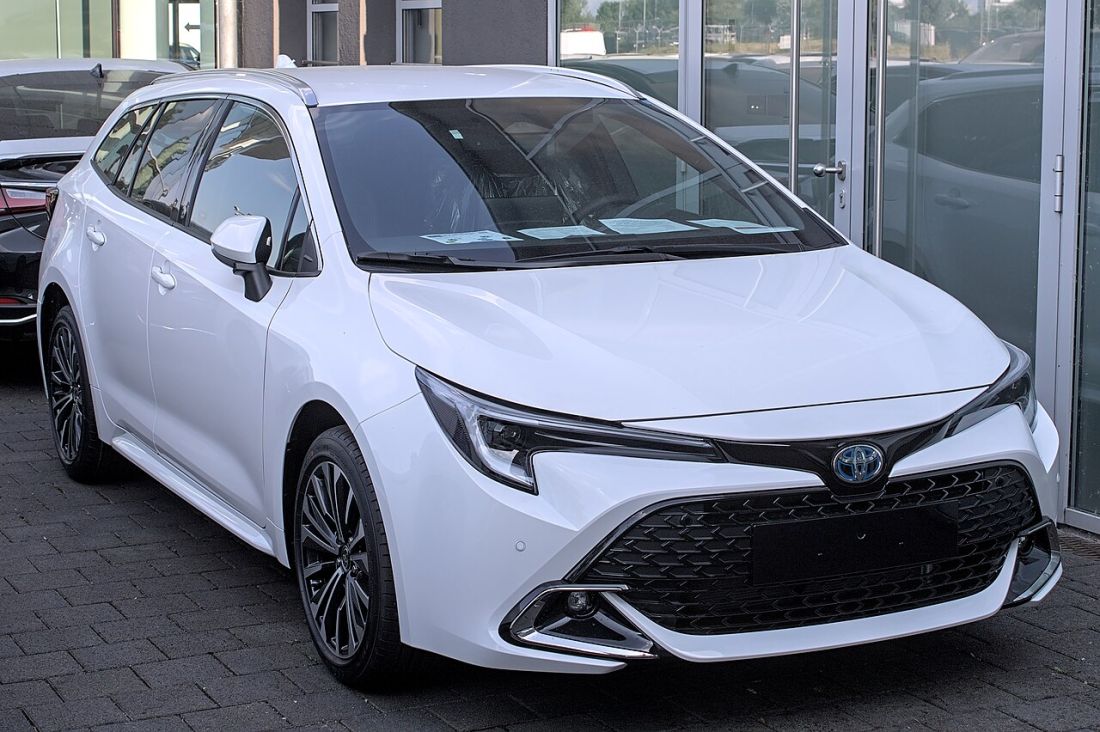
Photo: 2023 Toyota Corolla Touring Sports Hybrid (E210) by Alexander-93, CC BY-SA 4.0, via Wikimedia Commons.
The Toyota Corolla Hybrid is a good shout if your commute is a mix of motorway, town traffic, and those slow bits where the sat nav says “eight minutes” and somehow means twenty. It’s quiet at lower speeds, easy to drive, and known for being sensible without being dull. The hybrid system works well in traffic, where it can use electric assistance at low speeds, then settle into normal driving once you’re moving. That can be useful if your route starts in Stockport, winds through busy roads, and then opens up once you hit the motorway. The Corolla also feels nicely put together inside. You’re not buying it because you want drama. You’re buying it because you’d rather your car just got on with the job. There’s something very appealing about that. The RAC’s 2026 used-car shortlist includes the Toyota Corolla as a family hatchback pick, which lines up with what many commuters want: a car that’s practical, efficient, and not fussy. If you’re looking at one, check the service history, the tyres, and how smoothly it drives from cold. Hybrids can be great used buys, but you still want proof they’ve been cared for. Also think about boot size. The hatchback is fine for daily life, but the estate version gives you extra room if your commute comes with kids, luggage, tools, samples, sports kit, or all the little bits that somehow appear in a car after a normal week.
Skoda Octavia and Skoda Superb: space without the silly price tag
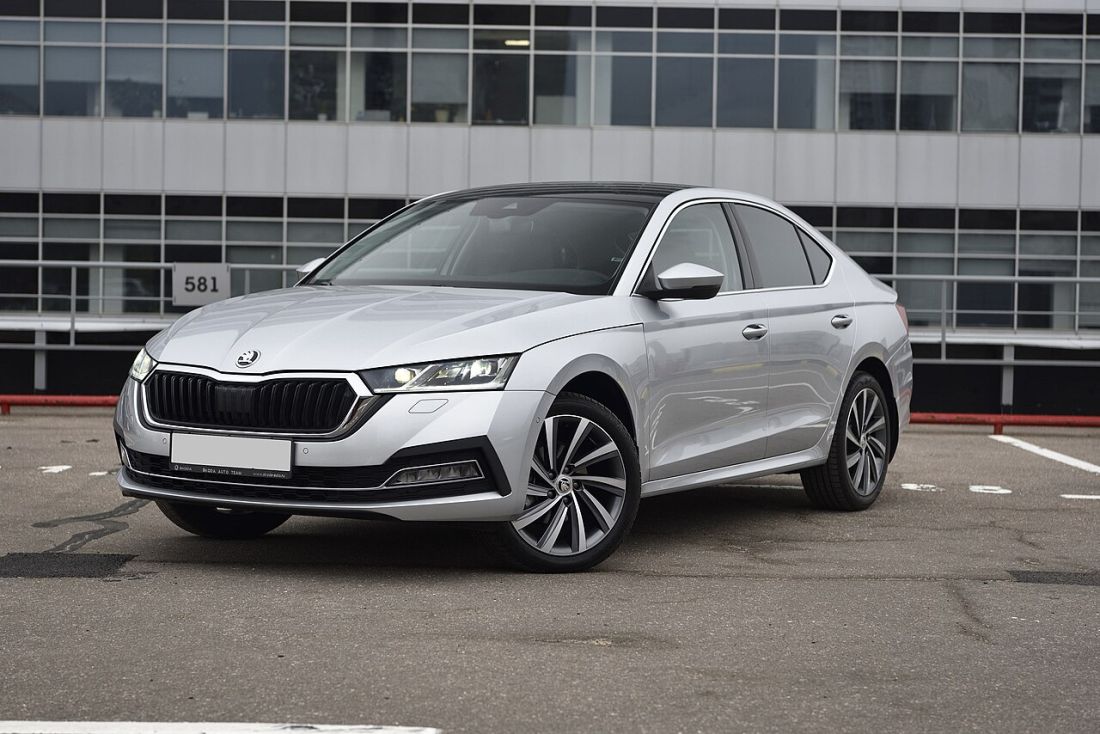
Photo: 2021 Skoda Octavia IV Liftback by Mike-fiesta, CC BY-SA 4.0, via Wikimedia Commons.
If there’s one car that deserves a nod from long-distance drivers, it’s the Skoda Octavia. And if you want even more room, the Skoda Superb is the bigger sibling that feels like it was made for people who carry half their life in the boot. These cars are popular with taxi drivers, families, sales reps, and anyone who covers proper mileage. That tells you something. They’re roomy, comfortable, and sensible, but not in a boring “grey sandwich for lunch” way. The Octavia estate is a great fit for long commutes because it has a big boot, decent rear space, and a cabin that feels calm enough for a long run. The Superb takes that idea and stretches it out, giving you loads of legroom and a relaxed feel on the motorway. Diesel versions can suit big annual mileage, while petrol models may be better if you do shorter trips too. The RAC includes the Skoda Octavia Estate in its 2026 best used cars shortlist, and its road-trip guidance also highlights the Superb Estate for space and cruising ability. These cars are especially handy if your commute is part work, part family life. You can do the office run, then nip to the supermarket, then collect something bulky, and the car won’t make a fuss. No drama. Just useful.
BMW 3 Series and BMW 5 Series: comfort with a bit of polish
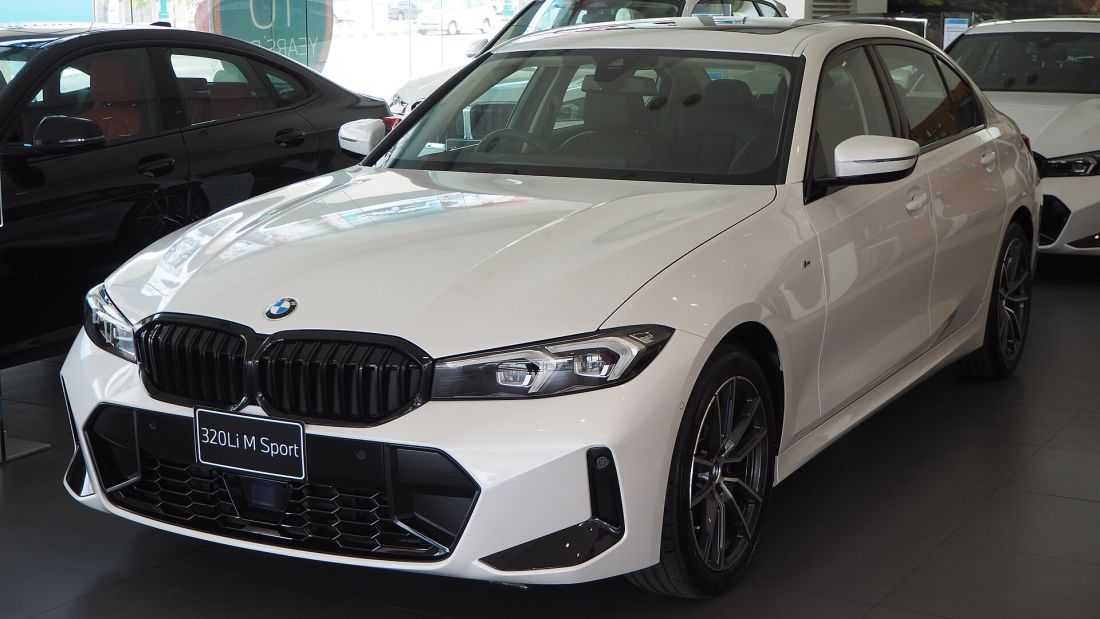
Photo: 2023 BMW 3-Series Gran Sedan by Chanokchon, CC BY-SA 4.0, via Wikimedia Commons.
A used BMW 3 Series can be a lovely motorway car if you want something that feels sharp but still grown up. It’s comfortable, steady at speed, and nice to drive on those bits of road where the traffic finally clears. The 5 Series is bigger, softer, and more relaxed, which can make it a better choice if your commute is long enough that comfort matters more than squeezing into tight city-centre parking. Both can be strong used buys, but you need to choose carefully. Service history is key. So is condition. A well-kept BMW can feel fantastic, while a neglected one can become expensive very quickly. Don’t get blinded by leather seats and shiny wheels. Check the boring stuff, because the boring stuff is what saves you money. The RAC’s 2026 used-car shortlist includes the BMW 5 Series as an executive-car pick, which makes sense for people doing longer trips and wanting a quieter, more settled drive. For Manchester and Stockport drivers, a 3 Series might be the easier everyday choice if you’re dealing with tighter streets and car parks. A 5 Series suits longer motorway work and drivers who want a bigger cabin. Both can work. The right one depends on your route, your budget, and whether you really need the extra space.
Audi A4 and Audi A6: quiet cabins and strong motorway manners
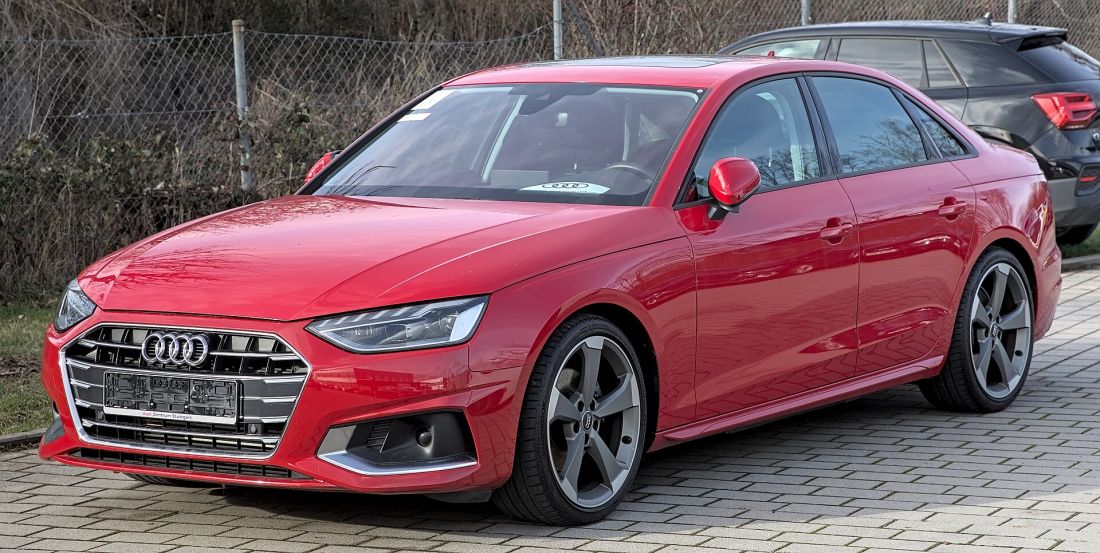
Photo: 2023 Audi A4 B9 by Alexander-93, CC BY-SA 4.0, via Wikimedia Commons.
The Audi A4 and A6 are the sort of cars that make long roads feel less tiring. The A4 is neat enough for daily use but still comfortable on motorway runs, while the A6 gives you extra space and a more settled, premium feel. If your commute is long, dark, and rainy, which around Greater Manchester is hardly rare, a quiet cabin and good headlights can make a bigger difference than people think. The A4 is a good middle ground. It’s smart, easy to live with, and doesn’t feel too large. The A6 is better if you want that “big car” calm, especially on longer motorway stretches. Diesel versions can suit high-mileage drivers, though you’ll want to be sure your driving pattern fits the engine. If you only do short trips with the odd motorway run, petrol might make better sense. And with any used Audi, don’t just look at the badge. Look at the tyres, brake condition, service record, and any warning lights. We’ve all seen cars that look perfect in photos but tell a different story once you look closely. The right A4 or A6 can be a great commuter car, but the phrase “full service history” should make your ears prick up. It’s one of the biggest signs that the car has been treated properly.
Mercedes-Benz C-Class and E-Class: comfort first, which is no bad thing
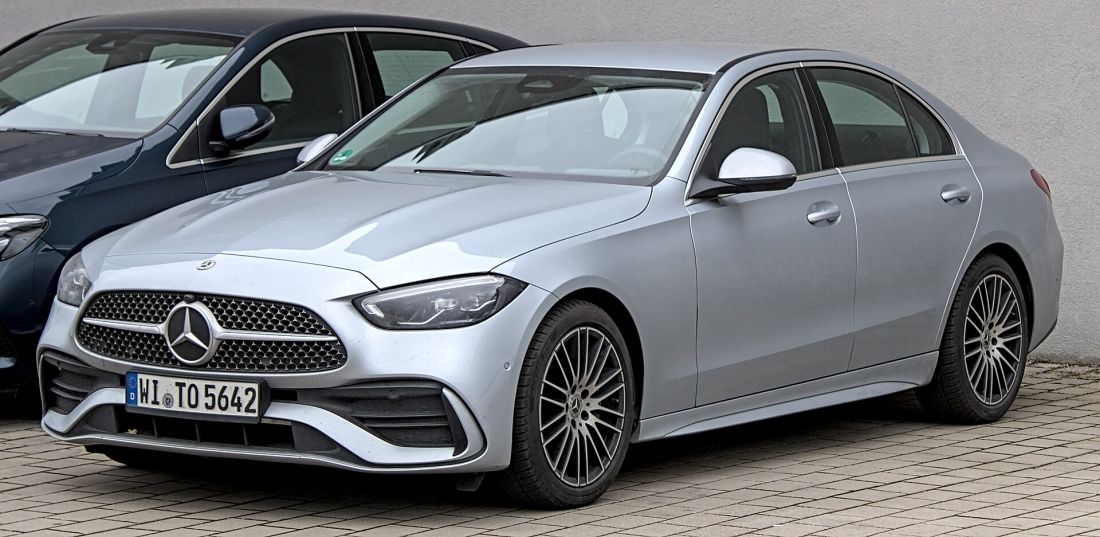
Photo: 2022 Mercedes-Benz (W206) by Alexander Migl, CC BY-SA 4.0, via Wikimedia Commons.
Some cars feel like they want you to slow your shoulders down. The Mercedes-Benz C-Class and E-Class can do that well. They’re built with comfort in mind, especially the E-Class, which is a bit of a motorway favourite for drivers who want a smooth ride and a quieter cabin. The C-Class is smaller and easier to handle around town, so it may be better if your commute has a lot of urban driving at the start or end. The E-Class is the one to look at if you want that proper long-distance feel, the sort of car that takes the edge off a wet Monday morning. The AA includes the Mercedes E-Class in its long-commute list, which backs up why it’s so popular with people doing longer trips. As with any premium used car, take your time. Check the service record, tyres, brakes, warning lights, and whether the car has had the right maintenance at the right time. A cheap premium car isn’t always cheap to own. But a well-bought one? That can be a very nice place to spend your working week. To be honest, if your commute is long and you arrive home less grumpy, that counts for a lot.
Ford Mondeo, Ford Focus, and Vauxhall Insignia: underrated motorway workers
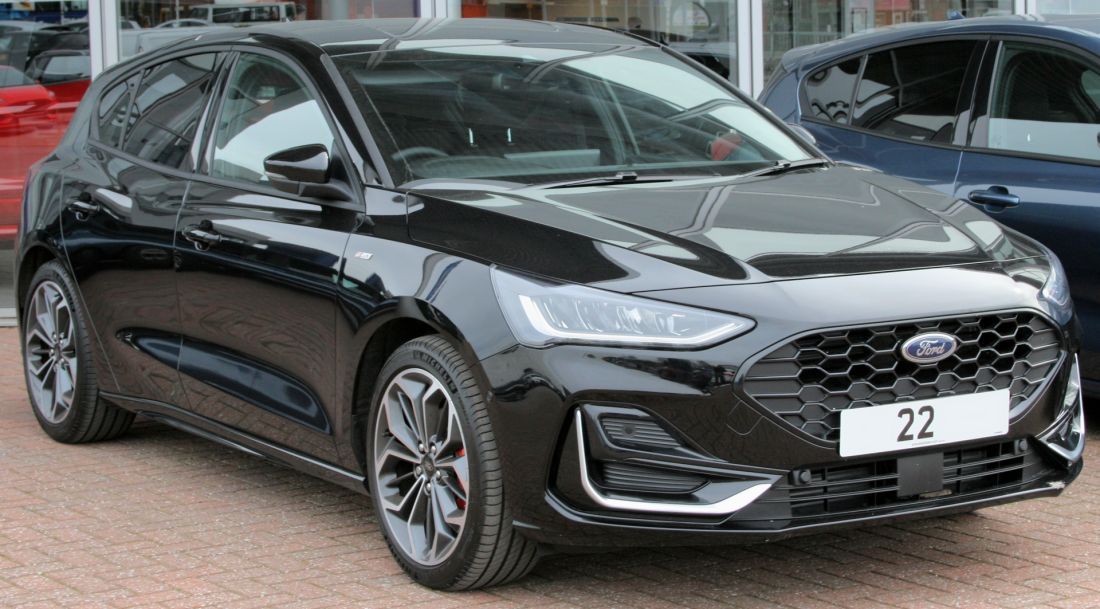
Photo: 2022 Ford Focus by DieselFordMondeo, CC BY-SA 4.0, via Wikimedia Commons.
There’s a lot to like about used Fords and Vauxhalls for commuting. They may not always have the badge pull of a German saloon, but they can be comfortable, affordable, and easy to repair. The Ford Mondeo is a classic motorway car: roomy, stable, and good for families or work gear. The Ford Focus is smaller, sharper, and easier to park, but still strong enough for regular motorway use if you choose the right engine and trim. The Vauxhall Insignia is another one that can give you loads of car for the money. It’s big, relaxed, and well suited to long routes where comfort matters. These cars can make real sense if you want value. You may get newer age, lower mileage, or better spec for the same money compared with a premium badge. And that matters. A car with heated seats, cruise control, parking sensors, and a clean history may be better for your life than an older luxury car with unknown bills hiding in the bushes. The trick is to buy on condition, not image. Check the clutch on manual cars, listen for suspension knocks, look at tyre wear, and make sure the service history is clear. If you’re doing a Stockport to Warrington run, or Manchester to Sheffield, or any of those cross-county slogs, these cars can be honest, useful choices.
Volvo V60, V90, and XC60: safe, calm, and very grown up
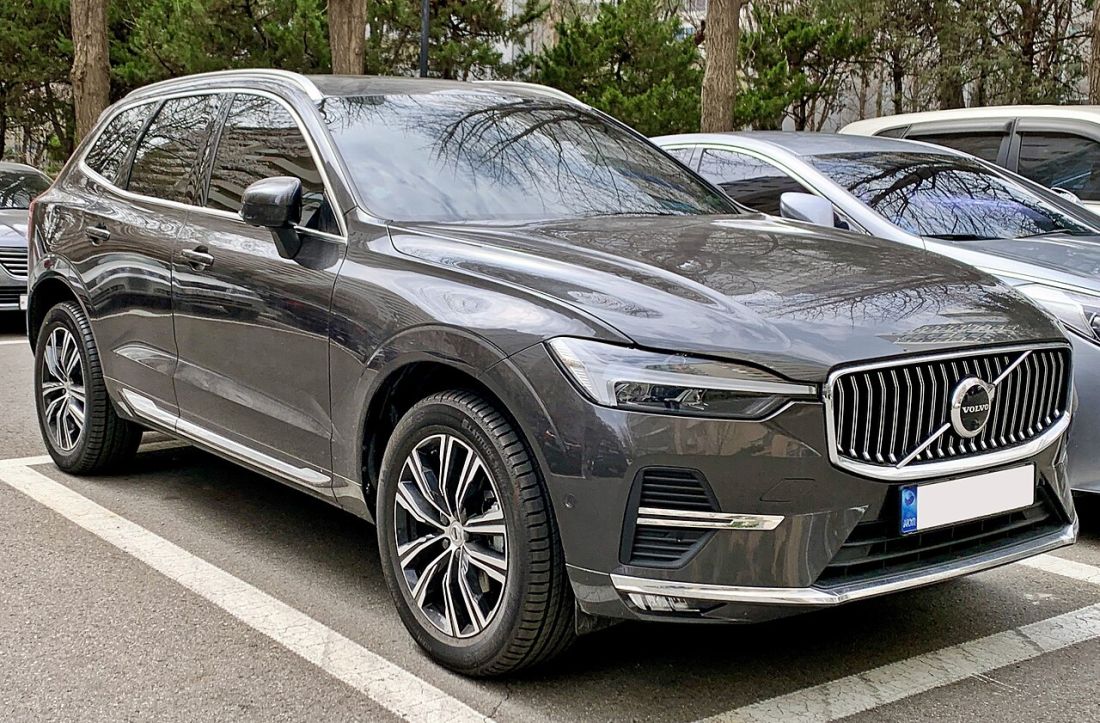
Photo: Volvo XC60 by Benespit, CC BY-SA 4.0, via Wikimedia Commons.
Volvo has a strong name for safety and comfort, and that matters on long commutes. The V60 is a smart estate that doesn’t feel massive, while the V90 gives you more room and a very relaxed motorway feel. The XC60 adds a higher driving position, which some people love, especially in heavy traffic. You know that feeling when you’re stuck behind vans near the Trafford Centre exit and you just want a better view ahead? That’s where a car like the XC60 can feel useful. Volvo cabins tend to be calm places, with supportive seats and a simple, clean layout. That’s a big deal if you’re spending hours each week in the same seat. Safety is another reason people look at Volvo, but don’t rely on brand reputation alone. Check the exact model and year. Euro NCAP is a helpful place to compare safety ratings across many used cars, though it also reminds buyers that test standards change over time, so ratings from different years aren’t always a straight like-for-like match. A used Volvo can be a great commuter car for drivers who want comfort over flash. Just make sure the tyres are good quality, because larger wheels and tyres can cost more than expected. Boring? Maybe. Important? Definitely.
Lexus hybrids: quiet, smooth, and great if you hate fuss
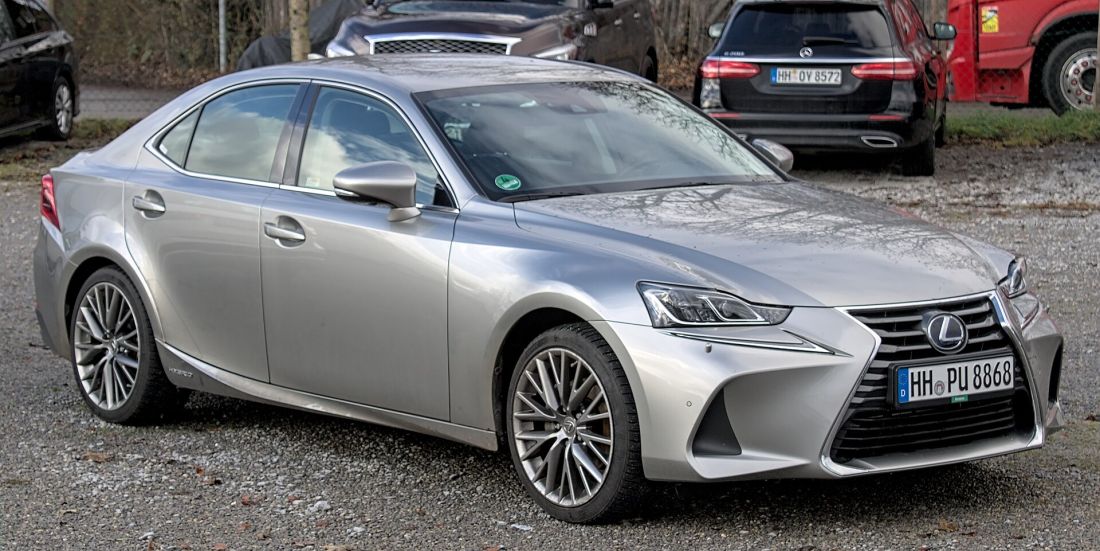
Photo: Lexus IS 300h (AVE30) by Alexander Migl, CC BY-SA 4.0, via Wikimedia Commons.
Lexus hybrids can make a lot of sense for commuters who want comfort, reliability, and a calmer drive. Models like the Lexus IS, ES, NX, and RX appeal to people who don’t want to think about the car too much once they’ve bought it. They’re quiet in traffic, smooth at steady speeds, and usually well equipped. The ES is a lovely option for motorway comfort, while the NX and RX suit drivers who want a higher seating position and family-friendly space. A Lexus hybrid isn’t always the cheapest used car to buy, but the calm driving feel can win people over fast. You’ll notice it most in slow traffic, where the hybrid system can take the sting out of crawling forward a few car lengths at a time. For long motorway work, check how the car feels at speed. Some hybrids are brilliant around town but less efficient on long fast runs than people expect, so your route matters. That’s why an honest test drive is so useful. Try to drive it on roads like the ones you use daily, not just around the block. And don’t skip the paperwork. A clean service history is still key, even with a brand known for dependability. Smooth cars still need care. They’re machines, not magic.
Tesla Model 3, Hyundai Ioniq, Kia Niro EV, and other used electric options
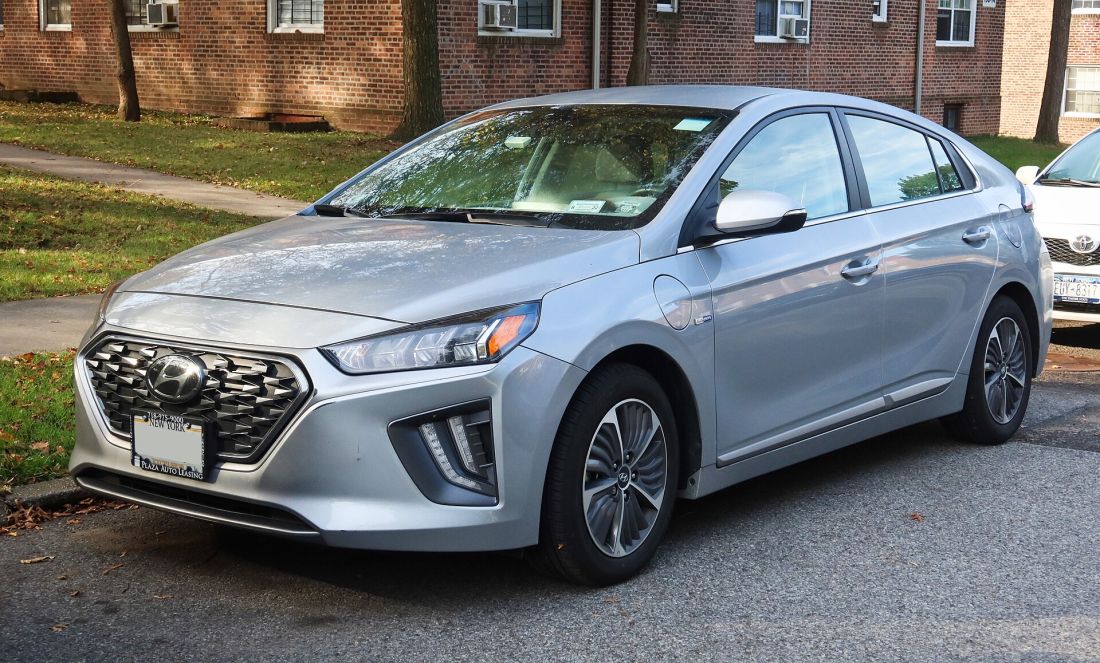
Photo: 2020 Hyundai Ioniq Hybrid by Kevauto, CC BY-SA 4.0, via Wikimedia Commons.
Electric cars can work brilliantly for long commutes, but only when your life fits them. That’s the honest bit. If you can charge at home, and your daily round trip sits well inside the car’s real-world range, a used electric car can be cheap to run and very relaxing. The Tesla Model 3 is one of the best-known electric motorway cars, with strong range, quick charging access, and a quiet drive. The Hyundai Ioniq Electric and Kia Niro EV can also be great used buys for sensible running costs, especially if you want something less sporty and more practical. The RAC’s used electric car guide points out that many used electric cars still have battery warranty left and can have fewer moving mechanical parts than petrol or diesel cars, which may help with running costs. But don’t guess. Check the range, battery health where possible, charging cables, service records, and whether you can charge without making your life awkward. If you live in a flat with no regular charger, or you do surprise long trips every week, think carefully. Public charging can work, but you don’t want your commute to depend on hoping a charger is free at 7:30 on a dark Tuesday morning. Great for some. Not for everyone.
Diesel, petrol, hybrid, or electric: which one suits motorway miles?
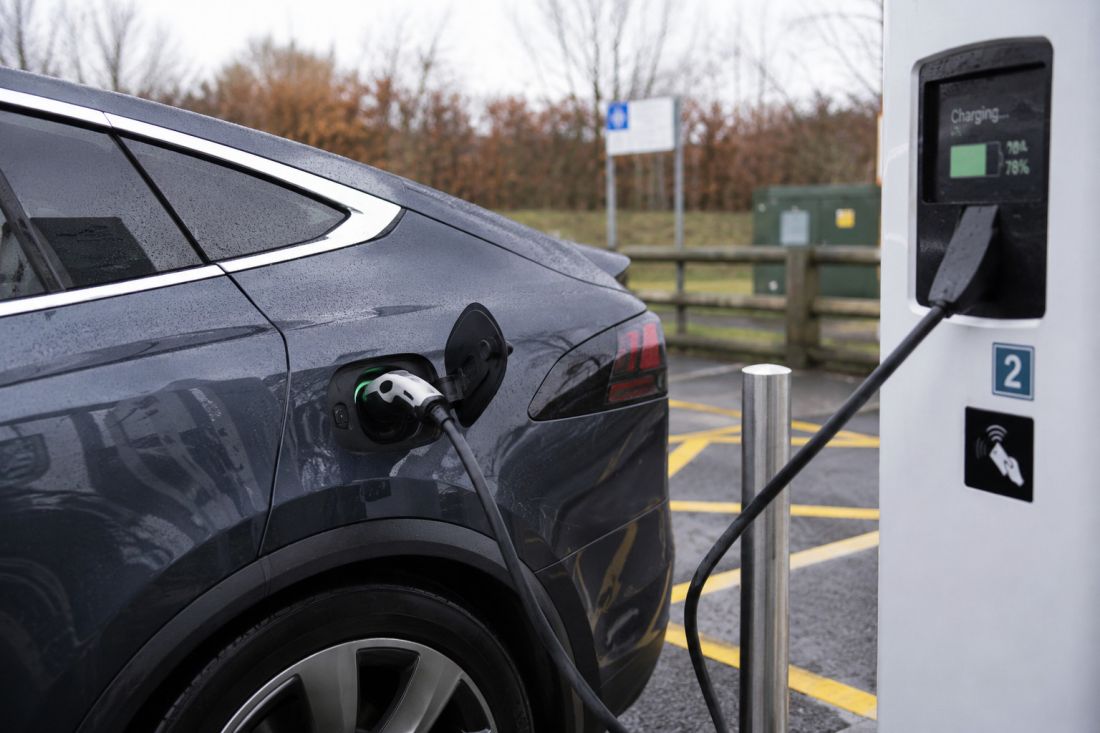
For big motorway mileage, diesel can still make sense, especially if your trips are long enough for the engine to warm up properly. A diesel Golf, Octavia, Passat, BMW, Audi, or Mercedes can be efficient and relaxed at higher speeds. But diesel isn’t the automatic answer for everyone. If you do a lot of short trips around town, school runs, or quick errands, a petrol or hybrid may suit you better. Hybrids are handy if your commute mixes traffic with faster roads, because they can save fuel in slower sections. Electric cars are great if you can charge easily and your daily mileage fits the battery range. The important thing is matching the car to your real week, not your best-case week. Think about Monday morning traffic, Friday evening delays, cold weather, diversions, and that one day every month when you end up doing twice the mileage you expected. For official fuel and emissions figures, the UK government points drivers to the Vehicle Certification Agency’s fuel and carbon dioxide data, and that can be useful when comparing cars. Real-world economy can vary, though. Motorway speed, tyres, weather, load, and driving style all play a part. So use the official figures as a guide, then be realistic. A calm right foot saves money. Annoying, but true.
Comfort features that are actually worth having
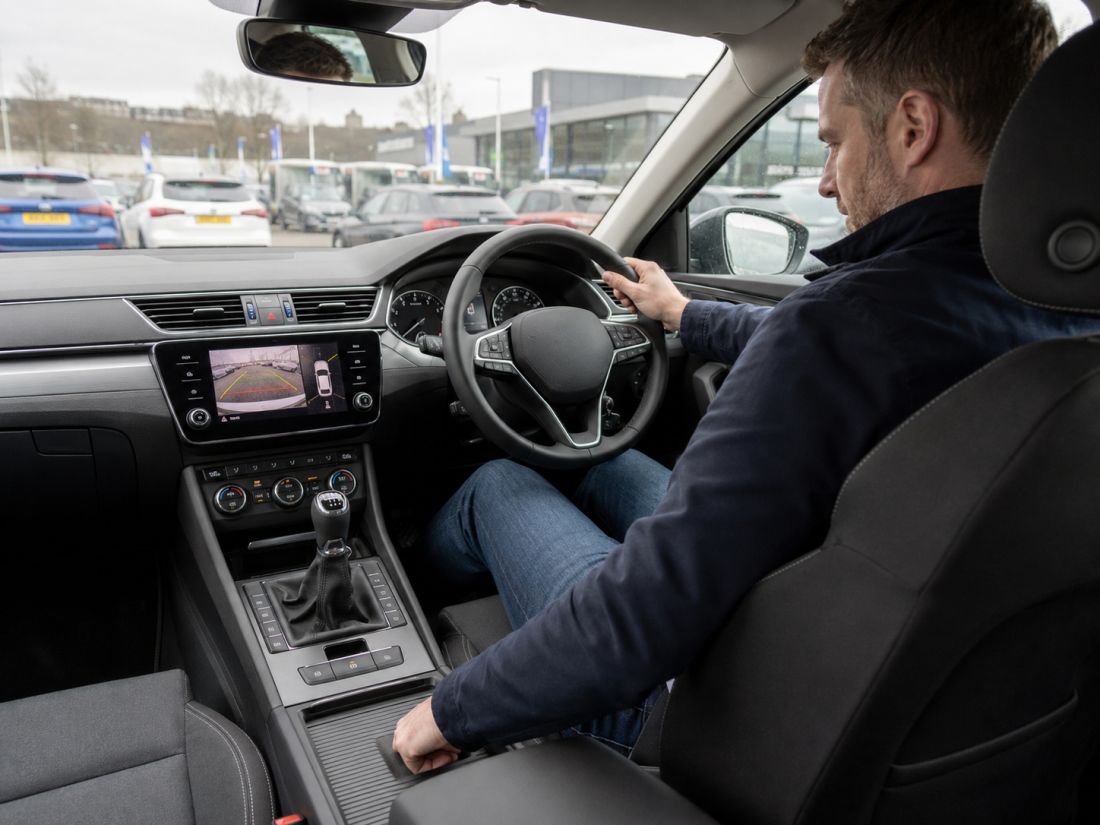
Some extras sound exciting in a listing but don’t matter much once you own the car. Others seem small, then become your favourite thing. For a long motorway commute, cruise control is one of the big ones. Adaptive cruise control is even better if you spend time in flowing traffic that slows and speeds up. Heated seats are lovely in winter, especially when you’ve scraped ice off the windscreen before joining the A6. Good air conditioning matters in summer, and it also helps demist the car quickly on damp mornings. Lumbar support can save your back. Parking sensors and a reversing camera are useful if you’re driving a bigger estate or saloon into tight Manchester car parks. Apple CarPlay or Android Auto can make maps, calls, and music easier to manage, though the car should still be simple enough to use without poking the screen every two seconds. Good headlights are a big one too. Many commuters drive in the dark for months of the year, and poor lights can make a long drive feel tiring. Try the seats properly during a viewing. Sit in your normal driving position. Adjust the wheel. Check your shoulder view. Make sure your left leg is comfy if it’s a manual. It sounds basic, but people forget. Then they remember every morning for the next three years.
What to check before buying a used motorway car
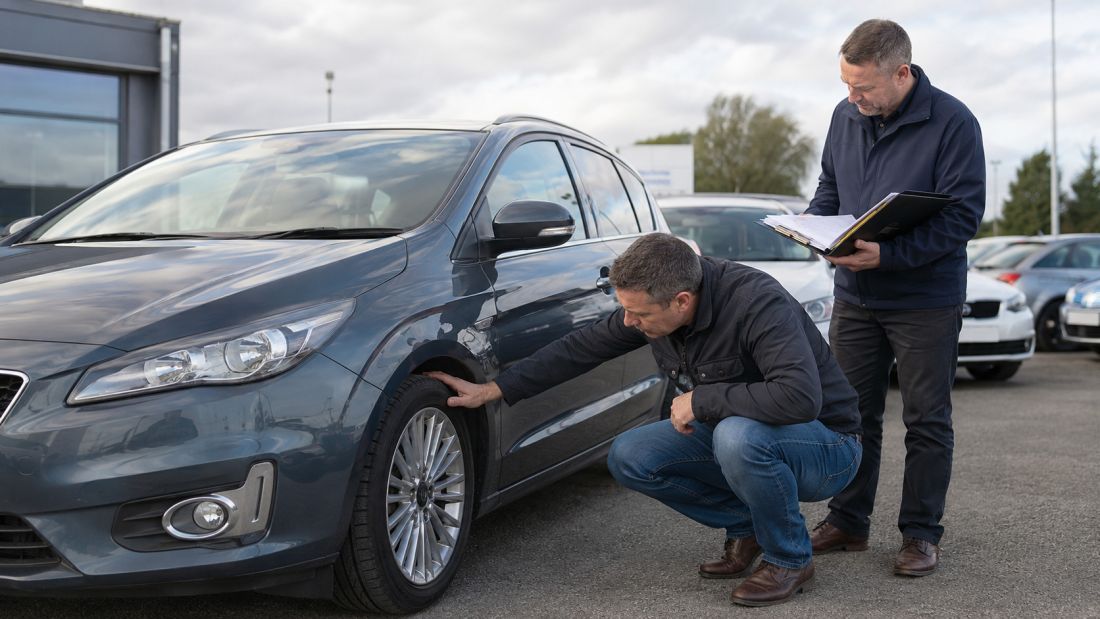
A motorway commuter car needs more than a nice shine. It needs proof it’s been looked after. Start with service history. A car that has done higher mileage but had regular servicing can be better than a lower-mileage car that’s been ignored. Check the tyres, and don’t just glance at them. Uneven wear can point to alignment or suspension issues. Look at the brakes, listen for knocks over bumps, and check that the steering feels straight. On the test drive, get the car up to a steady speed if possible. Listen for wind noise, wheel bearing hum, vibration, or any odd pulling to one side. Try the heating, air conditioning, lights, wipers, screen wash, radio, phone connection, and parking sensors. The RAC’s used-car buying checklist is a helpful reminder that viewing and test driving should cover documents, condition, history, and how the car feels on the road. Citizens Advice also tells buyers to check details such as the registration, MOT test number, mileage, make, and model when buying used. At Dace, cars are HPI checked before sale, and the company brief notes that this includes checks around stolen vehicle records, previous owners, mileage issues, outstanding finance, and insurance write-off history. That kind of checking matters, because the cheapest car is only cheap if it doesn’t bring expensive surprises with it.
Local driving matters: Manchester and Stockport aren’t always gentle on cars
A commute around Greater Manchester can be a funny mix. One minute you’re on a fast motorway, next you’re creeping through lights, speed bumps, potholes, parked cars, bus lanes, and rain that looks like it’s been thrown at the windscreen from a bucket. That mix matters when choosing a used car. If you’re mostly on the M60 and M62, comfort and fuel economy should be high on your list. If you’re crossing Stockport, Reddish, Didsbury, Sale, or Eccles each day, you may want something easier to park and better in stop-start traffic. If your work takes you into city centres, check any clean-air rules before you buy. Greater Manchester’s Clean Air Plan is investment-led rather than a private-car charging zone at the time of writing, but rules and schemes can change, and the government also runs a Clean Air Zone checker for places that do have charges. It’s much better to check before buying than to find out later that your normal route has become awkward. Also think about where you park. Big estates and saloons are brilliant on the motorway, but if your street is tight or your work car park has spaces painted for cars from 1998, a Golf, Corolla, Focus, or A3 may make daily life easier.
Don’t forget the human bit: tired drivers need breaks too
The best car in the world can’t fix tiredness. Heated seats, cruise control, and a quiet cabin help, but they don’t make you invincible. If your commute is long, plan it like a real part of your day, not dead time you just have to survive. National Highways advises drivers to plan ahead, check the car is roadworthy, make sure they have enough fuel or charge, and plan breaks rather than driving tired. The Highway Code guidance shared by the Health and Safety Executive says drivers should take a 15-minute break every two hours. That may sound like advice for long holiday trips, but it matters for work driving too. If you’re doing an early Stockport to Leeds run, or heading back from Birmingham after a full day, your car choice helps, but your habits matter as well. Keep water in the car. Keep screen wash topped up. Don’t ignore tyre pressure. Don’t drive with warning lights glowing like a Christmas tree. And if you feel sleepy, stop somewhere safe. Not the hard shoulder. Not “I’ll be fine for another half hour”. Somewhere safe. We’ve all pushed on when we probably shouldn’t have. The smarter move is boring, yes, but boring gets you home.
So, which used car should you pick?
If you want the safest answer for most people, start with the Volkswagen Golf, Toyota Corolla, Skoda Octavia, Ford Focus, or Audi A4. They’re a sensible size, good for mixed driving, and comfortable enough for regular motorway work. If your commute is longer and you want a more relaxed drive, look at the Skoda Superb, BMW 5 Series, Audi A6, Mercedes-Benz E-Class, Volvo V90, or Lexus ES. If you carry family gear, tools, luggage, or work kit, an estate can make life much easier. If you want lower running costs and can charge at home, look at a used Tesla Model 3, Kia Niro EV, Hyundai Ioniq Electric, or similar electric model, but check range carefully and be honest about charging. For many Manchester and Stockport drivers, the sweet spot is a car that feels calm on the motorway but isn’t a pain on local roads. That’s why cars like the Golf, Corolla, Octavia, A4, and 3 Series are so easy to recommend. They fit real life. Before you choose, write down your daily mileage, your longest regular trip, where you park, whether you carry passengers, and whether you need low running costs more than a premium badge. Do that, then test drive with those needs in mind. You’ll make a better choice, and you’ll feel it every single morning.