


Why the Subaru Impreza WRX Became a Rally Hero
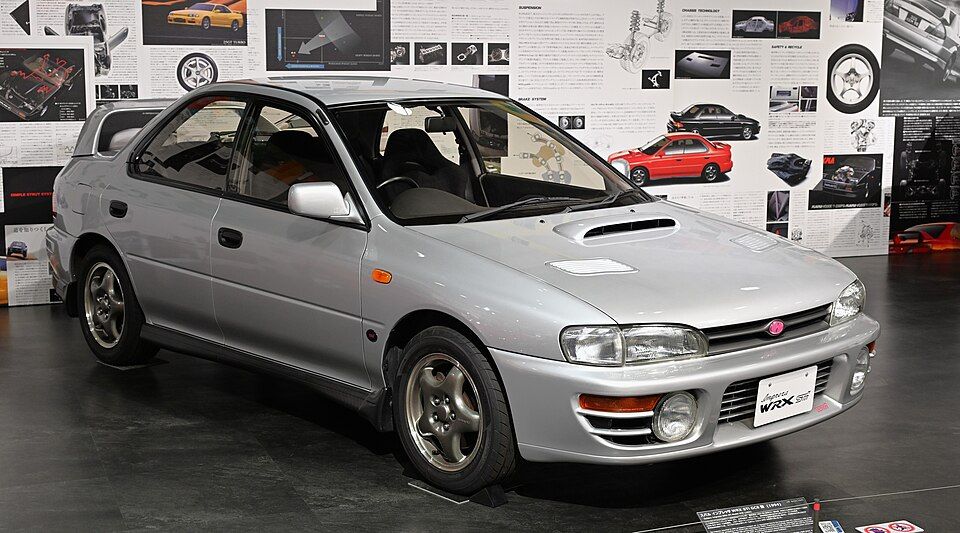
Photo: 1994 Subaru Impreza WRX STi by TTTNIS, CC0, via Wikimedia Commons.
Some cars become famous because they look expensive. Some become famous because a film star drives one. The Subaru Impreza WRX became famous for a much messier, louder, muddier reason: it got thrown down forest tracks, gravel roads, snow-covered stages, and wet country lanes at silly speed, then came back asking for another go. That’s why people still talk about it in Manchester, Stockport, and far beyond. You could be stood near the A6, heading out to the Peaks on a damp Sunday morning, and if you hear that uneven Subaru burble from down the road, you know what it is before you see it.
Here at Dace Motor Company, we see plenty of used cars with loyal followings, but the Impreza WRX has a different sort of pull. It’s not just “nice car, mate.” It’s more like, “I had a poster of one of those.” Or, “My neighbour had one in blue.” Or, “That’s the Colin McRae car, isn’t it?” The first Impreza arrived in November 1992, smaller than the Legacy, with saloon and estate shapes, and Subaru soon added hot versions that shared a lot of ideas with its rally cars. Subaru’s own history records the Impreza’s first World Rally Championship win at the Acropolis Rally in 1994, which matters because that rally was rough, hot, rocky, and nasty on cars. If a car could shine there, people paid attention. The Impreza didn’t stroll into rally fame wearing a crown. It earned the mud on its doors, stage by stage.
Why rallying made the Impreza feel real
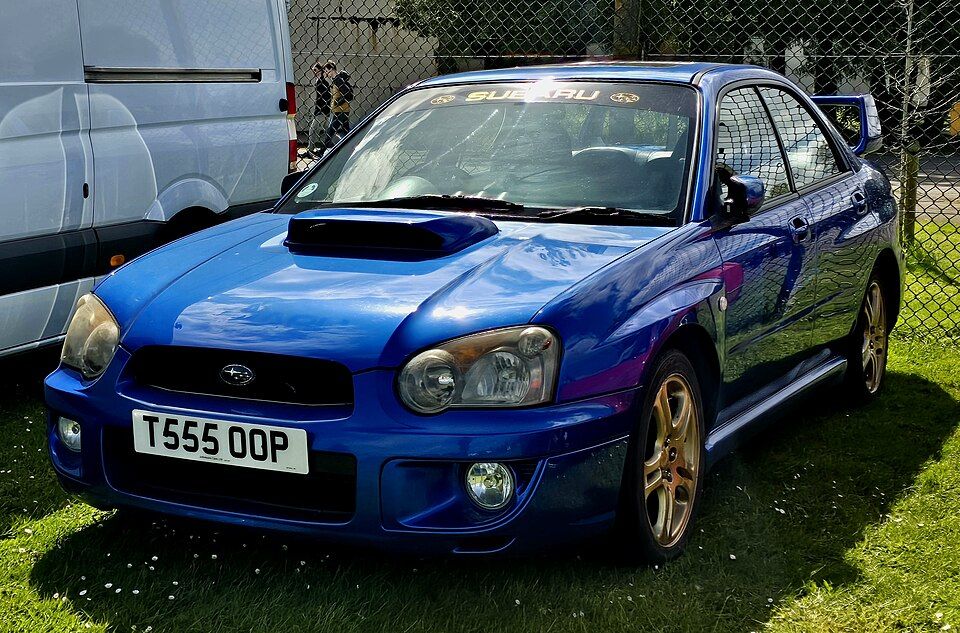
Photo: 2004 Subaru Impreza WRX Turbo by Calreyn88, CC BY-SA 4.0, via Wikimedia Commons.
Rallying is brilliant because it feels closer to normal driving than circuit racing, even though the speed is anything but normal. A race track is smooth, tidy, and fenced off. Rally roads can look like somewhere your sat nav sent you by mistake near Buxton, only with trees inches away and a co-driver reading notes at high speed. That made the Impreza WRX feel believable. Yes, the rally cars were special machines, but they looked close enough to the road car for people to make the link. Four doors. A boot. A shape you could spot outside a chippy or parked near Stockport station.
Then, on telly, that same basic shape was sliding through Welsh forests with gravel spraying behind it. That’s a powerful image, even if we’re avoiding the fancy talk. The clever bit was simple to explain. The engine sat low, helping the car feel planted. All four wheels helped pull it along, which is handy on loose stuff like mud and gravel. The turbo gave it shove when the driver pressed the throttle. The official World Rally Championship history says the Impreza WRX helped define the mid-1990s era, mixing a turbocharged flat-four engine with all-wheel drive and tough Group A roots. It also points to the famous blue-and-gold colours, which became part of the car’s identity. You didn’t need to be a car nerd to get it. The Impreza looked angry, sounded gruff, and went sideways with purpose. It had theatre. It had grit. And it had results to back up the noise.
The Colin McRae effect
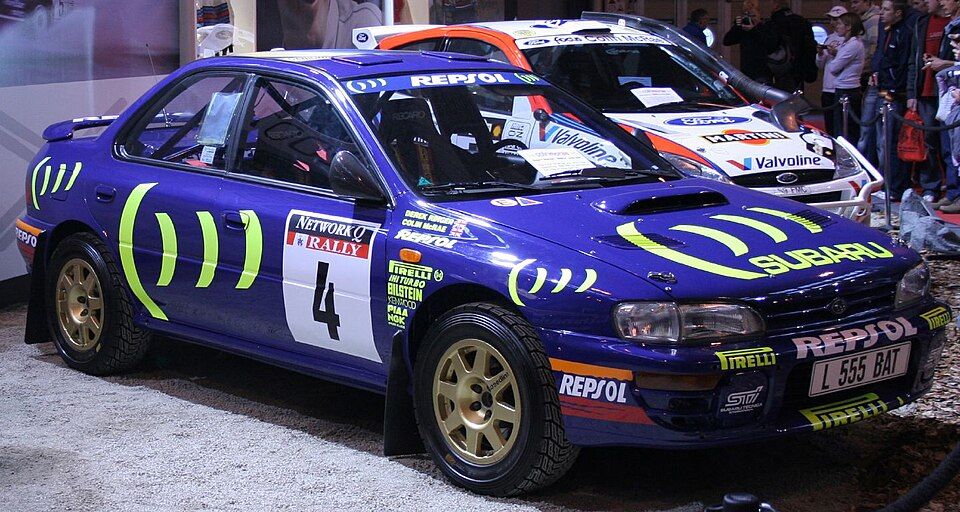
Photo: Colin McRae's Subaru Impreza 555 by Liz Jones from Sheffield, UK, modified by user:tmaull, CC BY 2.0, via Wikimedia Commons.
You can’t talk about the Impreza WRX becoming a rally hero without talking about Colin McRae. He drove like he’d rather find the limit by crossing it than creep up to it politely. That made him exciting. It also made him easy to love. He wasn’t smooth in a quiet, invisible way. He was fast, brave, and sometimes a bit wild, which is exactly the kind of driving that sticks in your head. In 1995, McRae became the first British driver to win the World Rally Championship, and he did it in a Subaru Impreza 555. Goodwood’s write-up of the 30th anniversary of that title says the title-winning Impreza 555 took him to two rally wins and three podium finishes that season, with his fight against team-mate Carlos Sainz giving the year a proper edge.
That matters because heroes need stories, not just stats. McRae gave the Impreza a human face. He made the car feel fearless. For a lot of people in the United Kingdom, especially anyone who grew up with rally highlights on television, the blue Subaru and McRae became tied together like Manchester and rain. You didn’t need to know spring rates or gear ratios. You just knew this: if McRae was in that car, something exciting might happen in the next five seconds. That’s why the Impreza’s fame didn’t stay trapped in motorsport magazines. It moved into pubs, playgrounds, garages, petrol stations, and weekend car meets. It became a car people talked about. And once a car gets into everyday stories, it’s very hard to shift.
The 1995 RAC Rally turned fame into folklore
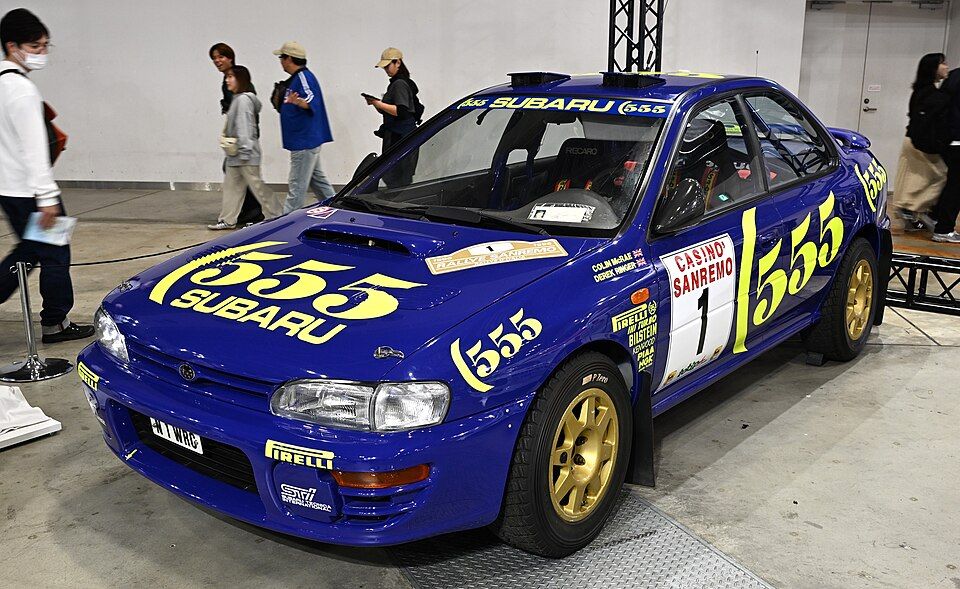
Photo: Subaru Impreza 555 of Colin McRae 1996 Rallye Sanremo by TTTNIS, CC0, via Wikimedia Commons.
The 1995 title wasn’t sealed in some quiet office with calculators and polite applause. It came at the Network Q RAC Rally, the British finale, with huge crowds, mud, pressure, and a proper head-to-head fight. Motorsport UK says McRae, co-driver Derek Ringer, and the Prodrive team celebrated at Chester Racecourse after victory secured the championship, with McRae becoming the youngest world champion at the time, aged 27 years and 109 days. The same source says Subaru team-mates McRae and Sainz started that rally tied at the top of the standings, before McRae fought back from a puncture to win by 36 seconds and take the title by five points.
That’s the kind of ending sports fans dream about. Imagine City and United level on points on the last day, the weather is awful, the crowd is losing its head, and someone scores late. That’s the mood. Rally fans got that, but with forests, headlights, and mud. For Subaru, it was huge. The Impreza wasn’t just a quick car any more. It was the car that carried a British driver to the top of a global sport. And because the car looked so close to something you might actually see on the road, the win landed with everyday drivers too. The Impreza had gone from interesting new machine to proper legend. Not overnight, mind. But in that 1995 season, and especially on that final rally, the story clicked. The badge, the colour, the noise, the driver, the drama. All of it came together.
Three maker titles made it more than a lucky moment
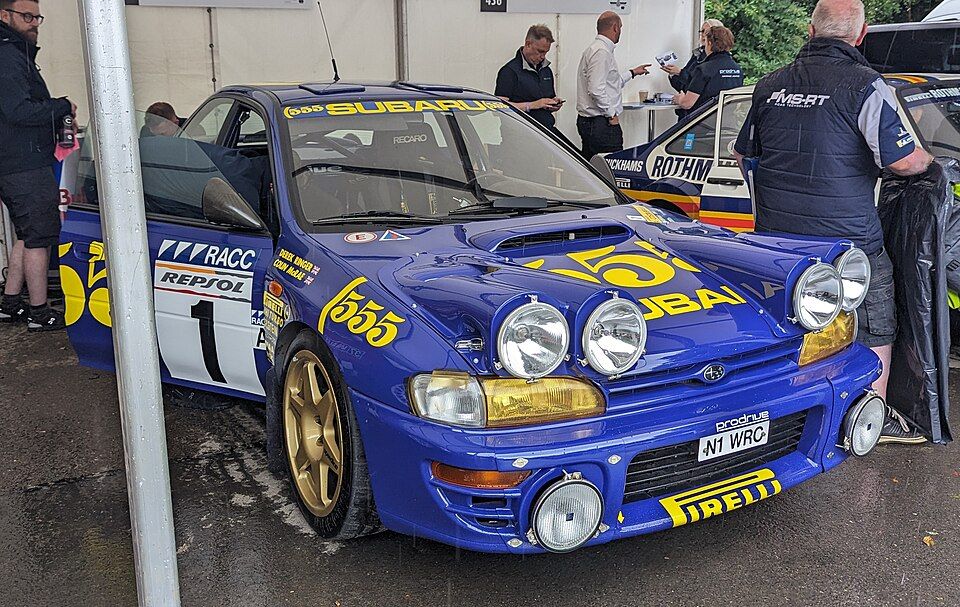
Photo: 1996 Subaru Impreza WRC by Calreyn88, CC BY-SA 4.0, via Wikimedia Commons.
One great season can make people excited. Three strong seasons make people believe. Subaru took the World Rally Championship manufacturers’ title three years in a row, from 1995 to 1997, with the Impreza at the centre of that run. The official World Rally Championship page lists those three maker titles and also talks about the car’s mix of turbo engine, all-wheel drive, balance, and grip. That’s important because rallying is brutal. A car has to deal with gravel, tarmac, snow, dust, jumps, puddles, rocks, heat, cold, and drivers asking far too much of it. A car can’t just be fast for one neat lap. It has to survive punishment, then do it again the next day. That’s part of why the Impreza earned respect.
It had a simple charm, but behind that charm was a serious bit of kit. Prodrive, the British firm that ran Subaru’s rally programme, played a massive role in turning the Impreza into a winner. Hagerty’s write-up on the Prodrive P25 looks back at how the 1997 two-door Impreza rally car replaced Subaru’s earlier Group A machines, which had already taken the 1995 and 1996 maker titles and helped McRae and Ringer take the 1995 driver and co-driver crowns. The rules changed in 1997, and the cars got wider, meaner, and more dramatic. The Impreza kept its place at the sharp end. That’s why fans didn’t see it as a one-season wonder. They saw a car that could take a punch, change with the times, and still look ready for a fight outside the local Tesco.
The road car had the right sort of magic
The road-going Impreza WRX mattered because it made the rally dream feel reachable. No, the car you could buy wasn’t the same as McRae’s works rally car. Let’s face it, your commute along the M60 doesn’t need a co-driver shouting pace notes from the passenger seat. Still, the basic idea was there. A compact body, a turbo engine, grip from all four wheels, and a practical shape. That combination was rare and exciting in the 1990s. Many quick cars were flashy coupes, big saloons, or expensive sports cars. The WRX was different. It looked like a family saloon that had been drinking strong coffee. You could use it for the school run, then take it down a twisty B-road and grin like you’d got away with something.
The World Rally Championship page says Subaru’s rally success sparked global demand for road-going WRX and higher-performance versions, helping build the brand’s name in fast road cars. That makes sense. People saw the rally car winning, then wanted a slice of that feeling for normal roads. Around Manchester and Stockport, that sort of thing lands well. We like cars that feel useful, not precious. A car has to handle rain, traffic, speed bumps, supermarket car parks, and the odd run into the hills. The WRX had that mix of everyday and daft. Sensible doors. Silly noise. Proper grip. Enough room for mates. Enough attitude to make you look back after parking it. That’s a rare recipe, and Subaru nailed it at just the right time.
The sound, the look, and the Playstation factor
Some cars win races but never win hearts. The Impreza WRX did both because it had character you could spot from across a car park. The bonnet scoop looked like it meant business. The gold wheels, on the famous blue cars, were loud without trying too hard. The rear wing gave it that cheeky “yes, I know” attitude. And then there was the sound. That flat-four burble didn’t sound smooth and polished. It sounded lumpy, busy, and alive. A bit like a drummer warming up behind a closed door. You know how it is: plenty of cars are quick, but they don’t all make kids turn around.
The Impreza did. It also landed at the perfect moment for a whole generation of fans. Rally was on television. Car magazines were full of Japanese performance cars. Video games put rally stages in living rooms. Suddenly, a 12-year-old could slide a blue Subaru through a digital forest, crash into a tree, press restart, and try again. Adults got hooked too, of course. That’s why the car became bigger than its spec sheet. The 22B version, released in 1998, made the link between road car and rally icon even stronger. Subaru’s heritage timeline records the Impreza 22B-STi Version arriving in March 1998, while Hagerty describes the 22B as a very desirable tribute to McRae’s weekend rally machine rather than a car built because rules forced Subaru to make it. In simple words, Subaru knew people loved the rally look, so it gave them a road car that wore that love proudly.
Why it still matters to used car buyers
A car becomes a hero when people still care long after the trophies have been handed out. That’s the Subaru Impreza WRX all over. It isn’t just remembered because it was fast. It’s remembered because it felt honest, noisy, useful, and a little bit naughty. It gave normal drivers a taste of rally theatre without asking them to give up rear seats, a boot, or the ability to handle a rainy Tuesday. That’s why clean, well-kept examples still get attention. Buyers know the name. They know the shape. They know the sound. And many have some personal link to it, even if that link is just watching McRae clips, playing rally games after school, or seeing one blast past near the Pyramid in Stockport years ago. Of course, buying one today needs a calm head. These cars are loved, but some have lived hard lives. You’d want to check service history, signs of poor tuning, rust, accident repairs, and how carefully previous owners treated it. That’s not scare talk. It’s just common sense with any older performance car. Dace Motor Company deals with used cars every day across Stockport and Manchester, and one thing always stays true: the story is exciting, but the condition matters. A legend still has tyres, brakes, oil, bushes, and paperwork. Get those bits right, and the Impreza WRX makes sense as a car with history you can feel. Not locked away. Not just sitting in a museum. A car you can hear, drive, care for, and smile about. That’s why it became a rally hero, and why people still go a bit soft when one burbles past in blue. Company details supplied in the brief.