


Why the Porsche 911 Kept the Same Basic Shape for Decades
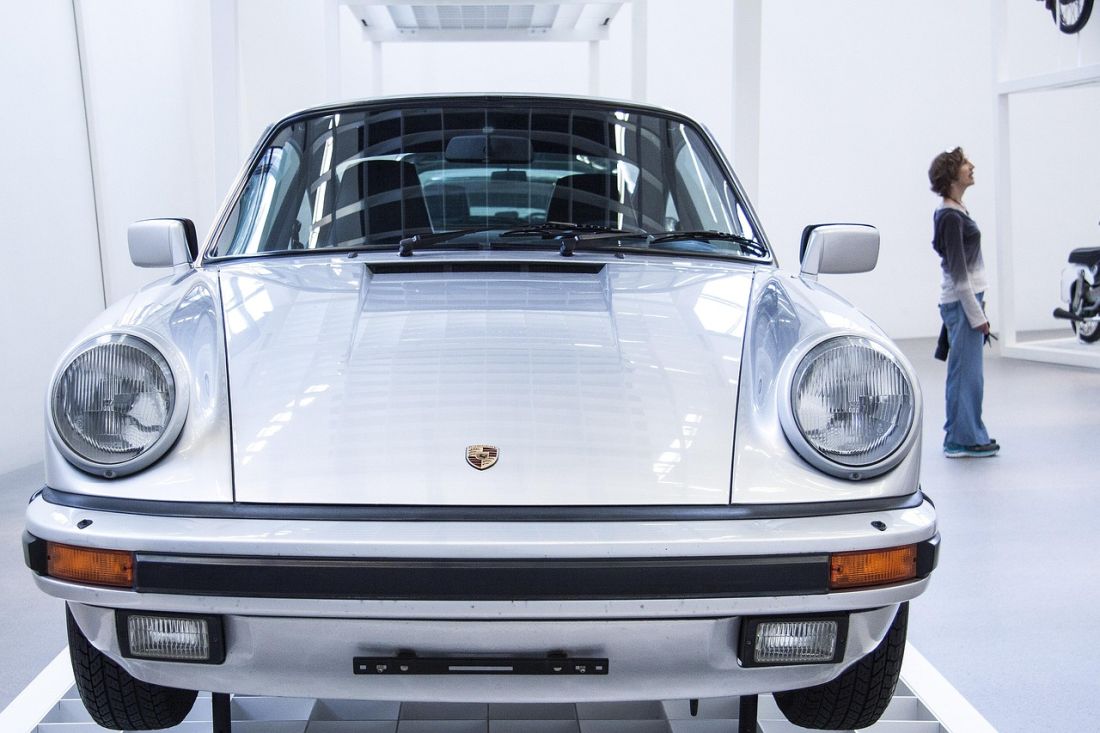
There are cars that change so much from one version to the next that you need to squint at the badge to work out what they are. Then there’s the Porsche 911. You can spot one from a fair distance away, whether it’s rolling past the shops in Stockport, parked up near Deansgate, or gliding along a wet road on a grey Manchester morning. And that’s the big clue here. The 911 kept the same basic shape for decades because Porsche got the main idea right very early on. The car first appeared in 1963, started production in 1964, and from the start it had the roofline, the short nose, the curvy wings, the little rear seats, and the engine sitting at the back. That mix gave it a look that felt sporty, usable, and a bit different from everything else on the road. It didn’t look like a passing trend. It looked settled, like a shape that already knew what it wanted to be. That matters. Car companies love to freshen things up, but if buyers already connect a shape with speed, quality, and that special feeling people talk about when they talk about a 911, changing it too much would be like changing the tune to a song everyone already knows by heart. So Porsche kept polishing the same idea instead of throwing it in the bin every few years. Bigger changes came, sure. New engines, safer bodies, smarter tech, different lights. But the basic outline stayed put because it worked from day one, and because once people fell for that silhouette, there was no good reason to walk away from it.
The engine location kept the outline honest
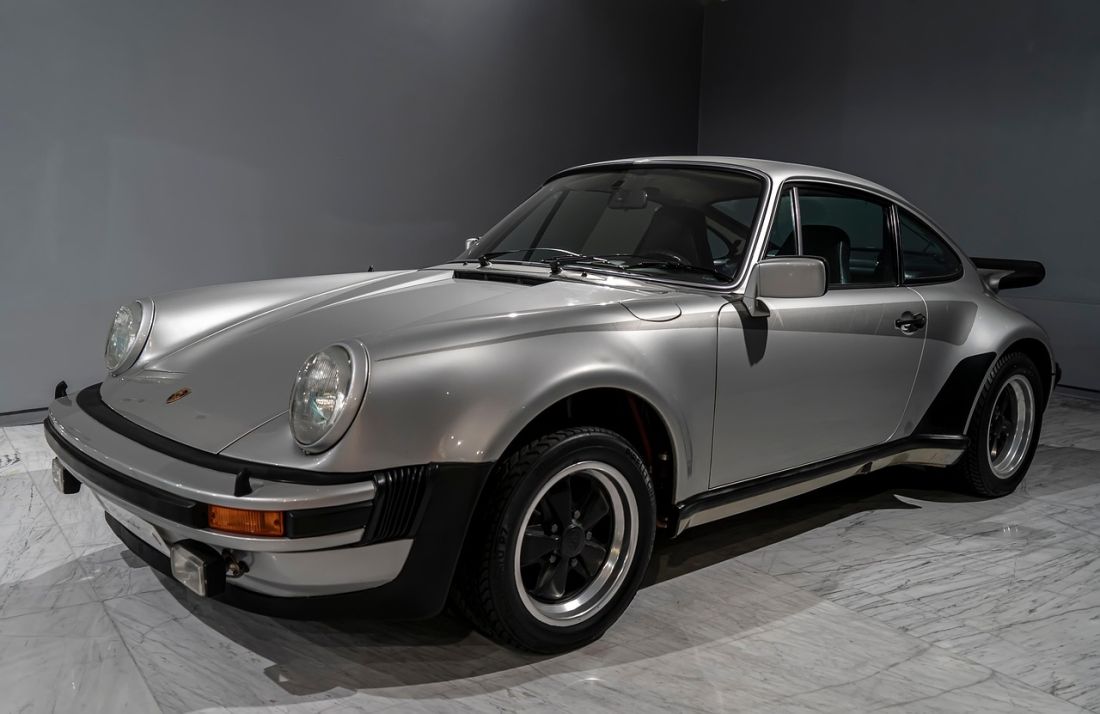
A huge reason the 911 kept its shape is simple, and a bit weird if you’re new to this stuff. The engine sits in the rear. That’s not a tiny detail. That’s the whole plot. Porsche itself says the layout of the car is closely linked to the shape, and you can see why the second you look at one. The front doesn’t need to house a big engine, so it can stay low and clean. The front wings sit higher than the bonnet, which gives the driver that famous view over the arches. The roof then slopes back in one smooth line, and the rear has to carry the visual weight of the car because the heavy mechanical bits are there. That’s why the 911 has that unmistakable lean-forward, squat-back look. It isn’t styling for styling’s sake.
It comes from where the parts live. Porsche’s design boss Michael Mauer has said that whenever they try a different silhouette, they end up back at the original roofline. That says a lot. It means the shape isn’t just tradition for the sake of tradition. It’s the body naturally wrapping around the layout. You can call that stubborn if you want, but it’s really closer to common sense. If the engine position stays the same, the best shape for that package will keep coming back. And because the 911 kept that rear-engine setup across generation after generation, it kept the same visual backbone too. That’s why even a newer 911, with wider arches and bigger wheels, still nods to the first one. The details may move around a bit, but the bones stay familiar. Bit like seeing the same face from childhood to adulthood. Taller, sharper, maybe a bit broader. Still the same person.
People wanted to know it was a 911 at one glance
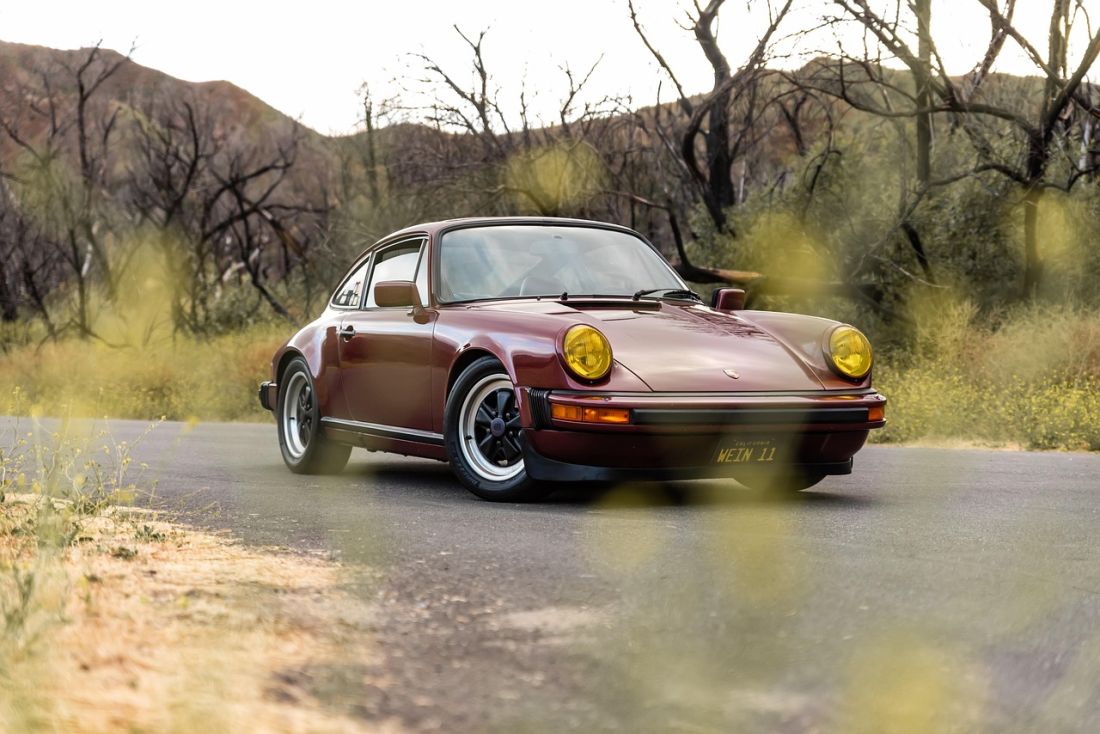
There’s also a human reason behind all this, and let’s be honest, it may be the biggest one. People like recognising things straight away. The 911 became one of those rare cars that could be picked out in half a second. You didn’t need to read the back of it. You just knew. Porsche understood that very early, and its designers have spoken about making each new car clearly look like a 911 while still making it clear that it’s the new one. That balancing act became the whole job. Keep the family face. Freshen the details. Don’t ruin the magic. And that’s harder than it sounds. If you change too little, people say the company got lazy. If you change too much, people say you’ve lost the plot.
Porsche spent decades walking that narrow line. The sloping roof, the side window shape, the raised front wings, and that flowing line into the rear all became visual markers that told your brain, “That’s a 911,” before you had time to think about it. That kind of instant recognition is gold. It builds trust. It helps resale. It keeps older models from looking silly when a new one comes along. And it gives owners the feeling that their car belongs to a long story instead of a short fashion cycle. You can see why Porsche protected that look so carefully. For a lot of buyers, the shape is the point. Speed matters, of course. Quality matters. But the outline is the handshake. It’s the first thing people fall for. It’s why a child might sketch something close to a 911 shape without even trying. Curved roof, squat body, round lamps, done. A car like that doesn’t need reinvention every few years. It needs respect, patience, and small smart changes. Porsche knew that, so the 911 kept looking like itself.
Porsche changed the details, not the whole idea
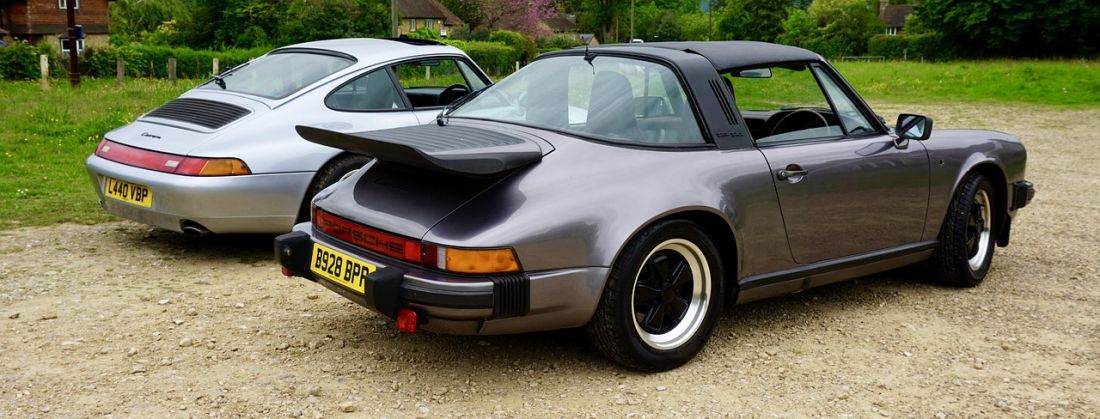
If you line up all eight generations, you can see the trick Porsche kept pulling off. The original car became the G series in the 1970s, then came the 964, the 993, the 996, the 997, the 991 and the 992. That sounds like a lot of change, and in one way it is. The bumpers got chunkier and then smoother. Safety rules pushed things around. The body got bigger. Wheels filled the arches more. Lights changed shape. The 996 in the late 1990s marked a really big shift because it moved from air cooling to water cooling and looked like a clear break from the older car. Even Porsche describes that one as a turning point, both technically and visually. But here’s the clever bit.
Even with those jumps, the company kept returning to the same central idea. The 964 looked much more modern than the G series, yet Porsche’s own design story points out that the doors and bonnet were still amazingly close in feel. The 993 changed a huge amount of metal even while keeping the spirit of the car intact. The 997 then cleaned things up and leaned back into a more classic look. The 991 stretched the wheelbase and moved the game on again. The 992 looked back to older Turbos for inspiration while still feeling current. So yes, the 911 changed a lot. It just changed in a controlled way. Think of it like renovating a great old house. New wiring. Better heating. Stronger windows. Maybe an extension at the back. But you don’t flatten the front wall and replace it with a glass cube if the whole charm of the place lives in that face. Porsche seemed to get that better than almost anyone. Change what you need. Save what gives the car its soul. That’s why the 911 could move through different decades without losing itself.
Racing and real roads kept proving the shape worked
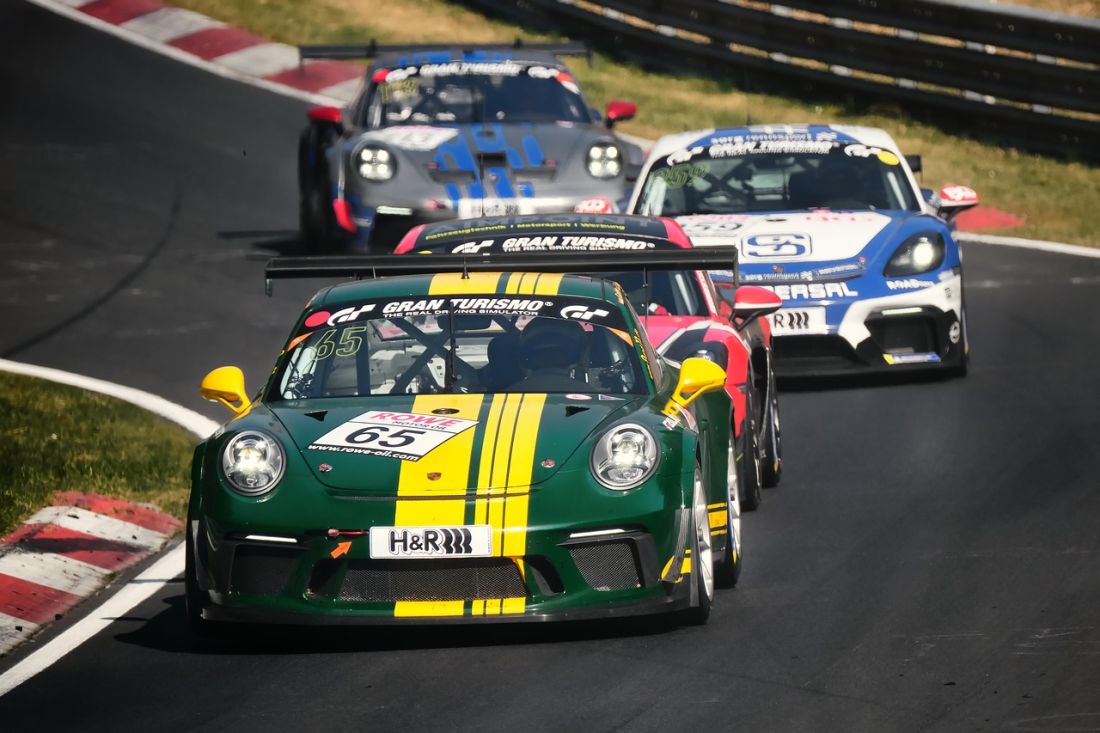
There’s another reason Porsche didn’t feel pressure to redraw the 911 from scratch. The thing kept proving itself. On the road, it offered something unusual for a fast car, real day-to-day use. Early on, Porsche pitched it as a sports car with room for small rear seats, a luggage compartment, and proper reliability. Later versions kept adding comfort, safety, and easier manners without giving up the basic concept. That matters because if a shape works in real life, companies are less likely to panic and replace it. And then there’s motorsport. The 911 started showing up in rallies very soon after launch, took strong results in Monte Carlo, picked up wins there, and built a serious record in racing too.
Porsche also points to big moments like the Carrera RSR 2.8 winning at Daytona in 1973, while the 911 Carrera RS 2.7 brought in the famous ducktail rear spoiler, which wasn’t there for show. It was there because the car needed more stability at speed. That’s the lovely thing about the 911 story. So much of its shape stayed because function kept backing it up. The roofline wasn’t just pretty. The rear engine wasn’t just unusual. The spoilers, arches, and proportions came from lessons learned under pressure, on roads and circuits, in weather, at speed, over time. When a design keeps doing the job, year after year, with drivers, racers, and buyers all saying, “Yes, that still works,” you don’t rush to reinvent it because somebody in a boardroom wants a fresh sketch for the brochure. You tweak. You test. You keep going. The 911 earned the right to stay familiar because it kept delivering, and because every win, every mile, and every new version gave Porsche one more reason to trust the same basic shape again.
Buyers like progress, but they hate losing the magic
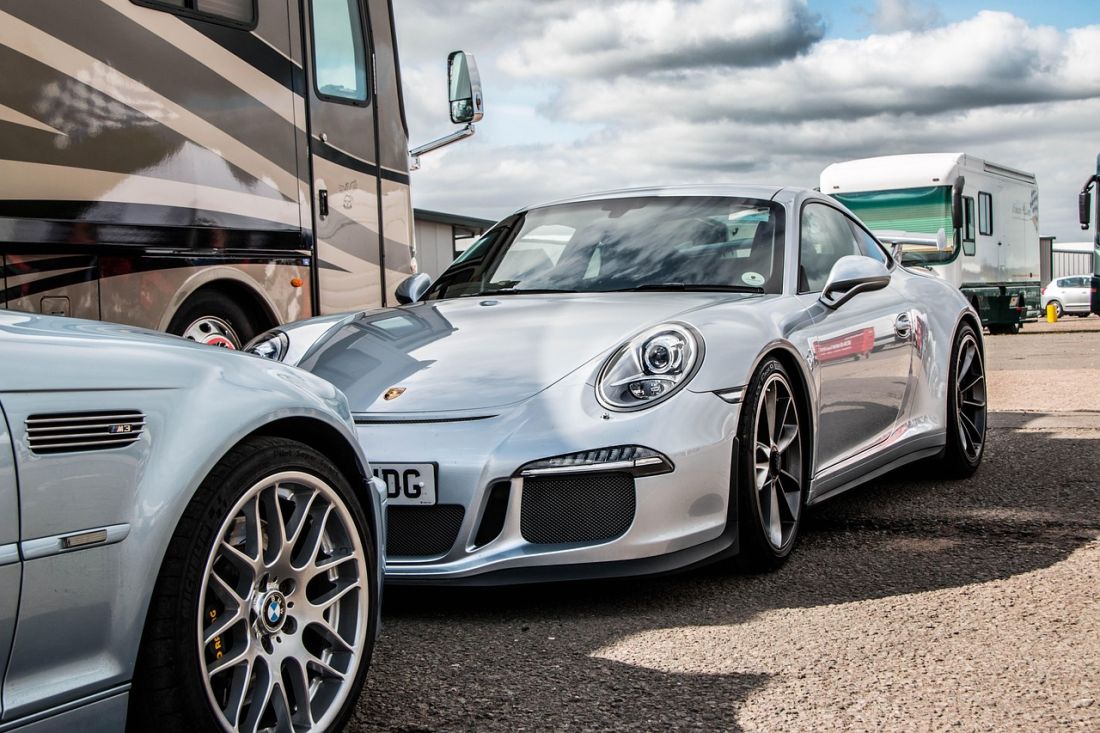
Car buyers say they want something new, and they do, up to a point. But what they really want is a better version of the thing they already love. That’s a very different ask. The 911 survived because Porsche understood that people weren’t asking for a stranger wearing the same badge. They wanted the same character with fewer flaws. Better brakes. Better safety. Better performance. Better comfort. A bit more room. Cleaner lines here, sharper details there. But still a 911. That’s why some of the most interesting moments in the car’s history are the ones where Porsche made big mechanical or safety changes while keeping the visual thread alive. The 964 brought in major updates and still felt deeply familiar. The 993 reworked nearly every body panel apart from the doors and still looked right.
The 996 pushed furthest away and got a mixed reaction for years, which tells you a lot about how protective people are of this shape. Then the 997 swung some of that feeling back with a cleaner, more classic look. Porsche learned, adjusted, and carried on. The market rewarded that patience. In 2017, the one millionth 911 rolled off the line in Zuffenhausen, and Porsche later said that by May 2023 the total made had risen to around 1.2 million. You don’t hit numbers like that with a car people are bored of. You get there by building something that feels timeless enough to keep its fans while still moving forward. That’s why the 911’s long-running shape is also a lesson in restraint. Restraint sounds dull, I know. But in car design it can be brave. It means saying no to flashy ideas that would age badly. It means trusting the original idea enough to keep refining it instead of tearing it up. And that, to be honest, is a lot harder than chasing trends.
Why this still matters when you see one in Manchester or Stockport
From our side at Dace Motor Company, this is one of the best things about the 911 story. It shows that a car doesn’t need a total makeover every few years to stay exciting. It needs a clear identity. And the 911 has that in spades. You can see an older one and a newer one on the same day and still spot the family link right away. That’s rare. It also changes how people feel about older cars. A 911 from years ago doesn’t suddenly look useless just because a fresh model turned up. The newer car usually looks like the next chapter, not a replacement that wipes out everything before it. That creates a lovely kind of respect across generations. It’s part of why the 911 has such a loyal following, and part of why people who don’t even know every technical detail still get the appeal. The shape tells the story before the spec sheet does. And around places like Stockport and Manchester, where people tend to have a good eye for value and a low tolerance for nonsense, that sort of honesty matters. The 911 looks like what it is. Focused, compact, serious, but still classy enough to park outside a restaurant without looking daft. That same basic shape stayed with us for decades because it kept making sense. It made sense for the layout. It made sense for the way people recognised the car. It made sense for racing, for daily use, and for the way owners wanted progress without losing the soul of the thing. So the real answer is pretty simple. Porsche didn’t keep the 911’s shape the same because it ran out of ideas. It kept the shape because the idea was strong enough to keep rewarding careful evolution, year after year, decade after decade. Sometimes the smartest move in car design is knowing what not to mess with.