


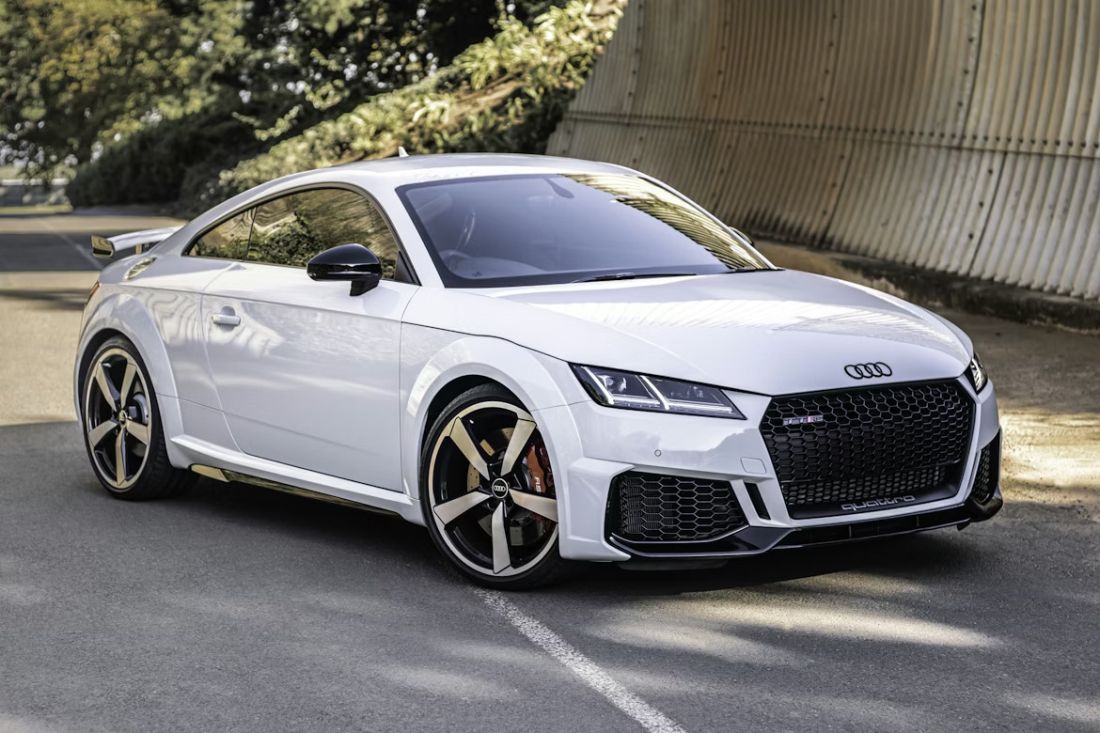
Why the Audi TT Became One of the Most Recognisable Sports Cars of the 2000s
There are cars people like, cars people buy, and then there are cars people remember years later without even trying. The Audi TT landed in that last group. That’s a big reason it became such a familiar sight in the 2000s. Back in September 1995, Audi rolled out the TT concept at the Frankfurt motor show, and people reacted in the best way possible: they wanted the road car to look just like that show car. That almost never happens. Concept cars are usually a bit cheeky, a bit unrealistic, and then the version you can actually buy turns up wearing the safe shoes. The TT didn’t do that. Audi made the call in December 1995 to put it into production, and when the first Coupé arrived in 1998, with the Roadster following in 1999, the whole thing still looked fresh, clean, and brave. Freeman Thomas created the original idea under Audi design boss Peter Schreyer, and Torsten Wenzel helped carry the shape from show stand to showroom with very little of the magic lost on the way. That’s huge. It meant the car people had stared at in magazines and on posters was almost the same one they later saw outside schools, offices, retail parks, and city-centre cafés. You know how it is: once a shape sticks in your head, it stays there. And the TT’s shape really stuck. It was low, rounded, and tidy in a way that looked special without looking silly. Even people who didn’t care much about cars could point at one and say, “That’s a TT.” That sort of instant recognition doesn’t come from luck. It comes from a strong idea, and from a company being brave enough to keep that idea alive all the way to the forecourt. From our side at Dace Motor Company, that’s still one of the smartest things Audi ever did with this car.
The shape was simple, and that made it easy to remember
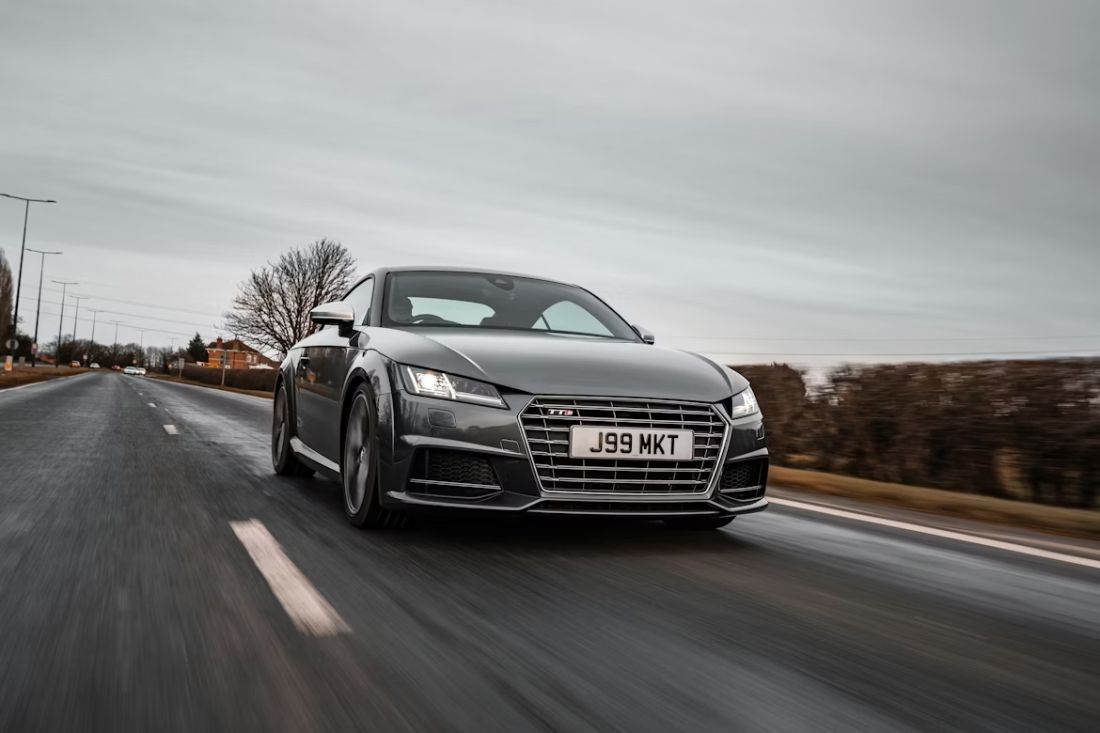
A lot of sports cars get noticed because they’re loud. Big wings, sharp edges, vents everywhere, loads of fuss. The TT went the other way. That’s what made it so clever. Its look was built around simple shapes, especially circles and smooth curves, and Audi has said straight out that the design took inspiration from Bauhaus thinking, which is really just a neat way of saying every line should have a reason. Nothing was there for show alone. The roof was a clean arc. The wheel arches were strong and rounded. The front looked neat and tight, without loads of extra clutter hanging off it. Inside, the same idea kept going. Round air vents. Round details around the controls. A metal fuel cap that became one of the TT’s calling cards. Even years later, those little touches are what many people picture first. And that’s the trick, really.
The TT was almost like a symbol as much as a car. A kid could sketch the outline in a school notebook. An adult could spot one from the far end of a car park. It had the sort of shape your brain grabs onto because it isn’t trying too hard. Let’s face it, that matters. The 2000s were full of cars that looked busy and a bit overdone once fashions changed. The TT escaped that because its design was built on very basic forms that age well. Even now, parked on a street in Manchester with the drizzle starting up, or tucked into a space near Stockport town centre, it still looks like itself. It doesn’t need explaining. It doesn’t need an owner standing next to it telling you why it matters. The shape does the job. That’s a massive part of why it became one of the most recognisable sports cars of its time. It was simple enough to remember, but special enough that you wanted to.
It felt fancy without being showy, and that hit a sweet spot
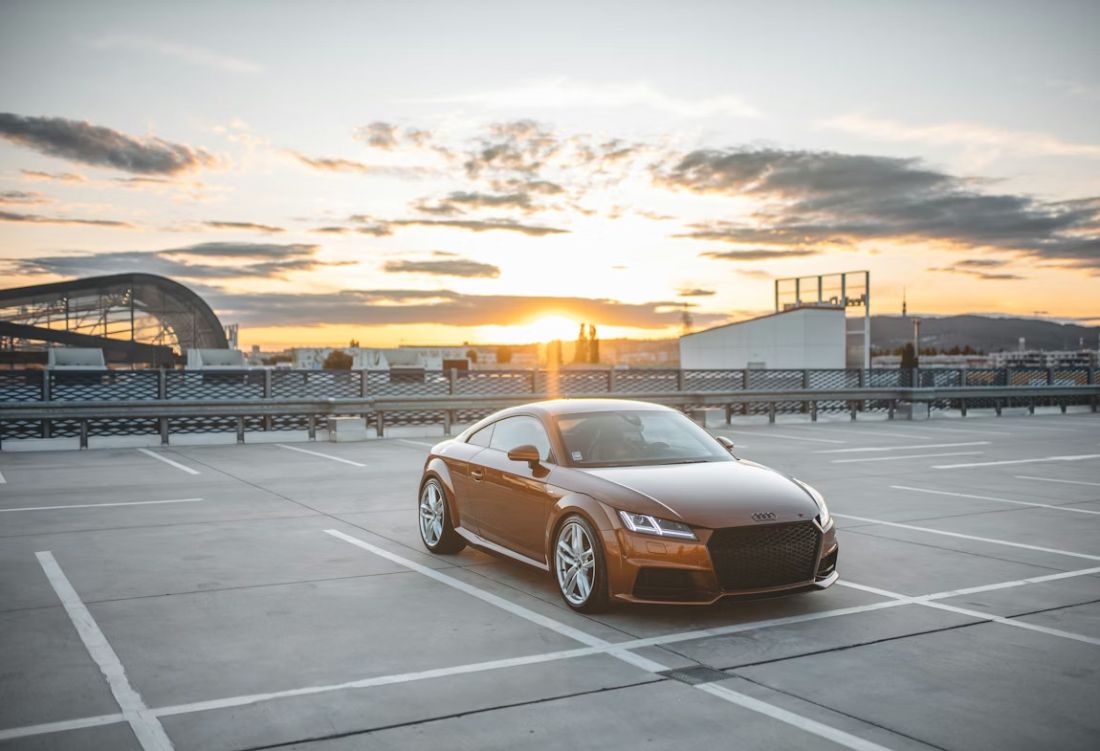
Another reason the TT caught on so hard is that it managed to feel premium and exciting without acting like it was above everyone else. Some sports cars can give off that “look at me” mood. The TT had style, but it wasn’t chest-beating about it. Underneath, the first car shared core bits with more everyday models from the wider Volkswagen group, including the Audi A3 and Volkswagen Golf of that time. That helped Audi build it in a way that made sense, kept it usable, and made the whole project real instead of leaving it as some dream on a rotating stage. But Audi wrapped those shared bones in a body and cabin that felt special. Motor1’s look back at the car describes how many of the concept car’s interior details made it into production, and that matters because the cabin was a huge part of the TT story.
Twist the vents. Look at the metal trim. Sit in it and you could tell someone had actually cared. Audi even carried the “baseball glove” seat look from the show car into the Roadster, which is one of those tiny details people still talk about because it gave the car real character. And character is what buyers remember. The TT didn’t need to be the fastest thing in the lane to win people over. It just had to feel like something a bit more polished than the usual stuff, while still being compact, usable, and easy to imagine in daily life. That mix was spot on for the 2000s. You could drive one to work, clean it on a Sunday, park it outside your mate’s house, and it still felt like a treat every time you looked back at it. We’ve all seen cars that try way too hard to look rich or sporty and end up feeling a bit embarrassing. The TT avoided that trap. It looked confident. Calm. Properly finished. That made it appealing to younger drivers, older drivers, and plenty of people in between who just wanted something that felt a cut above without shouting about it.
The timing was spot on for what people wanted in the 2000s
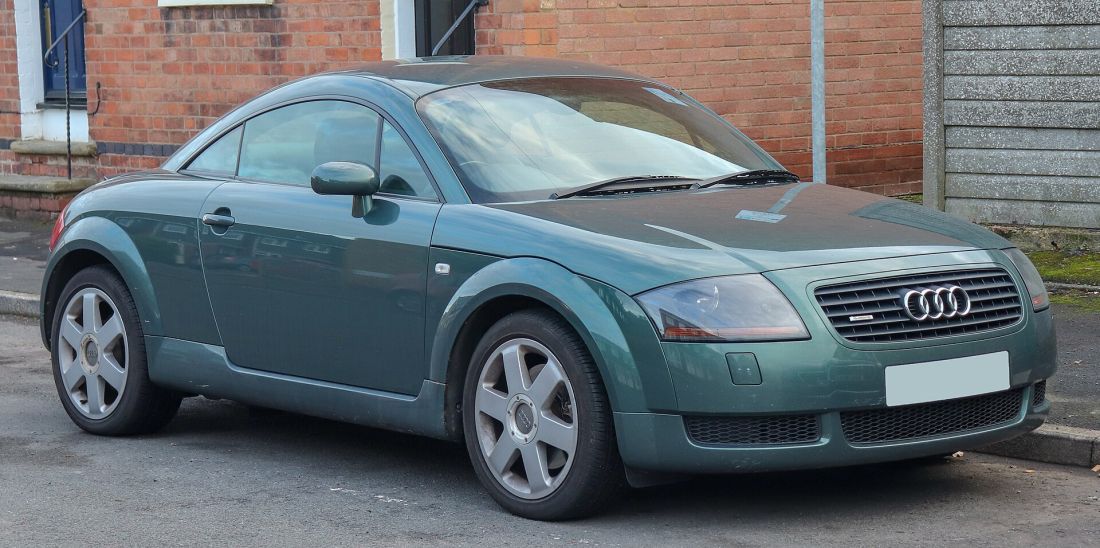
Photo: 2000 Audi TT Quattro 1.8 Front Taken in Warwick by Vauxford, CC BY-SA 4.0, via Wikimedia Commons
Cars don’t become icons on shape alone. Timing matters. The TT arrived right as people were warming to clean, rounded, modern design. Think about the late 1990s rolling into the early 2000s. Tech was starting to look smoother and less boxy. Homes, furniture, trainers, watches, even everyday gadgets were leaning into softer lines and cleaner surfaces. The TT fitted that mood perfectly. It looked modern, but it wasn’t cold. It looked sporty, but it wasn’t trying to be a racing car for the road. It sat right in that sweet spot where style met everyday life. Audi itself was changing too. In the mid-1990s the brand was pushing into a more premium space, and the TT helped give that new image some heart. Audi’s own history pieces say the brand was working on a fresher, more progressive design direction at the time, and the TT became one of the clearest symbols of that shift.
In 1999, “Auto Europe” voted it the best new car of the year, which tells you this wasn’t just a niche favourite for design nerds. People across the industry could see it had landed. And because it arrived before social media turned every new car into a two-day trend, the TT had time to seep into daily life properly. It appeared in magazines, on driveways, in traffic, outside restaurants, and in the sort of places where people quietly build their opinions about what looks cool. That’s how recognisable cars are made. They become part of the scenery. Around Greater Manchester, for example, the TT never looked out of place. It suited a run through Didsbury, a trip past Deansgate, or a dry Sunday drive out toward the Peak District. Small enough for real roads, stylish enough to feel like an event, and familiar enough that people noticed it without thinking it was trying too hard. The 2000s gave the TT the perfect stage, and the TT made the most of it.
You saw enough of them for the shape to burn into your memory
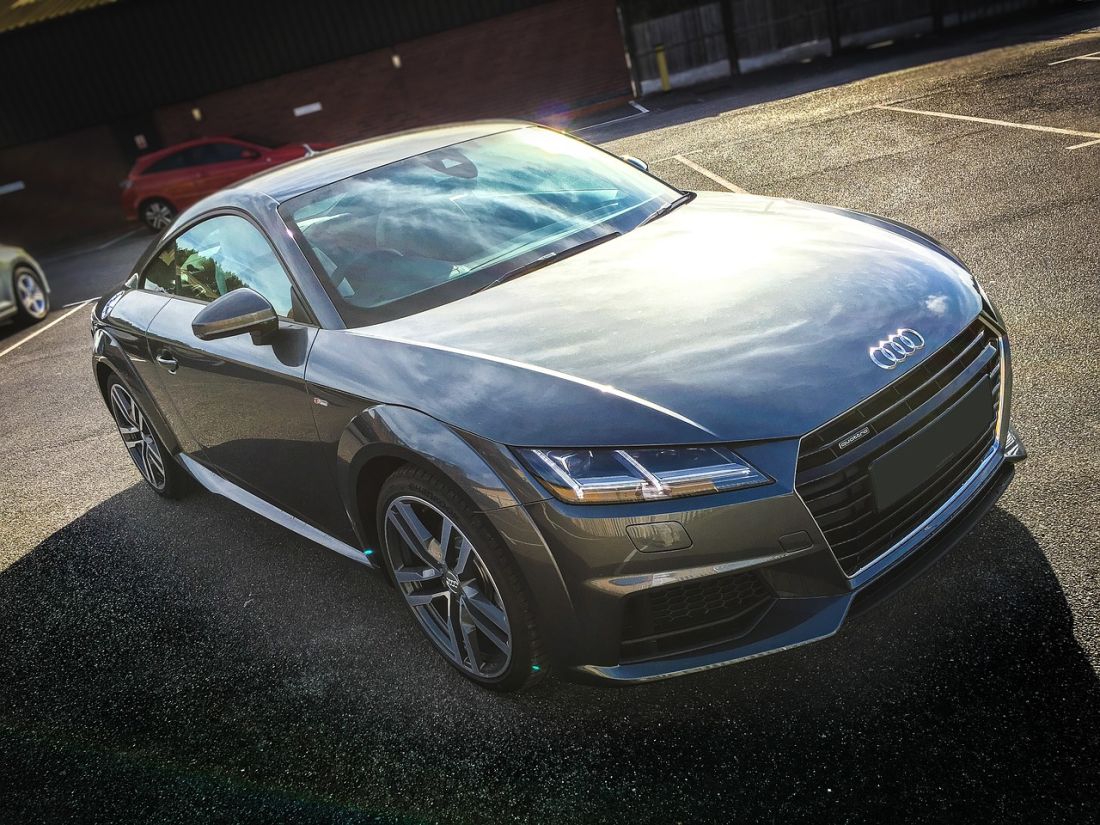
Recognition doesn’t come from rarity alone. In fact, being too rare can get in the way. For a car to become truly familiar, people need to actually see it in the real world. That’s where the Audi TT had another big edge. It was special, but it wasn’t impossible to find. Audi says 178,765 first-generation TT Coupés were built by mid-2006, and 90,733 first-generation Roadsters were built between 1999 and 2006. That’s a lot of cars. Enough for the TT to feel aspirational and still be a real part of street life. You’d spot silver ones, black ones, bright ones, and the occasional bold colour that made the shape pop even harder. You’d see the Coupé with its rounded roofline or the Roadster with the top down, and either way the car still looked unmistakably like a TT. That consistency matters. It helped the car plant the same picture in people’s minds again and again. And because the design stayed so close to the original idea, every sighting reinforced the same message. This wasn’t one of those cars where the hatchback looked one way, the convertible looked another, and the later facelift looked like a completely different model. The TT kept a clear identity. It also helped that it was small enough to fit normal British life. Tight streets, crowded car parks, busy town centres, grim weather half the year, no problem. It didn’t feel like some exotic thing that only made sense under palm trees. It felt usable here. So while a truly rare sports car might turn heads for a second, the TT did something stronger. It became familiar. Familiar in a good way. Like seeing the same football shirt every weekend and knowing straight away who it belongs to. By the time the 2000s were in full swing, the TT wasn’t just admired. It was known. And being known, really known, is a huge part of becoming one of the most recognisable sports cars of an era
Audi dealt with the early wobble, and the TT kept its place
No car becomes a long-running icon without getting through a few rough patches, and the first TT had one. Early versions gained unwanted attention because of high-speed stability concerns, mainly on very fast roads in Germany. Audi responded by changing the setup and fitting a small rear spoiler, along with suspension and stability-control updates. That spoiler became one of the most talked-about little add-ons in modern car history, because it showed how fine the line can be between a pure design idea and the reality of how a car behaves at speed. Still, here’s the important bit: Audi acted, fixed the issue, and the TT moved on. That matters more than people think. If Audi had dug its heels in, or if the car had vanished after a short run, the TT might have ended up as a stylish curiosity. Instead, it stayed alive and grew into a three-generation nameplate. That gave it staying strength. People who bought later cars weren’t buying into a failed experiment. They were buying into a shape and a badge that had survived the awkward chapter and come out the other side. To be honest, that probably helped the TT’s legend in a funny sort of way. It made the car feel real. Not perfect, not mythical, just real. A bold design that had to learn, then carry on. And carry on it did. Audi kept the key look, kept building the TT for years, and kept adding new versions that gave the model more depth. So the story stopped being “that pretty coupe with the issue” and became “that Audi sports car everyone knows.” That’s a huge difference. Car history is full of pretty ideas that flashed up and vanished. The TT didn’t vanish. It stayed in people’s sight, stayed in the used market, stayed in conversations, and stayed in memory. That staying power is a massive reason it’s still such an easy car to pick out today, even if you only catch it for a second at a set of lights.
Audi changed the TT over time, but never lost the thread
This is where a lot of car makers slip up. They create a brilliant first version, then slowly sand away the identity until the third one could be almost anything. Audi did a better job than that with the TT. The second generation arrived in 2006 as a Coupé and in 2007 as a Roadster, and the third came in 2014. Across all of them, the TT kept the rounded theme, the tidy proportions, and the sense that the car had been boiled down to the essentials. Audi’s own history of the model points out that the later generations held onto this “reduction to the essentials” way of thinking, and you can see it. The famous fuel cap stayed. The circular touches stayed. The car matured, sure, but it never forgot its face. That continuity is one of the biggest reasons the TT remained recognisable across more than two decades. Audi also used the TT to introduce new ideas, from adjustable suspension in the second generation to the fully digital instrument display in the third, and that helped keep the car relevant instead of leaving it stuck as a nostalgia piece. Yet even with new features and quicker versions, the line back to the 1998 original stayed visible. That’s hard to do. Plenty of cars have a strong first chapter and then drift off course. The TT kept coming back to its own core shape. Audi built 662,762 TT models across three generations before production ended in 2023, which is a massive number for a compact sports car and proof that this wasn’t some short-lived fad. It had legs. Real legs. By the end, the TT had become one of those rare cars where you could park the first version next to the last one and still see the family link in seconds. That sort of consistency builds recognition in a very deep way. It teaches people what the car is, then keeps reminding them without changing the answer.
Why the TT still makes sense around Manchester and Stockport
And this is the bit that really ties it all together. The TT didn’t become recognisable just because it looked nice in a studio or because car writers gave it a clap when it was new. It became recognisable because it worked in normal life. Here in Manchester and Stockport, that still means something. A sports car has to fit real roads, real weather, real parking spaces, and real budgets. The TT always had that side to it. Compact footprint. Distinctive shape. A cabin that feels a bit special without being daft. It’s the kind of car that can brighten up a school run, make a commute feel less dull, or turn a short trip out through Cheshire into something you actually look forward to. And years later, that same mix is why people still search for them in the used market. If you’re looking at one now, there are some very normal, sensible things worth checking. Make sure the service history stacks up. Look closely at wheel condition, tyres, roof operation on Roadster models, and signs of careless modifications on cars that may have been messed with. Sit in it and see whether the interior still feels tight and well cared for, because that cabin is a big part of the whole TT appeal. But the bigger point is this: the reason people still care is the same reason they cared back in the 2000s. The TT has a clear identity. It doesn’t need a giant back story every time it appears. It rolls by, and people know what it is. Park one near the Trafford Centre, outside a café in Heaton Moor, or along a street in Eccles, and it still has that little bit of presence. Not because it’s the wildest thing on sale. Because it’s one of those rare designs that got the basics so right that the car never really stopped looking fresh. That’s why the Audi TT became one of the most recognisable sports cars of the 2000s. And that’s why, even now, people still give it a second glance.