


Why Some Cars Are Discontinued Despite Strong Demand
That “wait… why did they stop making it?” feeling is real
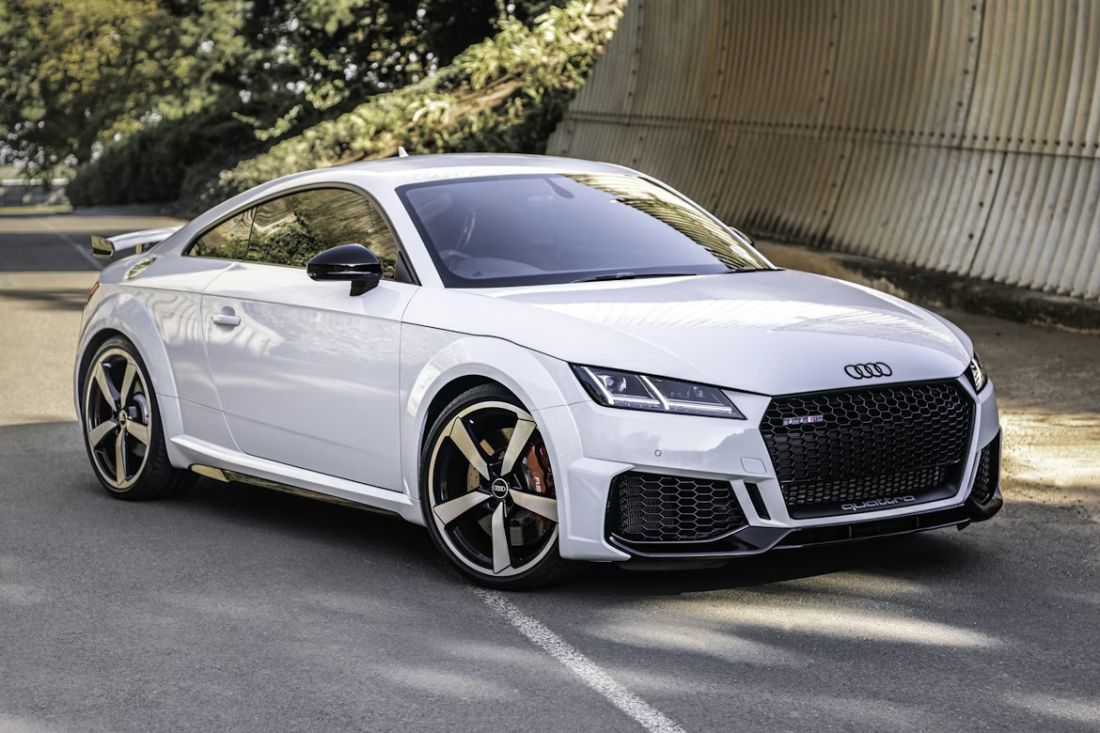
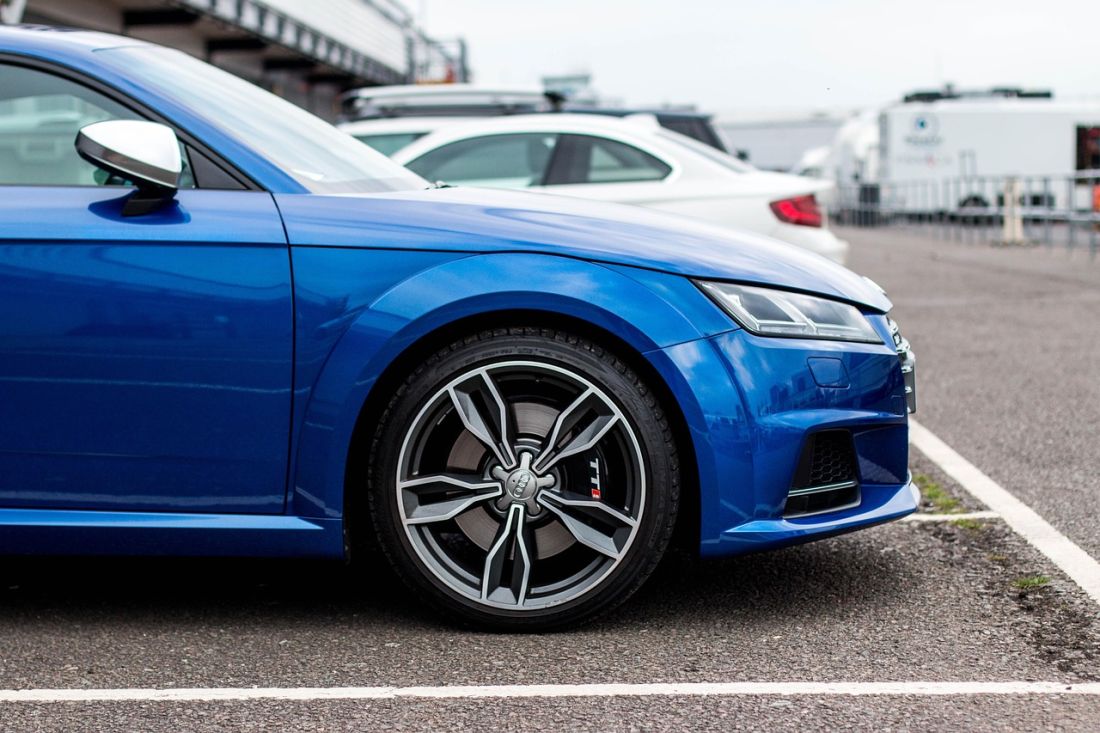
You’ve probably seen it happen. A car seems to be everywhere, people still want it, and then one day it’s gone from the new-car price lists. And you’re left thinking, “Hang on, if buyers still want it, why would a car brand kill it off?” We hear that a lot at Dace Motor Company, especially from drivers around Stockport and Manchester who just want something sensible, reliable, and not eye-wateringly expensive to run. Think about cars like the Ford Fiesta, which ended production on 7 July 2023, even though it was a proper British favourite for years. Or the Audi TT, which Audi Hungaria said ended production in Gy?r in November 2023, even though it still had fans who’d buy one tomorrow if they could. Or the Jaguar F-Type, which Jaguar said was coming to an end after the 2024 model year, with production ending in June 2024. None of those cars “failed” in the way people assume. The thing is, selling a car isn’t just about how many people love it. Car makers live inside a maze of rules, tests, and targets, plus the cold reality of what it costs to build each one, week after week, inside a factory that also needs to pay wages, buy parts, and keep the lights on. Demand matters, sure. But demand is just one piece. If new rules force expensive changes, or if a factory has to be retooled for the next generation of cars, or if the brand decides to shift its whole identity, the axe can fall even while buyers are still asking for the keys. And yes, that can feel maddening, especially when you’re stuck in traffic on the M60 thinking, “I’d happily buy that car again.” Let’s get into the real reasons, without the fluffy sales talk.
The big rule shift: the United Kingdom is pushing hard for cleaner new cars

A huge part of this comes down to government rules that don’t care about your favourite model’s fan club. In Britain, the government has set out a plan that says no new petrol or diesel cars will be sold after 2030, and that by 2035 all new cars and vans will need to be fully zero emission at the tailpipe. That’s the direction of travel, and car makers build plans many years ahead, so they react early. On top of that, Britain also set yearly targets that push brands to register a certain share of new cars that have no tailpipe emissions, starting at 22% in 2024 and rising through the decade. If a brand can’t hit those numbers, it can face penalties or need to buy credits, which means money drains away from building and improving regular petrol and diesel models. So a car maker looks at its line-up and thinks, “Which cars help us hit the target, and which ones drag us back?” That’s where “popular but petrol” can become a problem. Then there’s the local angle that people around Manchester and Stockport really feel: city air rules. London expanded its Ultra Low Emission Zone across all London boroughs on 29 August 2023, and Transport for London says it’s aimed at cutting pollution by discouraging older, more polluting vehicles. Now, Greater Manchester didn’t go the same way. In January 2025, the government said Greater Manchester’s authorities had put forward an alternative plan and ministers agreed a charging clean air zone wasn’t needed. But here’s the catch: even if Greater Manchester isn’t charging drivers in the same way, car makers still build cars for the whole country and beyond. They plan for London rules, European Union rules, and whatever comes next. That pressure pushes brands to simplify their line-ups, cut “extra” models, and focus cash on the cars that fit future rules.
Emissions rules aren’t just about the exhaust anymore, and that gets expensive fast

If you’re thinking “fine, just tweak the engine and crack on,” it’s not that simple. The European Union has agreed new rules called Euro 7, and the Council of the European Union adopted them in April 2024. The key detail is the timing: the Euro 7 regulation applies from 29 November 2026 for new types of cars and vans, and from 29 November 2027 for new cars and vans being sold. And it isn’t just about what comes out of the exhaust pipe. Euro 7 also brings in rules for pollution from brakes and tyres, plus battery durability rules for electric cars. That means car makers can’t just focus on the engine; they may have to redesign brake systems, materials, software controls, and the way the car is tested and approved. Testing and approval work costs a fortune, and it takes time. If a model is near the end of its life, a brand may look at the calendar and decide it’s not worth spending big money to re-approve it for a short run. This is one of the sneaky reasons cars get dropped even while people still want them: the timing is brutal. Imagine you’ve got a car that sells well, but its platform is ten years old. You can keep it going for two more years, but only if you spend a huge chunk of money meeting the new test rules. If you don’t, you can’t sell it new. So the brand takes the “end it now” option, and pours money into a replacement that’s built from the start to meet the new rules. And let’s face it, small cars can get hit hardest here. They’re meant to be cheaper. If new rules add costs that you can’t hide inside a high sticker price, the numbers stop working. That’s why you see beloved smaller models disappear while bigger, pricier cars hang around longer. It’s not because buyers stopped liking small cars. It’s because the maths got ugly.
Safety rules keep adding new kit, and even “simple cars” stop being simple
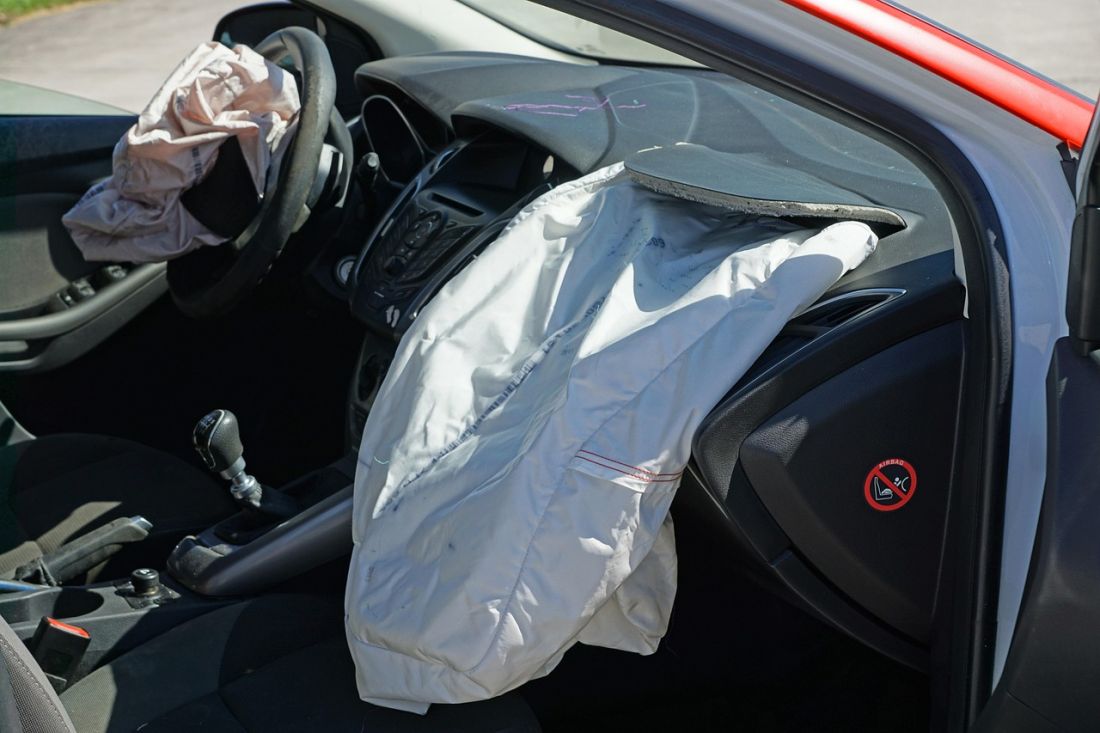
Emissions get most of the attention, but safety rules can be just as decisive. The European Union’s revised General Safety Regulation was adopted in 2019 and applies from 6 July 2022, according to the European Commission, and it introduces a range of mandatory driver assistance systems to improve road safety. In plain terms, new cars have been pushed to include more safety systems as standard, on a fixed timetable. Germany’s transport ministry explains that the regulation makes new technologies mandatory in stages, starting for all new vehicle types from 6 July 2022, with further stages in July 2024 and beyond. Britain has been looking at mandating similar safety technologies in its own type approval system too, and a January 2026 government consultation lists features like emergency braking that can detect people walking and cycling, emergency lane keeping, systems that detect speed limits, and monitors for driver drowsiness and distraction. All that kit is meant to save lives, and that’s the point. But it costs money, and it adds development work. You need sensors, cameras, wiring, software, testing, and repairs expertise. Even if a car is selling well, a brand can still decide it’s not worth updating an older design to take all that on. Thatcham Research has also highlighted that these new rules affect cars sold across Europe, including the United Kingdom, and they point out features like intelligent speed assistance and automated emergency braking being fitted as standard on new cars. The end result is a bit weird: buyers say they want a cheap, simple runabout, but the law keeps pushing new cars to be more complex and more expensive. So car makers cut models that can’t absorb those changes without pricing themselves out of the market. That’s why you’ll see “why did they stop making it?” stories even when demand exists. Demand doesn’t pay for a major redesign by itself. The future safety rulebook does.
Factories, parts, and the cold “what do we build next?” question
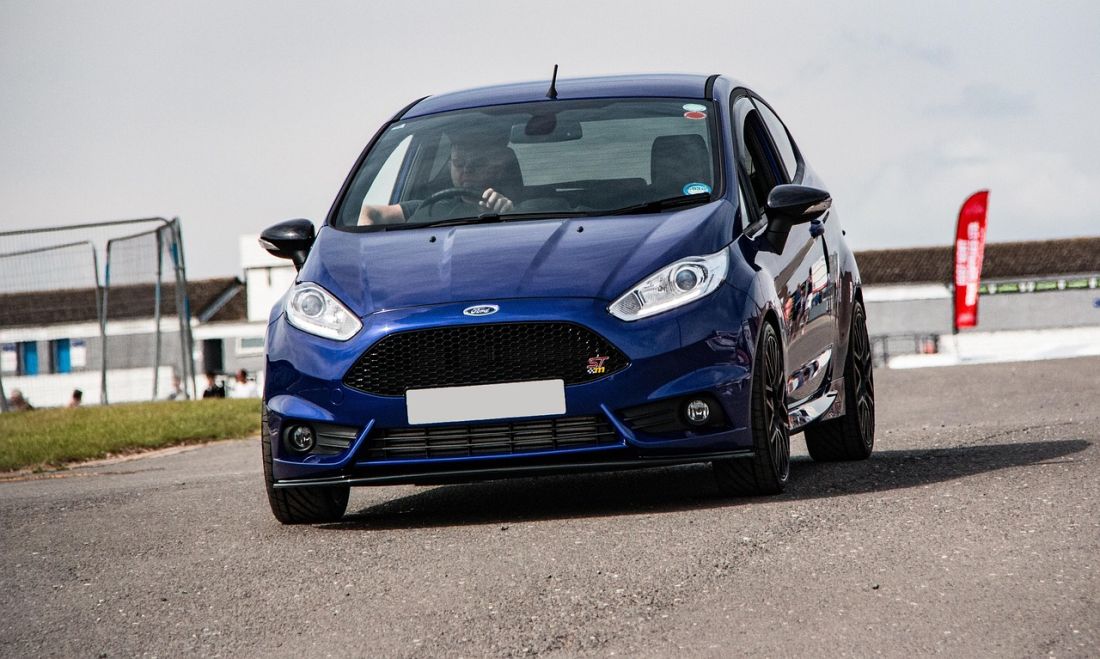
Even if rules weren’t changing, cars would still get dropped because factories can’t build everything forever. A car plant is like a giant machine that’s set up for a specific set of models, and switching it to something new is a huge job. Ford is a good example of how this plays out in real life. The Fiesta ended in 2023, and Ford has been restructuring its European operations while it shifts more focus to electric cars and crossovers. Then there’s the Ford Focus. Ford said back in 2022 it would end Focus production in 2025, and the news has played out since then. German newspaper Welt reported that the last Ford Focus rolled off the line in Saarlouis on 14 November 2025, earlier than first planned. That’s a car with a loyal following, and plenty of drivers still want one. But Ford had to make a call about what that plant would do next, and whether building another generation of Focus made business sense under new rules and new market plans. Another part of this is parts supply. Modern cars rely on a crazy number of components, and suppliers don’t keep making everything forever. If a supplier stops producing a part, a car maker has to find a replacement, re-test it, and re-approve it. That can spiral into a bigger job than people realise. Then you add the simple truth nobody loves saying out loud: some cars make less money per sale than others. Bigger cars usually bring in more profit, so brands lean into them. It’s frustrating, because plenty of drivers around Stockport would gladly keep buying hatchbacks if they stayed available new. But the market pressure is real, and brands follow profit because that’s how they survive. So yes, a car can be popular and still lose its place if it ties up factory space that could be used for something the company thinks will keep it alive for the next decade.
Brand identity changes: “we’re going upmarket,” and old favourites don’t fit anymore
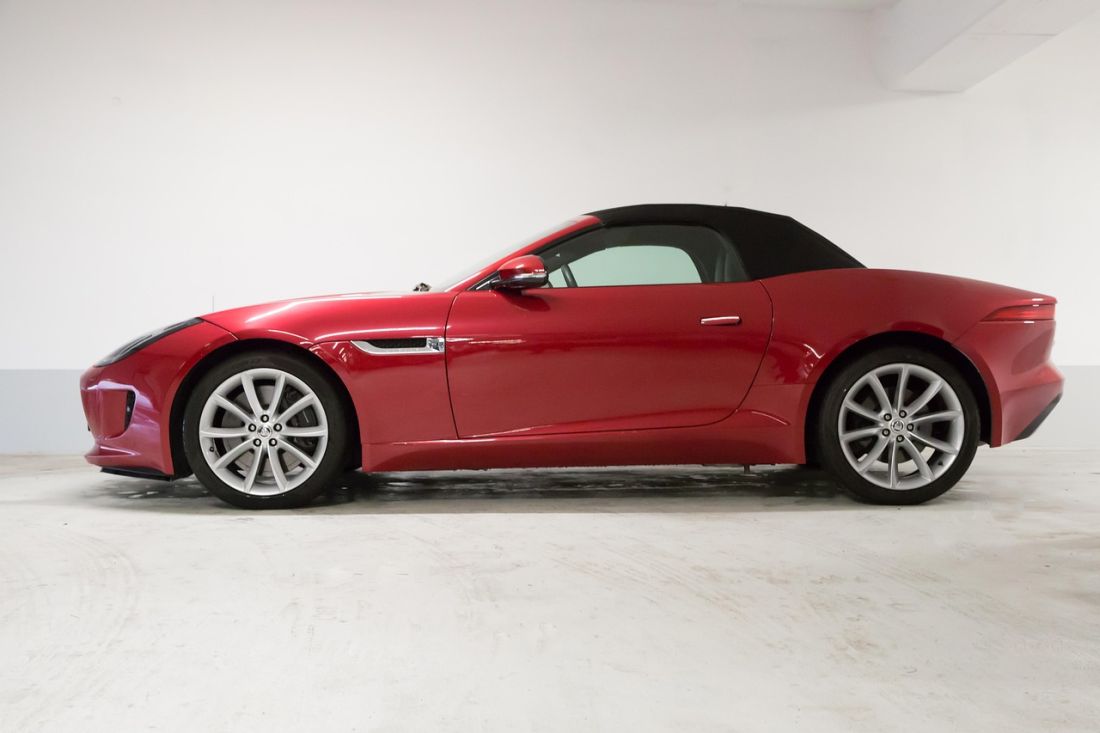
Another reason a popular model can disappear is that the brand decides it wants to be something else. That sounds dramatic, but it happens all the time. Jaguar is a perfect example, and it’s not gossip; Jaguar told TopGear.com that production of the XE, XF, and F-Type came to an end in mid 2024 as Jaguar Land Rover moved toward its electric future. That’s a big shift. Even if the F-Type still had demand, the company didn’t want to keep it as part of the brand’s next chapter. And the F-Type really did end: production ran from 2013 to June 2024, with Jaguar announcing the model would be discontinued after the 2024 model year. Audi made a similar kind of call with the TT. In its own press release, Audi Hungaria said series production of the Audi TT was discontinued in Gy?r in November 2023, and the last TT Coupé would go into Audi’s heritage collection. That’s not a company quietly letting something fade away; that’s a clean end. These moves don’t always mean the car was a flop. Sometimes the brand just decides the model doesn’t match where they’re heading, or the money needed to keep it up to date would be better spent building something new. And then there’s timing again: if a brand wants to relaunch itself with a new look and new tech, it may pause or thin out the line-up while it resets. Buyers can still want the old car, but the company is thinking about what it wants people to want next. It’s annoying when you’re the one shopping, but from the company’s side, it’s a long-term bet about survival and image.
So what does this mean for you buying used around Manchester and Stockport?
Here’s the good news: if a car is discontinued, it doesn’t vanish off the road. In places like Stockport, Reddish, Heaton Moor, Eccles, and anywhere along the A6, you’ll keep seeing those models for years. And the used market can become even more appealing, because you’re buying something people still like, just without the “new car has to meet the latest rules” price tag. But you should shop with your eyes open. Discontinued cars can hold value well if there’s a strong fan base, but they can also swing the other way if running costs rise or if city rules change and make some versions less convenient. A smart move is to think about where you drive. If your week is short trips around Stockport with the odd run into Manchester, you’ll want something that won’t cause headaches if future air rules tighten again, even if Greater Manchester isn’t charging drivers right now. If you travel into London for work or family, you need to be aware that London’s Ultra Low Emission Zone covers all London boroughs, and non-compliant vehicles face daily charges. Another practical point: check parts availability and specialist support. A discontinued model from a big brand usually has plenty of parts for a long time, but rare trims and niche engines can be trickier. So, if you love a specific model, consider choosing a more common engine and gearbox version, because that can make servicing easier in the years ahead. Also, keep an eye on software updates and safety features. Newer cars pack more systems, and you want to see a solid service history that shows the car’s been looked after properly, not just “it passed its test, job done.” And if you’re thinking about finance, be careful with your budget and don’t stretch yourself for a badge. A monthly payment that feels fine in summer can feel grim in January when the boiler breaks. Ask for a finance check that doesn’t leave a mark on your credit file, compare offers, and make sure you know what you’re signing up to before you fall in love with the test drive.
The simple way to think about it, plus sources if you want to dig deeper
If you want the honest answer, it’s this: a car can be loved and still get chopped because rules and costs can change faster than the car can be updated. Cleaner-air policy in Britain is pushing hard toward no new petrol or diesel sales after 2030 and fully zero-emission new cars and vans by 2035, and that reshapes what brands choose to sell. In the European Union, Euro 7 starts applying from 29 November 2026 for new types and 29 November 2027 for new cars and vans, and it brings in more than just exhaust testing. Safety rules are stacking up too, with the European Commission saying the revised General Safety Regulation applies from 6 July 2022, pushing new driver assistance systems into new cars. And then there’s pure business reality: factories change role, supply chains shift, and brands chase the cars they think will keep them profitable. That’s how you end up with the Fiesta ending in July 2023, the Audi TT ending in November 2023, Jaguar ending XE, XF, and F-Type production in mid 2024, and the Focus ending in November 2025. If you’re shopping used in Manchester or Stockport, you can turn all this into an advantage: you’re buying cars people still rate, at prices that can look very sensible compared to new models loaded with extra cost. At Dace Motor Company, we see discontinued models come through our sites all the time, and the key is picking the right spec, checking history properly, and thinking ahead about where you drive and how long you plan to keep the car. No drama. Just a bit of planning, and you’ll be fine.