



Why Some Car Repairs Are Cheap in Parts but Expensive in Labour
You’ve probably had this happen. Your car’s making a noise, you pop into a garage, and they tell you the part costs, say, £25. Nice. Then they add the labour and suddenly the total feels like it’s trying to buy a seat at Old Trafford. And you’re sat there thinking, “How can a tiny bit of metal and plastic turn into that bill?” Let’s talk about why this happens, because it’s not a scammy mystery most of the time. It’s usually about time, access, and the messy reality of working on modern cars. The part can be cheap because it’s mass-produced. Labour can be expensive because a trained technician might need to strip half the front end of the car just to reach the thing, then put it all back exactly right, test it, and make sure it’s safe. And “safe” isn’t some fluffy word here. If brakes, steering, airbags, or the engine timing go wrong, you don’t get a second try.
Around Manchester and Stockport, people use their cars properly. The M60, stop-start traffic, speed bumps, wet roads, winter grit, tight parking, the lot. That all adds wear and tear and also makes parts stick, bolts seize, trims snap, and jobs take longer than they look on YouTube. At Dace Motor Company, we hear the same lines all the time: “It’s just a bulb,” “It’s just a sensor,” “It’s just a belt.” And the honest answer is: the part might be “just” something small, but getting to it can be the real job. Labour is really paying for time, skill, tools, and the workshop costs that sit behind the scenes. Once you see what’s going on, those quotes make a lot more sense, even if you still don’t love paying them.
Access Is Everything (And Some Cars Make It a Right Pain)
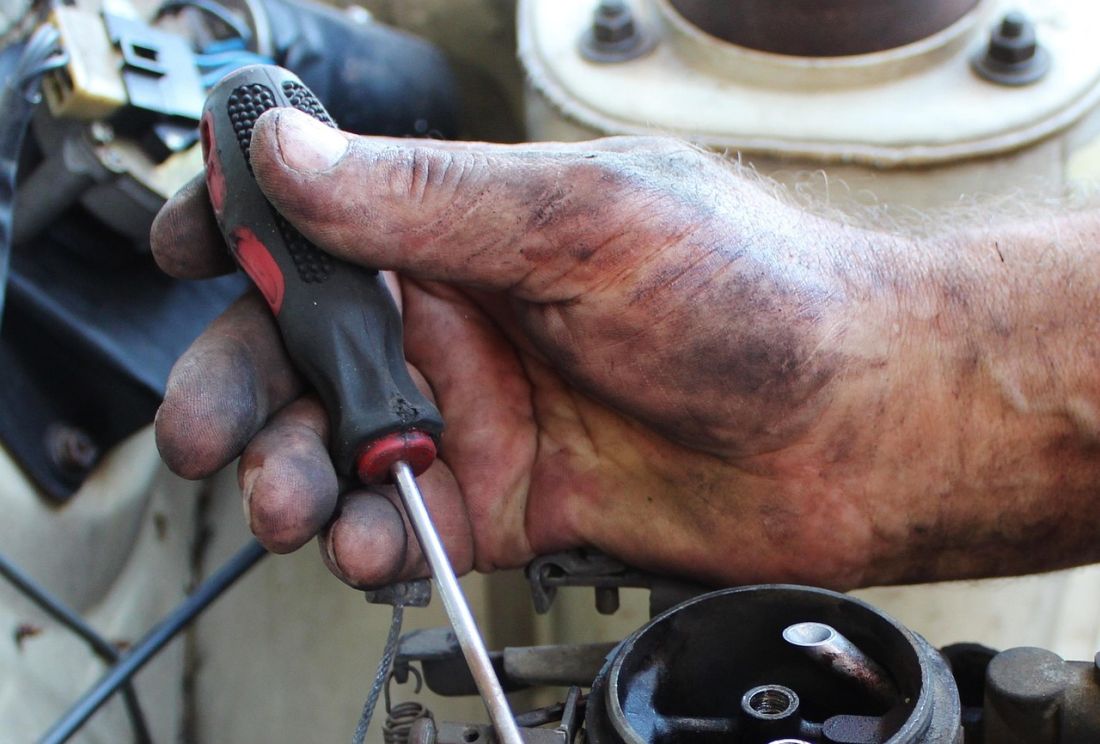
Here’s the big one: access. If a part is easy to reach, labour stays low. If it’s buried behind other parts, labour shoots up. Think of it like trying to grab something that’s fallen behind the sofa. The thing you want might be a £1 coin, but moving the sofa, shifting the rug, and squeezing your arm down a gap is the real effort. Cars can be like that, just with sharper edges and less forgiveness.
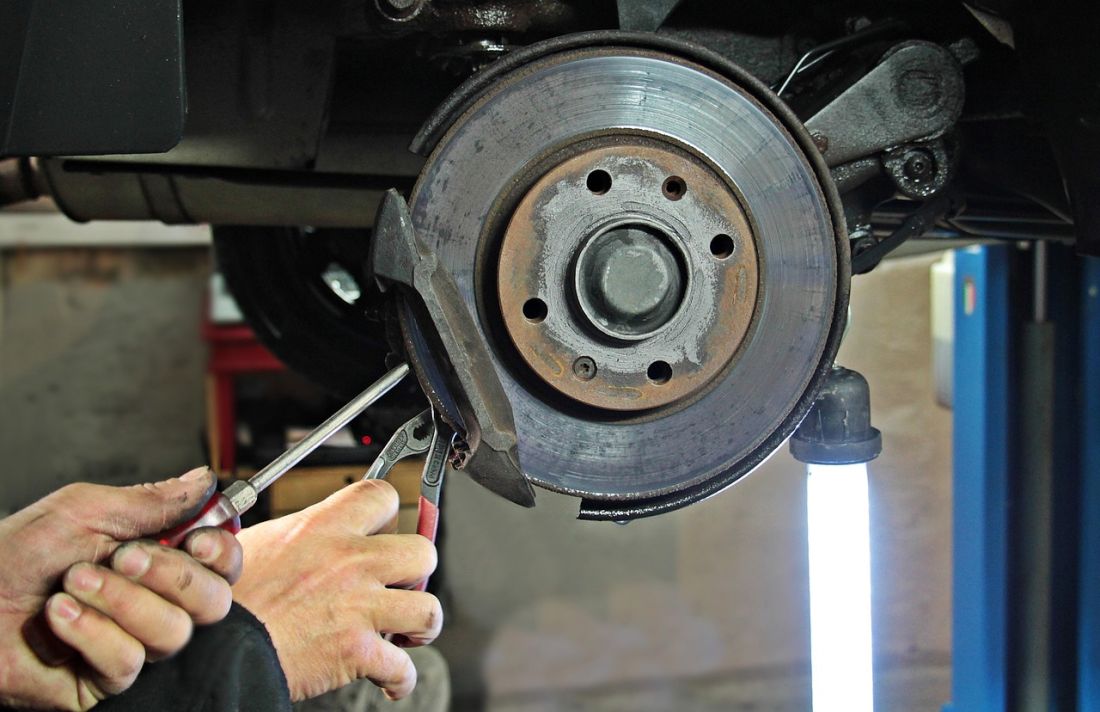
A classic example is brake pads. Pads themselves might not be crazy money, and the job can be pretty quick on a lot of cars. One UK garage chain says a brake pad replacement can take around 30 to 90 minutes per axle, depending on the vehicle and condition. That’s why brake jobs can feel “reasonable” compared with other repairs. But now swap the job to something like a timing belt. The belt itself might not sound exciting, but getting to it can involve removing covers, mounts, and other bits that block the way. One UK specialist site puts timing belt replacement time at around four to six hours for many cars, and that’s before you get into awkward engine bays. That’s your labour right there: hours, not minutes.
And modern cars keep packing more stuff into less space. Bigger wheels, more safety systems, more cooling, more electronics, and tighter engine bays for better aerodynamics. Great for driving. Annoying for repairs. Some jobs also need the car lifted, wheels off, covers removed, undertrays dropped, and components moved out of the way just to *start* the actual repair. Then you’ve got the reverse process: everything back on, torqued up properly, checked, and road tested. That last bit matters, because the job isn’t finished when the part is fitted. It’s finished when the car drives properly and safely.
Labour Isn’t Just “Wrench Time” (Diagnosis Can Be the Sneaky Cost)
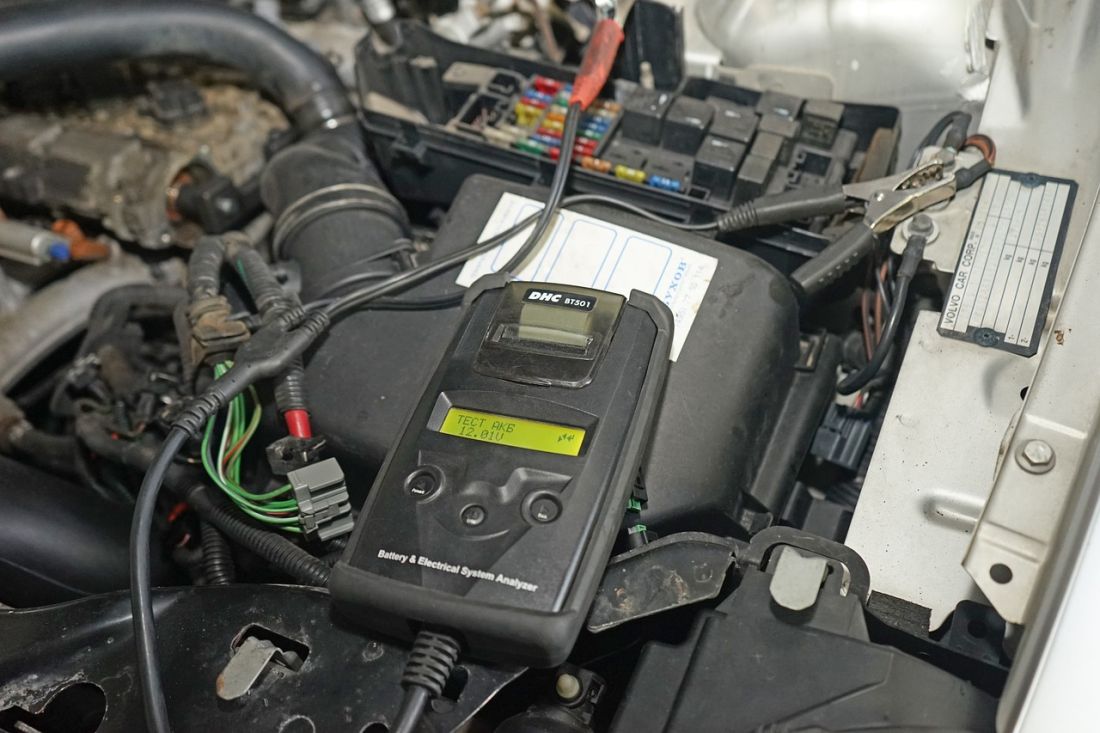
People imagine labour as: take broken part off, put new part on, done. But there’s another chunk that can eat time-diagnosis. And diagnosis can be tricky because cars don’t always shout the exact problem. They hint. They mumble. They blame the wrong thing. A warning light might point at a sensor, but the sensor might be reporting a different issue, like a wiring fault or a weak battery. So a technician has to confirm what’s really going on before swapping parts, otherwise you’re paying to guess. Nobody wants that.
Diagnosis can mean checking fault codes, doing live tests, inspecting wiring, checking for leaks, measuring voltages, and then doing a test drive to see if the symptom matches the theory. And yeah, you might be thinking, “But the computer tells you!” It helps, but it doesn’t magically solve everything. Cars can store codes that are old, irrelevant, or caused by another problem. So you still need a human brain on it.
This is also why two garages can quote different labour times on the same issue. One might quote for the part replacement only, assuming diagnosis is already done. Another might include time to confirm the fault properly. If you’ve ever had a repair that didn’t fix the problem, that’s usually what went wrong: parts were swapped before the real cause was nailed down.
There’s also the “while we’re in there” factor. If a job involves taking lots apart, it can make sense to replace a couple of related items at the same time, because you’re already paying for access. Timing belt jobs, for example, can be paired with other components in the same area, because reaching it is the costly part. If you skip it, you might save money today but pay double labour later because the front of the engine has to be opened up again. That’s not a scare story; it’s just how labour time stacks up in real life.
The Hourly Rate Has Real Stuff Behind It (Not Just Someone’s Wage)
Let’s talk about hourly rates, because this is where people get suspicious. You hear “£70 an hour” and think the technician is walking home with a suitcase of cash. They’re not. The hourly rate covers the whole place running: the building, the lifts, tools, training, insurance, equipment, business rates, utilities, software, waste disposal, and the time that isn’t billed, like moving cars around the yard or dealing with seized bolts that nobody could predict.
On the numbers, different sources put UK labour rates in a similar ballpark. A cost guide commonly quoted in the UK says garage labour can be around £50 to £80 per hour depending on area. Another industry piece discussing labour rates says the UK average was £76 per hour, with big regional swings (cheaper areas and more expensive areas). And a garage-industry report based on a large set of transactions said average labour rates rose in 2024. The exact number you see depends on where you are, what you drive, and what kind of garage it is. Around Greater Manchester you’ll see a spread, because a city-area site can have very different overheads compared with a smaller place.
Also, some work needs specialist tools that cost a fortune and don’t get used daily. A single calibration tool or diagnostic setup can cost more than a decent used car. If a job needs that tool, the labour cost is partly paying for that equipment to exist in the first place. Same with training. Cars change fast. Technicians have to keep learning so they don’t damage your car or fit something incorrectly. And once you factor in warranties-like a garage standing behind the work-labour isn’t just “time,” it’s “time with responsibility.”
Real-World Examples: Cheap Part, Big Labour

Let’s make this feel real. Think of a wheel speed sensor. The sensor itself might not be expensive. But if it’s stuck in the hub, corroded in place from years of wet roads and winter grit, getting it out can turn into a careful fight. Snap it and you’ve got more work. Same with a simple exhaust clamp: cheap part, but if bolts are rusted and the exhaust is stubborn, you’re paying for time and patience.
Another one people don’t expect is anything that requires dismantling trim. Some interior parts are cheap, but the labour isn’t, because taking dashboards and panels apart without breaking clips is fiddly. Break a clip and you get rattles. Nobody wants their car sounding like a tambourine on the A6.
Then you’ve got the classic “it’s just brake pads.” Brake pads can be a fairly quick job, but even then, condition matters. A reputable UK chain says 30 to 90 minutes per axle is normal for pad replacement, and that range exists for a reason. If caliper pins are seized or discs are heavily worn, the job grows. The RAC also points out that brake pad replacement cost varies with vehicle type, pad type, and labour rates, and gives a broad typical price range per axle including parts and labour. That’s not random. A big SUV with heavy-duty brakes can take more time and pricier components than a small hatchback.
And then there’s the timing belt again. The belt might not look like much, but you’re paying for hours of careful work. Some UK guides put it at around four to six hours for many cars. That’s half a day of a trained person doing a job where mistakes can wreck an engine. That’s why the labour feels high compared with the belt sitting there on the invoice.
Why Labour Times Can Feel “Unfair” (But There’s Usually a Reason)
People hate surprises. You go in expecting a quick fix and get told it’s a bigger job. And to be honest, sometimes it is frustrating, because cars don’t age politely. Manchester rain, road salt, potholes, and short trips can make things seize up or wear weirdly. That means the “book time” for a repair (the standard expected time) doesn’t always match what happens on the ramp. If a bolt rounds off or a component cracks during removal, the technician has to deal with it properly. Rushing is how you end up with leaks, rattles, warning lights, or worse, unsafe repairs.
There’s also the “while it’s apart” reality. If a garage has to remove something major-like a subframe or gearbox-then refitting it isn’t just “put it back.” It has to be aligned and tightened correctly. Some jobs then need extra steps like resetting systems, calibrating sensors, or checking that nothing is rubbing or leaking. Even a battery change can be simple on some cars and a proper hassle on others, depending on where it’s located and what needs resetting.
And yes, some labour charges also include the garage giving you a bit of breathing room if something goes wrong. If the repair is covered by a warranty, the garage takes the risk. At Dace Motor Company, we’re pretty open about how repairs and protection plans work because we’ve seen the stress it causes when people feel blindsided. We also know that trust is everything in this game, especially when you’re buying used cars and planning your budget. That’s why you’ll hear garages talk about doing things the right way, not the fastest way, because the comeback cost-both money and reputation-is brutal.
How You Can Keep Costs Down Without Cutting Corners
You can’t control everything, but you can control more than you think. First, ask for an itemised quote. Not a dramatic speech, just a simple, “Can you split parts and labour?” If you see labour is the big chunk, ask what makes the job time-heavy. A decent garage will explain it in normal language.
Second, don’t leave small problems to rot. A cheap part can turn into an expensive repair if it causes damage. Worn brake pads can chew into discs. A small oil leak can become a bigger mess. A suspension knock can turn into uneven tyre wear, and tyres aren’t cheap. Catching things early is boring, but your wallet will thank you.
Third, be careful with the “I’ll buy the parts online and you fit them” idea. It sounds like a win, but it can backfire. If the part is wrong, you’re paying labour twice. If it’s poor quality, you might be back in the same situation quickly. And if something fails, warranties get awkward. If you want to save money, the safer move is to ask the garage if they can offer a couple of options: a premium part and a good-value part, with prices explained clearly.
Fourth, keep your service history tidy. It helps you spot patterns and it helps any technician work faster because they’re not guessing what’s been done before. If you’re buying used, this is where a dealer that checks cars properly matters. Dace Motor Group talks a lot about vehicle checks and customer reassurance, and being Trading Standards Approved is part of that bigger picture of doing things properly. That doesn’t mean nothing ever goes wrong-cars are machines-but it does mean the aim is to reduce nasty surprises.
What Labour Costs Tell You (And What to Ask Next)
A high labour quote doesn’t always mean a garage is expensive. Sometimes it means the job is genuinely involved. The smart move is to turn the quote into a quick chat. Ask what steps are included. Ask how long they expect it to take. Ask if there are common issues that can slow it down, like corrosion or access problems. If the answer sounds vague, ask again in a different way: “What’s the slow bit of this job?” You’ll learn loads from that one question.
Also, pay attention to what kind of repair it is. Safety-critical jobs like brakes and steering should never be rushed or done “cheap as possible.” If you’re driving around Stockport, down Wellington Road, or looping the M60 in heavy traffic, you want the car to stop cleanly and steer true. That’s not the place to gamble.
And one more thing people forget: a garage’s time includes accountability. If they fit something, they’re on the hook if it’s wrong. That’s part of what you’re paying for. You’re not paying someone to have a go; you’re paying someone to do it properly and stand behind it.
If you’re shopping for a used car and thinking ahead about running costs, this is also why it’s smart to choose a place that can explain things clearly and doesn’t dodge questions. Dace Motor Company sells used cars across Stockport and Manchester, and we’re used to these conversations because finance, warranties, and maintenance are all linked in real life.