


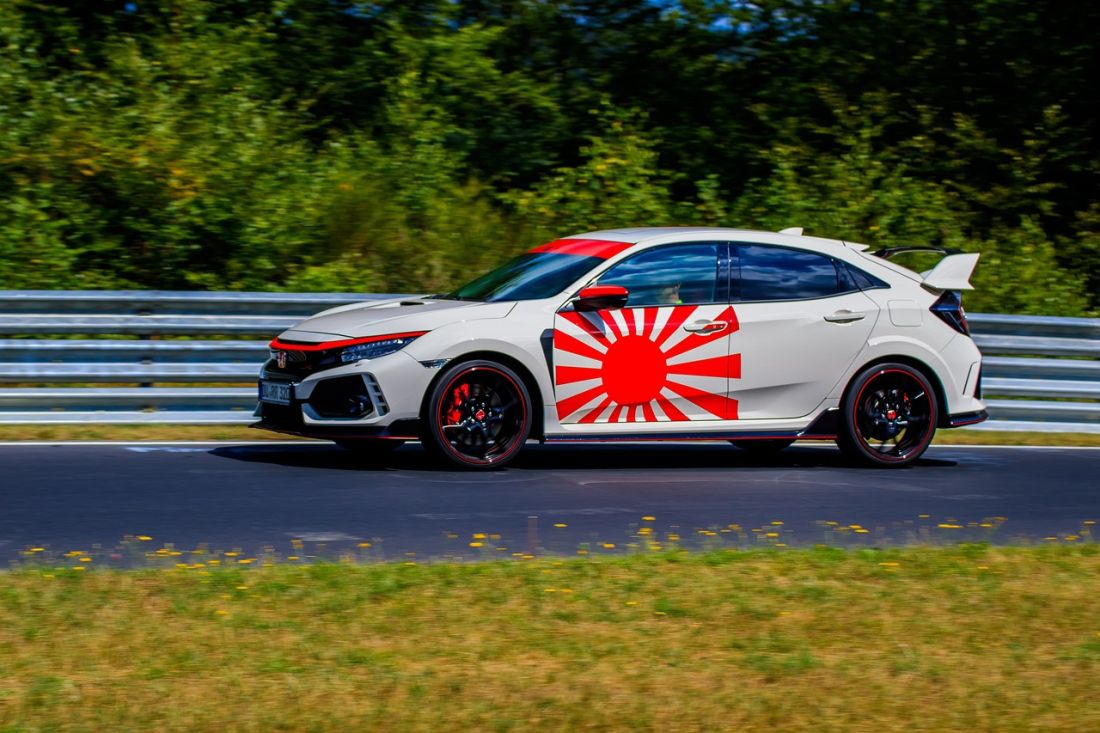
Why Japanese Used Cars Are So Well Preserved Compared to Others
Ever looked at a 10-year-old Japanese car and thought, “Blimey, that still looks brand new”?
You’re not the only one. At Dace Motor Company, we’ve been selling used cars for over 25 years, and we’ve seen all sorts - from barely-run-in motors to, well, the kind you wouldn’t want your mother driving. But there’s something about used cars from Japan that just seems… better kept. We’ve all stood in a car park, staring at a shiny old Toyota or Honda, and wondered how it’s aged better than your uncle’s Ford that’s the same age but looks like it's survived five rounds with a scrapyard. It's not magic - although it can feel like it - there's actually a few good reasons behind it. And they’re not as technical or fancy as you might think. Let’s break it down in normal, everyday terms. No fluff, no big words. Just a proper chat about why Japanese used cars seem to hold up like a good brew on a rainy Manchester morning.
First up: the roads and weather in Japan are just… different
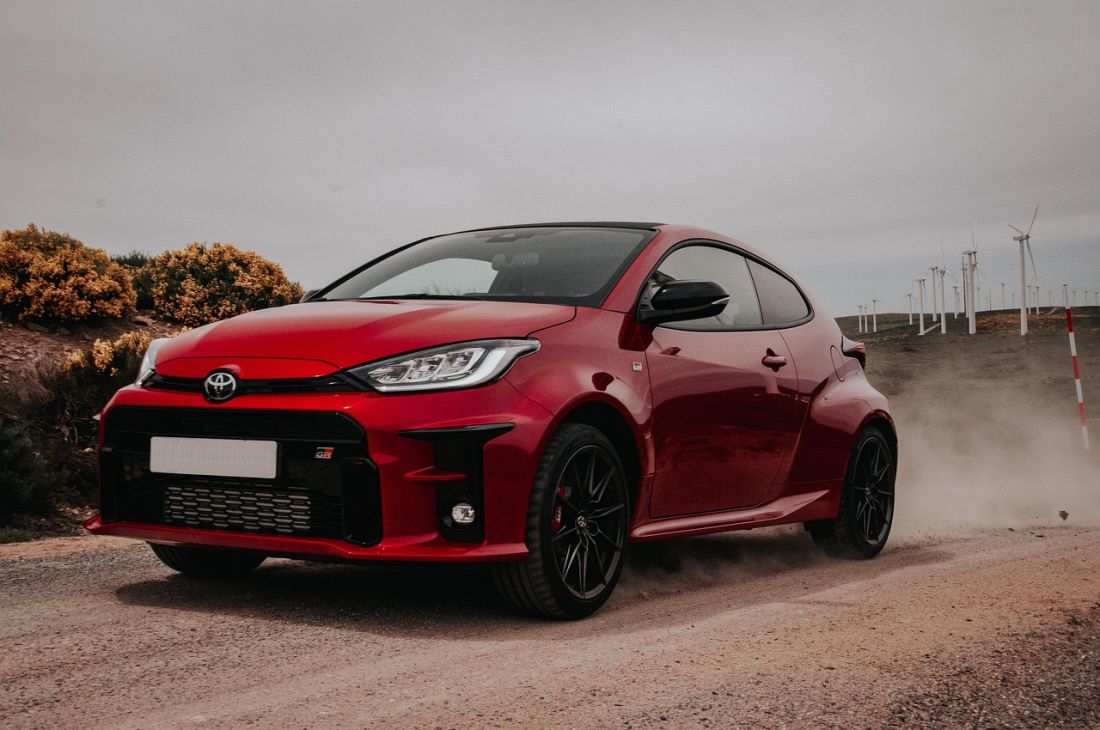
Now, we know Stockport roads aren’t exactly smooth sailing. Between the potholes near Reddish and that weird bit of Buxton Road that always floods, our cars here have it rough. Japanese roads? They’re mostly clean, smooth, and well maintained. You don’t get the same kind of wear and tear you’d find on the daily A6 slog. Add to that the weather - or lack of horrible weather. While we’re scraping frost off the windscreen nine months of the year or watching our cars go green with moss in the driveway, Japan’s climate (especially in places where many of their used cars come from) is much kinder. Less rain, less road salt, less rust. You don’t have to be a car nerd to see how that helps keep a car looking fresh. Rust is a big one here. Around Greater Manchester, cars tend to rust faster than a garden chair in Salford left out all winter. That salt we chuck on the roads every winter? It’s murder on the underside of a car. In Japan, they just don’t need to salt the roads as often - or at all in some places - and it shows. You look underneath a Japanese import and think, “Wow, that’s cleaner than my kitchen sink.”
Then there’s how people actually drive and own cars over there
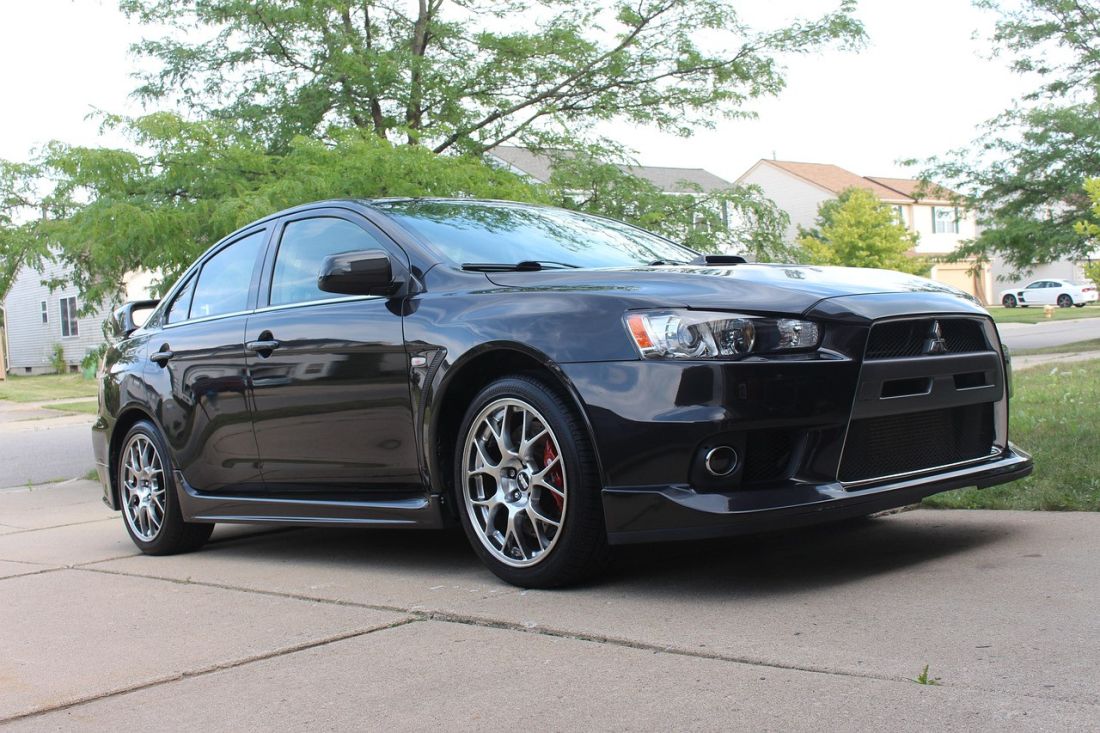
You’ve probably dealt with this before: someone thrashes their car like they’re in a Fast & Furious film, then tries to flog it like it’s “never been driven hard.” In Japan? That’s not the norm. Over there, people don’t tend to drive huge distances. Most Japanese folks live in cities, use public transport a lot, and when they do drive, it's usually short distances at low speeds. We’re not saying nobody in Japan drives like they’re on a racetrack, but on the whole, cars just don’t get hammered like they do here. Think of it like the difference between a pair of trainers you wear to the gym every day versus a pair you keep just for going to Tesco. One’s gonna wear out faster, right? And the Japanese are really into maintenance. Seriously. Regular servicing, cleaning, inspections - it’s almost a point of pride. It’s not just about keeping up appearances, either. Their government makes it expensive not to. There’s a thing over there called “Shaken,” which is kind of like an MOT, but more intense. If your car doesn’t pass, fixing it can cost more than it’s worth. So people either keep their cars in great nick… or they sell them early while they’re still in top shape. We get a lot of customers at Dace Motor Company asking, “Why’s this Japanese car from 2012 got lower mileage and fewer issues than a 2018 model from down the road?” That’s exactly why. These cars get treated better. They get pampered. Like pets, really - well-fed, clean, and well looked after.
Low mileage isn’t just a lucky coincidence
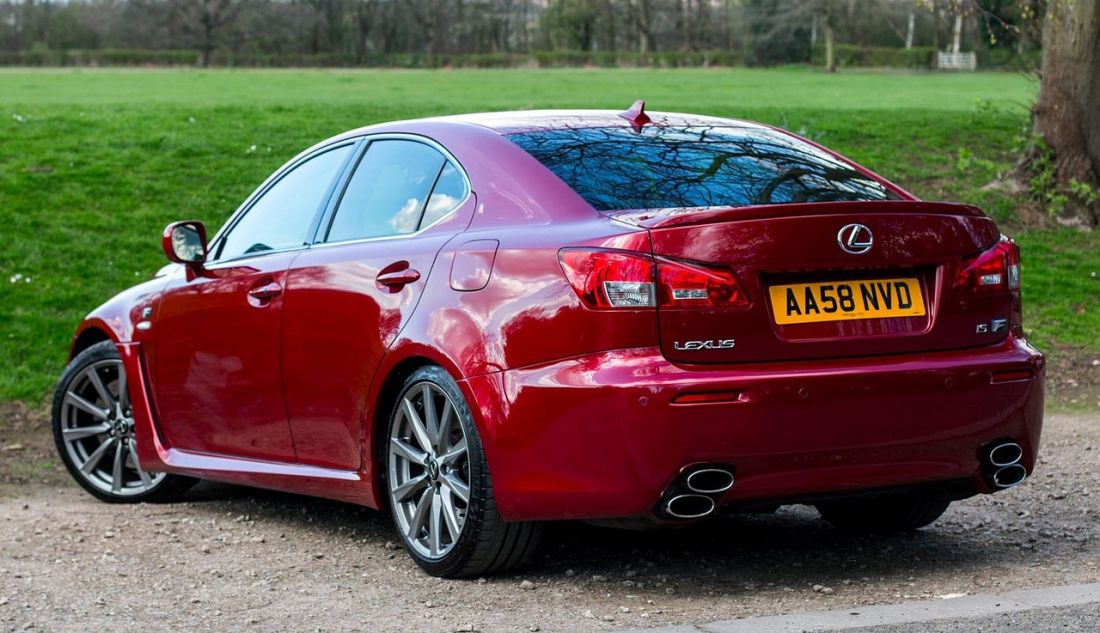
Here in the UK - and especially around Manchester - we rack up miles like nobody's business. Between school runs, commutes, trips down to the Trafford Centre, and the odd weekend at the Lakes, it adds up fast. In Japan? It's a totally different story. A lot of city dwellers use the train or bus to get to work. They might only use their car on the weekends or to nip to the shop. So you end up with a 10-year-old Mazda that’s only done, say, 30,000 miles. That’s the sort of number you'd expect on a car half its age around here. We’ve seen cars come in with mileage so low you’d think the odometer was broken. But it’s not dodgy - it’s just how things are over there. And as any mechanic will tell you, lower mileage usually means less engine wear. Doesn’t mean the car’s perfect, but it gives you a better starting point. That’s why, at Dace Motor Company, when we get hold of a low-mileage Japanese car, we pay attention. We fully HPI check every vehicle and run through 80 different bits of data before it even goes on sale, just to make sure it's as good as it looks. But when it comes to Japanese imports, we’re rarely surprised. These cars are just built and treated differently.
How they look after cars is next level
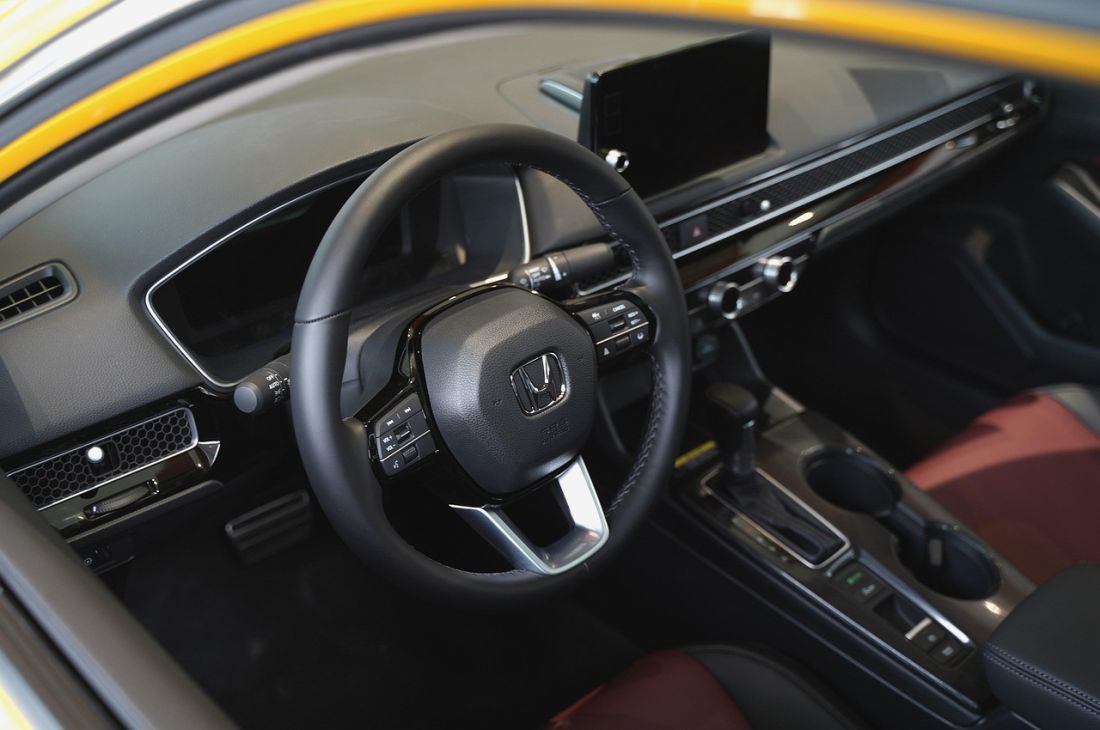
You know how you’ll sometimes open a used car and immediately regret it? Crumbs everywhere, air freshener trying its best to cover something grim, and a boot full of stuff the last owner never bothered clearing out? Not with a lot of Japanese cars. People over there tend to keep things tidy. Like, really tidy. It’s not just about resale value - there’s a bit of pride in keeping your car clean. Inside and out. At Dace, we clean every car before we hand it over. We don’t just throw a bucket of water over it and call it a day. But with Japanese cars, half the time you’d think someone else had already done the job for us. No joke - some interiors look like they’ve never had anyone sit in them. Even the paint tends to hold up better. Not just because of less harsh weather, but because people actually bother to polish and protect it. That means less fading, less peeling, and fewer scratches from that annoying bush you always have to squeeze past on your driveway. We’ve had customers walk into our Greg Street showroom, spot a used Honda, and ask, “Wait, is this new?” And we have to explain, “Nope, it’s just had a nice, easy life.”
It’s not just about condition - it’s about trust
Look, we’ve all been burned before. Bought something that looked alright on the outside, only to find the problems once you get it home. Nobody wants that. That’s why at Dace Motor Company, we make a big deal out of trust. All our used cars, Japanese or not, go through a full prep process. They're HPI checked, cleaned, and come with a 3-month warranty - and not some random third-party one. It’s our own in-house warranty. We back the cars ourselves because we know they’re up to the job. But we’ve noticed over the years that customers feel an extra bit of confidence when they buy a Japanese car. It’s not just marketing hype. It's real experience. These cars tend to break down less, cost less to run, and just feel more… dependable. Add in the fact that we have experienced finance managers on-site to help figure out the best payment plans - including zero impact soft searches - and you start to see why people keep coming back to us. And don't worry - we’re open every day. Even Sundays. So if you spot something online or want to check out our stock of over 600 cars across Stockport and Manchester, we’ll be here. Whether it’s a Nissan, Toyota, Honda, or even something more left-field like a Suzuki or Mitsubishi, there’s a good chance we’ve got it. And if we haven’t? We’ll do our best to source it for you.
So, should you buy a used Japanese car?
Honestly? If you’re after a car that still feels fresh, has been looked after properly, and won’t surprise you with unexpected garage bills in three months’ time… it’s a solid choice. And here’s the kicker: you don’t have to go hunting on obscure websites or start importing something yourself. We’ve already done the hard work for you. At Dace Motor Company, we’re proud of the Japanese stock we carry - and it’s no fluke that these cars are some of the best preserved out there. Next time you’re walking around our Greg Street location or checking out the selection at Buxton Road or Eccles, keep an eye out for those Japanese badges. There’s a reason they tend to stand out. Even parked next to newer models, they hold their own. So yeah, maybe it’s the roads, or the culture, or the way they’re driven and maintained. Probably a mix of all three. But whatever the reason, if you're after a used car that’s aged better than your last mobile phone - a Japanese one might just be the way to go. And if you’re still not sure? Come see us. We’ll talk you through it, no pressure, no nonsense. Just good cars, good advice, and a team who knows what they're talking about - 25 years and counting.