


When Japan Took Over the Automotive World in the 1980s
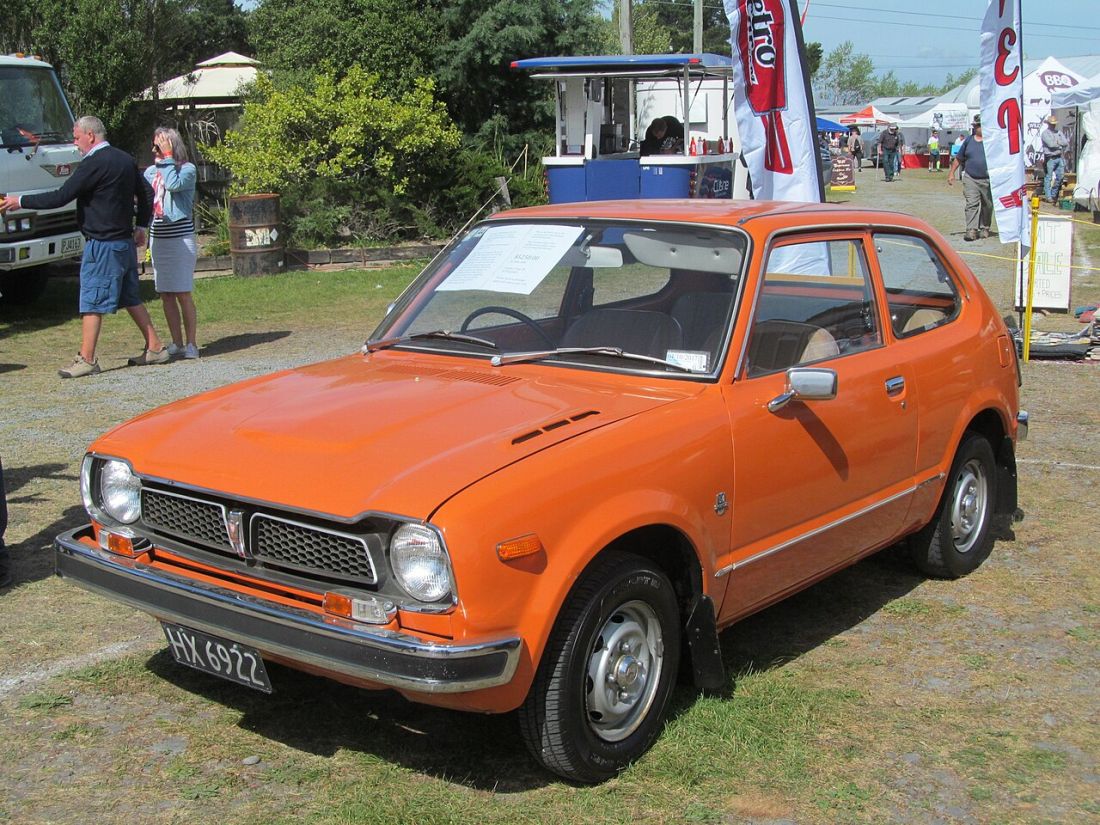
Photo: 1976 Honda Civic Hondamatic by Riley from Christchurch, New Zealand, CC BY 2.0, via Wikimedia Commons
If you live around Manchester or Stockport, you’ve seen the proof a thousand times. You’re sat in that slow crawl past the Trafford Centre, you glance left, and there’s a Toyota. You glance right, and there’s a Honda. A little further up the road, a Nissan slips into a gap like it was made for it. Nobody points and says, “Wow, Japan is winning.” It just feels normal now. But roll the clock back to the early 1980s and it didn’t feel normal at all. Back then, a lot of drivers in Britain, the United States, and plenty of other places were used to buying cars from their own backyard brands. Then Japanese makers came in with cars that started every morning, used less fuel, and didn’t feel like they were going to rattle themselves into bits by the time you hit the next set of speed bumps. People noticed. Dealers noticed. Big car bosses noticed. And the whole car scene started to tilt. Here at Dace Motor Company, we sell all sorts of used cars, and we see the long shadow of the 1980s every day. You can spot it in the way buyers talk. They’ll say things like, “I just need something that won’t mess me about,” or “I want it to feel solid,” or “I don’t want surprises.” Those are 1980s lessons, still alive on the A6 and round the bends by Stockport Viaduct. So let’s talk about how Japan pulled it off, why it mattered, and why so many of those choices still shape what ends up on the road outside your house.
Petrol shocks, long queues, and why small cars suddenly mattered
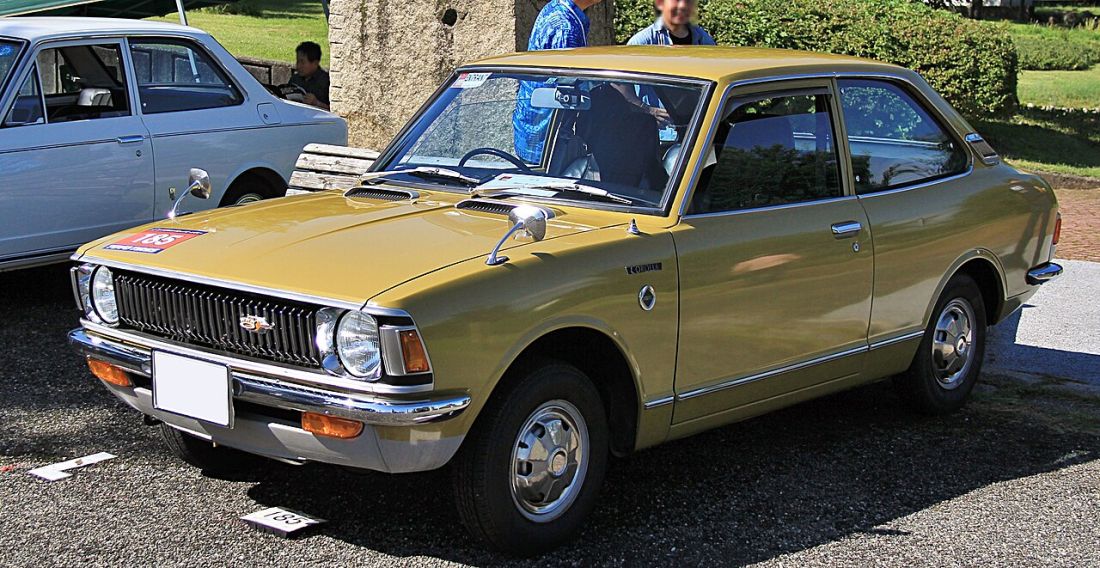
Photo: 1971 Toyota Corolla 1200 Deluxe by TTTNIS, CC0, via Wikimedia Commons.
To get why the 1980s tipped Japan’s way, you’ve got to picture the mood from the late 1970s. Petrol got scary. Prices jumped. People queued at stations. If you’ve ever been in the big Tesco at Portwood and seen the fuel line snake out at rush hour, you get the vibe, just turned up a few notches. A paper from the Federal Reserve Bank of Chicago talked about how, after the early 1974 panic and then the 1979 fuel crunch, shoppers paid extra for small cars and even put their names on waiting lists that could stretch for months. That wasn’t because small cars were trendy. It was because people wanted to drive to work and still afford it. Japanese makers already had a strong line-up of smaller, lighter cars.
They’d been building them for their home market, where streets can be tight and fuel costs can bite. So when drivers in other countries suddenly started hunting for cars that used less fuel, Japan didn’t need to scramble. The cars were already there. Honda’s own history page talks about how, with strict clean-air rules and the oil crises, the Civic became a huge hit in Japan and the United States because it fit the moment. Toyota’s history writing about the first oil crisis says the Corolla kept selling well even when the market turned rough, and exports kept climbing in the mid-1970s. So you’ve got this mix: drivers wanting smaller cars, and Japan already stocking the shelf. But that alone doesn’t explain the takeover feeling of the 1980s. Plenty of companies can build a small car. The real punch came from how the Japanese built them, and how they treated quality like it was the whole point.
The “this thing just works” reputation didn’t happen by magic
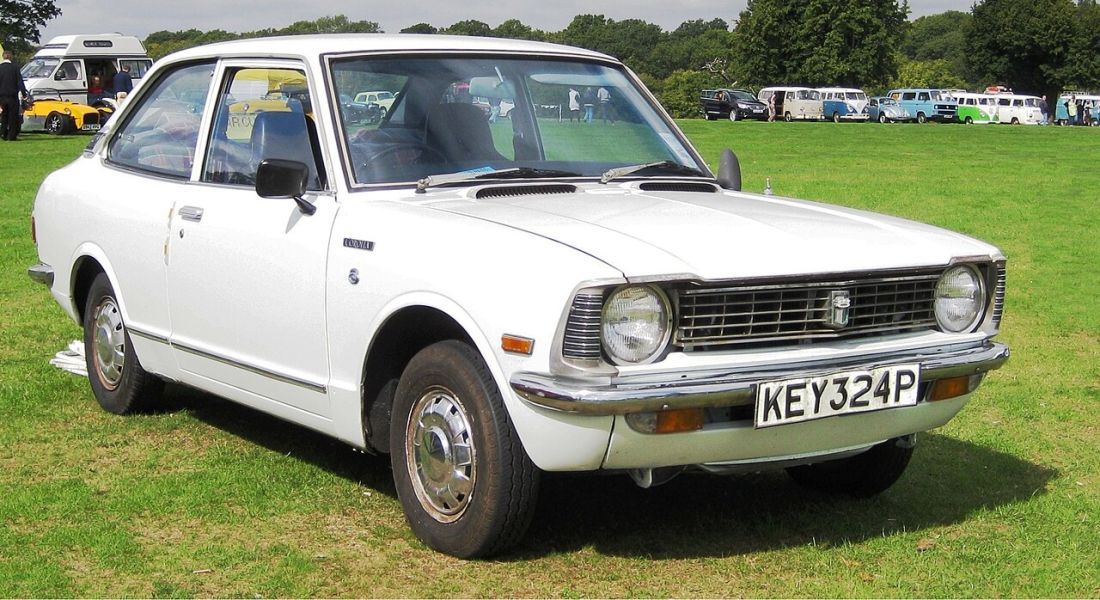
Photo: 1976 Toyota Corolla E20 by Charles01, CC BY-SA 3.0, via Wikimedia Commons
You know that feeling when something in your life just works? Your phone charges, your bike brakes bite, your kettle boils, no drama. In the 1980s, Japanese cars started to feel like that to a lot of people. And that reputation didn’t fall out of the sky. It was built, step by step, in factories where the goal was steady, repeatable quality instead of “good enough.” A big name in this story is W. Edwards Deming. He was an American expert on quality and production who went to Japan in 1950 and taught Japanese industry leaders ideas about making products more consistent and improving the way work gets done. Deming’s biography notes that many people in Japan credit his work as one spark that helped lift Japanese industry after the Second World War.
That’s a history lesson, sure, but it points to a mindset that later showed up in the 1980s cars you could buy. Toyota’s own history of linking up with General Motors shows senior leaders like Eiji Toyoda meeting General Motors chairman Roger Smith as the plan took shape in the early 1980s, which tells you Japanese firms were confident enough to bring their factory habits into shared projects. Honda’s official piece about its Marysville plant says the way Honda built cars in America brought in ideas like parts arriving right when they were needed and quicker changes in the stamping process, so the plant could switch models without long shutdowns. You don’t have to care about factory lingo to get the point: fewer mistakes, fewer loose ends, and a tighter feel after years of real life. That’s how you end up with a car that still feels “together” after a few winters, instead of sounding like a tambourine by the time it’s done two trips through the Merseyway car park.
Three badges that turned into everyday heroes
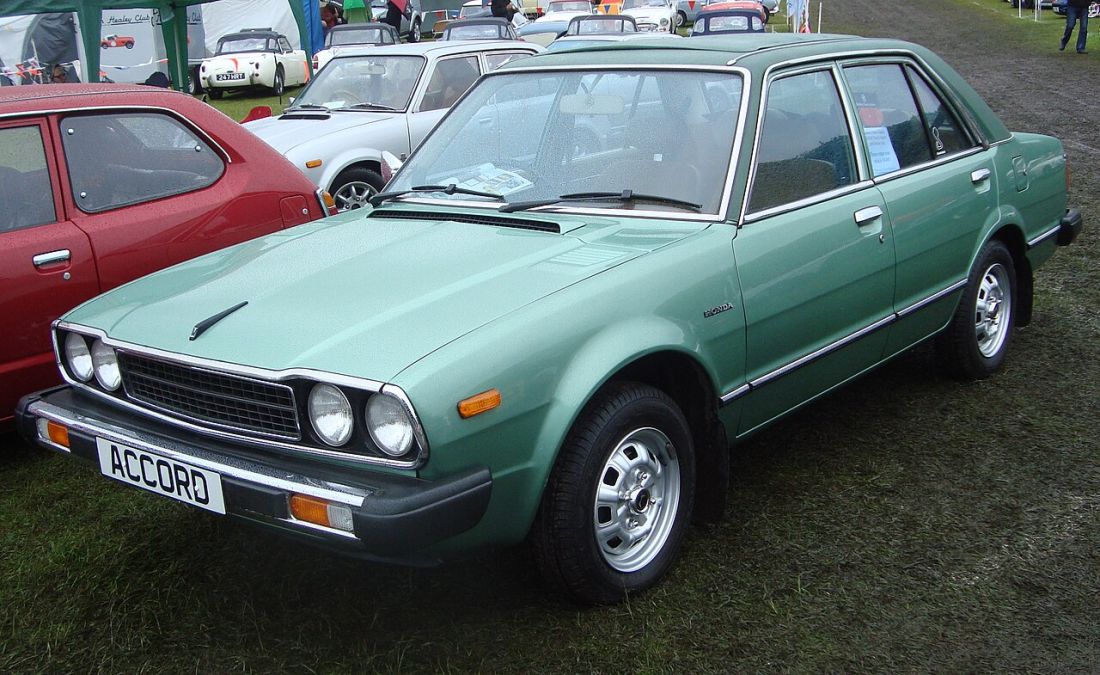
Photo: Honda Accord Mk1 by Kieran White from Manchester, England, CC BY 2.0, via Wikimedia Commons
If the 1980s Japanese story had a soundtrack, a lot of it would be the noise of three nameplates: Corolla, Civic, and Accord. Not because they were flashy, but because they became the cars people trusted with their lives. School runs. First jobs. Late shifts. The kind of stuff that happens in real weather, on real roads, with real potholes. Toyota put out a press release in February 1981 saying that the Corolla recorded the highest production total of any car in the world in 1980, and that it had held that “most produced” spot for a second year in a row. That doesn’t automatically mean “best car,” but it does show how huge the Corolla had become by the start of the 1980s. People bought it in massive numbers because it hit a sweet spot: sensible size, sensible fuel use, and a feeling that it would keep going.
Then there’s the Accord. Honda’s own news and manufacturing pages say the first Accord built in the United States rolled off the line at the Marysville Auto Plant on November 1, 1982, and that it was the first car from a Japanese maker to be produced in the United States. That’s a big moment, because it shows Honda wasn’t just exporting cars and hoping for the best. It was putting down roots, building close to customers, and proving it could hit local standards day after day. And the Civic sat in a sweet middle space: small enough to feel easy in town, but grown-up enough to handle bigger roads. Honda’s history writing says the Civic became a huge hit in the 1970s because it matched clean-air rules and oil-crisis worries, and that success rolled straight into the 1980s. Put those three together and you get a simple idea: Japan didn’t “win” with one miracle model. It stacked reliable, likeable cars year after year, until buyers started assuming that a Japanese badge meant fewer headaches.
Trade pressure hit, and Japan answered by building cars close to buyers
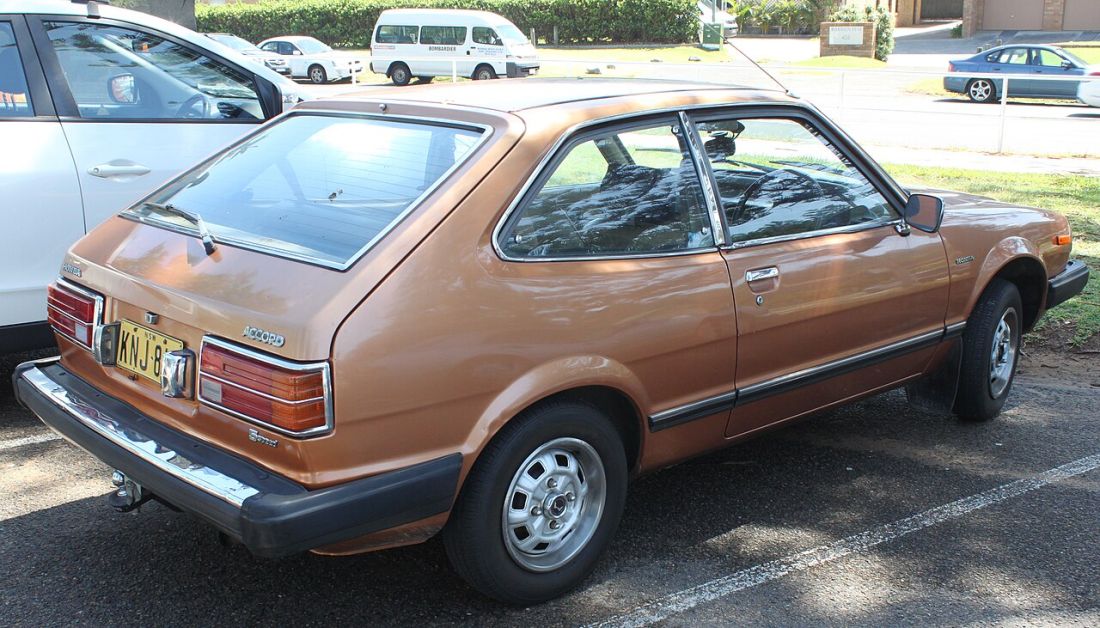
Photo: 1980 Honda Accord hatchback by Jeremy from Sydney, Australia, CC BY 2.0, via Wikimedia Commons
Now, here’s where the story gets spicy. As Japanese cars sold more and more, governments and local car makers pushed back. In the United States, the Japanese government announced on May 1, 1981 that it would voluntarily limit the number of cars it exported to the American market for two years. This wasn’t a random choice. It came after pressure from the United States government during a rough time for the American car industry. Around that same time, a report from the Japan Economic Foundation says the Japanese share in the North American car market rose from 13% in 1978 to about 24% in 1981.
A Congressional Research Service report says imported cars averaged 27.3% of the American new car market in 1981, and that Japanese imports made up 80% of all imported-car sales that year. Those are big numbers. They help explain why things got tense. So what did Japanese companies do? They didn’t just sit there and hope the limits would go away. They started building more cars where they sold them. Honda building the Accord in Ohio in 1982 is one headline example. Another is Toyota linking up with General Motors to create a joint factory in Fremont, California, which opened in 1984 as New United Motor Manufacturing. Even if you’ve never heard that factory name, the big idea is easy: if exporting gets harder, you build locally. You hire local workers. You use local parts firms. You become part of the place. That move helped Japanese brands keep selling through the 1980s, and it reshaped how the global car business works now.
Britain’s side of the takeover, from import limits to factories on our doorstep
People in Greater Manchester sometimes talk like car history happens “somewhere else,” like it’s all Detroit and Tokyo and fancy boardrooms. But Britain was right in the middle of it, and you can still feel it today if you look. A study from Henley Business School says the United Kingdom had a voluntary export restraint on Japanese car exports that ran from 1977 to December 1999. That’s a long time, and it shaped what Japanese firms did next. One of the biggest moves was building cars in Britain. Nissan Motor Manufacturing in Sunderland is the famous example. Its plant had an official opening in September 1986 by Prime Minister Margaret Thatcher and Nissan president Yutaka Kume. Nissan’s own press release for the 25-year mark also says the Sunderland plant was established in 1984 and production began in 1986. That isn’t Manchester or Stockport, but it matters here because it helped make Japanese cars feel less like “imports” and more like part of everyday British life. Cars built in Britain started showing up in British driveways in bigger numbers. People got used to them. And the cultural bit is real, too. The North West loves a practical car. We’ve got wet weather, packed streets, and a lot of stop-start traffic. A car that starts, warms up fast, and doesn’t guzzle fuel feels like a small win, especially on a cold morning near the Stockport Pyramid. In the 1980s, Japanese brands built a name for giving people those small wins. That reputation stuck, which is why you can park up in the Northern Quarter, look around, and see Japanese badges mixed in like they’ve always been part of the scene.
Japan didn’t just do sensible cars. It did fun, fast, and famous, too
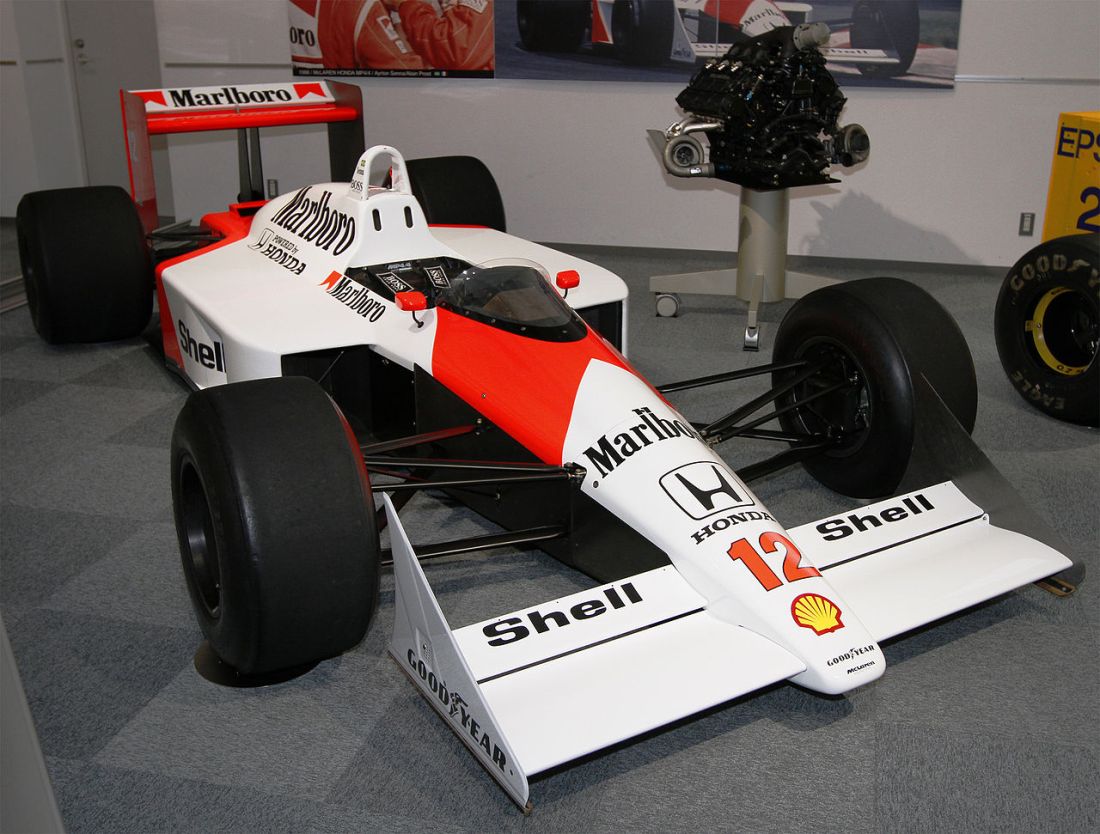
Photo: The MP4/4 of Ayrton Senna at Honda Collection Hall in 2010 by Morio, CC BY-SA 3.0, via Wikimedia Commons
There’s a lazy idea that Japanese cars in the 1980s were all beige boxes. Some were. Loads of cars from every country were beige boxes back then. But Japan also put out cars that made people grin, and it proved its engineering on the biggest racing stages. Take 1988 in Formula One. Honda’s own archive on the McLaren Honda MP4/4 says the car won 15 of the 16 grands prix that year, driven by Alain Prost and Ayrton Senna. You don’t need to be a racing geek to get what that means. It means Honda could build an engine that didn’t just survive the season, it helped dominate it. Racing pushes ideas about reliability, cooling, materials, and making parts work together under huge stress. And even if a family hatchback isn’t a race car, the confidence you build in the sport can spill into road cars. On the road-car side, Toyota launched the MR2 in June 1984 in Japan, and Toyota’s UK magazine says it reached the United Kingdom range about six months later. It was a small two-seater with its engine placed behind the seats, which made it feel a bit exotic without needing a supercar budget. And Nissan brought back the Skyline GT-R in 1989 after a 16-year gap, according to Nissan’s own heritage page. These cars mattered because they smashed the idea that Japan only did “cheap and cheerful.” They showed Japan could do clever layouts, sharp handling, and serious pace, while still keeping that “built right” feel people loved.
So, what do you do with this story in real life on our roads?
First, remember why 1980s Japan caught fire: people wanted cars that were reliable, sensible on fuel, and built with care. Those priorities still make sense on the M60, and they still shape the used market. A well-looked-after Toyota, Honda, Mazda, Nissan, Suzuki, or Lexus can feel like an easy choice because the brand image was built in that era. But you still need to check the basics, because time and miles change everything. Start with the boring stuff, because the boring stuff saves you money. Ask for service records and receipts, not just a quick “yeah, it’s been looked after.” Take a slow walk around the car in daylight and look down the sides for waves in the paint, because that can hint at old repairs. Look at tyre edges for uneven wear, and listen for clunks over a rough bit of road, like the kind you get on the back streets near Reddish or off the A57. Check that the heater gets warm and the windows clear fast, because Manchester rain doesn’t care if you’re late. And don’t ignore rust. Older cars, from any country, can pick it up after years of salty winter roads and damp driveways. Then do the sensible paperwork bit. Make sure the mileage story makes sense, check the number of previous owners, and get a full vehicle history check so you’re not buying somebody else’s unpaid bill. If finance is part of the plan, a soft search is a decent first step because it lets you see a likely deal without denting your credit score. And don’t get starry-eyed about a badge, Japanese or otherwise. A car is a car. It either has been cared for, or it hasn’t. That’s where we keep things simple at Dace Motor Company, whether you’re visiting our Stockport sites or popping over to Eccles. We check cars before sale, we include a free three-month warranty, and we’ve got people on hand to talk you through funding without the hard sell. The 1980s taught drivers to demand better. We’re glad they did.