



Top 10 Weird Things Drivers Do That Damage Their Cars
You know how it is. You get used to your own car’s little habits. The squeak from the brakes. The odd clunk over a speed bump. The warning light that came on once, went away, then came back like it pays rent on the dashboard.
At Dace Motor Company, we see drivers from across Stockport, Manchester, Reddish, Eccles, and the wider North West, and plenty of car damage starts with tiny habits. Nothing dramatic. No smoke pouring out on the M60. Just everyday stuff that slowly wears a car down.
The good news? Most of it is easy to stop once you know what’s going on. GOV.UK says drivers should check simple things like lights, brakes, fluid levels, battery, and tyres as part of keeping a car safe to drive. TyreSafe also reminds drivers that tyres need enough tread to grip properly, especially on wet roads. Very Manchester problem, that. Rain, puddles, spray, repeat.
1. Ignoring Strange Noises And Turning The Music Up

We’ve all done it. The car makes a noise. You pause. You listen. Then you turn the radio up and pretend it’s fine.
That tiny squeal from the brakes might be worn pads. That clonk over the speed bumps near the school run might be suspension. That low hum from a wheel might be a tyre or bearing issue. Cars are pretty good at giving hints before they fully throw a tantrum. The trouble is, we humans are great at pretending hints don’t count.
A strange noise doesn’t always mean a huge bill. Sometimes it’s something simple. A loose heat shield. A stone stuck near a brake disc. A tyre wearing unevenly. But leaving it can turn a small fix into a bigger mess. Brakes are a good example. If worn pads are left too long, they can start damaging the discs. Then you’re no longer talking about a small job. You’ve invited the whole family round.
The easy habit is this: if a noise is new, repeated, or getting louder, don’t wait weeks. Make a note of when it happens. Is it when braking? Turning? Going over bumps? Starting cold? That little bit of detail helps a garage find the problem faster.
And please, don’t let your playlist become your repair plan.
2. Resting Your Foot On The Clutch
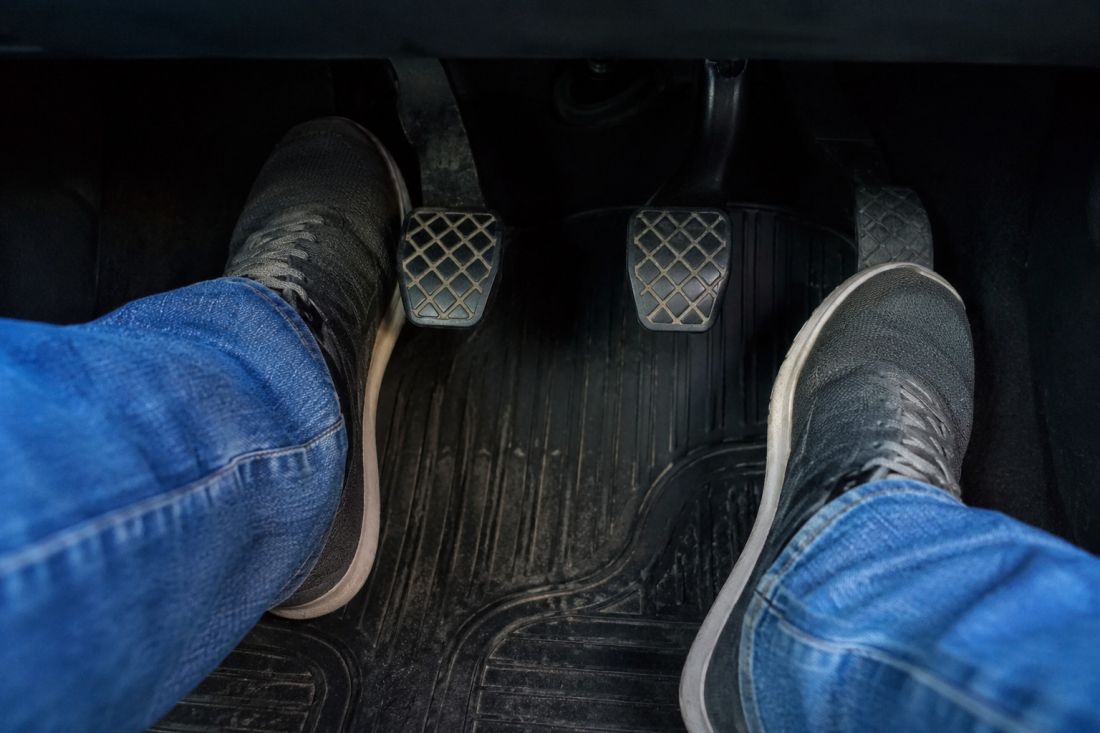
This one is sneaky because it feels harmless. Your left foot sits there, just touching the clutch pedal, while you crawl through traffic on the A6 or wait near the lights in Stockport. No big deal, right?
Well, it can be.
The clutch is meant to be pressed, used, then left alone. If your foot rests on it, even lightly, parts inside the clutch can stay under pressure. That can wear things out faster than needed. It’s a bit like holding a door handle halfway down all day, then acting surprised when the latch gets tired.
This habit is common in stop-start traffic. Manchester gives us loads of that. Match day queues. School run traffic. The slow shuffle around retail parks on a rainy Saturday. You start hovering over the clutch because you’re ready to move at any second.
A better habit is to put the car in neutral when you’re stopped for a short while, keep your foot off the clutch, and use the handbrake if needed. Your left leg gets a rest, and so does the car.
If you drive an automatic, the same idea still counts in a different way. Don’t keep nudging between drive and reverse while the car is still moving. Let it stop properly first. Gearboxes like calm decisions. Not panic.
3. Using The Clutch To Hold The Car On A Hill
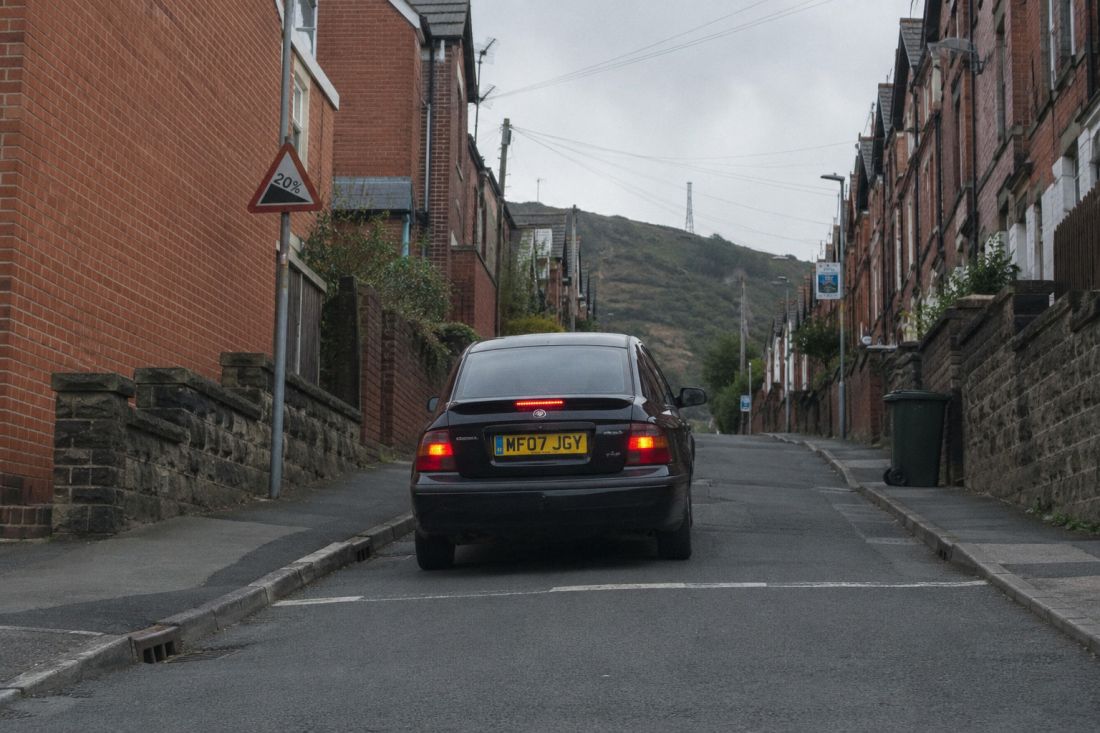
Ah, the hill hold shuffle. A proper classic.
You’re on a slope. Maybe somewhere around Edgeley, or on a hill heading out to the Peak District. Instead of using the brake or handbrake, you balance the car with the clutch and accelerator. The car hangs there, vibrating a little, smelling a bit warm, and you feel like a driving genius.
Your clutch disagrees.
Holding a car on the clutch creates heat and wear. That burnt smell some drivers notice after a hill start? That’s your clutch telling you it’s having a rough day. Do this again and again, and the clutch can wear out far sooner than it should.
The fix is simple. Use the brake or handbrake to hold the car still. Then move off smoothly when it’s your turn. Modern cars may have hill-hold help, but even then, don’t fight the system or sit there slipping the clutch.
This is one of those habits that can save real money. A clutch is not the cheapest thing to replace. And to be honest, no one wants their car to start slipping halfway through a busy junction while someone behind leans on the horn like they’re playing at the AO Arena.
4. Smacking Potholes And Speed Bumps Like They Owe You Money
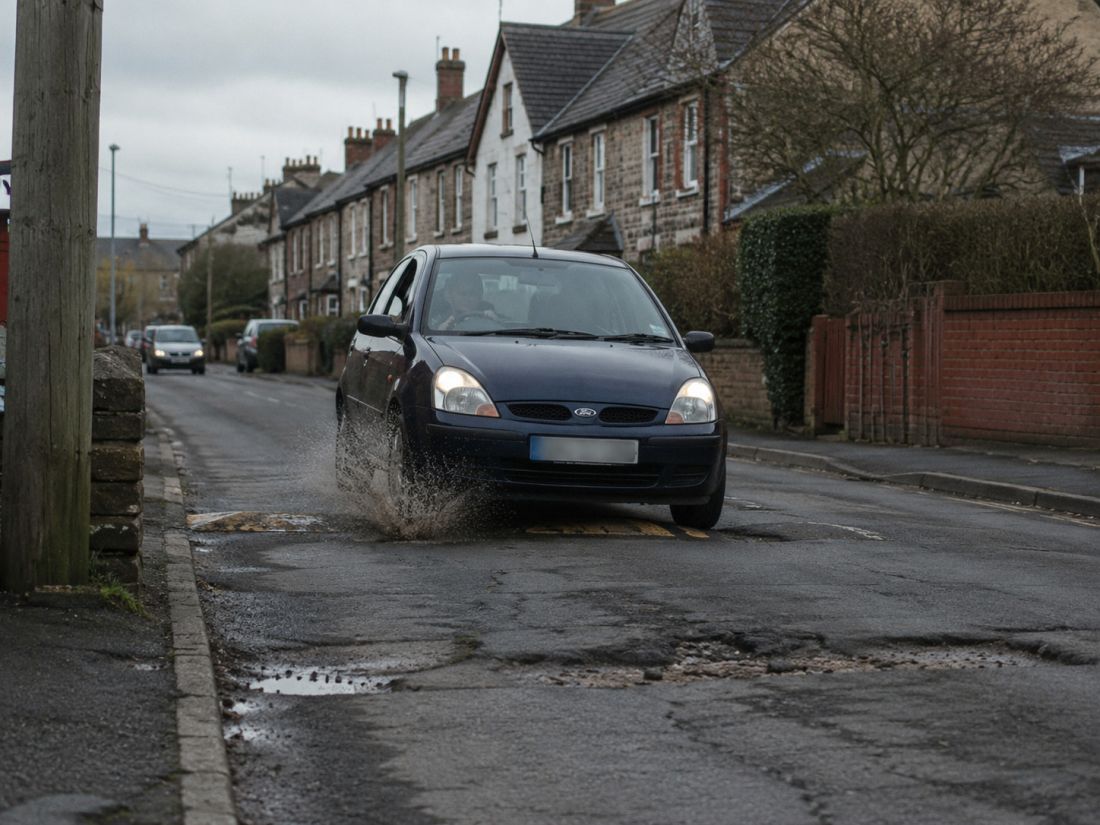
The roads around Greater Manchester can be a mixed bag. One minute you’re rolling along nicely, the next there’s a pothole big enough to make you apologise to the car.
Hitting potholes hard can damage tyres, wheels, suspension, steering alignment, and bits underneath the car. Speed bumps are the same if you take them too fast. Your car might survive it once, twice, ten times, then one day the steering feels off or the tyre develops a bulge.
The weird thing is how normal this habit becomes. Some drivers barely slow down. They brace themselves, wince, then carry on. But every hard hit sends a thump through parts that are meant to be strong, not invincible.
Try to scan the road ahead. Leave space from the car in front so you can see what’s coming. Slow down before speed bumps, not while bouncing over them. And if you do hit a pothole hard, check the tyre sidewall when it’s safe. Look for lumps, cuts, or anything that seems wrong.
If the steering wheel pulls to one side after a bang, don’t ignore it. That could mean the alignment has been knocked out. Left alone, it can chew through tyres faster than you’d expect.
No fuss. No drama. Just slow down for the ugly bits.
5. Letting Tyre Pressure Become Tomorrow’s Problem
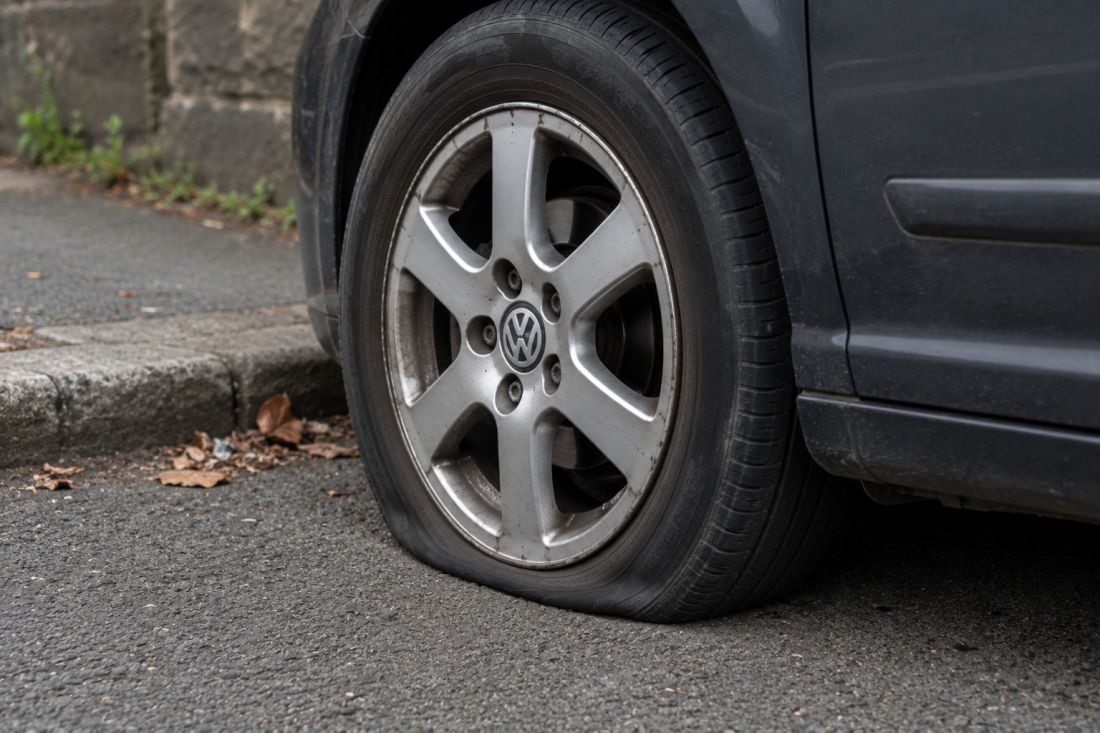
Tyres are easy to forget because they don’t complain much. They just sit there, looking round, doing their job. Until they don’t.
Driving with the wrong tyre pressure can wear tyres unevenly, hurt fuel use, and make the car feel less steady. Michelin says underinflated tyres can wear faster and create extra heat, while overinflated tyres can wear more in the centre and feel worse on wet roads. TyreSafe also says UK car tyres need at least 1.6mm of tread across the required area, and drivers should check tyres monthly and before long trips.
That matters in Stockport and Manchester because wet roads aren’t rare here. If you’re heading down the M60 in heavy spray, your tyres are doing serious work. Low tread and poor pressure make that job harder.
Here’s the easy move. Check pressures when the tyres are cold, or close to cold. Use the pressure shown in your car handbook or inside the fuel flap or door frame. Don’t guess from the number on the tyre wall, that’s not your normal driving pressure.
And check all four. The sad-looking back tyre counts too.
It takes a few minutes at a petrol station. Less time than queueing for a brew. And it can save your tyres, your fuel, and maybe your day.
6. Driving Around With Hardly Any Fuel
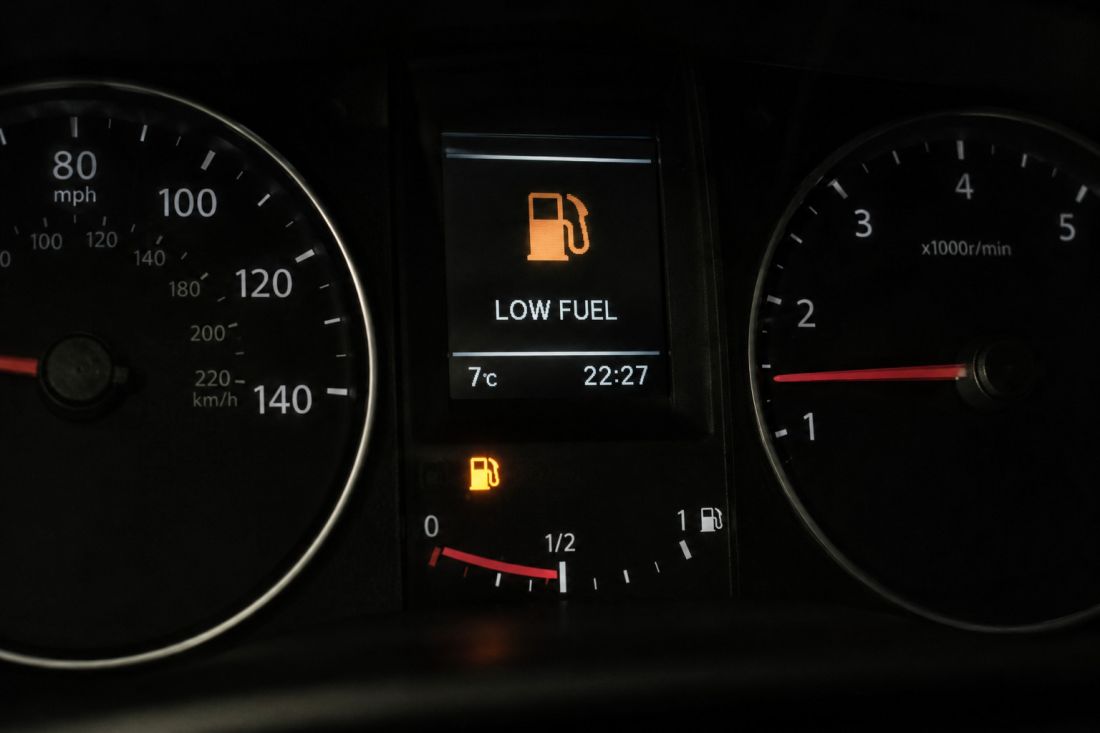
Some drivers treat the fuel light like a challenge. The light comes on, and suddenly it’s a game. Can we make it from Reddish to Eccles? Can we squeeze in one more school run? Can we risk the motorway?
Yes, sometimes you’ll get away with it. But it’s still a daft habit.
Running very low on fuel can leave you stranded, which is bad enough. It can also make the fuel system work harder, especially if there’s dirt or debris sitting at the bottom of the tank. Modern fuel systems are built well, but they’re not magic. They like clean fuel and a steady supply.
There’s also the stress side. Once that light comes on, every traffic jam feels personal. Every red light feels rude. And if you’re stuck near the Trafford Centre on a busy weekend, good luck staying relaxed.
You don’t need to keep the tank full all the time. That’s not realistic for everyone, especially with fuel prices doing their usual nonsense. But try not to live on fumes. Refuel before the warning light becomes your regular driving partner.
A car that runs out of fuel can also be a safety issue if it stops somewhere awkward, like a slip road or a busy junction. Nobody wants that. Especially not in rain. Especially not with kids in the back asking if you meant to do that.
7. Ignoring Warning Lights Because The Car Still Drives
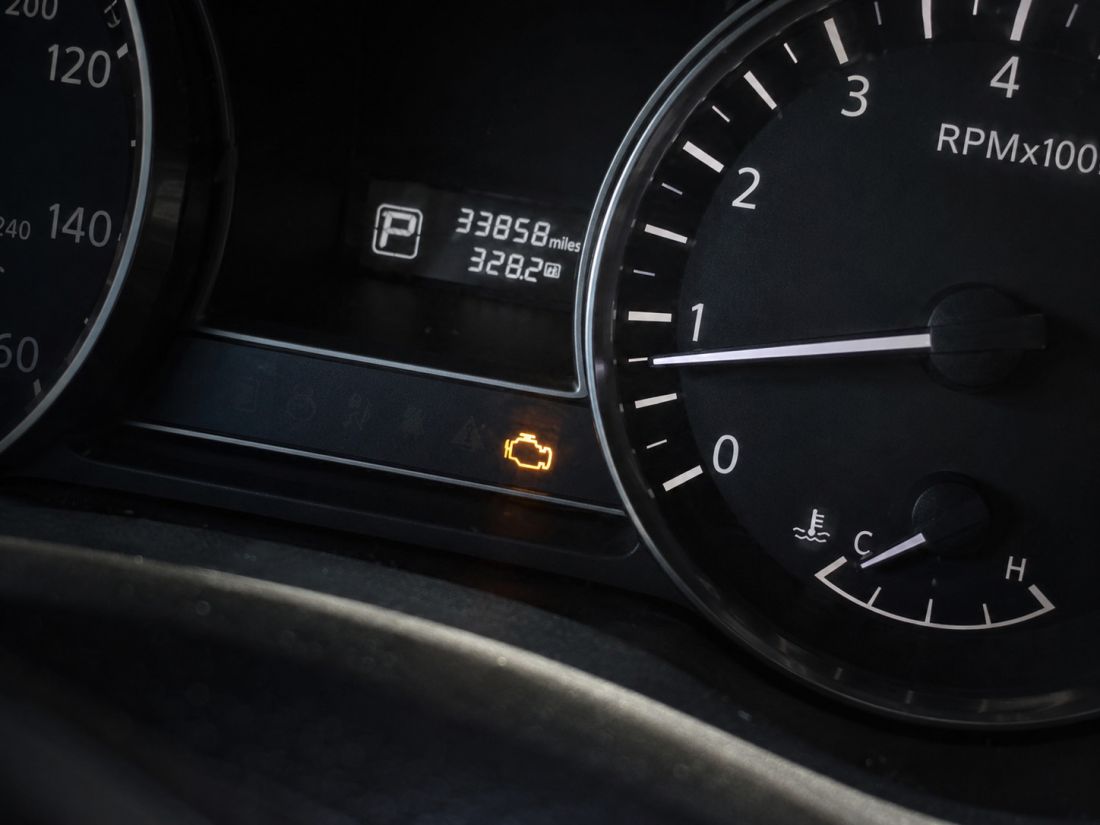
This is the car version of saying, “I’m fine,” while clearly not being fine.
A dashboard warning light doesn’t always mean stop right this second. Some are reminders. Some are alerts. But red warning lights need proper respect. RAC says a red brake warning light means you should not drive, and coolant warnings can lead to serious damage if ignored. RAC also says a battery warning light should be checked by a qualified mechanic as soon as possible. ([RAC][3])
The weird habit is carrying on because the car still moves. But cars can keep moving while something is going wrong. Low oil pressure, overheating, brake problems, charging faults, these aren’t “see how it goes” issues.
If a warning light appears, check the manual. If it’s red, stop safely. If it’s amber, get it checked soon rather than letting it sit there for months. And if the car feels different, smells hot, makes new noises, or loses performance, don’t keep pushing it.
A lot of expensive repairs start as one ignored light. The car tried to tell you. You didn’t fancy listening. Fair enough, we’re all busy. But the car will have the last word, and it usually speaks through your wallet.
Keep it simple. Light on, find out why. Don’t let the dashboard become a Christmas tree.
8. Loading The Car Like You’re Moving House Every Day
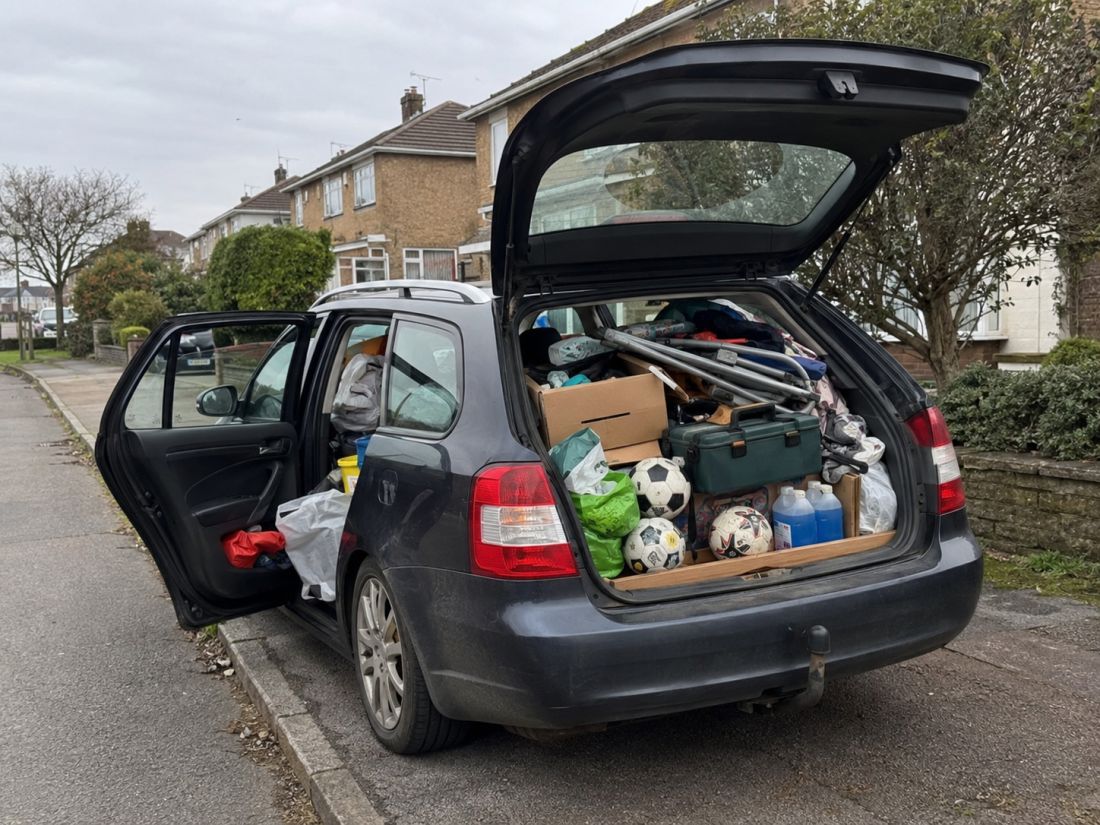
Boots are handy. Back seats are handy. Roof boxes are handy. But a car isn’t meant to carry half your garage forever.
Extra weight makes the engine, brakes, tyres, suspension, and clutch work harder. One heavy trip is fine if the car is rated for it. Carrying piles of tools, old sports kit, boxes, bags, and mystery items every day is different. It’s like walking around with a full suitcase for no reason.
This can hit fuel use too. More weight means the car needs more effort to move. Brakes have more work to slow it down. Tyres carry more load. Suspension sits lower. You may barely notice day to day, but over months it adds up.
Have a boot clear-out now and then. Be honest. Do you really need the broken camping chair, two bottles of screenwash, a bag of old clothes, three footballs, and that thing you were meant to return in February?
If you carry heavy loads for work, check your tyre pressures for loaded driving. Many cars have different pressure settings for heavy loads. Again, the handbook or door sticker is your friend.
And if you use a roof box, take it off when you’re done. Leaving it on all year because “it might be useful” is the kind of thinking that quietly costs you fuel.
Your car will thank you. Quietly, because cars are like that.
9. Treating The Brakes Like An On-Off Switch
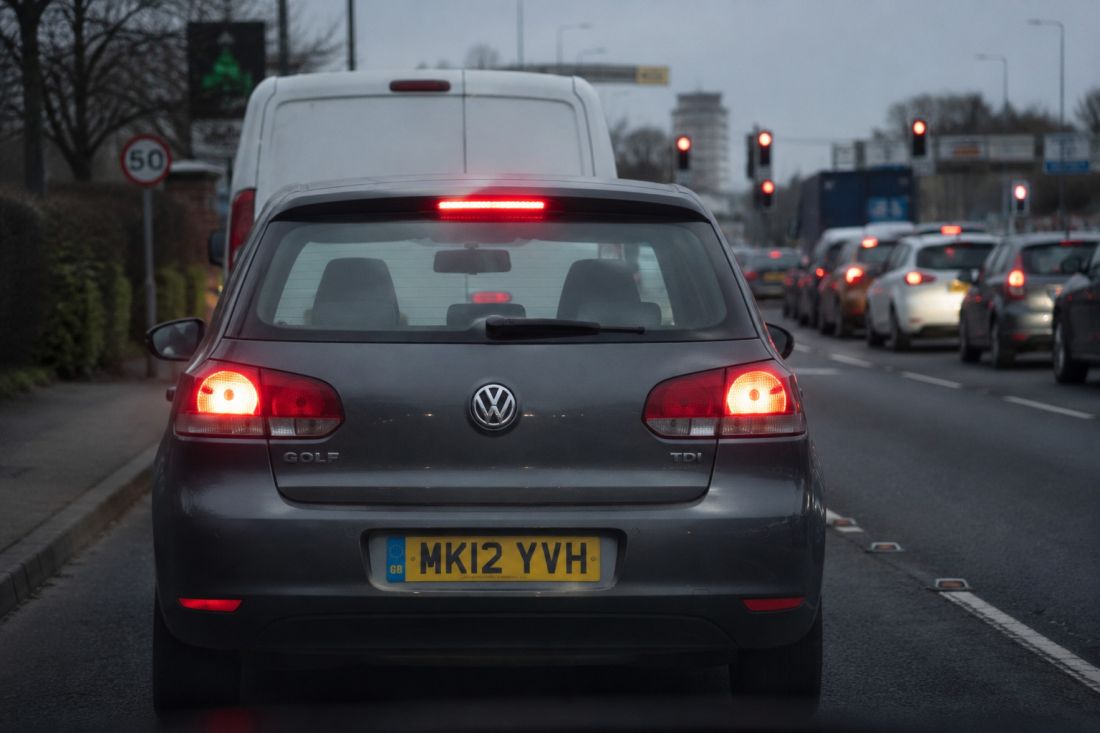
Some drivers brake late, hard, and every time. No gentle slowing. No reading the road. Just accelerate, brake, accelerate, brake, like they’re trying to annoy everyone from here to Salford.
Hard braking now and then is normal. Life happens. Someone pulls out. A bus stops. A pedestrian crossing changes. But constant harsh braking wears pads and discs faster, heats things up, and makes driving feel more frantic than it needs to.
There’s another side too. Riding the brakes downhill can make them hot. Long downhill roads outside the city, especially heading back from a weekend run near the Peaks, can put a lot of heat into the braking system if you drag the brake pedal all the way down.
The better habit is to look further ahead. Ease off the accelerator earlier. Keep a safe gap. Brake smoothly. Let the car settle. You’ll use less fuel, save wear, and your passengers won’t feel like they’re being tipped into the glovebox every five minutes.
If your brakes squeal, grind, pulse, or feel soft, get them checked. Don’t wait for the next service if something feels wrong. Brakes are one of those things you really want working before you need them.
There’s no prize for stopping at the last possible second. Unless the prize is a repair bill, in which case, no thanks.
10. Doing Loads Of Tiny Trips And Never Giving The Car A Proper Run
Short trips are part of life. School. Shops. Gym. Dropping something off. Picking someone up. The classic “I’ll only be five minutes,” which turns into half an hour.
The issue comes when a car does little else. RAC says frequent short trips can stop the battery from fully recharging, which can reduce charge capacity over time. That’s why some cars seem fine all week, then refuse to start on a cold morning when you’re already late.
Short trips can be tough because the engine may spend much of its time cold. Oil needs time to move around well. The battery needs time to regain charge after starting. Exhaust systems can hold moisture if they never get properly warm. None of this means you must take a lap of the M60 after every trip to the corner shop. That would be silly.
But if your car mostly does tiny trips, give it a longer drive now and then if it suits your week. Also keep an eye on battery health, especially in winter. If the starter sounds slow, lights dim more than normal, or the car struggles after sitting, don’t ignore it.
A good used car can cope with normal life. It just doesn’t love being woken up, moved 800 metres, switched off, then asked to do it again all day like a very grumpy taxi.
A Few Small Habits That Save A Lot Of Hassle
You don’t need to become a mechanic. Nobody’s asking you to lie under the car with a torch while your tea goes cold.
Just listen to the car. Check the tyres. Don’t ignore warning lights. Use the clutch kindly. Slow down for potholes. Keep fuel in the tank. Clear the boot. Give the battery a fair chance. That’s most of it.
At Dace Motor Company, we’re around used cars every day, from small runabouts to family cars and bigger four-by-fours across Stockport and Manchester. The same pattern comes up again and again: the drivers who catch little problems early usually have fewer big surprises later. Dace Motor Company’s local details and showroom information come from the company brief provided for this post.
And let’s face it, cars already cost enough. Fuel, insurance, parking, repairs, the lot. So if a few tiny changes can help your car last longer, it’s worth doing.
Not in a fussy way. Just in a normal, sensible, “I’d rather not be stuck at the roadside in the rain” kind of way.