



Top 10 Things That Instantly Devalue Your Car (Most People Do Them)
1. Letting the service record turn into a mystery
Here at Dace Motor Company, picture a driver from Stockport or Manchester who’s looked after than the paperwork makes it seem. The oil was changed. The brakes were done. A new battery went in one winter morning before the school run. But where are the invoices? Somewhere in a drawer, in an old email account, or gone with the recycling. That’s a problem because a buyer can’t see your good intentions. They can see a gap. And a gap makes people wonder what else was skipped. A full service record tells a simple story: this car got the care it needed, at the right times, and there’s proof. Auto Trader says gaps in service records can reduce a car’s value, while the AA advises keeping service stamps and repair receipts because they show how the car has been cared for. Think about buying a used bike with no clue whether the chain was ever oiled. You’d offer less, just in case. Cars are the same, only the bill for getting it wrong is much bigger. Keep the service book, invoices, tyre receipts, battery receipt and any repair emails together. Take clear phone photos of paper receipts too, because till ink fades and paper vanishes at the worst moment. If your garage stores records online, ask for a printout or an emailed copy before you sell. Don’t leave it until someone is standing on your drive, looking at the car with their arms folded. A neat folder costs nothing, yet it can stop a perfectly cared-for car from looking like a gamble.
2. Hoping a dashboard warning light will somehow stop showing
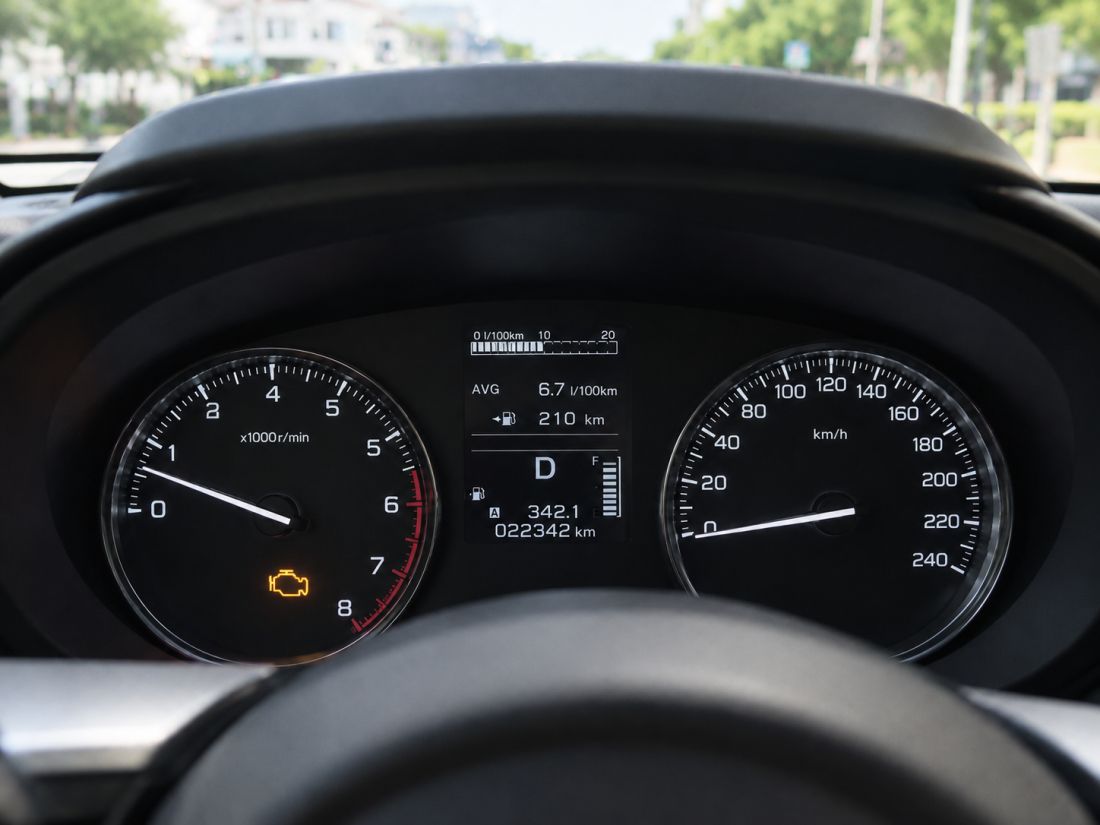
You know how it is: a light comes on, the car still starts, and life is busy. There’s work, the Trafford Centre run, football practice, then the next thing you know you’ve been staring at that little amber symbol for two months. To a buyer, a lit warning lamp isn’t background decoration. It’s a question with a price tag attached. Is it a small sensor? A braking fault? Low oil pressure? A fault that’s been ignored until it became costly? Even if the fix turns out to be simple, a viewer has no reason to assume the best. Which? advises dealing with warning lights before selling because a buyer seeing one is likely to lose confidence and lower what they’ll pay. That makes sense. Nobody wants to buy a car and book it into a garage before they’ve even enjoyed the first drive. If a light comes on, check the handbook to see what it means. A low screenwash message is one thing. A warning involving brakes, oil, overheating or safety equipment needs proper attention straight away. Keep the receipt once it’s fixed, and leave it with the car records. That turns an awkward chat into a reassuring one: yes, there was a fault, yes, it was sorted, and here’s the proof. Also, don’t cover lights, clear a fault without repairing its cause, or pretend you’ve never seen it. Buyers aren’t silly. Many will test every switch and look closely at the dashboard when the engine starts. An honest repair is far cheaper than the big drop in trust caused by a glowing symbol and a shaky story.
3. Leaving dents, scratches and bird mess for “another weekend”
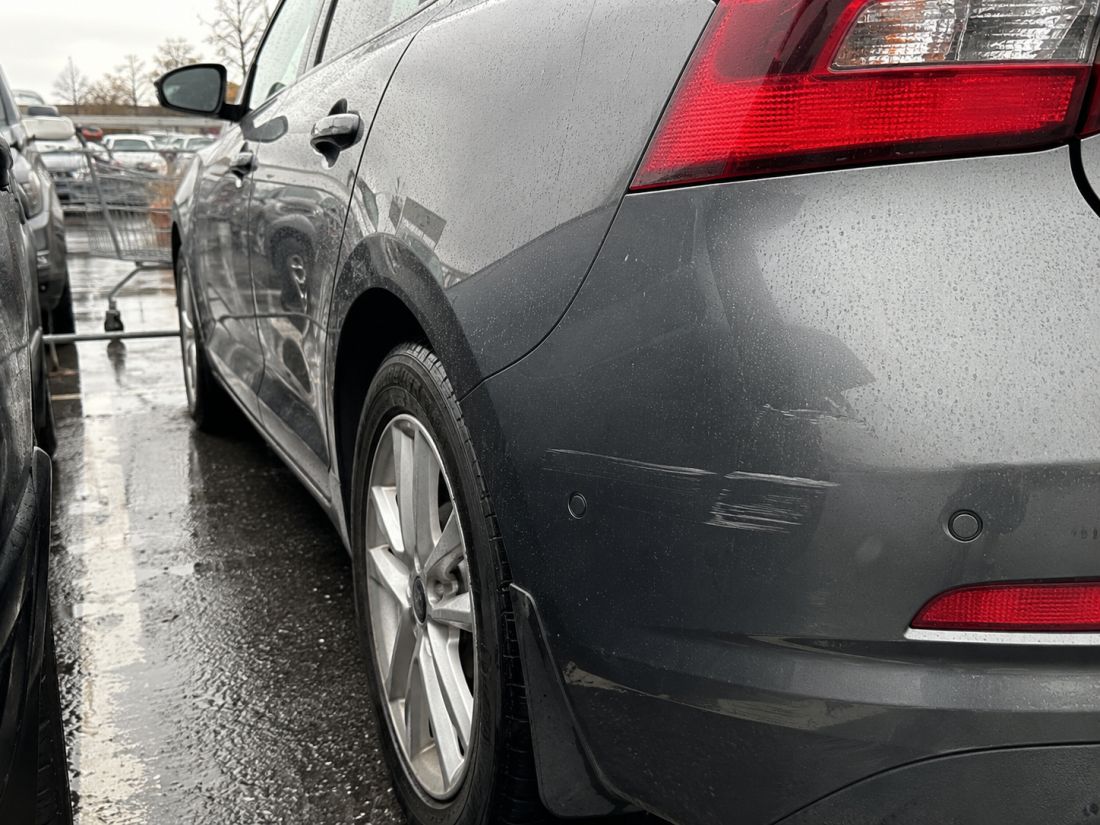
A little scrape near the rear bumper can feel harmless, especially after a tight squeeze into a rainy Stockport car park. A door ding from somebody else’s trolley? Annoying, yes, but easy to forget. The trouble begins when all those tiny marks sit together in a buyer’s first glance. They don’t see the moment each mark happened. They see a car that looks neglected. Auto Trader says damage beyond minor wear is likely to reduce a car’s value, and Which? says even small dents and scratches can put buyers off in photos or face to face. First impressions hit fast. A clean, tidy car says “somebody cared.” A bonnet peppered with chips, dried bird mess and cloudy scuffs says “budget for repairs.” Bird mess is especially easy to deal with early and unpleasant to tackle once it has sat on paint for days in the sun. Clean it away gently as soon as you spot it, using proper car-cleaning products rather than a rough sponge that makes the paint look worse. For small marks, get a sensible quote before spending money. A cheap car with one light scratch may not need a full body-shop visit, while a newer car with a deep scrape on a bright door panel may be worth repairing before sale. Be honest with yourself. If the mark is the first thing your eye finds when you walk up to the car, it’ll be the first thing a buyer sees too. And yes, Manchester rain hides a few flaws in photos, but it won’t hide them during a dry viewing under a streetlight or on a forecourt.
4. Letting the inside smell like old chips, smoke or wet dog
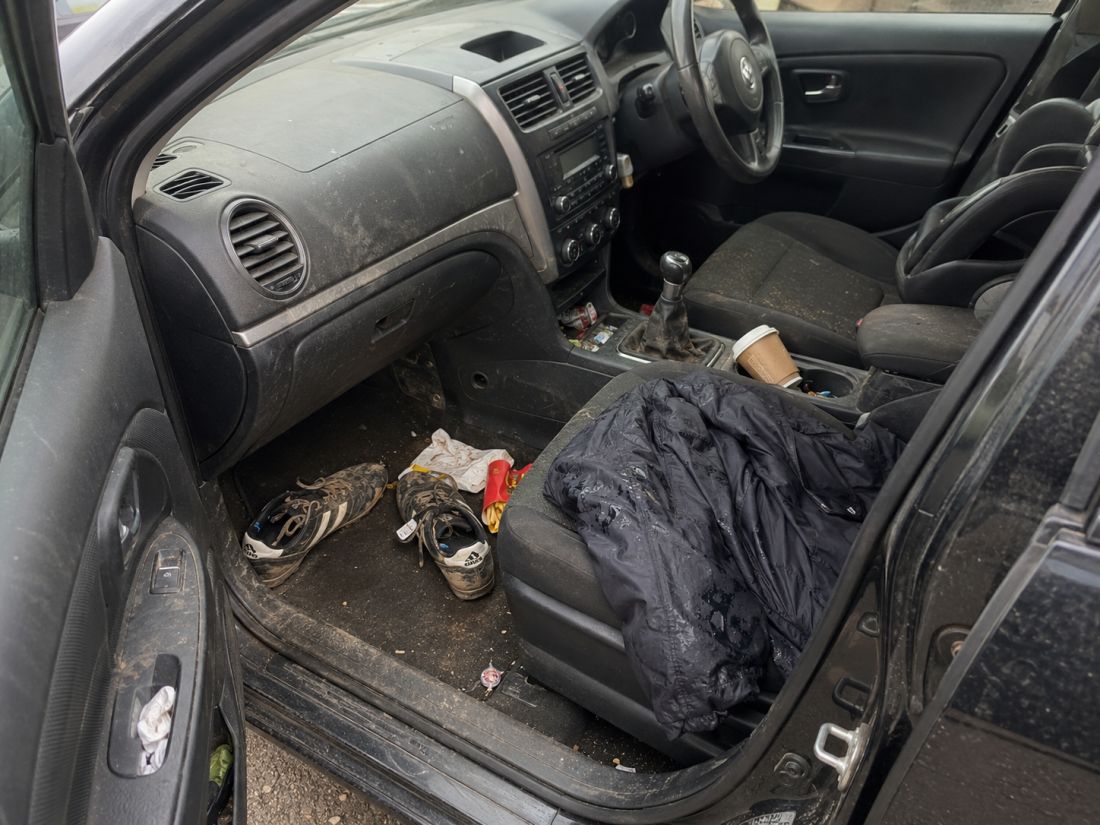
A car can look shiny in an advert, then the door opens and the deal starts sliding downhill. Stale smoke, spilled coffee, damp coats, fast-food wrappers, muddy football boots and that mysterious sweet under the child seat all send the same message: this car hasn’t had an easy life. Some smells cling to fabric, roof lining and air vents. Smoke is the big one. Plenty of buyers will walk away before they’ve checked the mileage, because they don’t want to spend weeks trying to remove a smell that might never fully leave. The same goes for deep stains, sticky buttons and pet hair pushed into every corner of the boot. This isn’t about pretending a family car was kept in a museum. We all live in our cars a bit. A Saturday trip across Manchester can mean snacks, rainwater, crumbs and a boot full of bags. But leaving grime to settle is an avoidable hit. Use mats, empty rubbish after journeys, wipe spills when they happen and vacuum under seats from time to time. Before selling, remove personal clutter, clean the glass inside, wipe the dashboard with a suitable product and air the cabin properly. Don’t drown a bad smell in a hanging air freshener. Buyers notice that trick, and it makes them search harder for the cause. If you smoke in your car, the kindest advice is blunt: stopping that habit inside the car protects its appeal. A buyer wants to picture their own mornings behind the wheel, not inherit last year’s takeaway smell on the school run. Clean doesn’t need to mean spotless. It needs to feel looked after, fresh and ready for someone else.
5. Running tyres down and grinding alloy wheels against kerbs
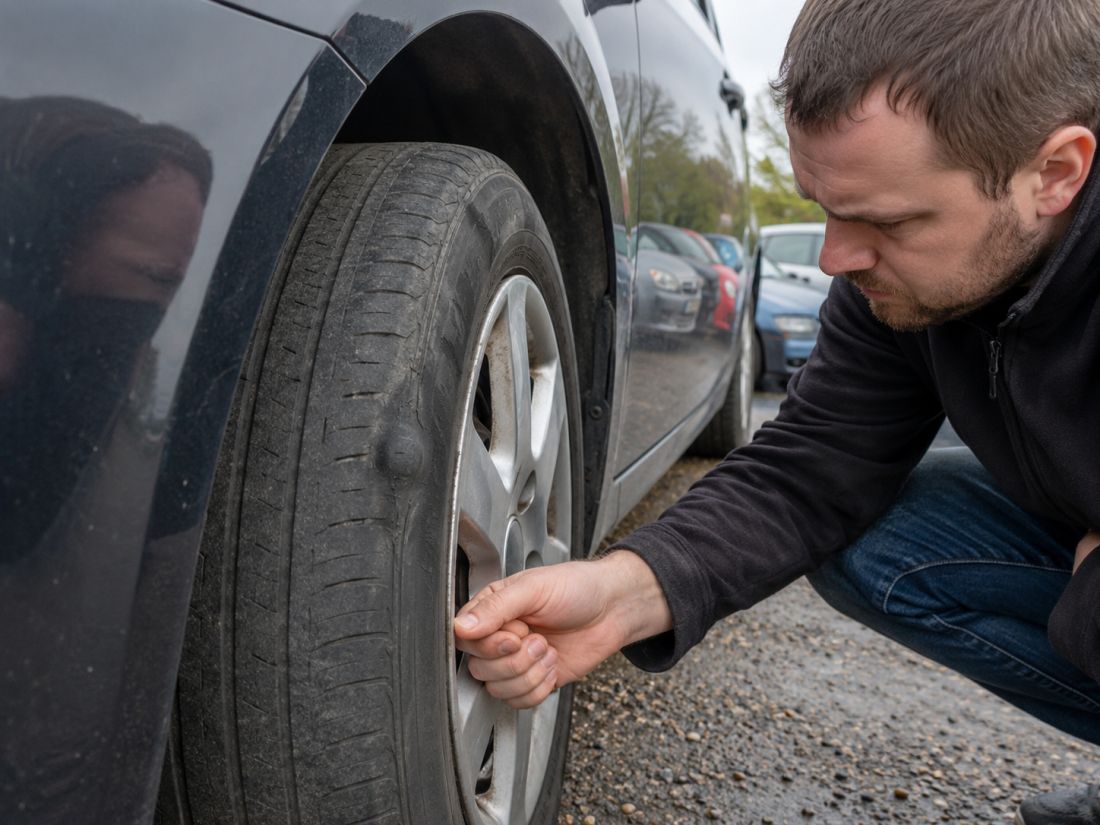
Tyres are one of those things drivers notice late, right up until a buyer crouches down for ten seconds and spots the problem. Thin tread, cracks, a bulge on the side or four mixed tyres at different stages of wear can make a car feel like an expense waiting to happen. Which? points out that poor tyres can put buyers off because they mean extra cost and raise doubts about care. In the United Kingdom, tyre tread must meet a legal minimum of 1.6 millimetres across the central three quarters of the tread and around the tyre. That’s a safety rule, not a selling trick. Check the tread well before your car goes up for sale, and check the sidewalls too. A tyre with damage isn’t a job for later. Then there are alloy wheels. One brush with a kerb outside a tight café parking bay is easily done. Four badly scuffed wheels make the whole car look rough, even when the bodywork is tidy. That doesn’t mean every small mark needs an expensive repair. On an older, affordable runabout, buyers may accept light scuffs. On a newer car, clean wheels can make a sharp difference to how the vehicle feels at first look. Also, don’t hide tyre issues by applying glossy dressing over cracked rubber or turning a damaged wheel away from view in photos. A buyer who discovers it during inspection won’t just price the tyre or wheel repair. They’ll start wondering what else has been hidden. Keep tyre pressures correct, replace unsafe tyres, and be realistic about wheel repairs. A car standing confidently on safe, decent tyres feels cared for before the test drive has even begun.
6. Ignoring your annual test record and outstanding safety recalls
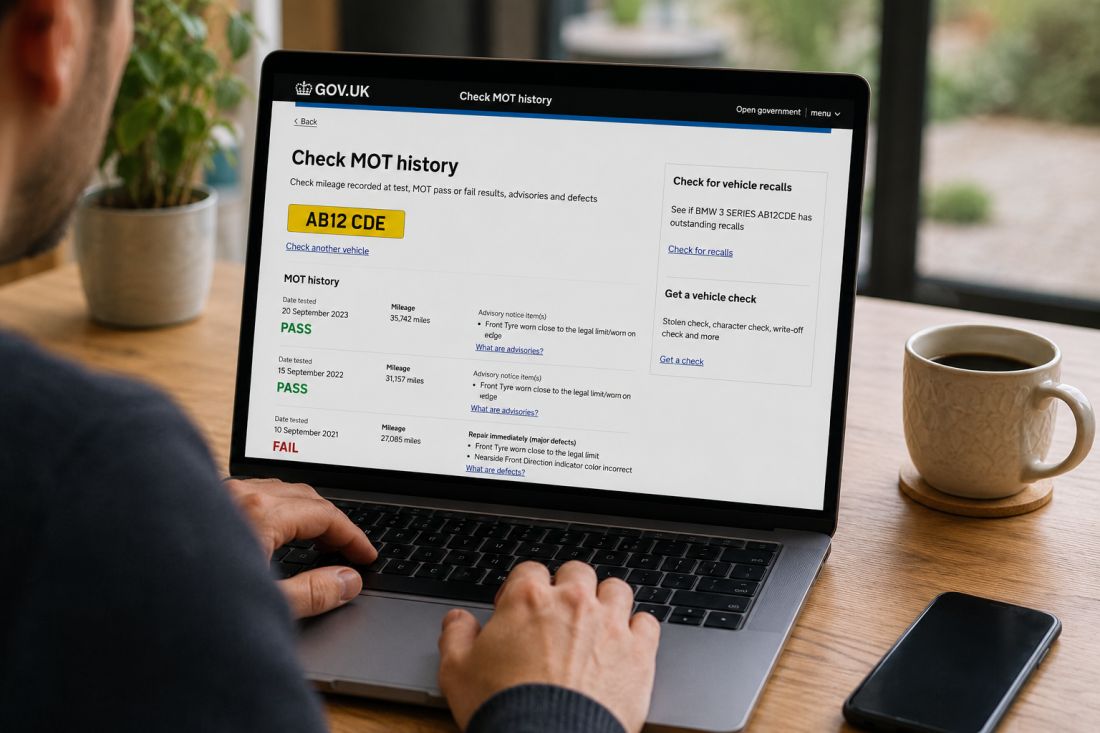
A car’s annual roadworthiness test history isn’t tucked away where nobody can find it. In Great Britain, a buyer can use the government service to view past pass or fail results, mileage recorded at the test, failed parts, minor problems listed and, where available, safety recall information. That means the person coming to see your car may already know about the tyre advisory that appeared three years in a row, or the broken light that turned into a failure because nobody sorted it. An advisory doesn’t automatically make a car bad. Life is real, parts wear, and repairs need planning. What hurts is a pattern that looks like the car was repaired only when it had no choice. Before selling, check your own history online using the registration number. Read it as a buyer would. If a recent note points to tyres, brakes, lamps or suspension, have the car inspected and fix what needs fixing. Then keep the receipt. If the test is due soon, consider getting it done before advertising, so a buyer isn’t being asked to take on immediate uncertainty. Check for safety recalls too. Recalls can happen to well-kept cars, and dealing with one is about safety and openness, not embarrassment. The worst approach is acting surprised when a buyer has already seen the official record on their phone. Picture meeting someone for a viewing near Reddish Vale, only for them to ask about a repeated test note you didn’t prepare for. Awkward. A few minutes checking the official history, followed by sensible repair work where needed, can make the viewing calm, factual and far less likely to end in a knocked-down offer.
7. Adding changes that suit you but shrink the crowd of buyers

Your car is yours, and it’s fair to want it to feel personal. Darkened lamps, loud exhausts, extreme suspension changes, bold wraps, oversized wheels or a cabin packed with added screens might make you smile every time you unlock it. Selling is different. The next owner needs to like those choices too, and the group of people who want a heavily changed car can be smaller than the group looking for one that feels close to standard. The AA says changes to a car can hurt its resale value and advises keeping them reversible where possible. Auto Trader also lists modifications as something that may increase or decrease value, because appeal depends on what was changed and who wants it. A clean set of quality wheels on the right car may attract somebody. A very loud exhaust on a quiet family hatchback may send them straight to the next advert. There’s another worry in a buyer’s head: were the changes fitted well, and has the car been driven hard? That worry can appear even if you’ve treated the car carefully every day. Before fitting a big visual or mechanical change, keep the original parts if you have room. Store receipts and fitting paperwork. If you later sell the car, you may be able to return it to a standard look or show that the work was done properly. Be upfront about changes in an advert and with your insurer while you own the car. The key point is simple: personal style is personal. A bright choice that makes your car perfect for you can make it less appealing to the parent, commuter or first-time driver who would otherwise have bought it.
8. Losing the spare key, handbook and repair receipts
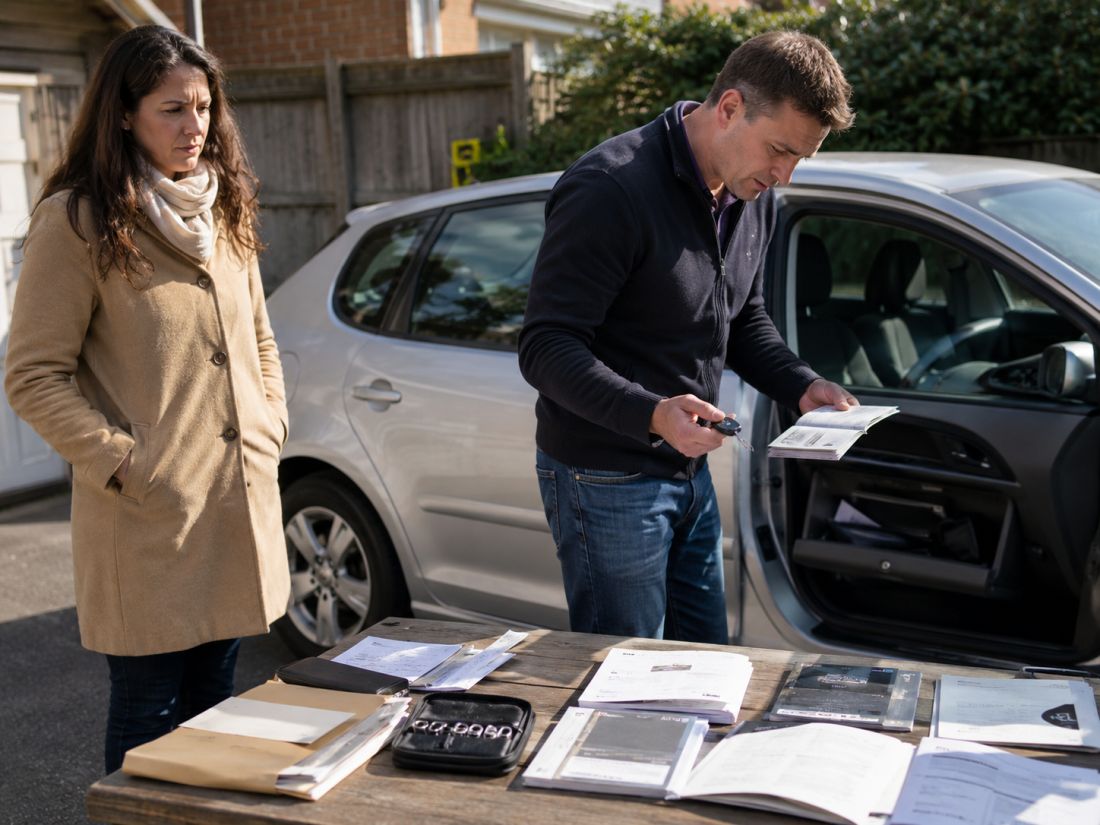
Here’s a surprisingly common sale-day scramble: the car is washed, the buyer is keen, the deal is nearly there, and then someone asks for the spare key. Silence. Drawers are searched. Old coat pockets are checked. Nothing. A missing spare key doesn’t make the car unsafe or unloved, but it creates a fresh job and a fresh cost for the next owner. The same goes for the handbook, locking-wheel key, parcel shelf, charging cable on a plug-in car, service invoices and proof of major repairs. Which? recommends gathering the logbook, annual test certificates, service book, manual, invoices and receipts before selling, because good paperwork helps buyers feel comfortable. That comfort matters. A car with two keys, tidy records and all its original pieces feels easy to own. A car with one key, no manual and a story about receipts being “somewhere at home” feels like work. Start a car folder when you buy, not when you sell. Put the spare key somewhere safe and write down where it is. Keep the locking-wheel key with the car’s tool kit, not loose in a kitchen drawer. Save digital invoices in a folder labelled with the registration number and date. If you’ve lost something, deal with it early. A replacement spare key may cost money, but producing two working keys can stop that missing item becoming a bargaining point in the buyer’s hands. We’ve all put something somewhere “safe” and made it impossible to find again. Cars are expensive enough without letting a tiny bit of lost plastic and metal knock confidence at the exact moment you’re trying to agree a fair price.
9. Treating small mechanical signs as noises to live with
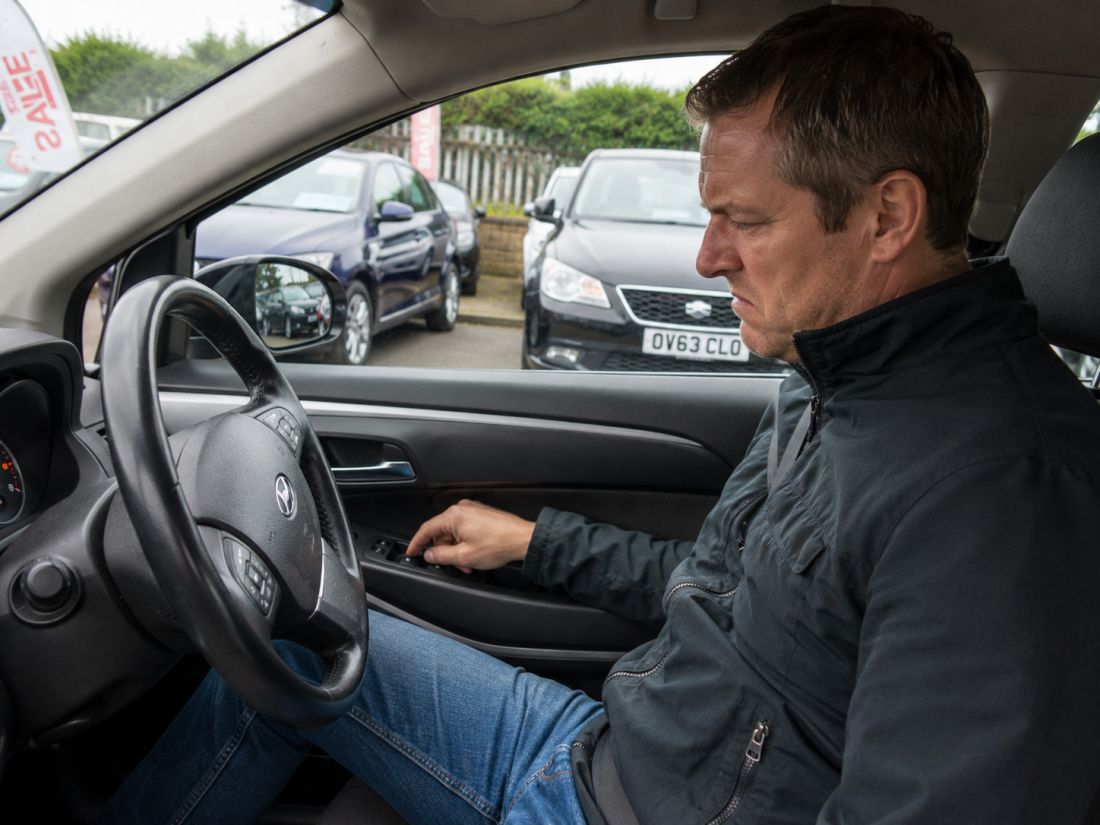
Cars talk before they give up. A squeak when braking, a clunk over potholes, a puddle underneath the engine bay, a clutch that feels strange, an air-conditioning system that blows warm air or an electric window that refuses to move can all be tempting to ignore while the car still gets you along the A6. The problem is that a buyer doesn’t hear “minor annoyance.” They hear “repair bill.” Auto Trader says parts that aren’t working may lower a car’s value, while the AA advises dealing with repairs promptly rather than leaving several jobs waiting at sale time. Put yourself in the viewer’s seat. You press the window switch and nothing happens. You drive over one speed bump and hear a knock. You now have no clue whether the job costs a small amount or a painful amount, so your offer drops to protect your wallet. Small faults also pile up. One broken switch might be brushed aside. A broken switch, a noisy brake, weak air conditioning and a stained seat start to build a whole story about care. Don’t leave it for the pre-sale rush. When a sound changes or a feature stops working, make a note, get it checked and ask for a written invoice if work is carried out. Don’t guess at safety-related repairs and don’t let a mate’s “it’ll be fine” settle a braking or steering worry. You don’t need to make an older car feel brand new. Wear is normal. What buyers want is a car that behaves as described, with no unpleasant surprise on a short test drive around Stockport. Fixing an honest fault early is calmer for you, safer for driving and easier to explain when it’s time to sell.
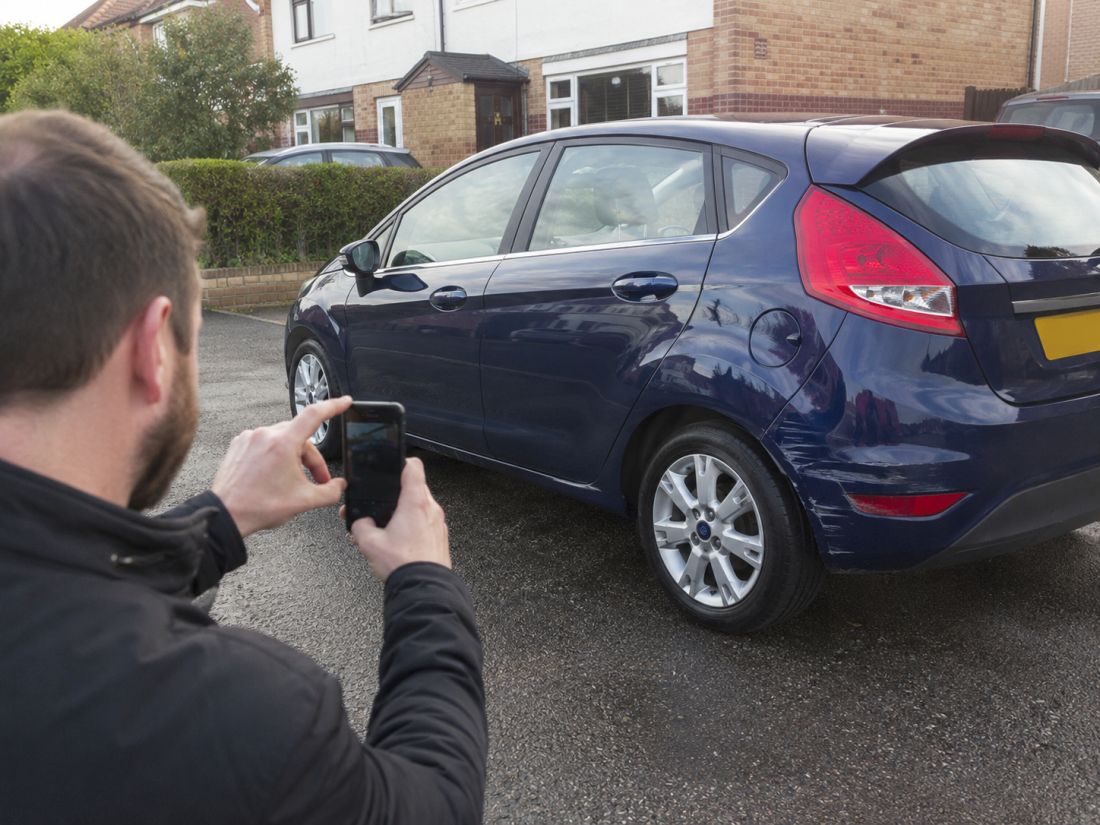
10. Trying to hide faults instead of presenting the car honestly
This one can wipe value away quicker than any scratch: lost trust. A carefully chosen photo angle that hides a scraped bumper, an air freshener masking smoke, an engine washed only to disguise a leak, a warning lamp dismissed as “nothing,” or an advert claiming flawless condition when the first viewing proves otherwise will make a buyer wary of everything. Once trust has gone, even the good parts of your car stop helping. The quiet engine, tidy seats and recent tyres no longer feel reassuring, because the buyer is asking what else they haven’t spotted yet. Honesty doesn’t mean underselling your car. It means cleaning it properly, gathering records, taking clear photos in daylight and describing marks or repaired faults fairly. Mention useful recent work, such as tyres, a service or a new battery, with receipts ready. Note a small bumper scuff rather than hoping nobody sees it. When someone arrives, they’ll feel that the advert matched the car, which puts the chat on a far better footing. From our view at Dace Motor Company, the fairest sale is simple: a fair car, a fair description and no nasty surprise after money changes hands. That’s true whether somebody is browsing used cars in Stockport, coming across from Eccles, or driving in after a wet Manchester commute. Cars lose value as they age and collect miles. You can’t stop that. But you can stop avoidable habits turning a good car into a doubtful one. Keep it clean, repair important faults, save the paperwork and tell the truth. Simple care, done little by little, gives your car its best chance when selling day arrives.