



Top 10 Most Expensive Car Repairs (And What Causes Them)
You know how it is. Your car starts every morning, gets you through the school run, carries you into Manchester for work, or takes you along the A6 without making a fuss. Then one day a light comes on, a noise appears, or the car doesn’t feel quite right. Suddenly, you’re wondering whether that small warning could become a very large bill. At Dace Motor Company, we meet plenty of drivers from Stockport, Manchester and the surrounding areas who want a used car that fits everyday life without nasty surprises. No car can be promised a fault-free future, but knowing what can go wrong gives you a much better chance of spotting a problem early. Repair prices vary by make, model, age, parts availability and workshop rates, so the costs mentioned here are guide figures rather than quotes. Still, the pattern is clear: serious engine work, gearbox faults, electric car battery trouble, exhaust parts and worn transmission components can all become expensive very quickly. The good news is that many large repairs begin with small clues. A warning light. A leak. A new smell. A scraping noise. A car that suddenly uses extra fuel or feels weak on hills. It’s tempting to ignore those signs, especially if the car still drives, but a quick check can sometimes stop a minor job from turning into the kind of invoice that spoils your month. So, let’s look at ten of the costliest car repairs, why they happen, and what you can do before things get painful.
1. Engine Failure: The Repair Bill Every Driver Wants to Avoid
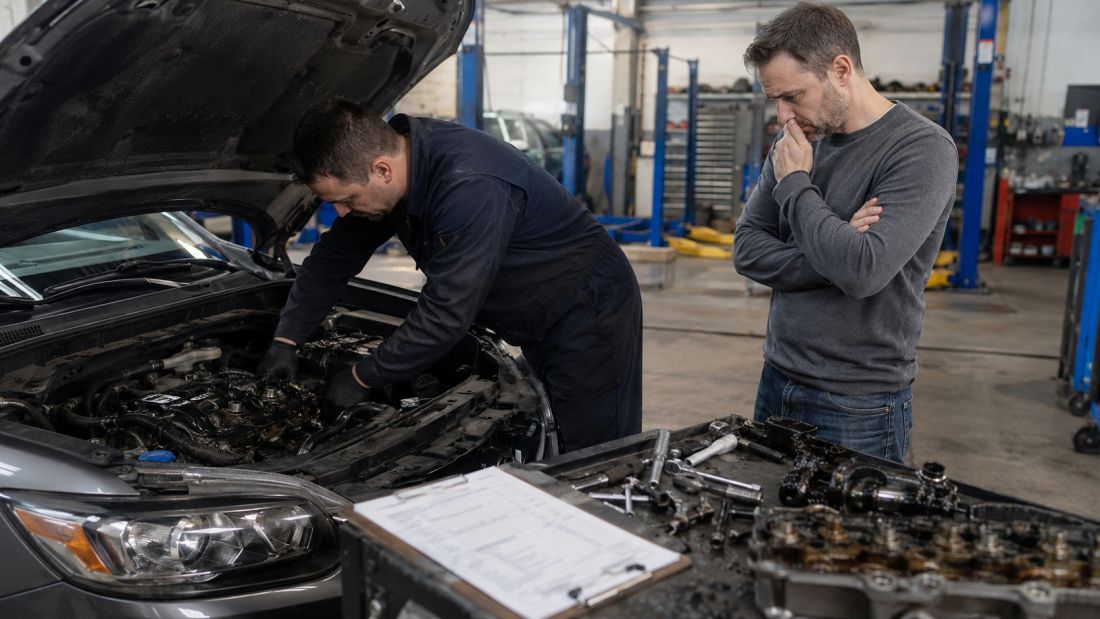
The engine is the heart of a petrol or diesel car. It turns fuel into movement and keeps the car doing the everyday jobs you rely on it for. If damage reaches the inside of the engine, costs can climb fast because the work takes time, skill and a lot of dismantling. There isn’t one simple average price for serious engine damage, since a small city car and a large luxury car are very different machines. But a full rebuild or replacement can run into thousands of pounds, especially if several internal parts have been harmed. What causes that sort of damage? Low oil is a big one. Oil keeps fast-moving metal parts from grinding against each other, so an engine running short can suffer badly. Overheating is another serious risk. A coolant leak, broken cooling fan or failed seal can let temperatures rise until parts bend, crack or lose their proper shape. Then there’s missed servicing, ignored warning lights and failed timing parts, which we’ll cover later. The early signs aren’t always dramatic. You may spot a red oil light, thick smoke, knocking sounds, coolant loss, a high temperature reading or a car that suddenly feels tired and heavy. If the engine is overheating or a red warning light comes on, don’t try to nurse it all the way home through Stockport traffic. Pull over safely and arrange help. Regular servicing, keeping an eye on oil and coolant, and dealing with leaks before they worsen may feel like basic stuff. It is basic stuff. And that’s exactly why it saves money. A car rarely rewards the person who says, “I’ll sort that next month,” while the temperature gauge is creeping upwards.
2. Gearbox Problems: When Smooth Driving Turns Into a Costly Fix
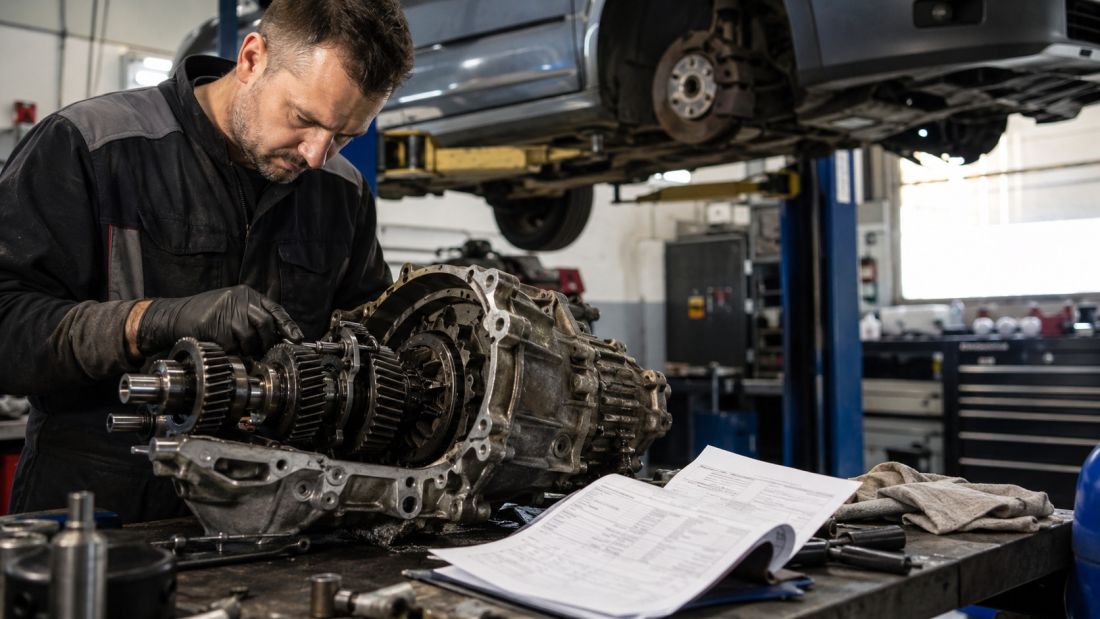
Your gearbox takes what the engine creates and sends it through to the wheels at the right speed for pulling away, cruising or climbing a hill. In a manual car, you choose the gear yourself. In an automatic car, the car changes gear for you. Both systems have many moving parts, and when something deep inside goes wrong, repair work can take hours. The RAC says smaller gearbox repairs may cost a few hundred pounds, while major repair work or replacement can rise above £1,000. That figure can climb again on certain automatic systems or cars with costly parts. Problems may begin with worn internal pieces, dirty or leaking gearbox oil, overheating, poor driving habits or a fault that has been left alone for too long. Listen to what your car is telling you. A gearbox in trouble may hesitate before moving, thump as it changes gear, slip out of gear, grind, shudder, leave red fluid underneath, or give off a hot smell after driving. In a manual car, a gear lever that suddenly feels difficult isn’t something to shrug off. In an automatic, repeated jolts or delayed gear changes deserve a proper check. Everyday driving around Manchester can place plenty of strain on a car, especially with queues, roundabouts and endless stop-start movement. You can help by using gears smoothly, not resting your hand on the gear lever in a manual car, and following the maker’s advice for gearbox oil changes where required. Most of all, don’t wait until the car refuses to move. A car that still drives into the workshop gives you far better choices than one arriving on the back of a recovery truck.
3. Electric and Hybrid Battery Replacement: A Big Bill to Plan For
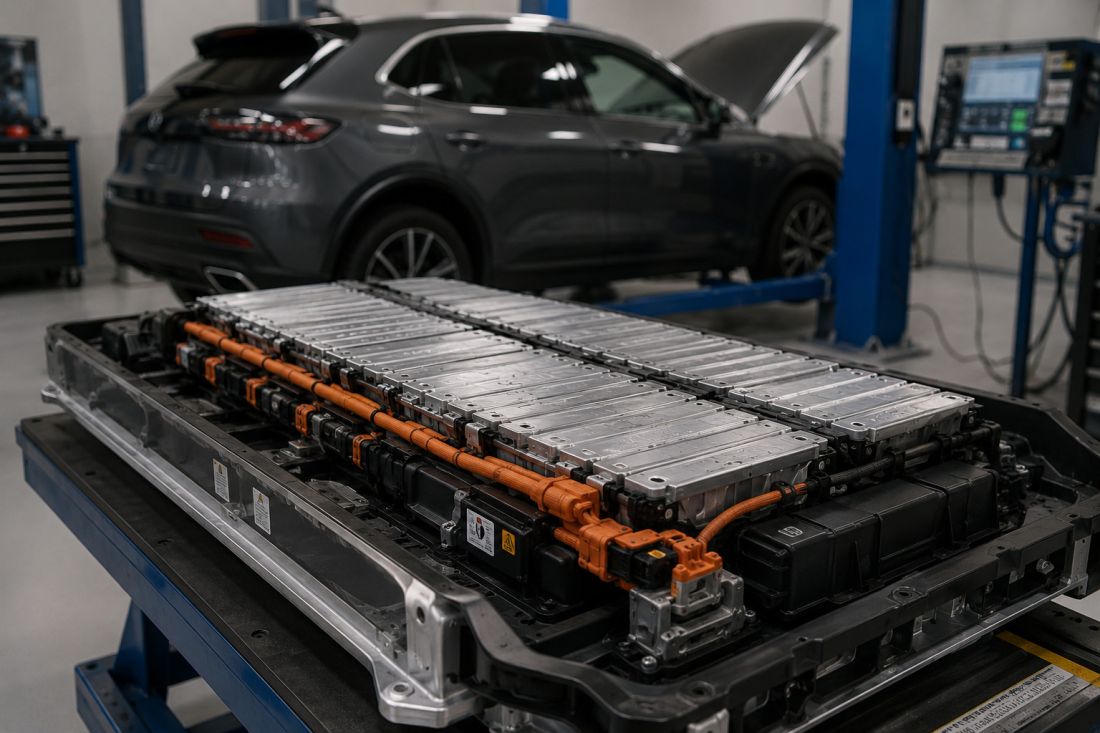
Electric and hybrid cars have a large drive battery that stores energy for moving the car. This is separate from the small battery used by lights and other simple electrical jobs. Most drive batteries are made to last for years, and full replacement is not something most owners face as part of normal annual care. Even so, if a complete battery replacement is needed outside warranty cover, it can cost thousands of pounds. That makes battery condition one of the most important checks for anyone buying a used electric or hybrid car. The RAC reports that most new electric car batteries come with cover of around eight years or 100,000 miles, and the cover commonly protects against the battery falling below a set level of usable capacity. Over time, a battery may hold a little less charge, much like a phone battery that doesn’t last as long as it did when new. A gradual drop is normal. A sudden change, a charging fault, a warning message or a large loss of driving distance needs checking. Heat, age, frequent full charging, repeated draining to nearly empty and damage from an impact can all affect battery health. If you’re looking at a used electric car, ask about remaining battery cover and whether there’s a report showing its present condition. Don’t judge it from one cold-weather test drive, as cold air, cabin heating and road speed can all reduce the distance shown on the screen. For ownership, follow the car maker’s charging advice and avoid leaving the battery full or nearly empty for long periods unless the handbook says otherwise. A used electric car can be a very sensible choice, but the battery deserves the same care you’d give a service record on a petrol or diesel car.
4. Turbocharger Failure: Small Part, Serious Repair Cost
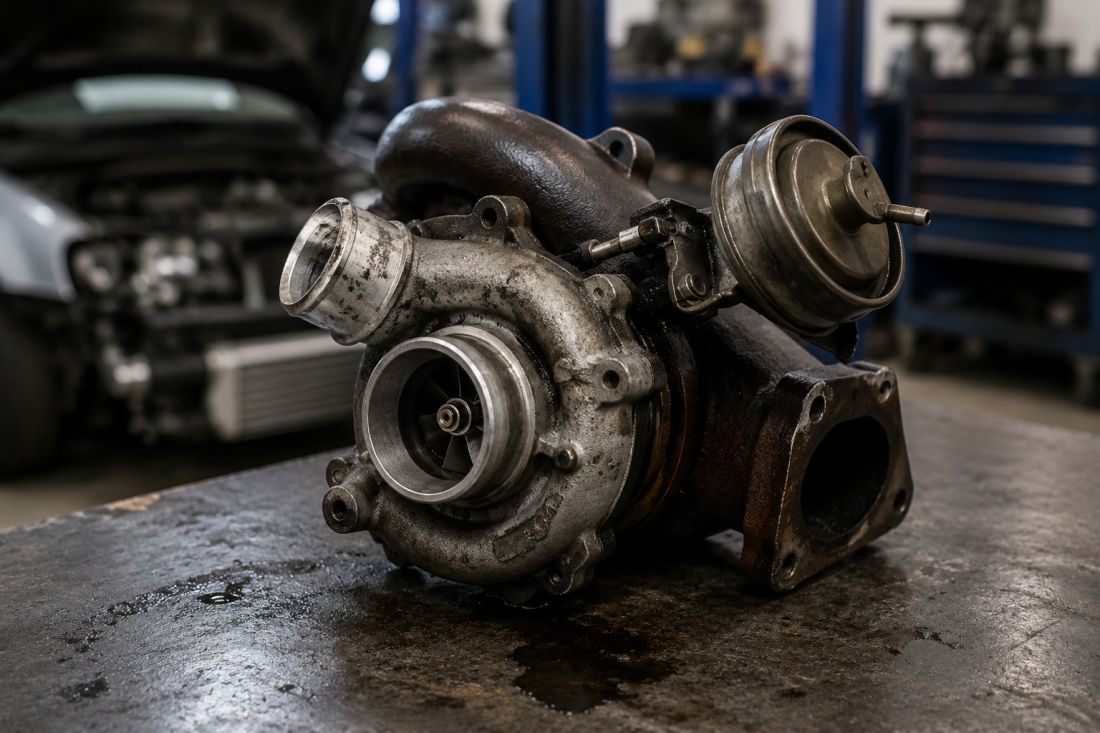
A turbocharger helps many modern petrol and diesel engines feel lively without needing a huge engine. It uses fast-moving exhaust gas to force extra air into the engine, which helps the car pull better when you accelerate. It’s a compact part, but it works in an extremely hot place and spins at a very high speed. That means clean oil is vital. If oil becomes dirty, runs low or fails to reach the turbocharger properly, the small moving parts inside can wear out. Deposits can also build up, while pipes and seals may crack or leak. ClickMechanic gives an average turbocharger repair figure of about £900, with common prices in the region of £700 to £1,400, though the car and the exact fault can change the figure a lot. Some cars will be lower, while larger or sportier models can cost far more. What does a failing turbocharger feel like? You may hear a high-pitched whistle or a siren-like sound under acceleration. You may see smoke, notice an engine warning light, feel a clear loss of pull, or find that the car struggles where it used to feel easy. Imagine joining a fast road from Eccles and finding the car suddenly doesn’t gather speed as expected. That’s not just inconvenient; it’s a safety concern. Don’t keep pushing a car with smoke or clear loss of acceleration. Get it looked at. The kindest habits for a turbocharged car are simple: use the correct oil, don’t miss oil changes, and deal with leaks or warning lights promptly. During a used car test drive, accelerate steadily and watch for smoke or strange noises. A smooth, clean pull is what you want. A loud whistle and a cloud behind you? That’s your cue to ask some very direct questions.
5. Timing Belt or Timing Chain Failure: A Simple Part That Can Damage an Engine
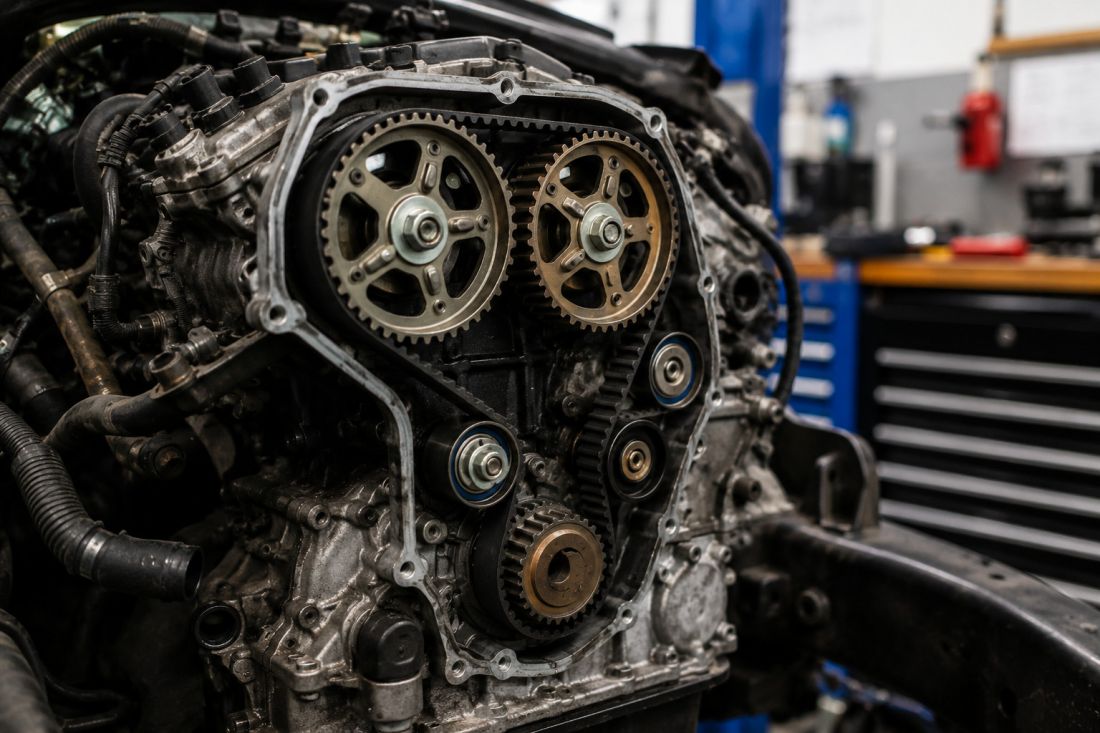
A timing belt or timing chain keeps important parts inside an engine moving in step with each other. Think of two dancers who need to move at exactly the right moment. If one suddenly loses the beat, they collide. Inside an engine, that collision can be far more costly than an awkward dance-floor moment. Some cars use a belt, while others use a chain, and the service needs aren’t identical. A timing belt is replaced at set intervals based on age, mileage or both. The RAC reported in January 2026 that the average timing belt replacement cost was around £469, based on United Kingdom workshop data, though the true amount depends on the car. That may sound like a painful service bill, but it’s far less upsetting than repairing an engine after a belt snaps. A worn belt may crack, fray or lose teeth. A chain may stretch or become noisy if lubrication has been poor. Signs can include ticking or rattling sounds, rough running, trouble starting, misfiring or a car that stops and won’t restart. Here’s the awkward part: some belts can fail without giving a useful warning first. That’s why proof of replacement matters when buying a used car. Look through the service file and ask when the belt was last changed, if the car has one. If the evidence isn’t there and the car is due based on age or mileage, factor that job into your budget. At Dace Motor Company, we know buyers are usually excited about paint colour, comfort and the way a car drives. Fair enough. But a receipt for a belt change can be far more comforting than shiny alloy wheels once you’re heading home on a wet evening. Check the paperwork. It’s not glamorous, but it’s smart.
6. Catalytic Converter Replacement: Why Exhaust Repairs Can Get Expensive
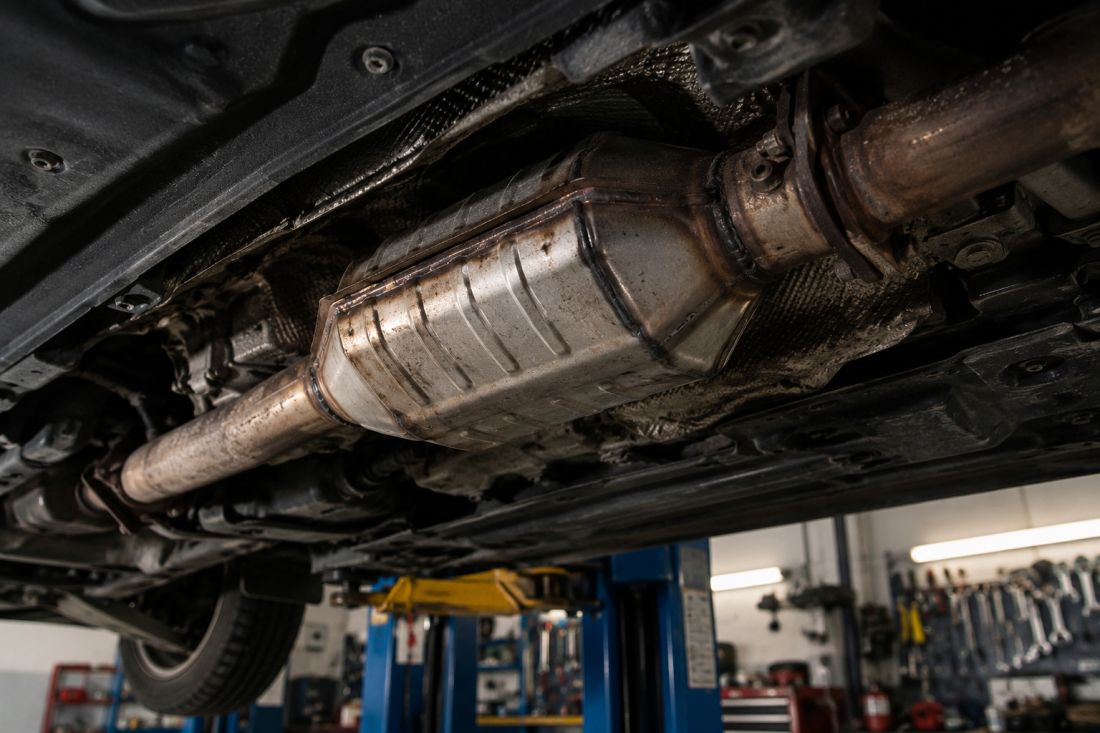
The catalytic converter is fitted in the exhaust system of petrol and many hybrid cars. Its job is to change harmful exhaust gases into gases that are less harmful before they leave the tailpipe. The part can be expensive because it contains valuable metals, and those metals are also the reason some converters have been targeted by thieves. In its guide to costly repairs, the RAC gave an approximate catalytic converter replacement cost of £2,200, though your quote will depend on the car and the part required. A converter may need replacing after theft, but it can also fail because of another fault elsewhere. Oil or coolant getting into the exhaust can contaminate it. An engine that isn’t burning fuel properly can cause excess heat. A hard knock from a kerb, road debris or a speed bump can damage the casing underneath the car. The warning signs can be strange: darker smoke, sluggish acceleration, a dashboard warning light, a strong sulphur smell that reminds you of rotten eggs, extra heat underneath, or a suddenly very loud exhaust if the part has been stolen. It’s important to find out why a converter failed. Replacing it without fixing an oil leak, coolant issue or engine fault could leave the new part exposed to the same damage. If your car suddenly roars into life on a quiet Stockport morning, take a look from a safe position and arrange a garage check rather than carrying on as normal. For used car buyers, a clean-running engine, no warning lights and a proper history help lower the chance of inheriting an exhaust bill. And if a model is known to be attractive to thieves, it’s sensible to ask what security measures are available. Nobody buys a car hoping to spend a couple of grand on a piece of exhaust pipe.
7. Head Gasket Failure: How Overheating Can Lead to a Large Repair Bill
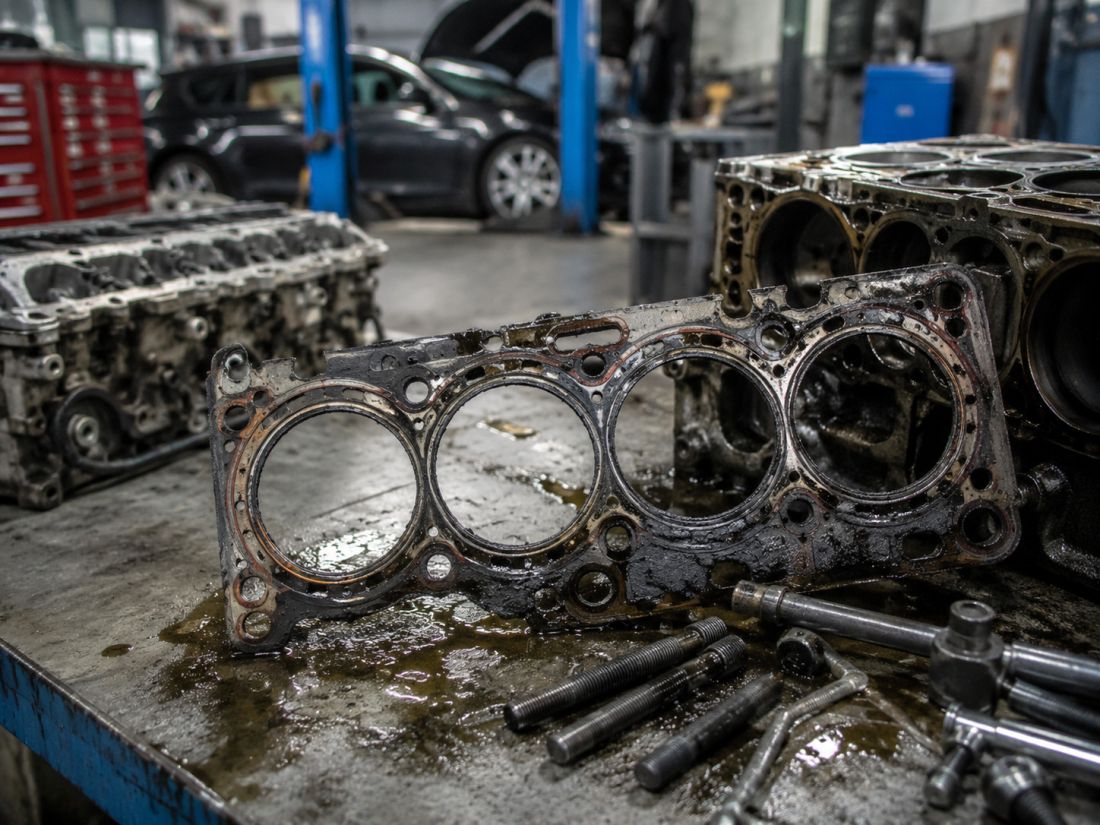
The head gasket is a thin seal deep inside a petrol or diesel engine. It sits between major engine sections and keeps coolant, oil and hot gases in the places where they belong. The part itself doesn’t look very dramatic, but reaching it means taking a large section of the engine apart. That labour is what makes the job costly. In January 2026, the RAC reported an average United Kingdom head gasket replacement cost of around £721, based on workshop data from July 2025. If overheating has already harmed other engine parts, the bill can rise sharply. Heat is one of the main reasons a head gasket fails. A leaking hose, low coolant, a faulty cooling part or an ignored overheating warning can start the problem. Once the seal gives way, you may notice white smoke from the exhaust after the car has warmed up, coolant disappearing, an overheating warning, poor running, a sweet smell or a creamy deposit beneath the oil cap. A little vapour on a cold North West morning is normal. Heavy white smoke paired with coolant loss is not. The main lesson is simple: don’t continue driving an overheating car in the hope it will settle down. An overheated engine can turn a repairable cooling issue into damaged internal parts. When you’re considering a used car, let it warm up properly on the test drive, watch the temperature reading, check for warning lights and look at the service records. If you own a car, checking coolant now and then takes very little effort. It’s one of those tiny habits that seems unimportant right until it saves you from a bill you really didn’t need. Cars can forgive a lot. Repeated overheating isn’t usually one of those things.
8. Fuel Injector Problems: When Poor Fuel Delivery Costs You More
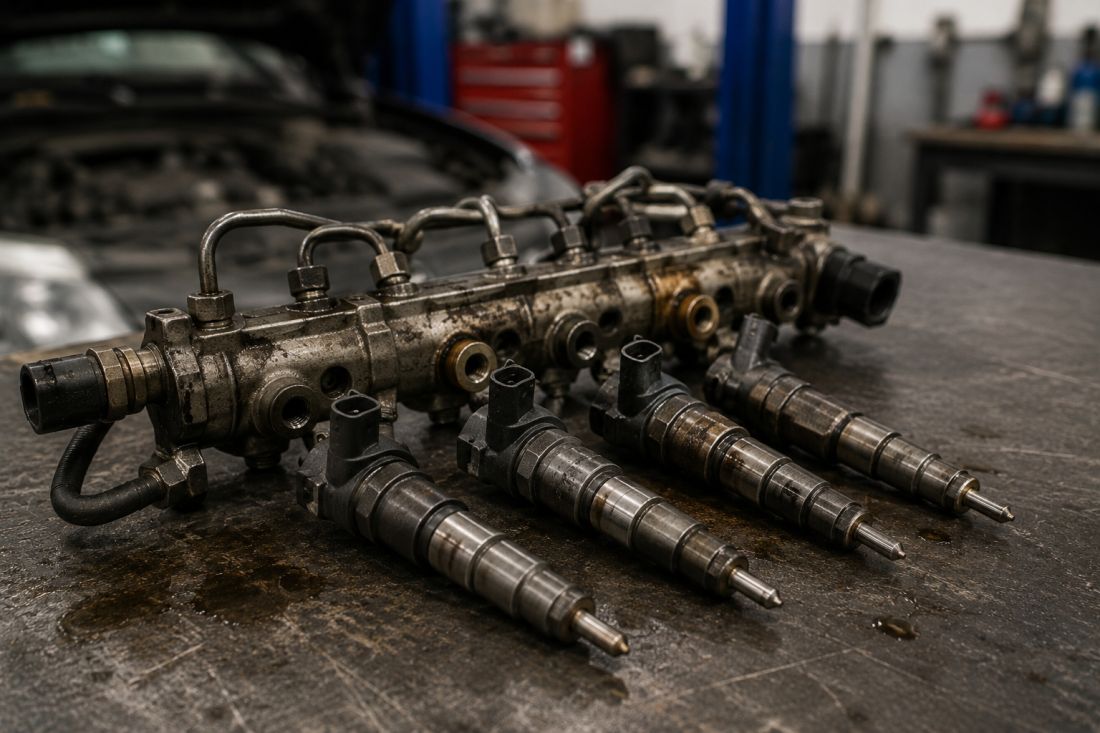
Fuel injectors send petrol or diesel into the engine in a very fine spray. The engine needs that spray at the right moment and in the right amount. If an injector gets blocked, worn or damaged, the engine may no longer run smoothly. One failing injector can be costly. Several needing replacement at once can make the bill much harder to swallow. The RAC gives an approximate fuel injector repair figure of £1,060 in its guide to expensive car repairs. The cost comes from the accuracy of the parts, the labour needed to reach them, and the fact that a garage may recommend dealing with several worn injectors together, depending on what testing finds. Dirt or contaminated fuel can cause problems, while poor servicing and neglected filters can add to the risk. The clues may start quietly. A rough idle while you sit at the lights. Trouble starting. Hesitation as you press the accelerator. Darker smoke. A strong fuel smell. A warning light. Fuel economy that suddenly slips without a change in your usual driving. You may feel tempted to live with a slight shake if the car still moves, but an engine running badly can place stress on other costly parts, including the catalytic converter. The sensible response is a diagnosis rather than guessing. Ask the garage to explain what testing showed and whether one injector or several need attention. For everyday care, buy fuel from reputable filling stations and keep servicing up to date, including any fuel filter changes set out for your model. On a used car test drive, don’t just turn the stereo up and head around the block. Let the car idle, pull away gently, then accelerate smoothly. If it shakes, smokes or stumbles, pause the buying excitement and ask why. No car is perfect, but a clean-running engine is a fair expectation.
9. Clutch and Flywheel Replacement: A Common Manual Car Expense
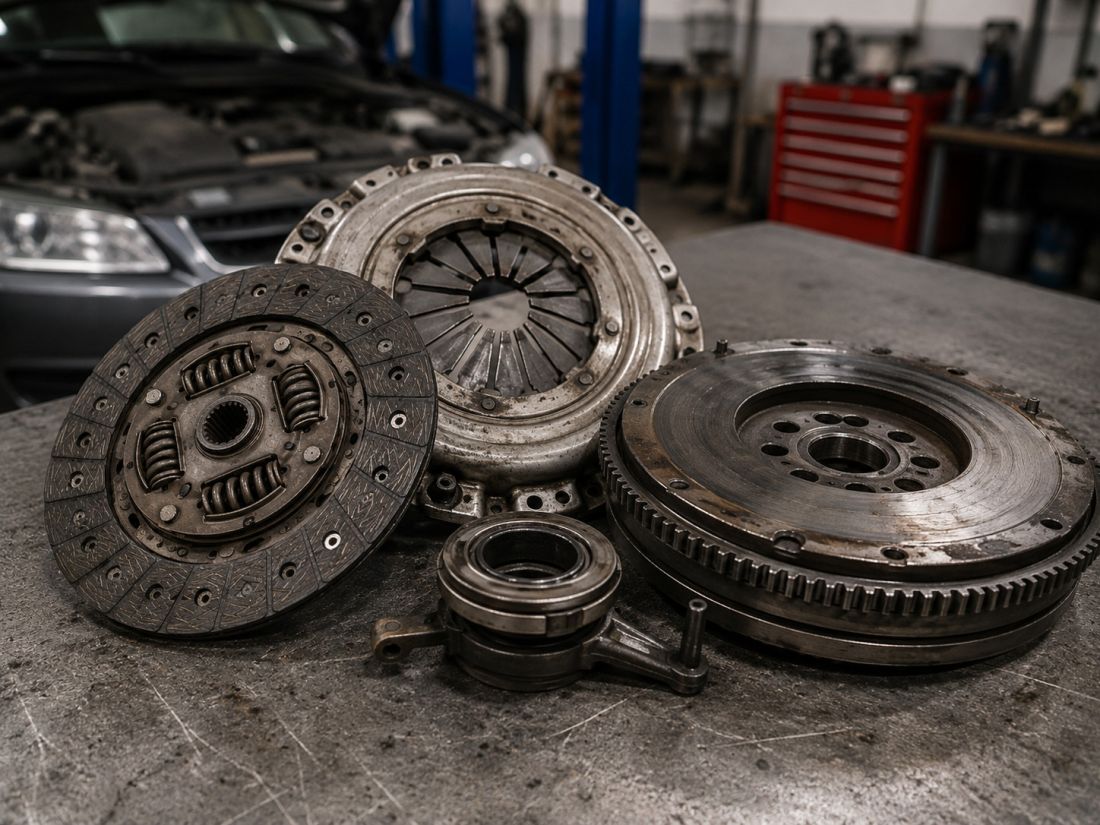
If you drive a manual car, the clutch is the part that lets you change gear and move away smoothly. Each time you set off, reverse into a parking space or shuffle through traffic, it does a small piece of work. Over enough miles, that work causes wear. Next to the clutch sits the flywheel, which helps keep engine movement smooth. On some cars, a worn flywheel may need changing at the same time as the clutch, and that’s when a familiar repair bill becomes much less friendly. The RAC gives an approximate clutch replacement cost of £1,200 in its costly-repairs guide and points out that flywheel replacement can add to the total. A slipping clutch can make engine revs rise while the car fails to speed up in the same way. A worn clutch may also bring a high biting point, difficulty selecting gears, vibration through the pedal, grinding sounds or a burning smell after manoeuvring. Drivers who spend lots of time crawling through Manchester traffic or dealing with hill starts may notice symptoms sooner than somebody who spends most of their driving time cruising on open roads. You can help your clutch last by taking your foot fully off the pedal once you’re moving, using the brake rather than holding the car on the clutch on a slope, and avoiding harsh starts. If a clutch is slipping, it won’t heal itself, and leaving it can mean getting stranded at the least convenient moment. When test-driving a manual used car, pay attention to how it pulls in a higher gear, how smoothly it moves away and whether there are smells or noises after a few changes. A clutch doesn’t need to feel brand new on every used car, but it should feel predictable, smooth and safe. Nobody wants their first proper outing in a new-to-them car to end with the engine revving and the car barely moving.
10. Diesel Soot Filter Problems: Why Short Trips Can Cost Diesel Drivers
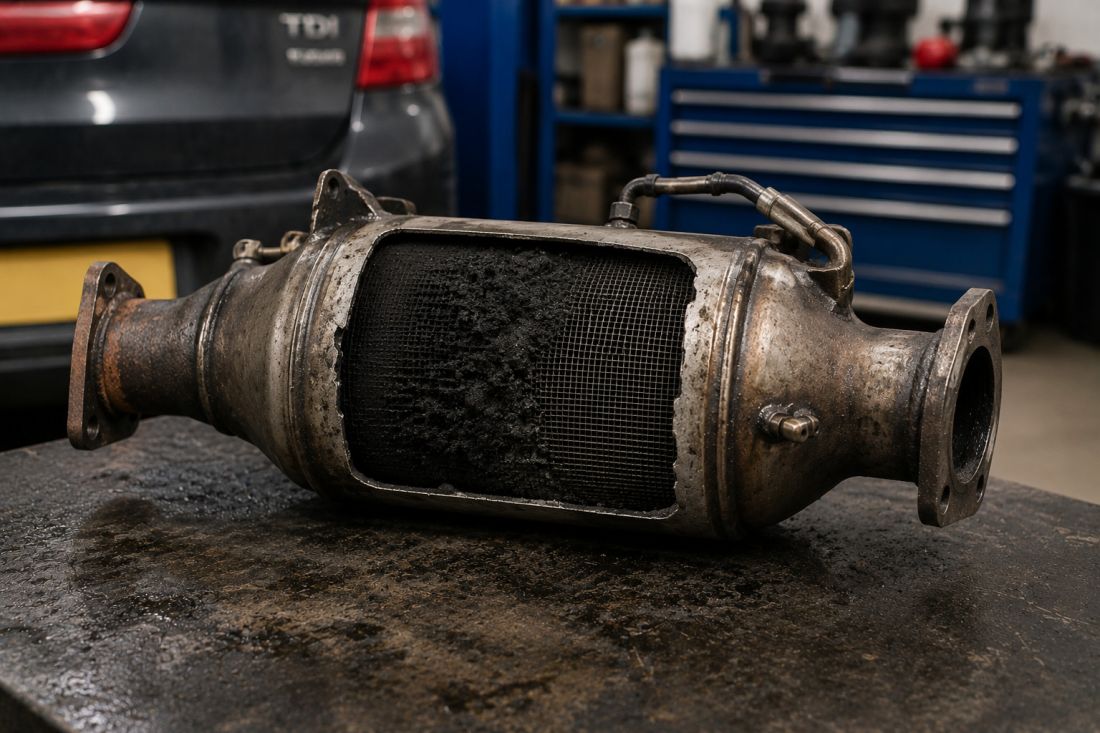
A modern diesel car has a soot filter in the exhaust. It traps sooty particles, then needs to clear much of that build-up during suitable driving conditions, usually once the engine is warm and the car has had a steady run. This matters because many diesel cars are bought for fuel economy, then spend nearly all their lives doing short urban trips. The RAC says short journeys at low speeds are the prime cause of a blocked diesel soot filter, while poor servicing can also lead to early trouble. Cleaning a blocked filter may be possible in some cases, but replacement can be far dearer. A 2026 United Kingdom cost guide from Checkatrade places replacement at around £1,000 as an estimate, with the real bill depending on the vehicle and the amount of work required. Signs of a problem can include a warning light, reduced performance, extra fuel use or a car that switches into a restricted driving mode. Before buying a diesel, think honestly about the journeys you do each week. If you regularly cover longer distances from Stockport around Greater Manchester or beyond, a diesel may suit your driving. If most trips are only a few minutes to the shops, the school gates and back, a petrol, hybrid or electric car may fit better. Don’t try to fix every warning light by driving hard on a faster road. A blocked filter might be caused by a sensor problem, another engine fault, or a level of blockage that needs workshop attention. Read the handbook advice for that car and get a check if the warning remains. This is a good example of why choosing the right car matters as much as looking after it. The wrong type of car for your routine can create bills that were avoidable from day one.
How to Reduce the Risk of Expensive Car Repairs
Nobody can guarantee that a car will never need a costly repair. Parts wear out, faults happen and sometimes a driver does everything right yet still gets an unwelcome bill. But you can put yourself in a much better position. Start with servicing. A stamped book or digital record isn’t just nice paperwork for resale; it shows that oil, filters, coolant and scheduled replacement parts have had attention at the right time. Check warning lights rather than hoping they disappear. Listen when a car starts making a sound it didn’t make before. Watch for fluid on the drive, smoke from the exhaust, a burning smell, poor starting or a sudden change in how the car drives. These clues matter because many expensive faults become far worse after weeks of being ignored. Your driving pattern matters too. A manual car used in heavy stop-start traffic needs considerate clutch use. A diesel car used almost entirely on tiny trips may struggle with its soot filter. An electric car buyer should ask about battery cover and condition. A petrol or diesel owner should know whether their car uses a timing belt and when that belt is due. And don’t forget the value of a proper quote. Repair estimates online can give a helpful ballpark, but your registration number, engine type, required parts and local labour rate set the real price. A trustworthy garage should be able to explain what has failed, what caused it, what work is needed and what may happen if the repair is delayed. Ask questions. You’re paying for the work, and you deserve a clear answer. That’s not being difficult. That’s being sensible with a car you depend on.
Buying a Used Car in Manchester or Stockport? Check These Warning Signs
Buying a used car should feel exciting, but there’s no need to rush past the practical checks. At Dace Motor Company, we serve drivers across Stockport, Manchester, Cheshire and the North West, and we know that people need cars for real life: work runs, weekend football, shopping, family trips and all those rainy evenings where public transport suddenly feels much less appealing. Before choosing any used car, look at its service history and ask what paperwork is present. If it has a timing belt, check whether there’s proof of replacement at the right age or mileage. On a manual car, make sure the clutch feels smooth and doesn’t slip. On an automatic, pay attention to delayed, jerky or noisy gear changes. Let the engine warm up and watch for warning lights, smoke, leaks or overheating. For a diesel, think about your normal trips and whether they suit a car fitted with a soot filter. For an electric or hybrid car, ask about the large drive battery and any remaining cover. Finance should be clear too; Dace offers a soft-search finance checker that doesn’t affect your credit score when you’re seeing what may be available. The aim isn’t to turn every buyer into a mechanic. It’s to help you choose with open eyes and drive away feeling confident about the car that fits your routine. Expensive repairs are part of motoring life from time to time, but careful buying and steady care can reduce the chances of a nasty shock. And when a dashboard light does appear, don’t leave it there like an unread message. Cars have a funny way of making ignored problems louder, messier and much costlier later on.