


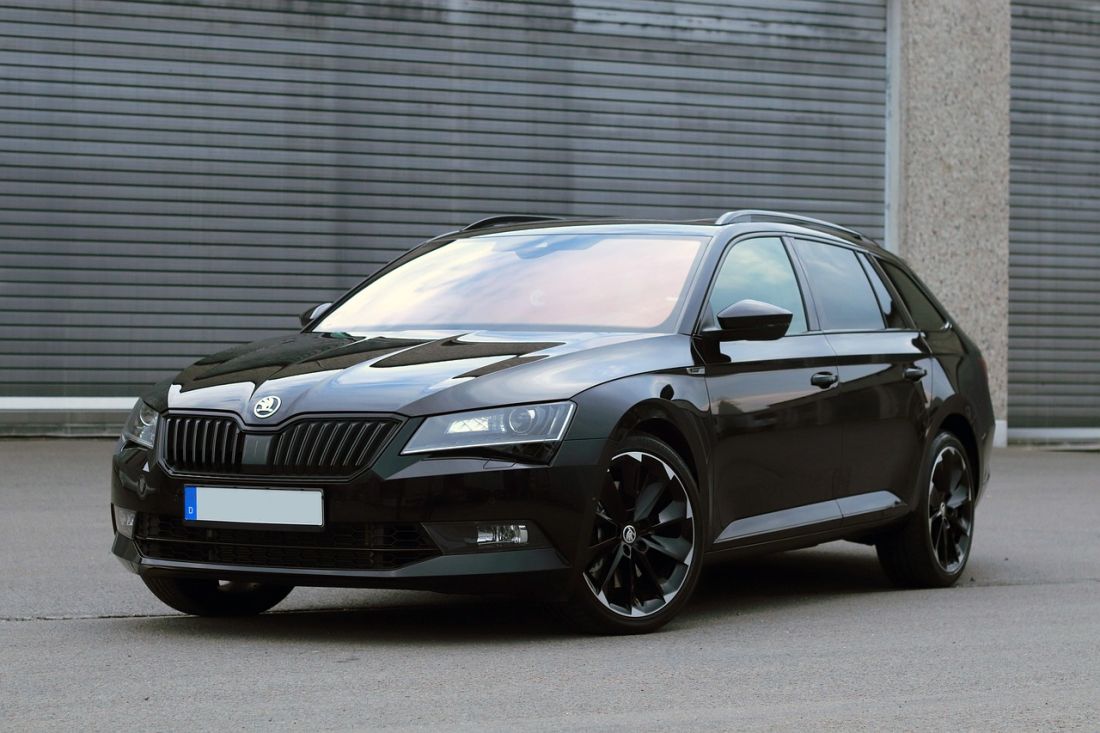
The Story of the Skoda Octavia: From Modest Family Car to Huge European Success
At Dace Motor Company, we spend a lot of time around cars that make a big first impression. Fast ones. Flashy ones. Big grilles, huge wheels, fancy badges. And then there are cars like the Skoda Octavia, the ones that win people over in a different way. Quietly. Bit by bit. You see one on a driveway in Stockport, then another in Manchester, then one doing the school run in the rain, then one loaded up for a weekend away, and before long you realise it has become part of the furniture. That’s the funny thing about the Octavia. It was never sold as the loudest car on the road, but it ended up becoming one of the biggest success stories in Europe anyway.
Skoda says the modern Octavia nameplate came back in 1996, has now run through four modern generations, and has reached more than seven million buyers, then more than 7.5 million across 60 markets by mid-2025. Skoda also says it has been the best-selling model in seven European countries and the most popular estate car in 14 countries, which gives you a good idea of how far this once-humble family car has come. In 2024 alone, it was still Skoda’s top seller with 215,700 deliveries, and in 2025 it stayed at the top with 190,300, while the current generation passed one million sales on its own. That’s not a lucky streak. That’s a car finding its people, year after year.
Before the modern car, there was the original one
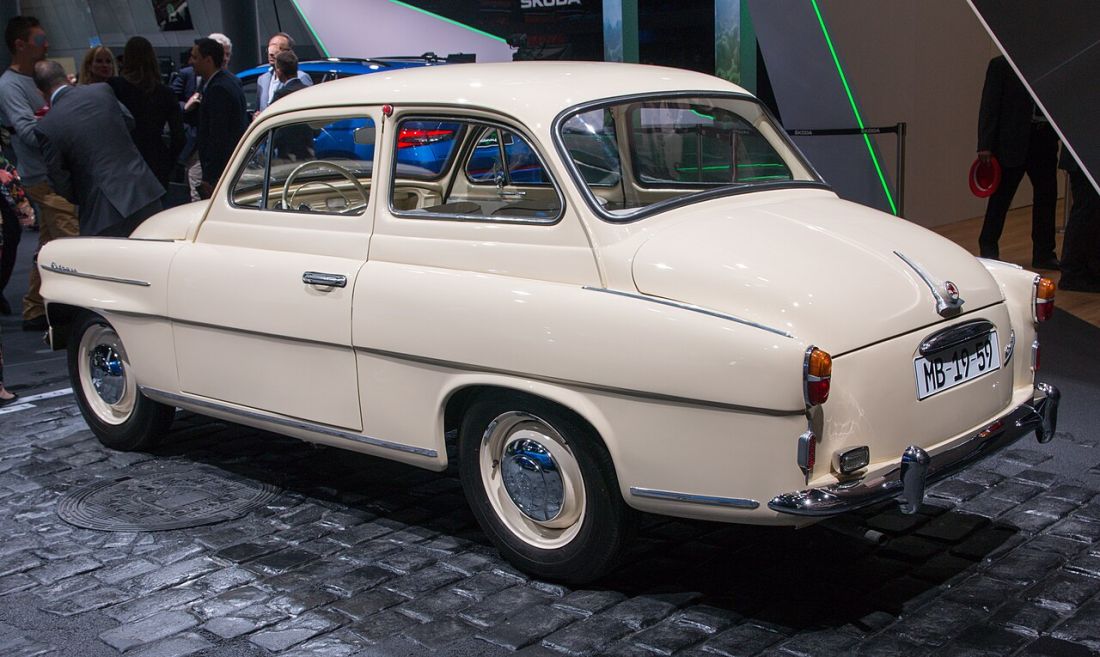
Photo: 1959-1971 Škoda Octavia 985 IAA by Johannes Maximilian, CC BY-SA 4.0, via Wikimedia Commons.
The Octavia story didn’t start in the 1990s. It goes way back to 1959, and that bit matters because it shows Skoda didn’t just pull an old name out of a hat. The first Octavia arrived that year, and the name came from the Latin word for “eighth” because it was the eighth model produced by the Mladá Boleslav carmaker since 1945. That original car was a simple family machine, but it had some smart ideas for its day. Skoda gave it a changed front axle with coil springs and telescopic dampers, which helped comfort and control, and there were safety-minded touches too, like design changes to the steering wheel and headlights as the model developed.
The basic version used a small 1.1-litre engine, while the Octavia Super got a little extra shove from a 1.2-litre unit. Nothing wild. Nothing meant to pin your head back. Just honest family transport for people who needed a car to get on with life. And that’s where the seed was planted. In 1960, the Combi estate version joined in, which is important because the Octavia estate shape would later become a massive part of the car’s identity across Europe. Skoda says the saloon stayed in production until 1964, the Combi ran until 1971, and total output reached 284,000 cars, with nearly 55,000 of those being Combi models. For a car from that era, that’s a solid result. It wasn’t some rich man’s toy. It was a useful, sensible, proper working car. You can see the family resemblance there already, even if the shape and tech feel a million miles away from the Octavia people know now.
The 1996 comeback changed everything
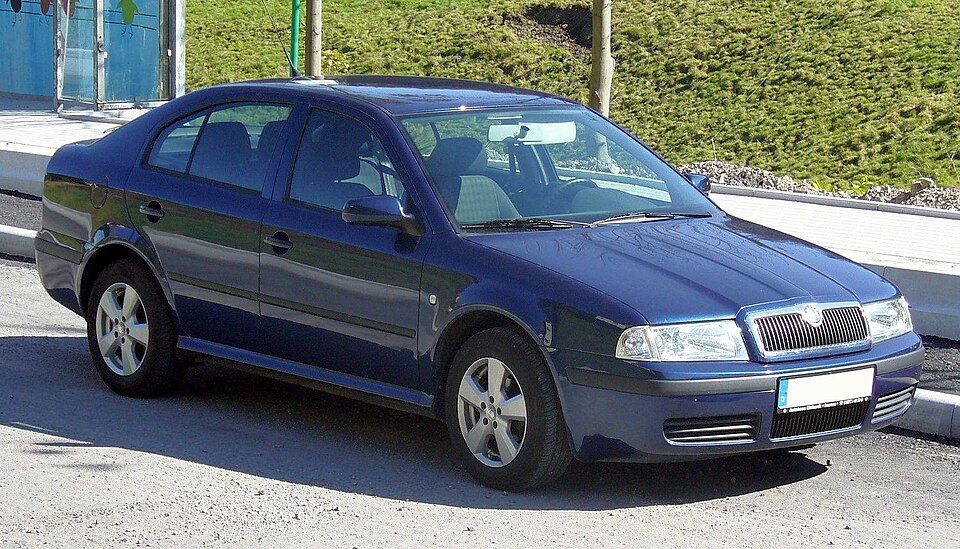
Photo: Skoda Octavia Tour (1U Facelift) by Thomas doerfer, CC BY-SA 3.0, via Wikimedia Commons.
Then came the turning point. In 1996, Skoda brought the Octavia name back for the modern age, and this is really where the huge European success story took off. Skoda says development began in 1992, not long after joining the Volkswagen Group, and the new Octavia became the first production model based on the new group platform being used for the project. That sounds a bit technical, but the simple version is this: Skoda suddenly had the tools to build a car that felt tougher, safer and more grown-up than people expected. The first modern Octavia launched on 3 September 1996, and it landed at just the right time. It had clean, sensible styling. It had a huge boot with a wide opening tailgate.
It had anti-lock brakes as standard and passed the required crash tests of the day, including side-impact rules that were still pretty fresh at the time. Skoda says the boot offered 528 to 1,328 litres of space, and that number tells you a lot about why people paid attention. You could get the shopping in there, a pushchair, football bags, holiday luggage, flat-pack bits from a retail park run, whatever life threw at you. It was a car built for real days, not just brochure photos. And, let’s face it, that matters. Around Greater Manchester, where weather, traffic and family life can all turn messy before lunch, practicality isn’t boring. It’s gold. By the time the first modern Octavia’s full run ended in 2010, including the later Tour version, Skoda says 971,490 liftbacks and 470,636 estates had been built. That is one very clear sign the comeback had worked.
The estate made it a household name
If the first modern Octavia got people interested, the Octavia Combi made a lot of them properly commit. Skoda unveiled the modern estate at the Geneva Motor Show in March 1998, and first customers got their cars a couple of months later. It was only a little longer and taller than the liftback, but what really mattered was what it could carry. Skoda says the early Combi offered 548 to 1,512 litres of luggage space, and that pushed the Octavia even further into everyday family life. You can picture why that worked. Think school bags, muddy boots, a dog in the back, a pram, a trip out to the Peaks, or a run from Reddish to Eccles with half your house packed in because someone’s helping a mate move a chest of drawers. We’ve all been there. A car that can soak up those jobs without fuss is hard to beat. And the Combi caught on fast. Skoda says the estate made up 15 per cent of all Octavia sales in its first year, then 36.7 per cent the year after, and 40.5 per cent by 2001. That’s a huge shift. It shows buyers didn’t just like the idea of more space, they really wanted it. You can also see how the Octavia started building its European reputation here. In the UK and across the continent, people love an estate that feels easy to live with, not too bulky, but still roomy enough to be useful every day. Years later, that love never really went away. In 2020, the fourth-generation Octavia won Auto Express New Car of the Year, plus awards for both Compact Family Car and Estate Car, and Skoda said the estate category win was its fifth in a row. That’s not hype. That’s the car doing exactly what people ask of it, again and again.
The second generation turned success into a habit
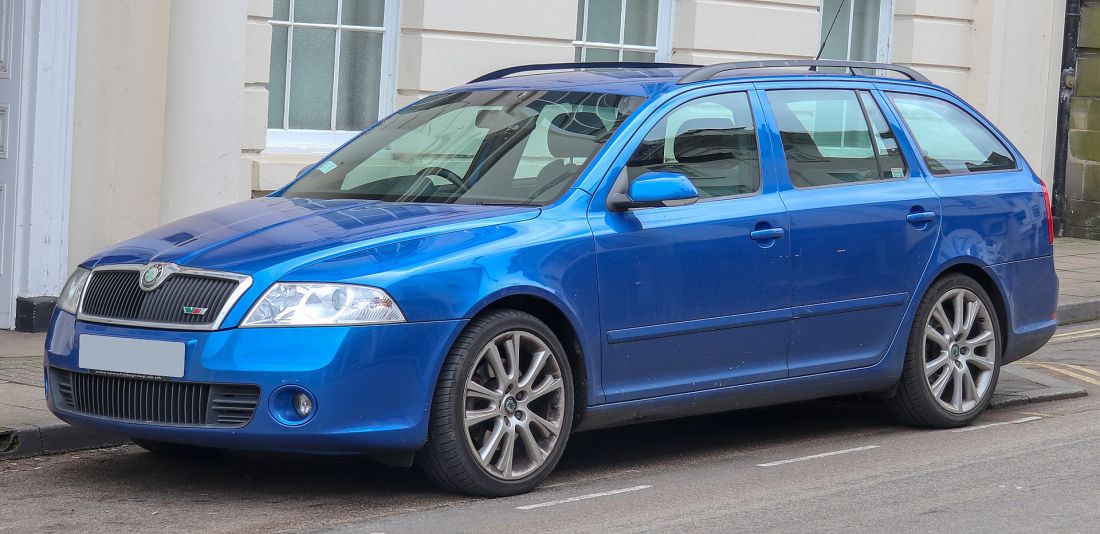
Photo: 2008 Skoda Octavia VRS Estate 2.0 by Vauxford, CC BY-SA 4.0, via Wikimedia Commons.
By the time the second-generation Octavia arrived in 2004, the model had already proved it wasn’t a one-off hit. Skoda didn’t need to reinvent it. It just had to make the formula better. More space, newer engines, more polish, stronger cabin quality, and a broader spread of versions for different buyers. That’s pretty much what happened. Skoda says the second generation sold 2.5 million cars between 2004 and 2013, which is the sort of number that moves a model from “popular” into “institution.” And the range kept growing with it. There were sensible everyday versions, four-wheel-drive versions, hot vRS models, and even greener experimental versions later on. The Octavia was learning a neat trick here. It could be one car name with loads of personalities, while still hanging on to the same basic promise: space, value, and the feeling that you’d made a smart choice rather than a flashy one. That balance is harder to pull off than it sounds. Loads of family cars get roomy, then feel dull. Others get stylish, then stop being useful. The Octavia found a middle ground people really liked. And because Skoda didn’t try to make it something it wasn’t, trust started building. Buyers knew what they were getting. Fleets knew what they were getting. Taxi drivers, parents, company car users, commuters, all sorts, they knew the Octavia would probably get on with the job. You can see why that matters around places like Stockport and Manchester, where cars are asked to do everything. One day it’s the office run, next day it’s the tip, then a motorway haul, then a family visit over the Pennines. A car that can wear all those hats without grumbling is always going to find an audience. The second-generation Octavia did exactly that, and the sales total proves it.
The third generation made it feel seriously modern
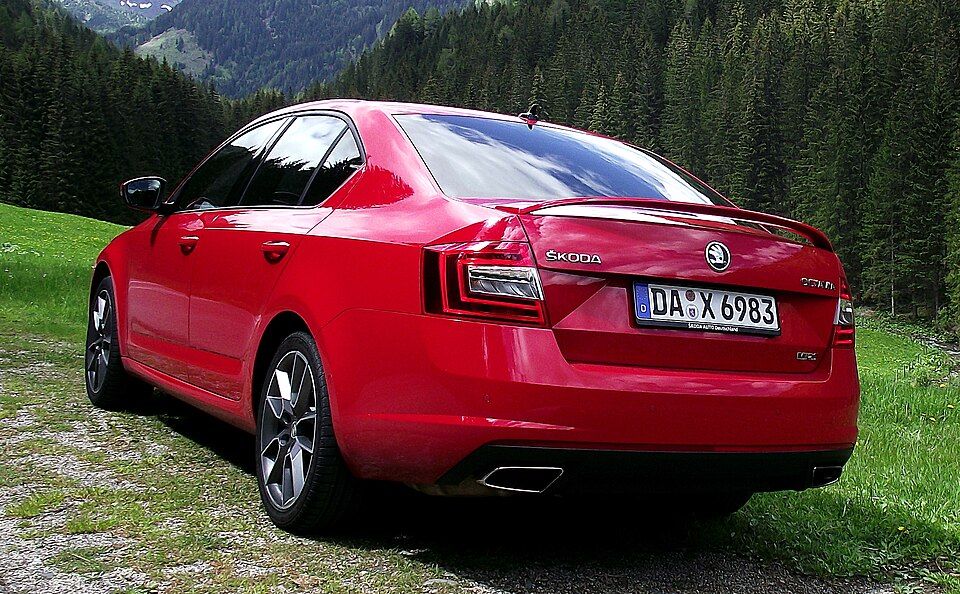
Photo: 2013 Skoda Octavia III RS (Typ 5E) 2.0 TSI by Kickaffe (Mario von Berg), CC BY-SA 3.0, via Wikimedia Commons
The third-generation Octavia arrived in 2012, got an update in 2017, and this is where the car really started feeling like a fully modern European favourite rather than a clever value pick. It looked sharper. It felt more spacious again. It packed in more safety kit, more driver help systems, and more cabin tech, but it still kept the everyday charm that made people like it in the first place. Skoda said in early 2017 that the third generation had already passed one million units in March 2016 and had reached almost 1.4 million built by the end of that year. Later, the company said the third generation was chosen by over 2.5 million customers worldwide. That’s huge. And it says a lot about how the Octavia stopped being a car people bought with their head alone and became one people actually wanted. It still had the space and value stuff nailed down, sure, but now it had a bit of swagger too. Nothing daft. Just enough. Safety tells part of that story as well. Back in 2001, the first-generation Octavia earned a four-star adult occupant score from Euro NCAP after Skoda improved side-impact protection and re-ran that part of the test. Fast forward to the later Octavias, and the picture looks very different. Skoda said in 2022 that the fourth generation had defended a five-star Euro NCAP rating under tougher rules, and that the two previous Octavia generations had also scored the full five stars. That’s a big jump over time. It shows how the Octavia grew up with its customers. People wanted more comfort, more space, and also the peace of mind that their family car was getting safer with every new version. That steady improvement is a massive part of why the Octavia kept climbing while plenty of rivals faded into the background.
The fourth generation proved the idea still worked
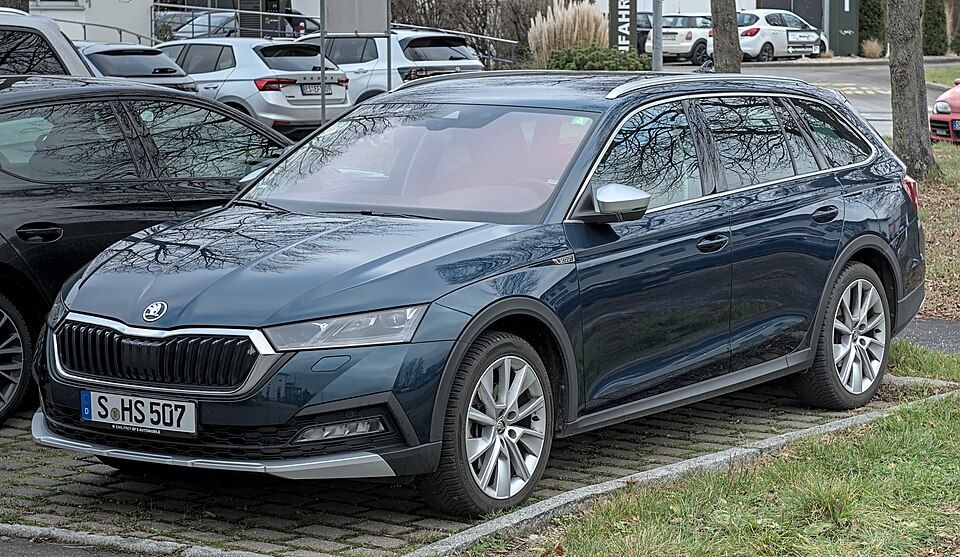
Photo: Škoda Octavia IV Scout by Alexander Migl, CC BY-SA 4.0, via Wikimedia Commons
By the time the current fourth-generation Octavia appeared at the end of 2019 and then rolled into wider sale in 2020, family car buyers had loads of choice. Sport utility vehicles were everywhere. Crossovers were everywhere. Big screens and fashion-led styling had taken over half the market. It would have been easy for a traditional hatchback and estate to start feeling old hat. But the Octavia didn’t fade. It held its ground. In fact, it kept collecting silverware and sales. In 2020, Skoda said the new Octavia won Auto Express New Car of the Year, plus top spots in the compact family car and estate classes. Then the numbers kept coming. Skoda says the model remained its best seller in 2024 with 215,700 deliveries, then stayed number one again in 2025 with 190,300. The company also says the current fourth generation, which has been on sale since 2020, passed one million sales in 2025.
That’s seriously impressive for a car type some people kept telling us was on the way out. Safety stayed strong too. Skoda said the current Octavia first earned a five-star Euro NCAP rating after launch in 2019, then defended that top score under harder 2022 rules, with 86 per cent for adult occupant protection and 84 per cent for child occupant protection. So the modern Octavia hasn’t survived by clinging to the past. It has survived by sticking to its core idea while keeping up with what drivers want now. Better safety. Smarter cabin tech. Cleaner engines. More comfort. More useful storage. More of the stuff that makes day-to-day driving less of a pain. That’s why the Octavia still feels current. It hasn’t tried to become a fashion piece. It has just kept getting better at being an Octavia.
Why Europe fell for it, and why people round here still get it
So why did the Octavia turn into such a big European success? To be honest, the answer is pretty simple even if the full story stretches across decades. It gives people what they really need, then throws in a bit extra. Space without bulk. Sense without feeling cheap. Choice without confusion. Skoda says that since the modern relaunch in 1996, the Octavia has reached more than 7.5 million customers across 60 markets, remains one of Europe’s top ten best-selling cars, and leads the compact class across a big chunk of Europe. The company also says it has won loads of international awards and, in some countries, become such a trusted workhorse that police and public fleets use it too. That doesn’t happen by accident. A car earns that sort of trust one owner at a time. One family holiday. One commute. One winter morning when it starts first turn. One move to university. One airport run. One wet Tuesday on the M60 when you’re just trying to get home. And that’s probably why the Octavia still makes so much sense around Manchester and Stockport. This part of the world has no time for nonsense. People want value, yes, but they also want comfort, room, decent road manners and a car that won’t feel like hard work. The Octavia has spent years getting that balance right. At Dace Motor Company, that’s a story we think is worth telling because it explains why some cars stick around in people’s heads long after trendier models have had their moment. The Octavia started out as a modest family car. It stayed true to that idea. And somehow, by doing the basics really well for a very long time, it became one of Europe’s biggest motoring success stories. Funny how that works.