


The Renault Clio Williams: How a Special Edition Became a Legend
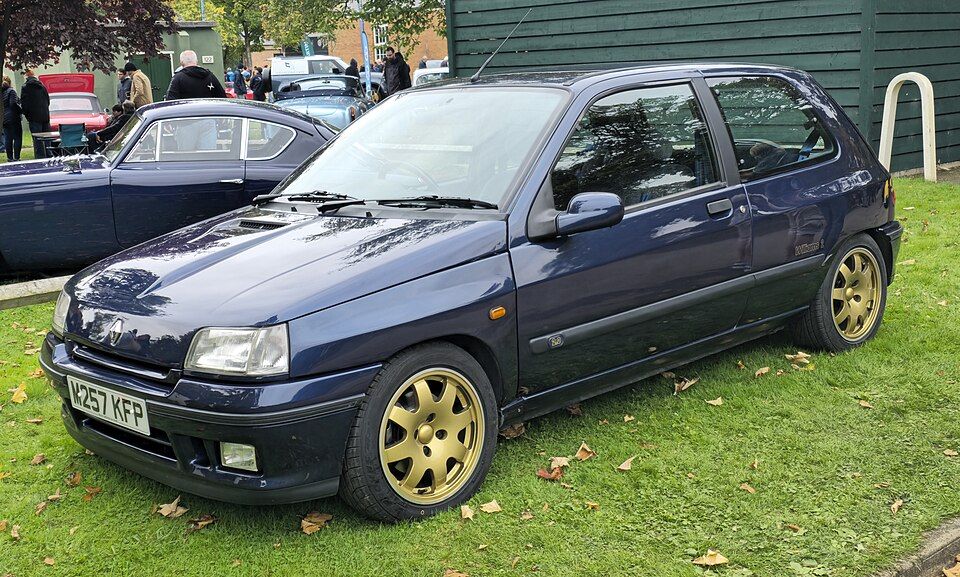
Photo: 1995 Renault Clio Williams 2 by Calreyn88, CC BY-SA 4.0, via Wikimedia Commons
Some special editions feel like they were cooked up in a meeting room on a Friday afternoon. A new badge here, a stripe there, maybe some brighter wheels, and that’s your lot. The Renault Clio Williams was the exact opposite. It had the look, sure, but it also had a real reason to exist, and you can feel that in the way people still talk about it now. Even if you weren’t around in the early 1990s, you can still get why this little blue Renault hit people so hard. It was cheeky, it was quick, it had gold wheels that looked like they belonged on a poster, and it arrived at the right time, when small fast cars still felt raw and alive. At Dace Motor Company, we spend a lot of time around cars that suit real roads in Manchester and Stockport, and that’s part of why the Clio Williams still makes sense today. This wasn’t some giant, heavy machine that needed a race track to wake up. It was a compact car with a big personality, the sort of thing that would feel at home on a tight back road, a damp morning run, or even just parked up where people could have a proper look at it and say, “Go on then, that’s a bit special.” And that’s the key to the legend, really. The Clio Williams didn’t become famous because Renault begged people to care. It became famous because drivers cared, magazine writers cared, rally fans cared, and years later collectors still care. That kind of love doesn’t happen by accident. It happens when a car looks right, goes right, and lands in people’s heads at exactly the moment it should.
It started with a proper reason
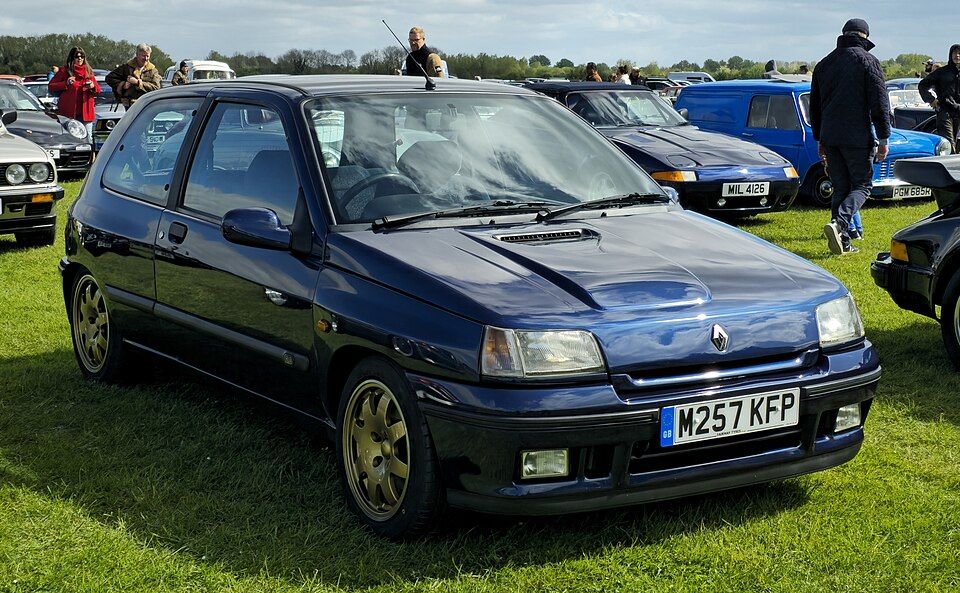
Photo: 1992 Renault Clio Williams 2 by Calreyn88, CC BY-SA 4.0, via Wikimedia Commons
The story gets much better when you look at why Renault built it in the first place. This wasn’t a random trim level. Renault wanted a version of the Clio that could be used for rally competition, which meant building road cars first. That’s why the Clio Williams came along in 1993, and that’s also why it felt so much more serious than a normal special edition. Renault even unveiled it to the press in Corsica, a place with real rally history, which tells you a lot about the mood around the car from day one. The name mattered too. It wore the Williams badge because of Renault’s link with the title-winning Williams-Renault Formula One team, the same partnership that had just taken the constructors’ title the year before.
But the engineering work on the car itself was done by Renault Sport, which is worth saying because people still mix that bit up. And then there was the scarcity. The first 3,800 cars were numbered on the dashboard, which gave the whole thing instant collector appeal before the phrase “future classic” got thrown at every shiny thing with alloy wheels. Renault had only needed 2,500 road cars to make the rally side work, yet demand quickly blew past that. The first run sold through, more buyers turned up, and the total ended up going past 12,000 cars. That’s one of the reasons the Clio Williams is such a great story. It began as a car built to satisfy the rules, but it stayed alive because people genuinely wanted one. That shift, from “we need to build this” to “we can’t stop people buying this,” is where legend status starts to creep in.
The real magic sat under the bonnet
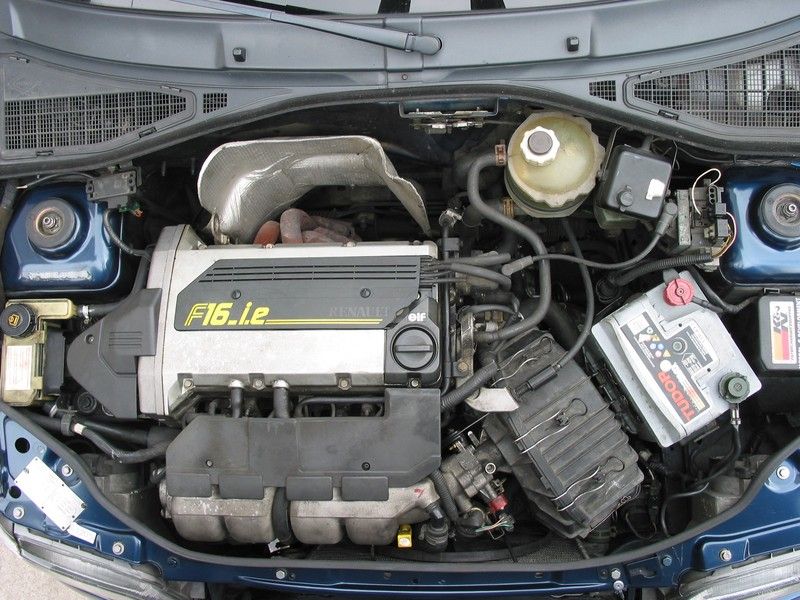
Photo: Renault Clio Williams Engine by leomiga, Public domain, via Wikimedia Commons
If the Clio Williams had only been a pretty blue Clio with gold wheels, we wouldn’t still be talking about it. The real hook was what Renault changed under the skin. The starting point was the Clio 16V, which was already the fast Clio of its day, but Renault Sport didn’t just give it a gentle tweak and call it a day. The old 1.8-litre engine was taken out and a 2.0-litre unit went in. In road terms, that meant 150 horses, a top speed of 215 kilometres an hour, and a run to 100 kilometres an hour in 7.8 seconds. Those numbers still sound healthy now for a small car from the mid 1990s, but they mattered even more back then because the Clio Williams was light. One source puts it at just 990 kilograms, which is a huge part of the recipe.
There wasn’t a lot of bulk to shove around, so every input felt sharper. Renault Sport also stiffened things up underneath with stronger springs, dampers and other parts that helped keep the car settled in bends, and it even added a reinforced front section from the Clio Cup race car. In simple terms, Renault didn’t just make the engine bigger. It made the whole car better at dealing with that extra shove. That’s why the Clio Williams has such a strong reputation. Plenty of cars can claim a bigger engine. Fewer can say the rest of the car was sorted properly too. You can almost picture the meetings: less nonsense, fewer gimmicks, just a clear plan to make a small hatchback faster, stronger and more alive in corners. That honesty is a huge part of the appeal, and it still shines through decades later.
It looked loud without shouting
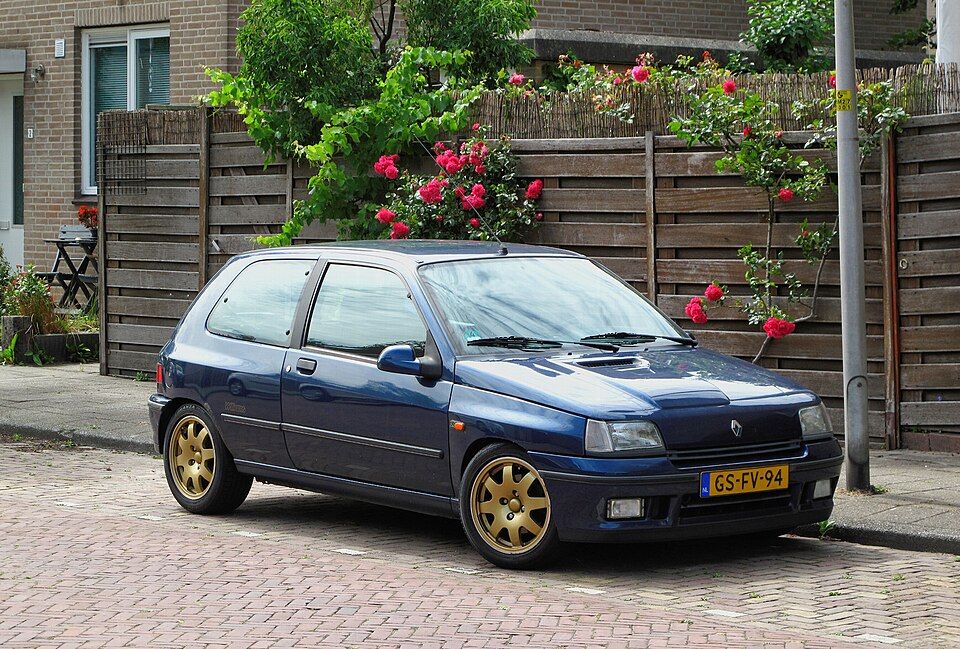
Photo: 1993 Renault Clio Williams 2.0 16V by Rutger van der Maar, CC BY 2.0, via Wikimedia Commons
And then there’s the way it looked, which is a big reason the Clio Williams burned itself into people’s memory. Renault kept the basic shape of the ordinary first-generation Clio, and that was smart. It didn’t need wild add-ons hanging off every corner. Instead, it got the details right. The car came in Metallic Sports Blue, and those gold Speedline wheels did a lot of the talking. Even now, that blue-and-gold mix is enough to stop people mid-scroll or mid-conversation. You don’t need to be a car nerd to get it. A kid could draw it from memory. That matters. Great car design is usually easy to spot from twenty paces, and the Clio Williams had that gift. The first 3,800 cars also wore a numbered plate on the dash, which added a little sense of ceremony every time you climbed in.
Inside, Renault carried the blue theme into the seatbelts and the instrument dials, plus a blue highlight on top of the gear lever. None of that sounds earth-shaking on its own, and that’s kind of the point. The Clio Williams wasn’t trying to look expensive or grown up. It looked fun, focused, and just a bit mischievous. You could imagine one parked outside a chippy in Stockport or by a row of terraced houses in Manchester and it would still feel right, because the design never drifted too far from real life. It wasn’t dressed for a velvet rope. It was dressed for roads, for car parks, for second glances, for bedroom wall posters, and for that little swell of pride drivers get when they glance back at their car after locking it. That sort of charm is very hard to fake, and Renault absolutely nailed it here.
Why people came back from a drive grinning
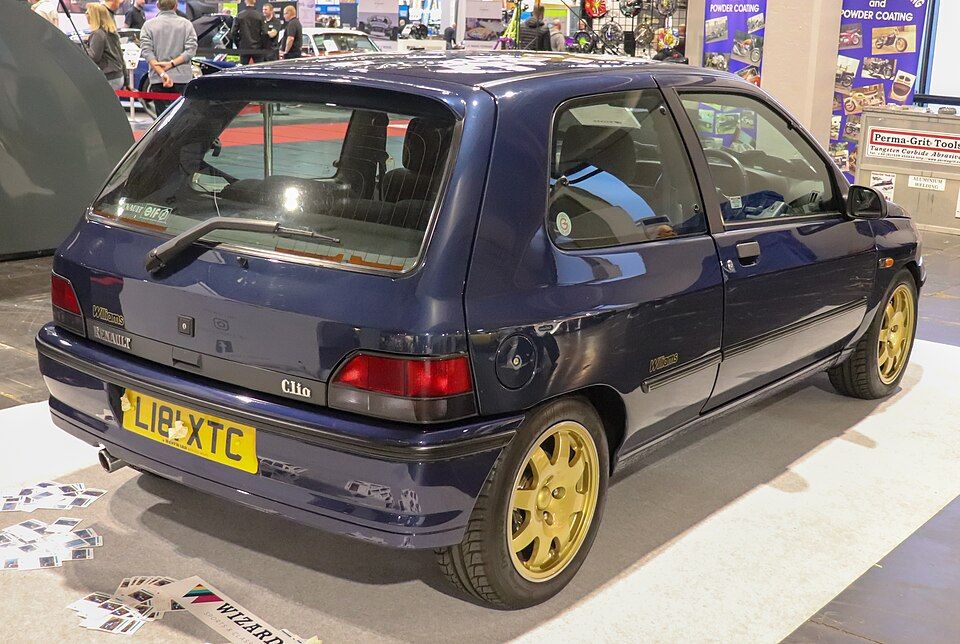
Photo: 1994 Renault Clio William Rear Taken at the NEC Classic Motor Show 2018 by Vauxford, CC BY-SA 4.0, via Wikimedia Commons
The thing that really pushed the Clio Williams past “special edition” and into “legend” territory was the way it drove. You can see that in the language people still use about it. Renault’s own heritage page calls it a benchmark among sporty hatchbacks of the 1990s. Evo says it was the first small fast hatchback to put the Peugeot 205 GTI in the shade, which is a massive claim because the 205 had been the class hero for years. Top Gear called the Clio Williams a proper, angry little car that defined what this kind of machine should feel like, and then went on about how addictive it felt when the back of the car joined in with the front as you lifted off the throttle in a bend.
That last bit matters because it gets to the heart of the car. The Clio Williams wasn’t brilliant because it was easy in a dull, tidy sort of way. It was brilliant because it felt alive. You had to work with it. You had to pay attention. You had to enjoy the little movements, the noise, the eagerness, the way a light car with a strong engine can seem to shrink around you on a good road. Let’s face it, that kind of thing is hard to explain to someone who only looks at numbers on a screen. But anyone who has driven a car that really clicks with them knows the feeling. It’s the same reason a quick little run out can fix your mood after a long day. Around Greater Manchester, where roads can change from clogged and scruffy to open and flowing in what feels like five minutes, a car like this makes sense. It’s small enough to enjoy at sane speeds, but playful enough to feel like an event. That balance is gold.
The legend grew because the car backed it up
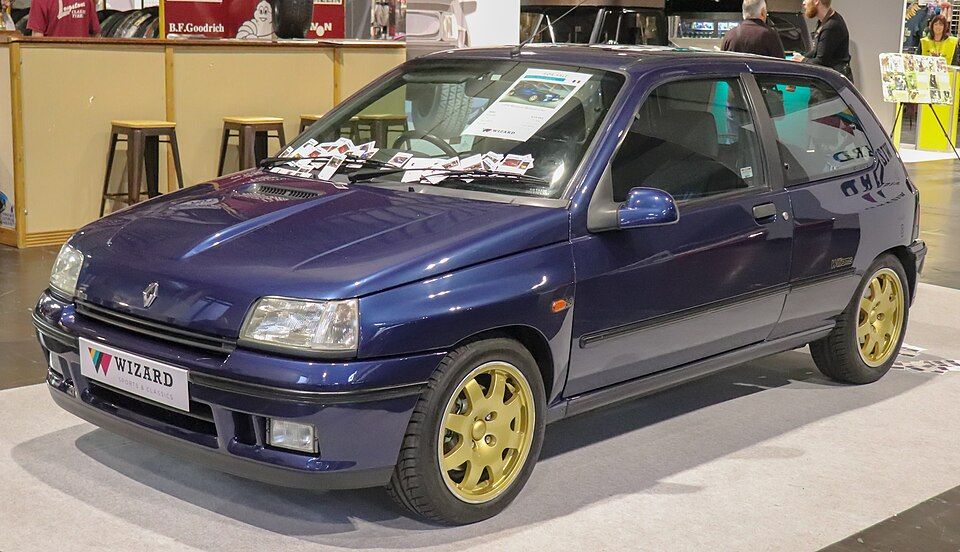
Photo: 1994 Renault Clio William by Vauxford, CC BY-SA 4.0, via Wikimedia Commons
A lot of limited-run cars enjoy a burst of hype, then fade into the background once the next shiny thing rolls in. The Clio Williams didn’t. It stuck around in people’s heads because the reputation matched the reality. Renault had planned a special run, but demand kept rolling, and the company followed the original version with later Williams 2 and Williams 3 models. That decision annoyed some early owners who liked the idea that their numbered cars were a one-time deal, and to be honest you can see their point. But it also proved something important. Renault had stumbled into a car people genuinely loved. The excitement wasn’t fake. It wasn’t media fluff. Buyers wanted one badly enough that Renault carried on building them.
By that stage the Clio Williams had become bigger than a celebration of the Williams-Renault racing link. It had become a proper road car hero in its own right. And then you add the wider car culture of the time. In the 1990s, small fast hatchbacks had a special place because they mixed speed, size and mischief in a way bigger cars couldn’t. The Clio Williams landed right in that sweet spot, then pushed the class forward. Evo’s line about it putting the Peugeot 205 GTI in the shade matters because that was like knocking the king off the chair. Once a car pulls that off, people remember. People argue about it in pubs. People chase cleaner examples years later. People tell younger drivers, “You should’ve seen one of these when they were fresh.” That’s how a legend builds, piece by piece. The car doesn’t just exist. It starts gathering stories around itself, and the Clio Williams had story after story piling up from the start.
Time has been kind to the idea of it
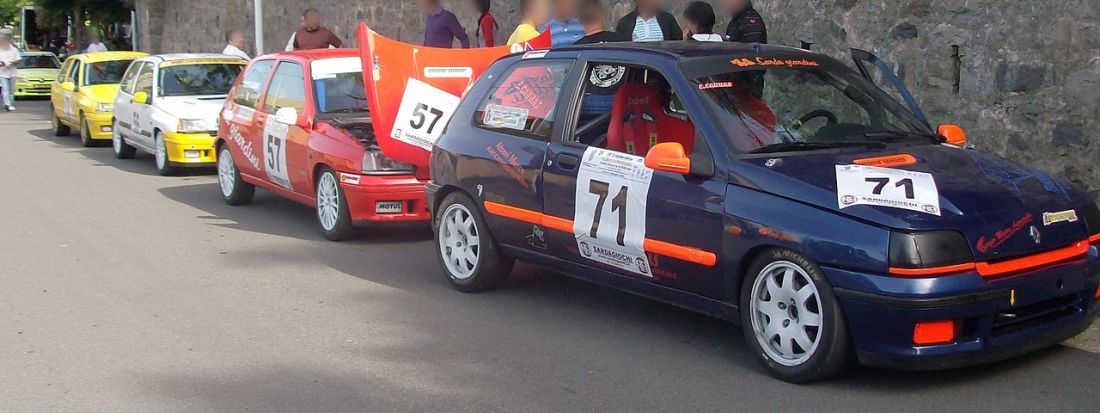
Photo: 2009 "Cuglieri-La Madonnina" hillclimb race by Lou6977, CC BY-SA 4.0, via Wikimedia Commons
What’s funny is that age has actually helped the Clio Williams look even better. Back in period, it was a quick little Renault with a famous badge and a bit of attitude. Now, it feels like a snapshot of a kind of car makers don’t really make in the same way anymore. Renault’s heritage site says it remains very popular and is now sought after by enthusiasts and collectors, and that feels right. The best old performance cars aren’t loved just because they’re old. They’re loved because they remind people of a certain way cars used to feel. The Clio Williams delivers that in one neat package. It’s compact, light, manual, and direct. It doesn’t hide behind giant screens, layers of weight, or a mountain of driving modes. And because many of them were driven hard, modified, raced, or simply worn out over time, good ones now feel all the more special.
Hagerty’s coverage points to rust and tired examples as common issues, especially after years of hard use, which is really no surprise for a car that begged to be enjoyed rather than tucked away under a cover. That rough-and-ready past is part of the legend as well. The Clio Williams wasn’t born to be fragile garage art. It was built to be used, and many were used properly. So when a tidy one turns up now, it carries a bit of that survival story with it. You’re not just looking at a nice old Renault. You’re looking at a car that made it through the years with its reputation intact. That’s a big deal. Loads of famous cars lose their shine once the nostalgia wears off. The Clio Williams hasn’t. If anything, it feels clearer now why people fell for it in the first place.
Why the Clio Williams still lands today
So why does the Clio Williams still get spoken about with such warmth, even by people who have driven much newer, much faster machinery? A big part of it is honesty. You look at it and you get the point straight away. You drive it and the feeling matches the promise. There’s no mismatch, no sense that the styling team was writing cheques the engineers couldn’t cash. The shape, the colour, the numbered dash on the early cars, the stronger engine, the firmer setup underneath, the lively handling, it all tells one story. This is a small car built for people who enjoy driving. That message still lands in places like Manchester and Stockport because drivers here know that fun isn’t about showing off. It’s about finding a car that feels right on normal roads, in normal weather, on the kind of trips real people actually do. You know how it is. A car can be flashy and still leave you cold. Another can be small, a bit old, a bit rough around the edges, and still make you grin like an idiot. The Clio Williams sits firmly in the second group. And that’s why it became a legend. It wasn’t perfect, and that helped. It had attitude. It had a bit of edge. It made you want to take the long way home. Cars don’t earn that sort of affection just by being rare, or quick, or linked to racing. They earn it by making people feel something real. The Renault Clio Williams did that in the 1990s, and it still does now. From where we sit at Dace Motor Company, that’s the kind of car story worth telling, because it reminds you that the best used cars are never just transport. They leave a mark.