


The Forgotten History of the British Car Industry’s Golden Age
If you picture Britain in the 1950s and 1960s - well, you’d see more than just grey skies and rainy days. You’d also see British cars everywhere. At that time, the UK was the second-largest producer of cars in the world, only behind the USA. That means when people in Manchester, Stockport or London hopped into their car to see friends or pop to the shops, there was a good chance that car was made somewhere in Britain. The industry wasn’t just about making cars. It was about shaping a way of life. The post-war world was hungry for new cars. Families wanted something affordable but reliable. Young people wanted something fun to drive. That’s where the brands that many of us now think of as “classic British cars” really got their start.
Names You’d Recognise - and Loved
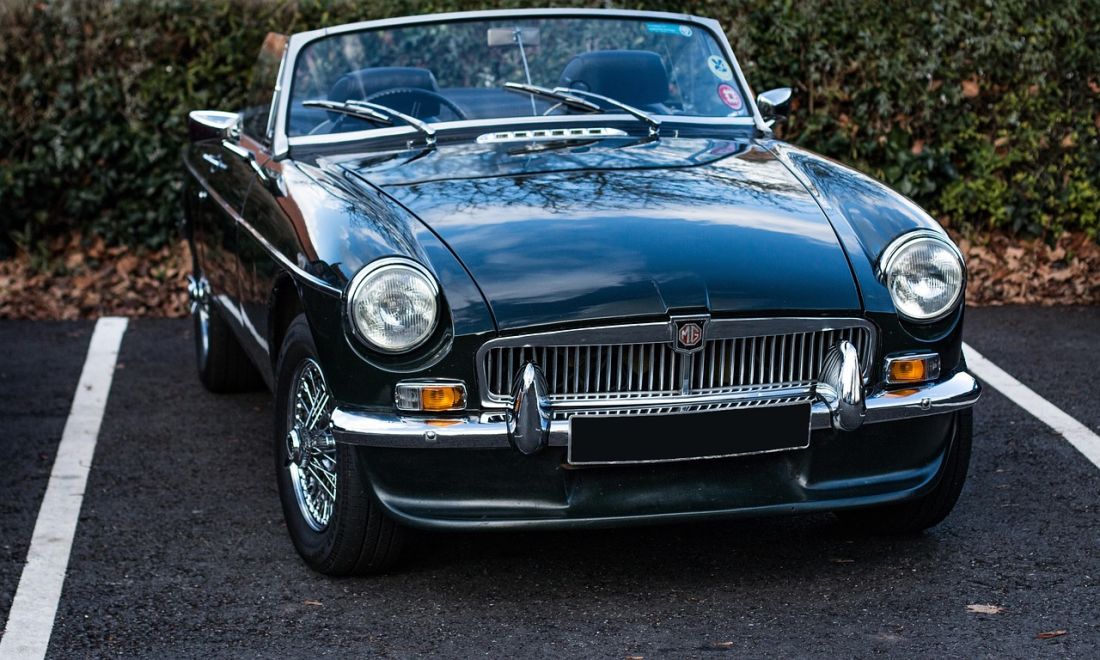
One of the big names was MG. Back in the 1920s it started out as a little business by a guy called Cecil Kimber, who worked for a garage called Morris Garages. He began tinkering with Morris cars - making them sportier, lighter, and more exciting. That’s where the “MG” badge came from.
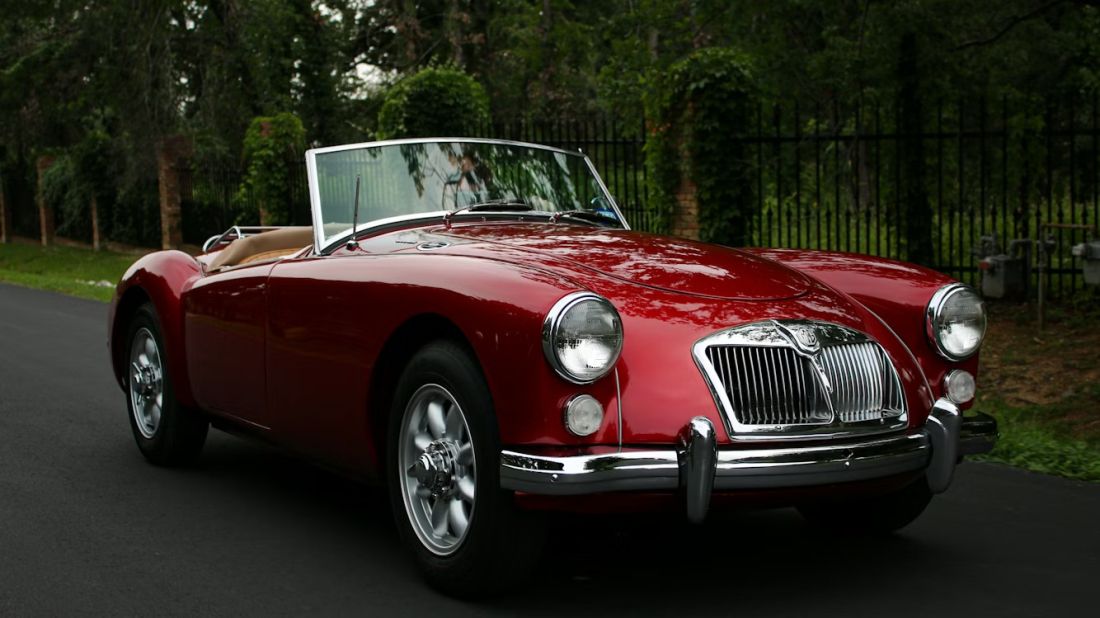
MG really hit its stride after the Second World War. Models like the MG MGA - made from 1955 to 1962 - proved that British cars could be sporty, stylish, and desirable. A lot of these cars were bought or exported abroad.
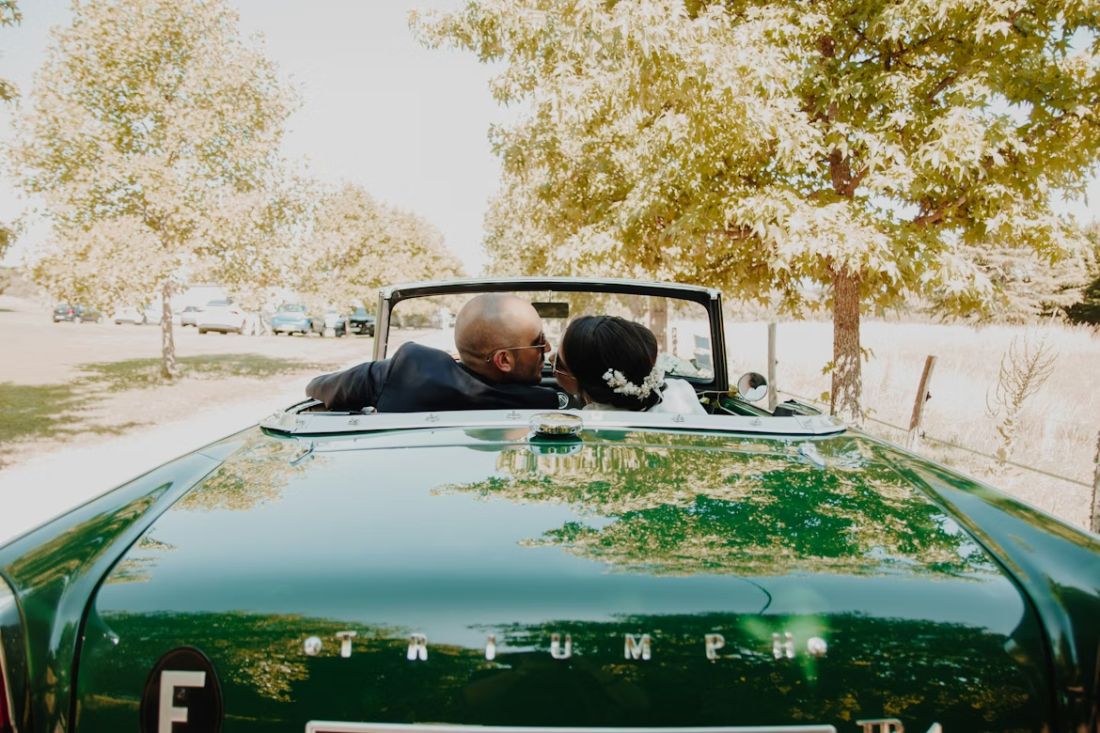
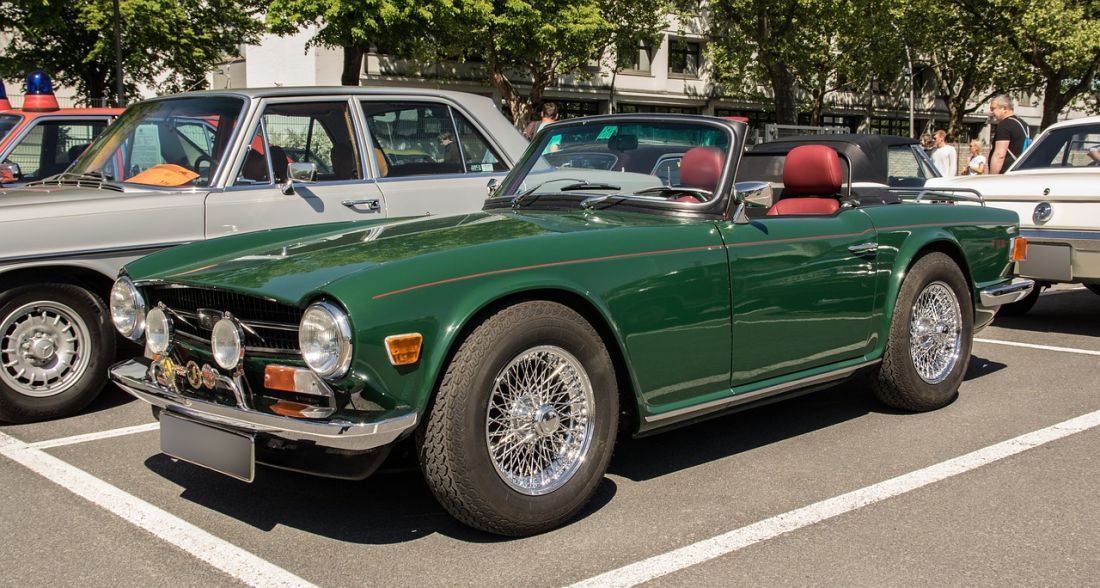
Another big name was Triumph. They actually began as a bicycle and parts importer in the late 1800s, then moved into building cars - their first car came out in 1923.
For many people back then, owning an MG or a Triumph wasn’t just about getting from A to B. It was about style, freedom, and being part of something special. Imagine driving down a winding country lane with the wind in your hair in a little two-seater sports car - that was the dream for many.
Why Britain’s Car Boom Worked - For a While
After World War II, there was a big push for export. Britain was rebuilding, and cars were one of the things people around the world wanted. For a time, the UK dominated car exports. Also, British brands weren’t all about fancy luxury. They offered small, affordable cars for everyday people - families, workers, students. That kind of practicality made them very popular at home and abroad. Over time, these cars built a reputation for being “good value for money.”
At the same time, the variety of car makers - small niche ones like MG or sports-car builders like Triumph - meant lots of choice. Want a simple small family car? No problem. Fancy a sporty two-seater? Easy.
So for a few decades, Britain looked like it had cracked it: great cars, strong industry, lots of jobs, lots of choices. It felt like things might go on like that forever.
What Went Wrong - and Why Many British Names Faded
But, as we say in Manchester - nothing lasts forever. By the late 1960s and 1970s, the shine started wearing off. There were a few big reasons for that.
One issue was that lots of British car makers got combined into one giant company: British Leyland Motor Corporation (BL). That meant many once-independent brands - including Triumph, MG, and others - ended up under one roof. That sounds fine, but it came with baggage. Suddenly the problem was not just building cars - it was managing a huge, awkwardly organised company.
There were also problems with how cars were made. Compared with newer companies overseas, British makers were slow to adopt newer, more efficient manufacturing methods. That made cars more expensive to build. Meanwhile, foreign rivals - especially from Europe and Japan - started offering reliable, modern, and often cheaper cars. That hit British brands hard.
On top of that, many of the newer British-made models got poor reviews for quality and design. Some didn’t look very appealing, others had reliability issues. When you’re competing against slick new imports, that doesn’t help.
So bit by bit, people started buying other cars instead - from foreign brands, or newer, better built cars from overseas makers.
The Slow Fade - From Boom to Quiet
By the 1970s, the UK had already dropped from being one of the world’s top car makers to way down the list.
Some brands tried to adapt. For instance, the last car under the Triumph badge was the Triumph Acclaim - a small family car produced between 1981 and 1984. It was actually based on a Japanese-made car, a sign that even the British stalwarts had to lean on outside help to survive.
But that wasn’t enough. Over time, big names faded from the roads. Production plants closed. Jobs were lost. The British car industry lost its former glow.
By the end of the 20th century, many of the old brands didn’t exist anymore - at least not in the form people remembered. Some names survived as part of larger foreign-owned companies. Others vanished altogether.
Why We Still Remember - and Maybe Should
Even if a lot of those old British-built cars are gone, there’s a reason people still get misty-eyed when they hear “MG,” “Triumph,” “Mini,” or “Jaguar”.
Because they represent something real. They stand for a time when you could buy a car that was built close to home - maybe even in the same region someone from Manchester lives. A time when you could afford a sporty little two-seater without spending a fortune. A time when cars had character, quirks, and stories.
There’s also a growing interest now in re-visiting those cars. Collectors, restorers, fans - especially younger people - are discovering what made them special. Feeling the steering wheel of an old MG, hearing the engine of a Triumph, sitting in a ’60s compact car… it’s not fancy, but it’s honest.
Some of these cars are on display in museums or at classic-car events. Others are being lovingly restored, part by part. There’s a charm there that shines through even decades later.
What This Means for Us - in 2025
I know we at Dace Motor Company are all about used cars - lots of different makes and models, from small hatchbacks to big 4x4s. In a way, we carry the spirit of that old British variety. Back then, you had choices. Now, when you walk into a showroom in Stockport or Manchester, you’ve got more choices than ever - different brands, different styles, different tastes.
Thinking about those old British cars makes me realise how much has changed. Cars are built all over the world. Many of the old British marques are gone, or they’ve changed hands. Still, the love for a good, honest car remains.
For someone looking to buy a used car today - maybe you want something simple and reliable, or maybe you want something a bit fancy - I reckon it’s worth knowing where all that started. Because if you appreciate variety, heritage, and a sense of character, you’ll see how those old days shaped what we expect from a car now.
Maybe one day someone will look back at the cars we sell now - the Hondas, Hyundais, Audis, Volkswagens - the same way people now look back at MGs and Triumphs. Maybe.
If you ever get a chance to spot one of those old classics on the road or at a show - a shiny little MG, or a Triumph from the ’60s - have a look. Give it a wave. Because for a while, Britain really ruled the roads.