


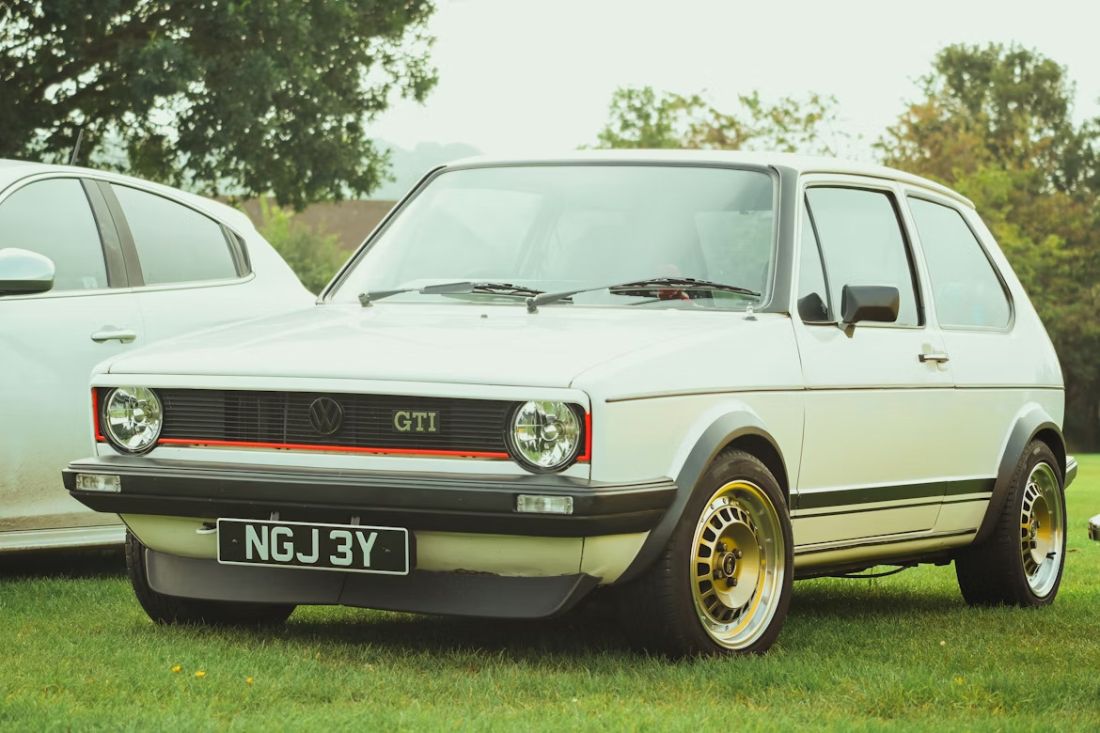
The Evolution of the Volkswagen Golf Through Eight Generation
If you live around Manchester or Stockport, you’ve seen a Volkswagen Golf without even trying. You spot one outside the Trafford Centre, another waiting at lights near the A6, another tucked into a side street in Heaton Moor, and one more doing the school run in the rain because, let’s face it, that’s peak North West motoring. At Dace Motor Company, we see all sorts come and go, but the Golf has stayed in the picture for decades. That says a lot. This isn’t some car that had one good year and faded away.
The Golf turned 50 in 2024, and by that point Volkswagen said it had sold more than 37 million of them across eight generations. That’s huge. And there’s a reason for it. The Golf took over from the Beetle in 1974, which was a massive moment for Volkswagen. The old rear-engine setup was out, and the new front-engine, front-wheel-drive layout was in. That change sounds a bit technical, but really it meant the car was moving with the times. It was easier to use, easier to package, and better suited to how families were living. The shape helped too. The original car, created with designer Giorgetto Giugiaro, looked clean, simple, and modern, and the hatchback body with a big rear opening made everyday life easier. Shopping, school bags, football boots, a quick run to B&Q, it all fit the Golf idea really well. And people got it straight away. Volkswagen says the first million Golfs were built by October 1976, which is wild when you think the car had only just arrived.
First generation, the one that changed everything
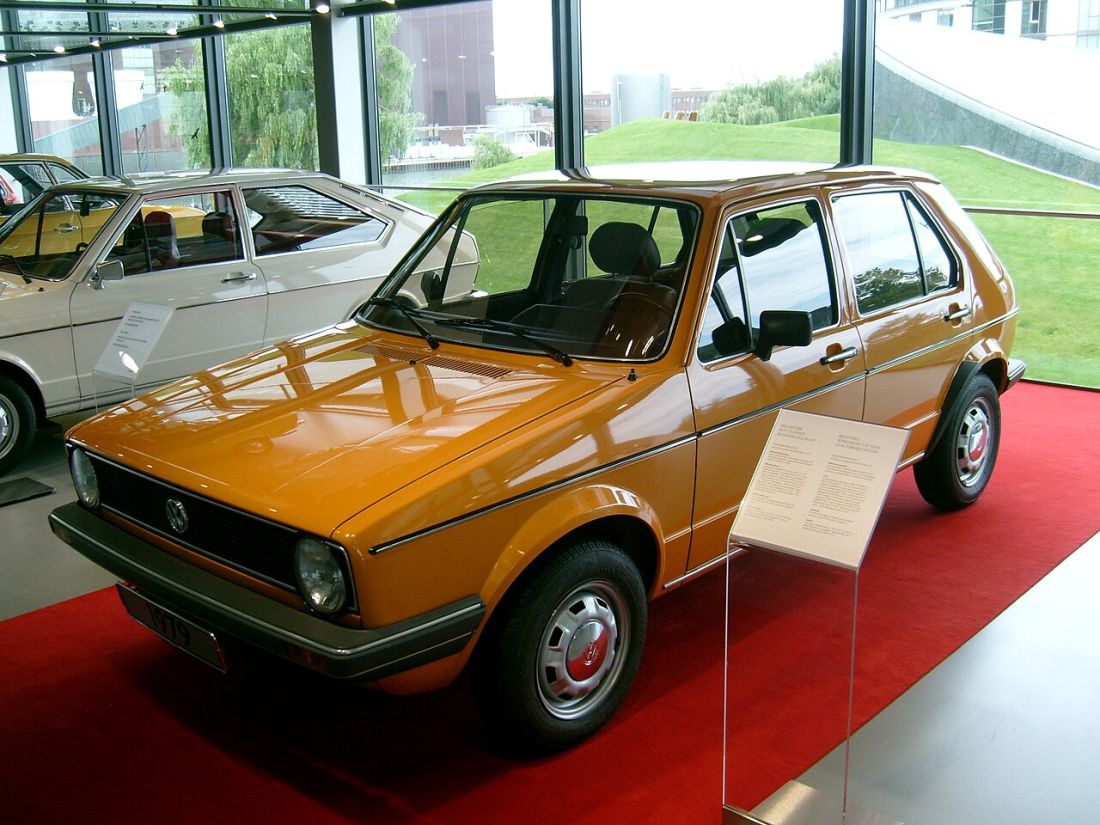
Photo: Volkswagen Golf Mk1 by flickr.com/photos/bkm_br/, CC BY 2.0, via Wikimedia Commons
The first Golf, sold from 1974 to 1983, had a proper fresh-start feel about it. You can still see that now. It looks neat, upright, and honest, and there isn’t much wasted space anywhere. It was a small family car, but it didn’t feel flimsy or awkward. It felt smart. The hatchback layout was a big part of that. You got a wide rear opening and folding rear seats, so it could do normal life without acting precious. That matters more than people sometimes admit. A car can be pretty, but if it can’t swallow bags, coats, and the random clutter we all carry around, you soon get fed up. The Mk1 Golf got the balance right. It also laid down the template for what a Golf should be, which is handy to drive, tidy to look at, and usable every day.
And then the fun versions arrived. Volkswagen’s own history pages list the first Golf GTI from 1976 to 1983, and the first Golf Cabriolet from 1979 to 1993. That’s a big deal because it shows how quickly the Golf went from “good practical hatchback” to something with real personality. You had the sensible version, the sporty one, and the open-top one, all built around the same basic idea. That gave the Golf range a wider appeal without losing the point of the car. It also sold in huge numbers. Volkswagen says 6.99 million examples of the first generation were sold worldwide if you count all derivatives and the then closely related Jetta too. So, right from the start, the Golf wasn’t just liked. It was trusted. And trust is hard to earn. Once a car gets that, it tends to stick around.
Second generation, familiar but more grown up
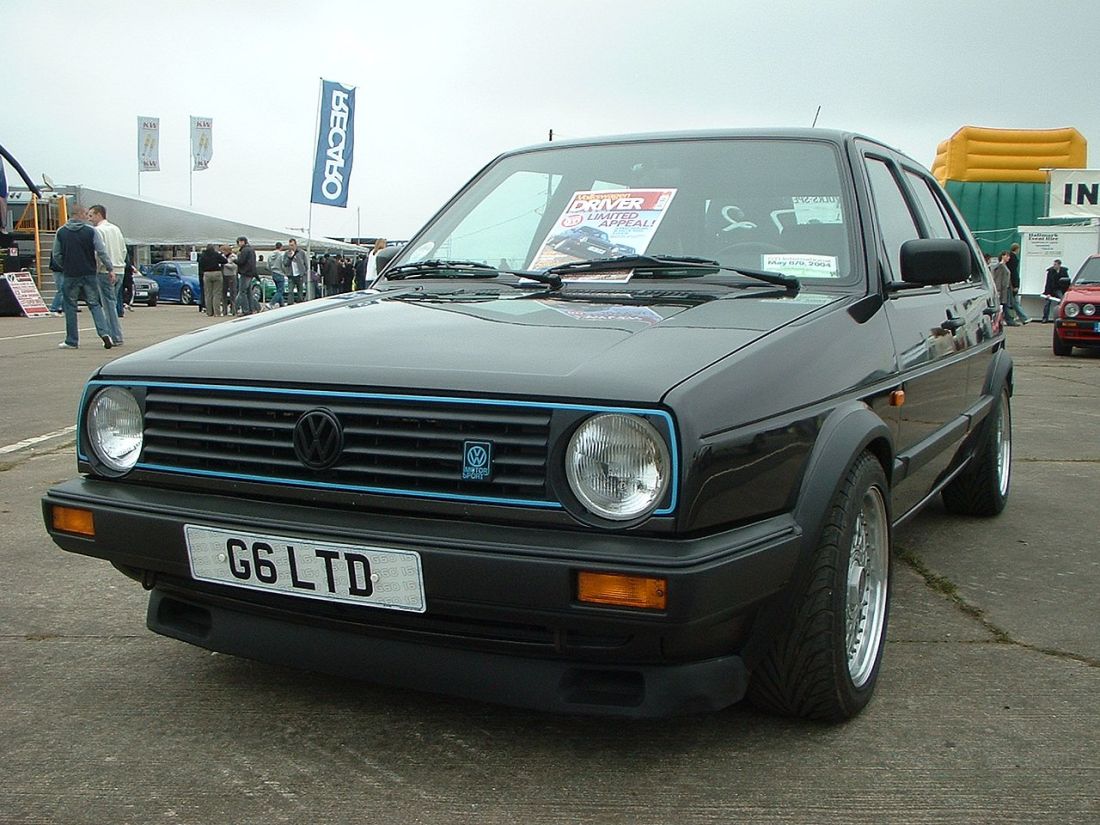
Photo: Volkswagen Golf Mk2 G60 Limited by ItsGrimUpNorth at English Wikipedia, Public domain, via Wikimedia Commons.
Then came the second generation in 1983, and this is where Volkswagen showed real discipline. It didn’t throw the whole idea in the bin and start again just because it could. It kept the shape familiar, kept the Golf feel alive, and made the car bigger, broader, and better set up for the real world. You know how it is, people don’t want their favourite car turned inside out for no reason. They want it improved. The Mk2 understood that. Volkswagen says this was the Golf that many people learned to drive in, and that makes sense because it had that trustworthy, no-drama image. But there was more going on underneath than just a larger shell.
The second Golf helped bring useful new features to normal buyers, including a controlled catalytic converter, anti-lock braking, and the first all-wheel-drive setup in the range. That might sound like a dry list, but it matters because it shows what the Golf was becoming. It was no longer just the car that replaced the Beetle. It was turning into the car that made newer ideas feel normal. That’s been one of the Golf’s biggest tricks through every generation. It takes something that sounds fancy and makes it feel like part of everyday life. The Mk2 also kept the design DNA of the first car, which is another reason the Golf never lost itself. Even if you parked a Mk1 and Mk2 side by side near the Pyramid in Stockport, you’d clock straight away that they belong to the same family. The second one just looks like the first one has had a good meal and grown a bit of confidence. And that was exactly the right move at the time.
Third generation, safety moved centre stage
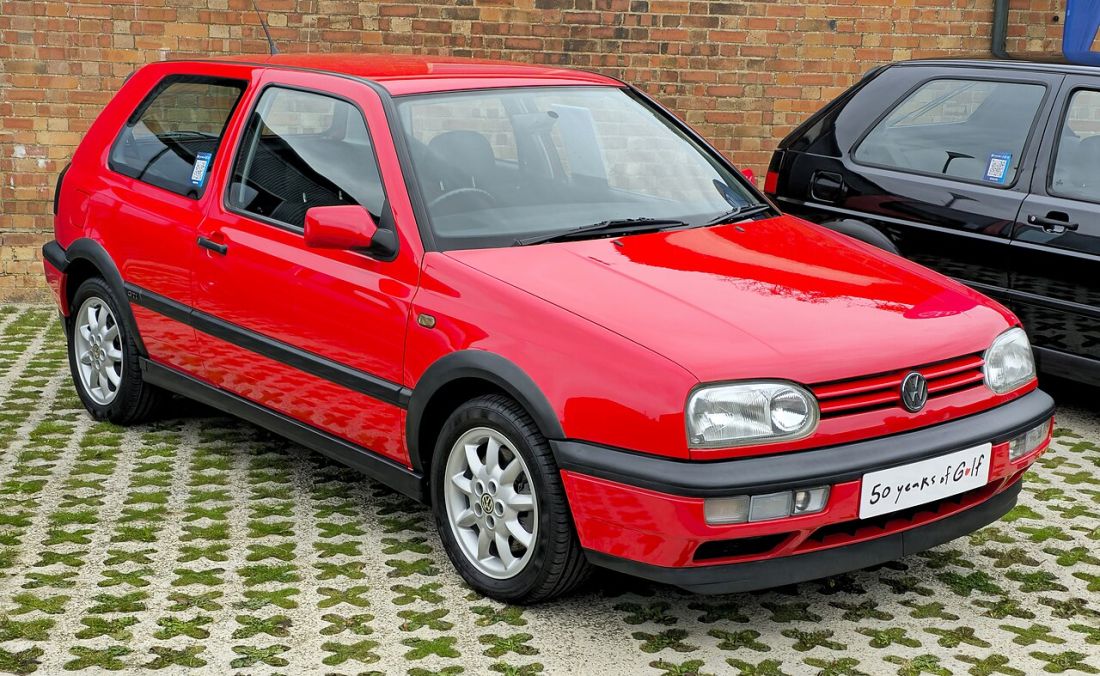
Photo: Volkswagen Golf GTI III by MrWalkr, CC BY-SA 4.0, via Wikimedia Commons
The third generation arrived in 1991, and this one had a different mood. It still had to be a Golf, still had to be practical, still had to work for everyday drivers, but safety became a much bigger part of the story. Volkswagen says the Mk3 was the first Golf to be available with front airbags from 1992, and the body design was improved to give better crash performance too. That’s the kind of change people really felt by the early 1990s. Cars were no longer judged just on whether they started every morning and had enough room in the back. Families wanted peace of mind. They wanted to know the car had moved on. The Mk3 answered that. It also brought in plenty of other firsts for the Golf line, including the first six-cylinder engine, cruise control, the first direct-injection diesel engine, and the first side airbags. So this generation sits in an interesting spot.
It wasn’t as stripped-back and simple as the early cars, and it wasn’t yet as polished and almost premium-feeling as what came after. It was the bridge. It helped shift the Golf from a smart hatchback into something that felt seriously complete. And, to be honest, that mattered a lot for the car’s future. If the Golf had stood still in the 1990s, rivals would have caught it. Instead, Volkswagen kept nudging it forward without making it weird. That’s harder than it sounds. The third-generation car still looked like a Golf, still felt like a Golf, but it also told buyers, “we know the rules have changed, and we’re changing with them.” That’s why the Mk3 deserves more credit than it always gets. It did a lot of important work, even if it isn’t always the poster-car people stick on their bedroom wall.
Fourth generation, the Golf got classy
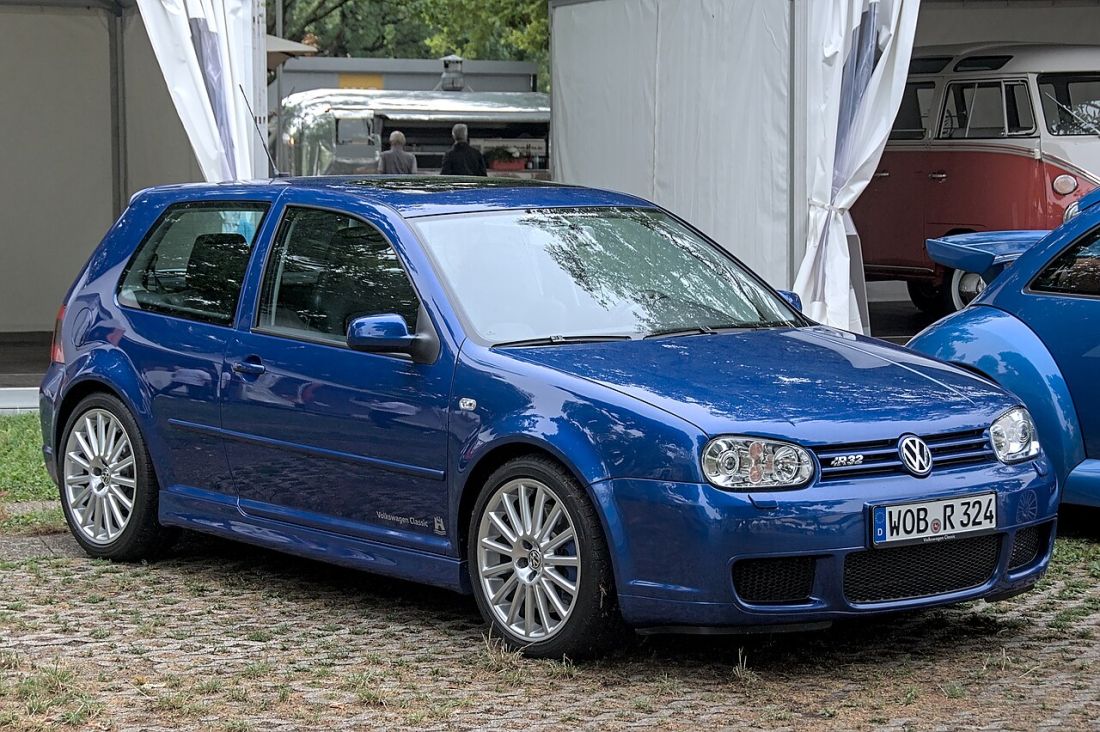
Photo: Volkswagen Golf IV R32 by Alexander Migl, CC BY-SA 4.0, via Wikimedia Commons
By the time the fourth generation landed in 1997, the Golf had found a new lane. This was the one that made loads of people look at a humble hatchback and think, “hang on, this feels a bit posh.” Volkswagen describes the Mk4 as a style icon, and that doesn’t feel over the top. The design was clean and tight, and the whole car seemed to have been screwed together with extra care. If the Mk3 said, “we’re serious about safety,” the Mk4 said, “we’re serious about quality too.” That’s a big part of why this generation has aged so well. It didn’t chase silly trends. It just looked crisp. But it wasn’t just about appearance. Volkswagen says this generation brought in electronic stability technology, and before long that became standard in Germany.
It also introduced petrol direct injection, standard head airbags, the first R32, and then a fast-shifting dual-clutch automatic gearbox in 2003. So the Mk4 widened the Golf’s personality again. It could still be the sensible family hatch. It could also be the one you really wanted. And that’s where the Golf started getting this “all things to all people” reputation. One version could be quiet and sensible for work and family life. Another could have real pace and presence. Around Greater Manchester, that sort of split still makes sense. Some people want a Golf for commuting into town. Some want one because it feels smart parked outside the house. Some want one because a quick B-road run out past Marple or toward the Peak District is a laugh in the right version. The Mk4 showed the Golf could cover all of that without losing its cool.
Fifth generation, where the modern Golf really clicked
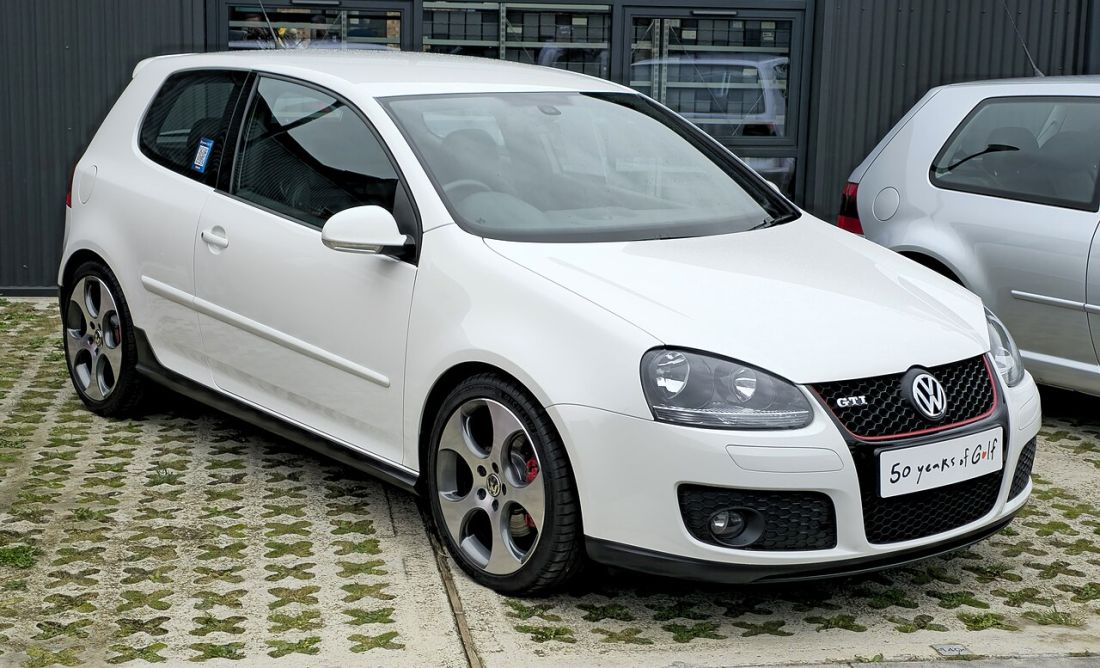
Photo: Volkswagen Golf GTI V by MrWalkr, CC BY-SA 4.0, via Wikimedia Commons
The fifth generation, sold from 2003 to 2008, is where the Golf started to feel very close to the modern car people still know now. There was a stronger sense of weight and solidity about it, and Volkswagen says body stiffness was up by 35 percent compared with before. That helped the car feel more planted, and you could see the company pushing hard on comfort and driving feel too. The rear suspension was new, the body was stronger, and the cabin had a richer mood. It didn’t feel like a small car pretending to be special. It felt like a small car that had genuinely stepped up. Safety kept moving as well, with six airbags as standard and the option of side airbags in the rear. Then there was the fun stuff.
Volkswagen says the Mk5 brought in a new seven-speed dual-clutch automatic gearbox, bi-xenon headlights, and the first turbocharged direct-injection petrol engine in the Golf GTI. That last bit really matters, because for loads of car fans the Mk5 GTI was the moment the performance Golf got its swagger back in a big way. You still hear people in pubs and car meets talk about it with a grin. And fair enough. But even away from the sporty versions, the Mk5 mattered because it made the ordinary Golf feel a bit richer and more rounded. It was the kind of car that suited a lot of people in a lot of situations. Long motorway runs. Tight supermarket parking. Daily traffic on the M60 where everyone’s patience is hanging by a thread. It just fit. And once a Golf generation earns a reputation for quietly doing everything well, it sticks in people’s minds for years. The Mk5 managed that, and that’s why so many people still rate it as one of the key turning points in the whole story.
Sixth generation, smoother, safer, and smarter
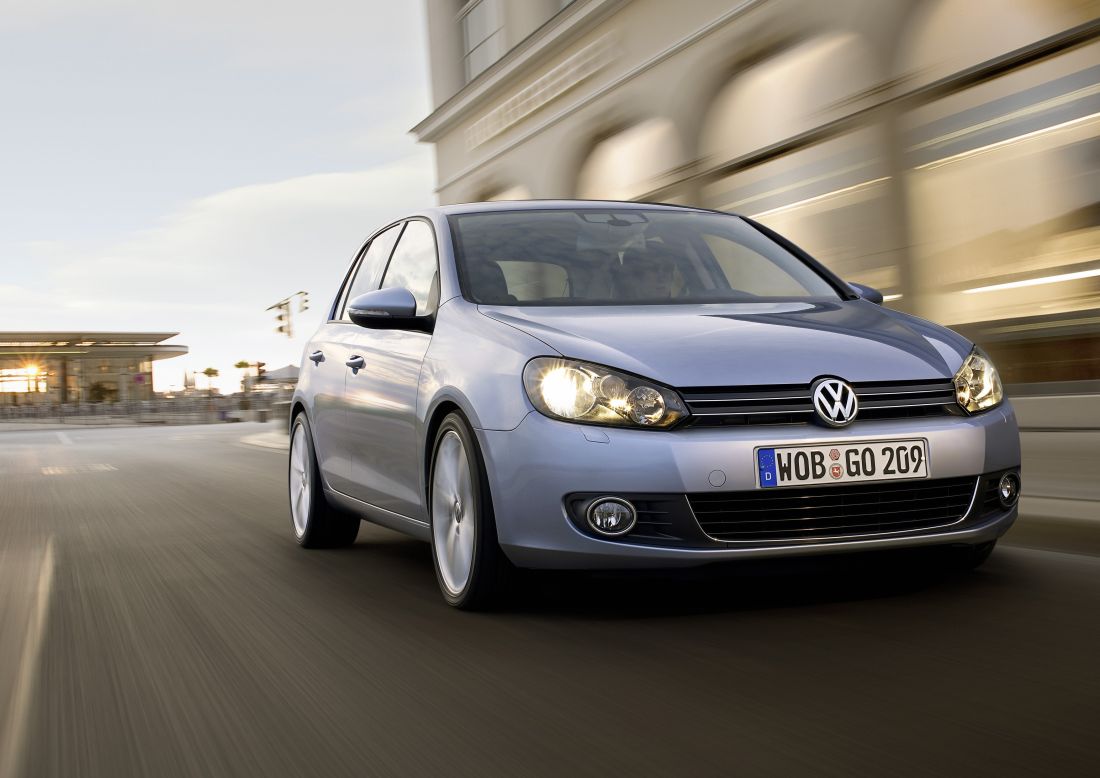
Photo: Volkswagen Golf Mk VI by Michel de Vries, CC BY-SA 3.0, via Wikimedia Commons
The sixth-generation Golf arrived in 2008, and while it didn’t rip up the rulebook, it sharpened what the Mk5 had started. That might sound like faint praise, but it really isn’t. Some cars need a big dramatic change. Others just need the rough edges rubbed down. The Mk6 was the second type, and it did that job well. Volkswagen says this generation earned the full five-star score in Euro NCAP crash testing, and it came with a knee airbag as standard. Again, that points to the Golf’s long-running habit of bringing stronger safety kit into the everyday hatchback class. But the sixth generation also leaned hard into quality and convenience. Volkswagen’s own history says the interior was seen as a big step, and new driver-help systems included automatic high-beam control, ParkAssist, Hill Start Assist, and adaptive chassis control.
There was also start-stop tech, energy recuperation, dynamic cornering lights, and LED rear lights. So the Mk6 was the Golf becoming more polished, more clever, and easier to live with. It also picked up the World Car of the Year title in 2009, which tells you people outside Volkswagen noticed the shift too. To put it in normal language, this was a Golf for buyers who wanted the car to feel clean, sensible, and just a bit more premium without shouting about it. You can see why that worked. Plenty of people want something understated. They want a car that feels thought through. No fuss. No silly drama. Just a hatchback that makes a wet Tuesday morning feel less annoying. The Mk6 had that energy. And in the UK, where a car has to deal with potholes, tight streets, motorway slogs, and weather that changes its mind every ten minutes, that counts for loads.
Seventh generation, lighter on its feet and ready for a new age
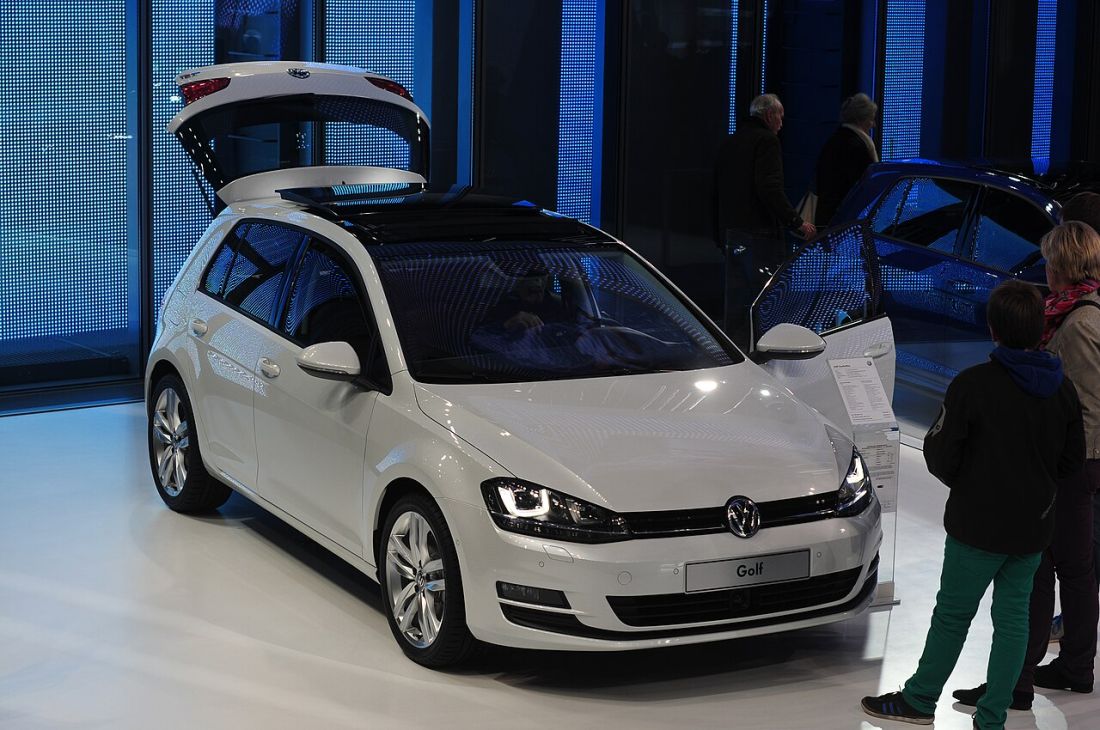
Photo: Volkswagen Golf Mk7 by Ralf Roletschek - Infos über Fahrräder auf fahrradmonteur.de, via Wikimedia Commons
The seventh-generation Golf showed up in 2012, and this one was a proper leap, even if it didn’t scream for attention. Volkswagen says the car was cut by up to 100 kilograms in weight, and depending on the engine, fuel use could drop by up to 23 percent compared with the older car. That’s a big deal because cars had spent years getting heavier and heavier, and the Mk7 pushed back the other way. Lighter cars tend to feel more eager, and they usually make everyday driving feel a bit easier too. The Mk7 also arrived with a long list of fresh driver-help systems, including a multi-collision brake, proactive occupant protection, adaptive cruise help, and Front Assist with city emergency braking.
So it was slimmer on its feet and sharper on safety at the same time. Then, in 2014, Volkswagen launched the e-Golf, which marked a clear step into electric motoring for the Golf line. That matters because it shows the Golf didn’t ignore where the market was heading. It tried to come along for the ride. And that’s very Golf, really. The car has always done its best work when the industry shifts and it finds a way to bring that shift into ordinary life. Around Manchester and Stockport, the Mk7 became part of the street furniture for a reason. It looked clean, drove well, and came in versions for just about every kind of driver. Student? There was a sensible one. Family? There was one for that. Company-car user doing endless motorway miles? Sorted. Someone who wanted a sharper GTI or Golf R? Also sorted. The Mk7 made the Golf feel current without losing the easygoing side people liked. That’s why it still feels like a very modern car now, even years after it first went on sale.
Eighth generation, screens, hybrids, and the 2024 update
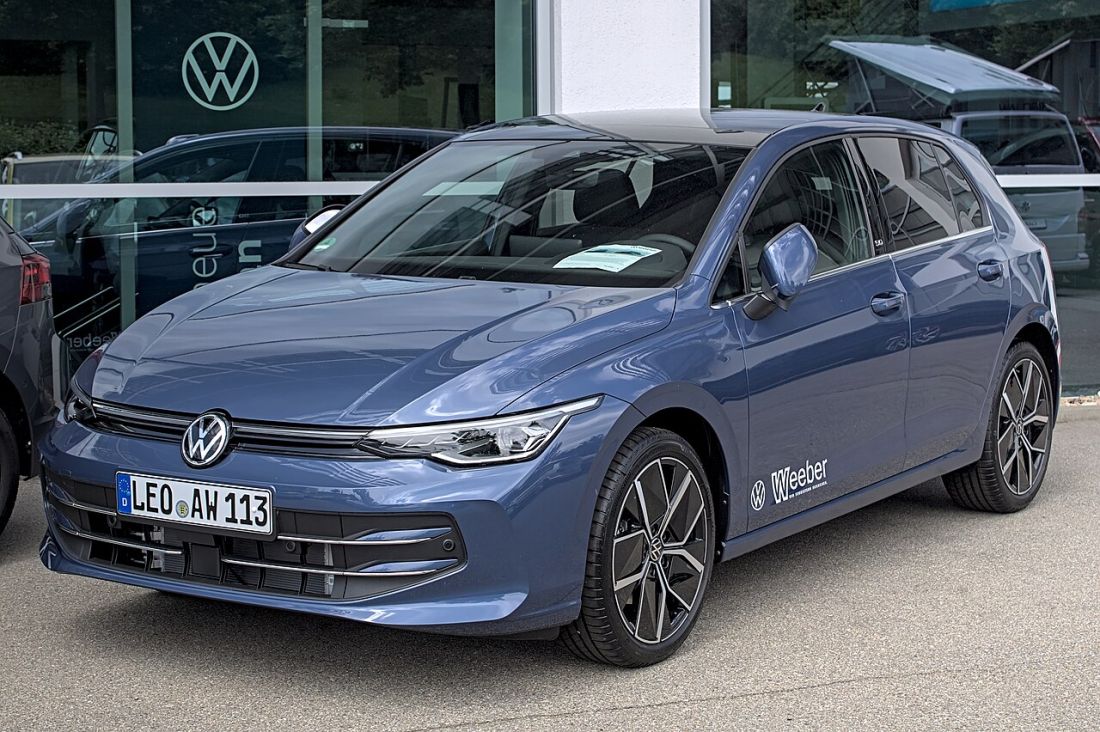
Photo: Volkswagen Golf VIII Facelift by Alexander-93, CC BY-SA 4.0, via Wikimedia Commons
The eighth-generation Golf made its world debut on 24 October 2019, and this is where the story turns fully digital. Volkswagen said at launch that the new car was more connected, more intuitive to use, and the first Volkswagen to come to market with five hybrid versions. It also said the Mk8 was the first Volkswagen with Car2X communication as standard, which lets the car share warnings about hazards with other cars and traffic systems. That sounds futuristic, and in 2019 it really did feel like the Golf had stepped into a different chapter. The interior changed a lot too, with screens and touch controls taking over much of the cabin. Some drivers loved that straight away.
Some missed old-school buttons. And, to be honest, both reactions made sense. Still, the point of the Mk8 was clear. Volkswagen wanted the Golf to feel like a car ready for the next stretch of road, not a model hanging onto old habits for comfort. Then came the 2024 update for the Golf’s 50th anniversary. Volkswagen said the refreshed car brought a new infotainment system, a voice assistant with integrated ChatGPT, new lighting options including IQ Light matrix headlights, and plug-in hybrid versions with electric ranges of up to 143 kilometres plus fast DC charging. That’s a serious jump from what a Golf used to be. Yet the funny thing is, the basic idea hasn’t really changed. It’s still a hatchback built to handle normal life first. School run, commute, shops, weekend away, stop-start traffic, bit of motorway, bit of back road, job done. That’s why the Mk8 matters. It shows just how far the Golf has moved with the times, while still trying to stay recognisably itself. And keeping that balance after eight generations is no small thing.
Which Golf suits which kind of driver?
One of the best things about looking back at all eight generations is that you start to see there isn’t one single “best” Golf for everyone. It depends on what sort of driver you are and what you care about most. If you love simple design and want a car with real old-school charm, the Mk1 is the hero because it’s the one that set the whole thing in motion. If you like that old shape but want something that feels a bit bigger and a bit easier to live with, the Mk2 has a lovely sweet spot. If safety and family-friendly progress matter most, the Mk3 is where that side of the Golf really starts to take hold. The Mk4 is for people who like their hatchbacks with a smarter, classier edge. The Mk5 and Mk6 are really strong choices for buyers who want a Golf that feels modern enough without going all-in on screens and heavy digital controls. Then the Mk7 is the sensible all-rounder for loads of used buyers, because it brought lighter weight, fresh safety kit, and even the e-Golf into the story. The Mk8 is for drivers who want the newest feel, the biggest push into hybrid tech, and the most connected cabin. So, yes, the Golf has changed a lot. But here’s the funny bit. Every generation still chases the same basic target. Be useful. Be smart. Be easy to live with. Feel just special enough without turning into a headache. That’s probably why the Golf still feels right at home on roads around Stockport and Manchester. It never needed to shout. It just kept getting the basics right, generation after generation, and then adding the next bit at the right time. That’s a rare trick in any car line. And the Golf has pulled it off for half a century.