


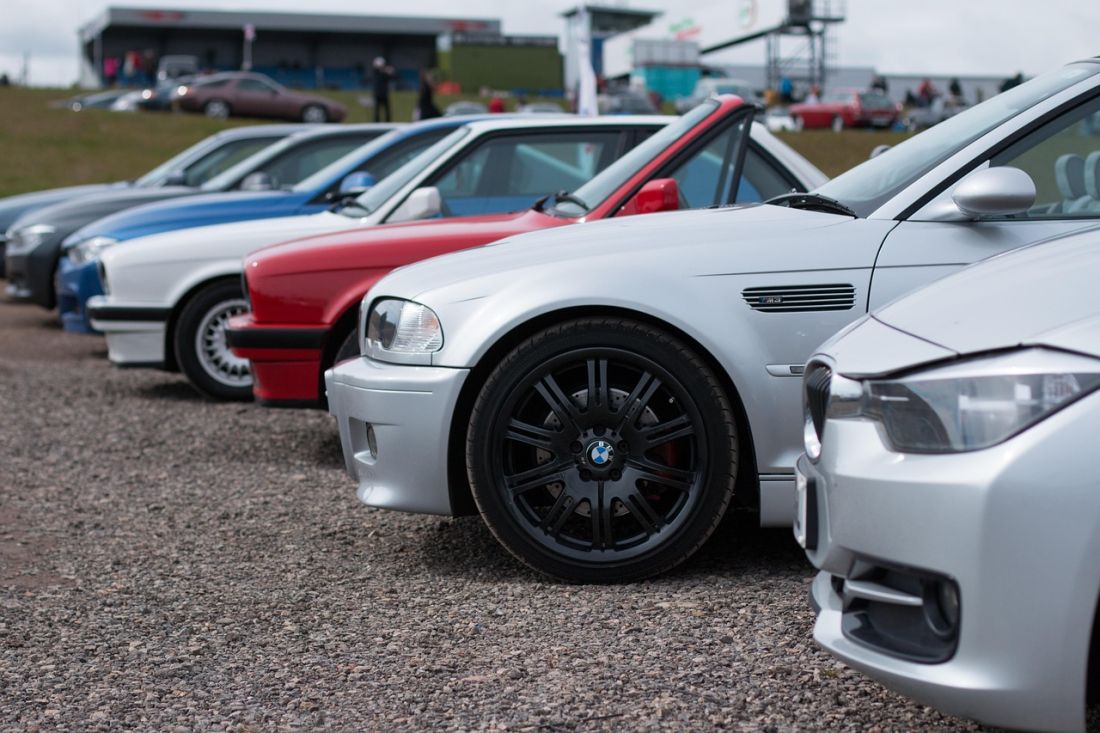
The Cars That Accidentally Created Entire Subcultures
Some cars get built for a pretty normal reason: someone at a car company wants to sell a practical runaround, or a comfy family motor, or something that’ll cope with rainy Tuesdays on the M60. Then something weird happens. People fall in love with the car for a reason the designers didn’t fully plan for. A scene pops up. A look. A sound. A “you had to be there” feeling. Before you know it, there are weekend meet-ups, group chats, stickers on rear windows, and people arguing (politely… most of the time) about which tyres are best. At Dace Motor Company, we see this kind of thing up close because our used stock is a proper mix, from small city cars to big family wagons to serious off-roaders. And because we’re based around Stockport and Manchester, we also get the local flavour. You’ll spot cars cruising past the Trafford Centre, parked up near Heaton Park on a sunny day, or rolling through Stockport town when the market’s busy. The funny bit is how many of these subcultures started by accident. Nobody sat in an office and said, “Let’s create a tuning crowd” or “Let’s create track-day people” like they were inventing a new ice cream. The car just had the right ingredients: easy to modify, fun to drive, strong community vibes, or it simply looked cool in a way that made people want to copy it. So let’s talk about a few cars that did exactly that. We’ll keep it friendly, no lecture, and we’ll stick to real facts. You’ll see a pattern too: these scenes aren’t just about speed. They’re about belonging. About having “your” car, set up “your” way, and finding other people who get why that matters.
Volkswagen Golf GTI: the hot hatch that turned car parks into social clubs
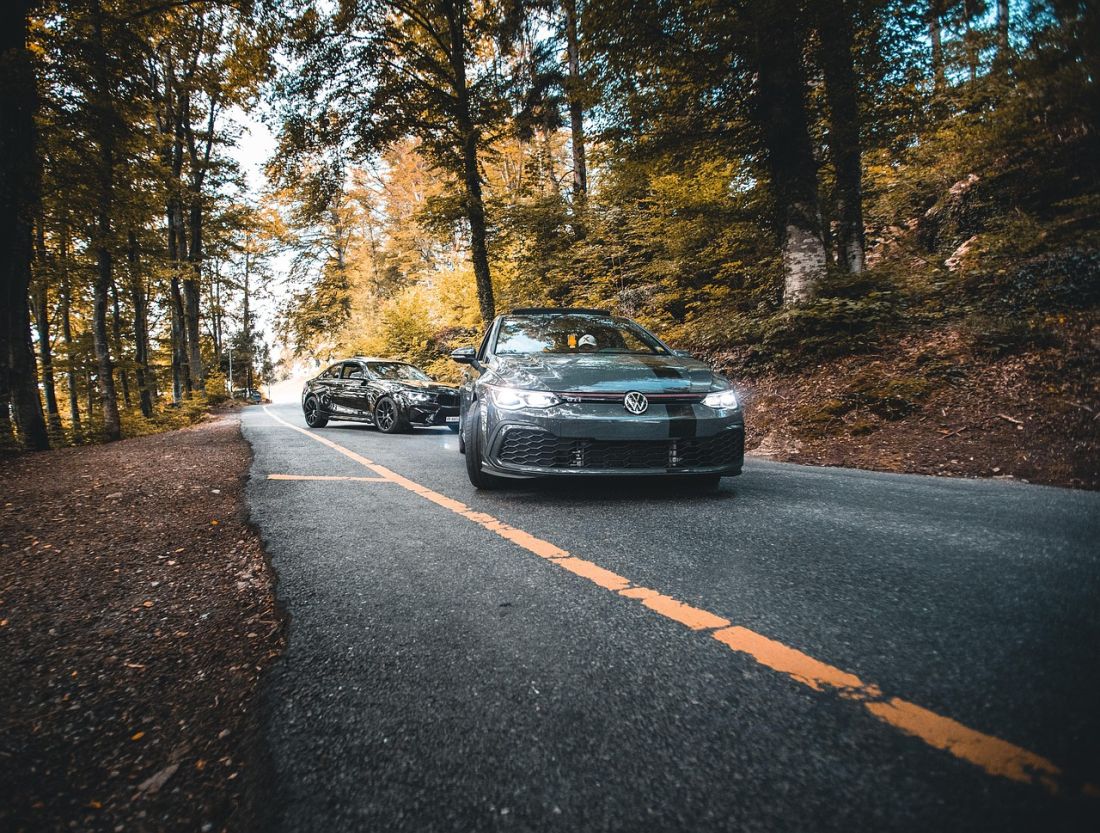
The Golf GTI is one of those names that people say like it’s a secret handshake. It showed up in the mid-1970s and pretty much rewired what a small family hatchback could be. Volkswagen revealed the first Golf GTI at the Frankfurt motor show in 1975, then launched it in 1976, and the plan was meant to be small: around 5,000 cars. That didn’t last. Dealers ended up selling way more than expected, and the first generation finished with 461,690 built. That’s the moment you can almost picture: some sensible buyer goes in for a normal hatchback, then drives the GTI and goes, “Wait… why is this so fun?” It had a 1.6-litre fuel-injected engine with about 110 metric horsepower, which was spicy for a compact car at the time, and it did the “everyday car that feels lively” thing so well that people started building their whole personalities around it.
That’s where the tuning crowd really latched on. You could keep it tidy and subtle, or you could go louder with wheels, suspension changes, and engine tweaks. And because it was still a practical shape, people used them daily, which meant the scene was visible everywhere, not hidden away. Think about it: you can’t build a big community around a car that never leaves someone’s garage. The Golf GTI helped make the “hot hatch” idea mainstream, and that pulled in people who wanted one car that could do school runs, work commutes, and a cheeky blast down a back road past Mellor or up toward the Peak District. That mix is why the subculture stuck. It wasn’t just a weekend toy crowd. It was everyday drivers, students, young families, and the mate who always knows a good B-road. And if you’ve ever been stuck behind a line of Golfs on the A6 and thought, “Why are there so many of these?”… yeah. This is why.
MINI Cooper: small car, huge personality, and the original “city culture” motor
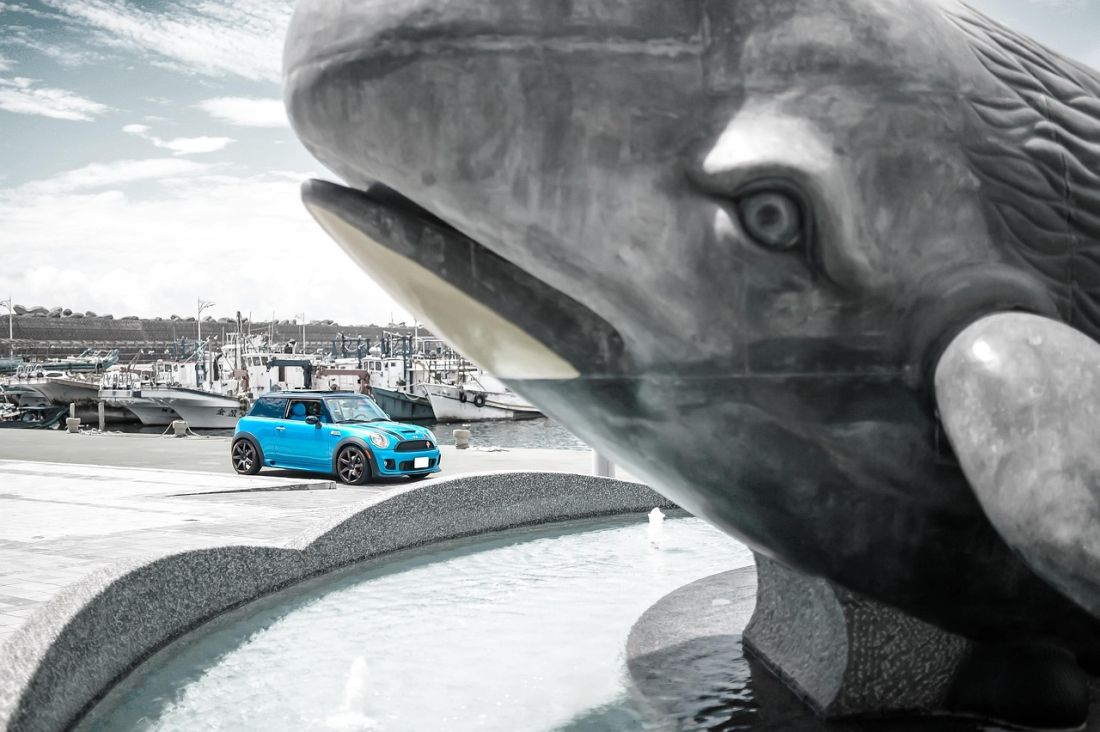
If you want proof that a tiny car can start a massive movement, look at the Mini. The classic Mini was designed by Alec Issigonis and launched in 1959, and it was meant to be clever, compact transport. Then the Cooper version arrived in 1961, developed with racing car builder John Cooper, and that’s where things got properly interesting. MINI’s own history notes that 1961 is when the first Mini Cooper launched as a higher-performance version, and it wasn’t even an easy sell at first because Issigonis didn’t want his “people’s car” turned into a racing thing. John Cooper pushed anyway, because he could see the fun hiding in that little shape. That tension is kind of the whole story of car subcultures, to be honest. The Mini became a style icon, the kind of car that fits into city life like trainers fit your feet.
You could park it anywhere, nip through tight streets, and it looked friendly even when it was being driven with a bit of attitude. And that’s why it grew a culture way bigger than “a car.” It turned into fashion, music, and identity. The Mini scene isn’t just about mods or speed; it’s about vibe. Even now around Manchester, you’ll see Minis that are spotless and classic-looking, and you’ll see others that are loud and playful, with stripes and different wheels, like the car’s winking at you. That’s the point. The Mini basically taught people that a car can be a statement without being huge or expensive. It also made “small and fun” a thing you could be proud of, not something you apologise for. And because it’s always had that cheeky character, it attracts people who want driving to feel like a hobby, not a chore. You don’t need to know every technical detail. You just need to smile when you see one. That’s how subcultures start: one person smiles, then another, then suddenly there’s a club meet in a car park somewhere off the ring road.
Subaru Impreza: rally dreams that spilled onto normal roads
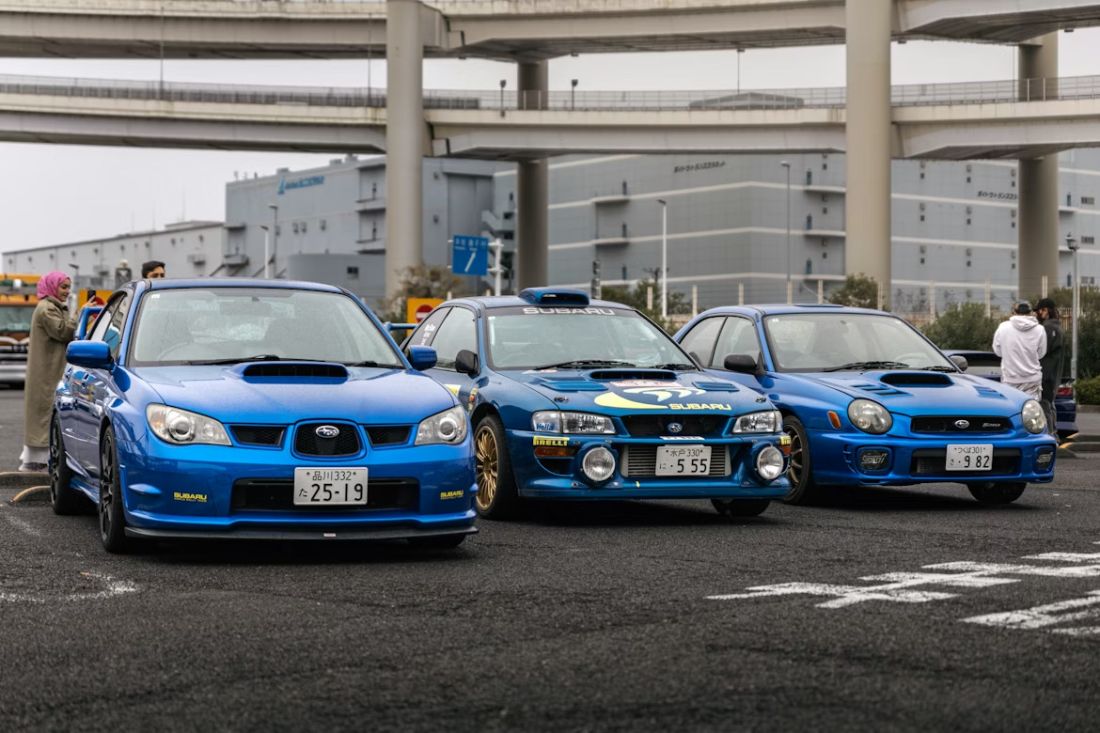
Some cars create a subculture because they look cool. The Subaru Impreza created one because it came with proper motorsport history that normal people could relate to. Subaru introduced the first generation Impreza in November 1992, and after that, the brand’s rally side became a huge part of the car’s identity. Subaru’s factory rally team went on to win the World Rally Championship manufacturers’ title three years in a row: 1995, 1996, and 1997. And then there’s the driver side: Colin McRae won the World Rally Championship drivers’ title in 1995, becoming the first British driver to do it, and Richard Burns won the drivers’ title in 2001. Those names matter because they turned the Impreza from “a car” into “that car.”
You know how it is: once a car is linked to heroes, posters go up on bedroom walls. Then people want a road version that feels even slightly like the rally one. That’s how you get a whole crowd that loves the same stuff: the sound, the stance, the idea of grip in bad weather, the look of a car that feels ready for anything. And the Impreza culture wasn’t just a London thing or a “big city” thing. It suited the North West because our weather can be moody, roads can be shiny-wet half the year, and people still want to go out driving. You’ll hear folks talking about a blast out past Glossop, or a run toward Buxton, and how a car feels planted. The Impreza crowd also brought in a certain style: rally-inspired wheels, tough tyres, and a “use it, don’t just pose with it” attitude. That’s a key difference between a car that gets attention and a car that builds a community. Communities form when people actually go do the thing together, even if the thing is just meeting up, grabbing a brew, then heading out for a drive with mates.
Land Rover Defender: the off-road crowd’s unofficial uniform

If you’ve ever seen a line of muddy Defenders and thought, “Yep, these people are on a mission,” you’ve clocked the culture. The Defender name was introduced in 1990, after Land Rover had already been making the core shape for years under names like Ninety and One Ten. Land Rover’s own heritage page talks about the Defender name arriving in 1990, and it really did fit what people already thought: tough, dependable, ready for hard work. The bigger story goes even further back: the first Land Rover, known as the Series I, debuted at the Amsterdam motor show on April 30, 1948, and it was created by Maurice Wilks, who wanted a more reliable working vehicle than the Jeep he’d been using on his farm. That’s not a “cool influencer car” origin story. It’s muddy boots and real life. And that’s exactly why the Defender crowd is so loyal.
These owners aren’t pretending their cars live in perfect conditions. They expect scratches. They expect noise. They expect a bit of drama, because the whole point is getting out there. Around Stockport and Manchester, the Defender scene connects with countryside life right on our doorstep. People head out toward the Peak District, and yes, there are legal routes for driving off the main roads, but you’ve got to be sensible and stick to what’s allowed. That “responsible off-road” attitude is a big deal in the community because nobody wants the countryside wrecked, and nobody wants routes shut. The Defender also created a whole style of its own: roof racks, spotlights, chunky tyres, and tools that look like they belong on an expedition, even if the expedition is just a windy Sunday heading for a bacon butty. Let’s face it, it’s half practical, half fun, and the Defender is one of the rare cars where both sides feel believable. That’s why it grew a subculture that feels like a tribe.
Suzuki Jimny: the tiny off-roader that made “small but mighty” a lifestyle
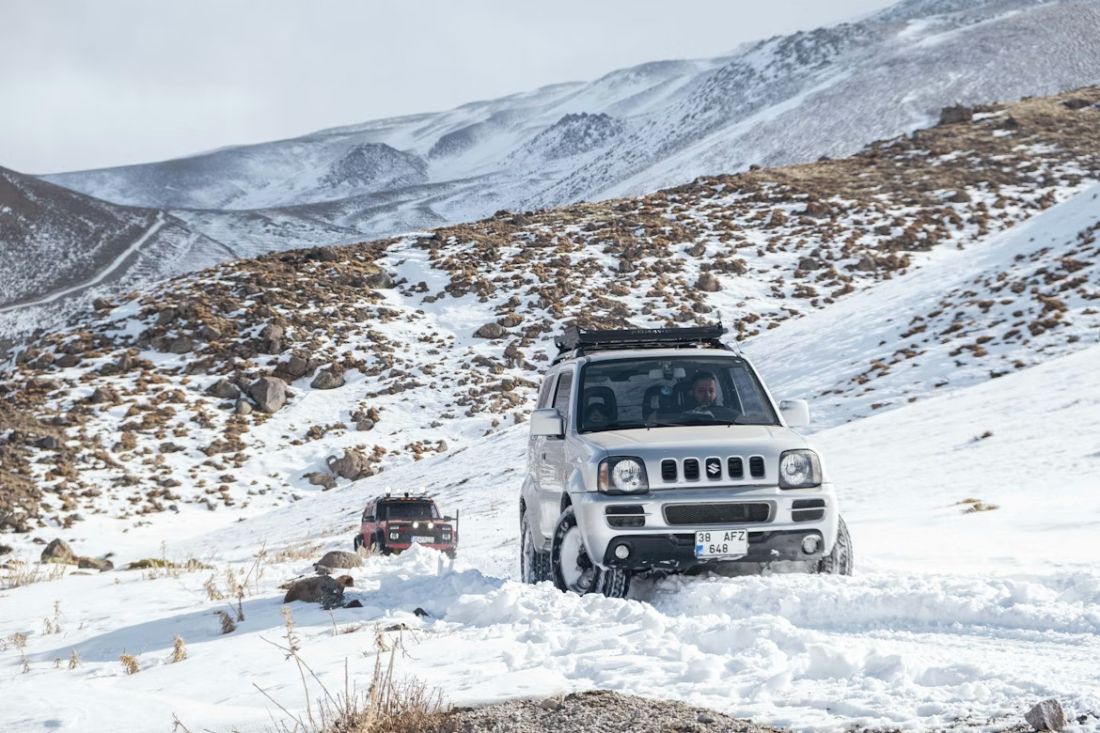
Big off-roaders get respect. Small off-roaders get love. The Suzuki Jimny has been doing that job for decades, and it’s quietly one of the best examples of a car creating a scene by being itself. The first Jimny (the LJ10) was introduced in April 1970, and it’s recognised as the first four-wheel drive kei car to go into series production. That’s a mouthful, but the simple version is: it was a small, lightweight off-road vehicle that showed up and proved you didn’t need something massive to get up a rough track. That single idea is basically the whole Jimny culture. People buy them because they’re compact, honest, and a bit cheeky. And then the community builds from there. You’ll see Jimnys lifted, set up with off-road tyres, or kept fairly standard but used properly.
That last bit matters. A Jimny that’s muddy looks “correct” in a way that’s hard to explain unless you’ve seen it. It’s like a football kit that’s still clean after a match. Something’s missing. The Jimny subculture also appeals to people who don’t want the stress of a huge vehicle in city streets. Manchester can be tight in places, parking can be grim, and some roads around Stockport feel like they were designed by someone who hates wide cars. A smaller off-roader is a strange but clever answer: you can nip through town, then head out to the hills without feeling like you’re steering a bus. And because the Jimny is approachable, it brings in newer drivers and younger owners too. You don’t need to be a walking car encyclopedia. You just need to like the idea of a small car that’s happy getting dirty. From there, the subculture does the rest: group drives, shared tips, friendly warnings about what breaks first if you push too hard, and the classic “I didn’t think it would make it up there… but it did.”
Mazda MX-5: the track-day favourite that turned weekends into a hobby
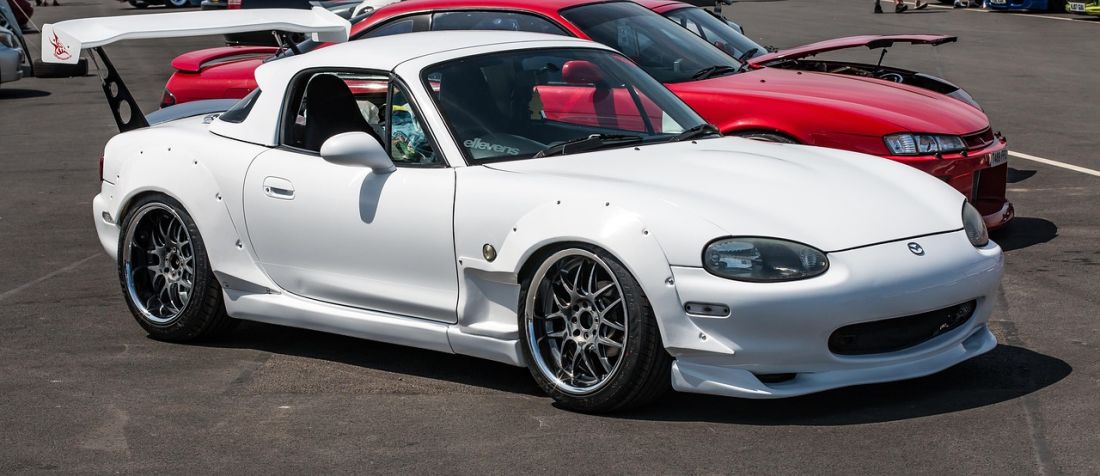
Track days can sound scary if you’ve never done one. People imagine racing drivers and expensive kit. Then someone shows up in a Mazda MX-5 and the mood changes. The MX-5 debuted in 1989 at the Chicago Auto Show, and it was built to bring back the simple, lightweight two-seat roadster idea. It ended up becoming the best-selling two-seat convertible sports car ever, with more than one million sold. That’s not just popularity; that’s a sign the car hit a nerve. The MX-5 subculture grew because it makes “fun driving” feel reachable. It’s light, balanced, and friendly at sensible speeds, which is why so many owners start with road trips and end up trying a track day. And once you try a track day, you get it. You’re not there to be the fastest person alive. You’re there to learn. To improve. To come home buzzing and talking about one corner you finally got right.
The MX-5 also has real people behind it you can name. Designer Tom Matano is widely credited as a key figure in the car’s creation, and Bob Hall is closely linked to the original idea and the team that got it made. That “built by enthusiasts” feeling shows up in the culture too: owners talk about set-ups, tyres, and handling like they’re sharing cooking tips. Around our part of the country, MX-5 track-day fans will head to circuits that aren’t a million miles away, like Oulton Park in Cheshire, and you’ll see cars that still do the school run during the week, then spend a Saturday doing laps. That’s the accident, right there. A simple roadster becomes a gateway into a whole new hobby. And because it’s so social, you end up with friends you didn’t have before. Car people you only see on track days become “the guys we meet at the café after.”
BMW M3: a road car made so it could race, and a whole “driver” culture followed
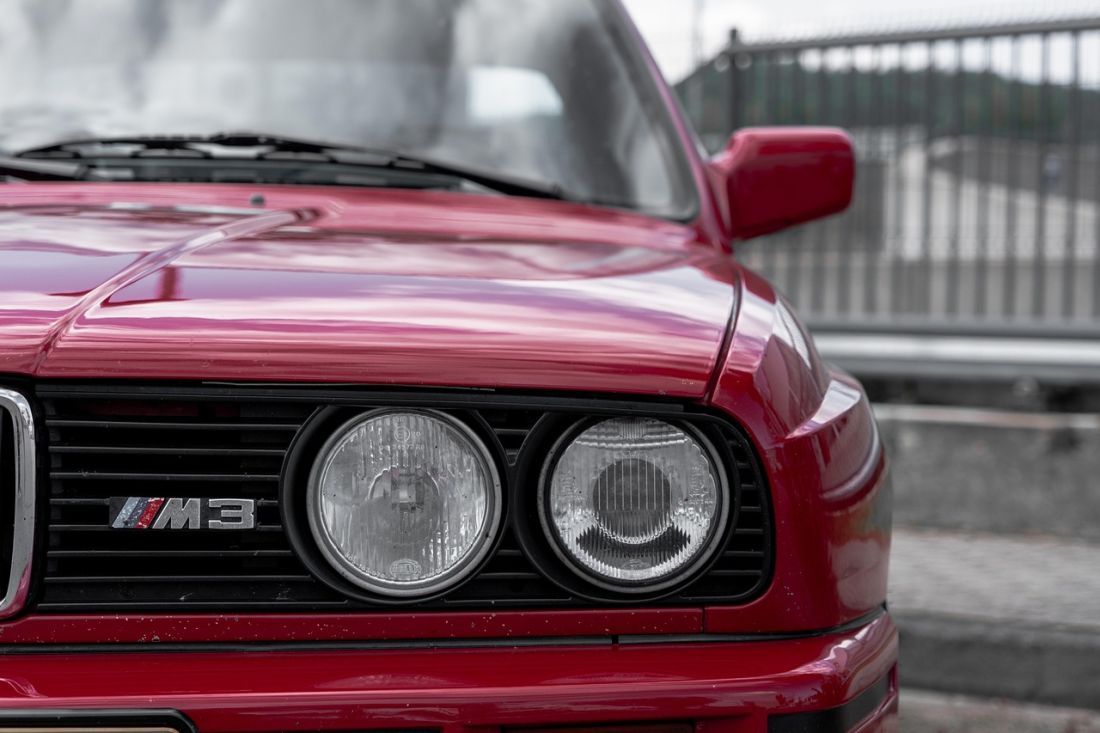
Some subcultures start with music or fashion. The BMW M3 scene started with a rule book. The first M3, based on the E30 3 Series, went into production in 1986, and BMW made it as a road car that could qualify for touring car racing rules that required thousands of street-legal versions. BMW’s own M division says the M3 rolled up in 1986 as a touring car racing homologation model and points out the basic requirement of selling at least 5,000 road cars so the race car could compete. That explains why the M3 feels “built for driving,” because it basically was. Now, here’s the accidental part: you don’t create a massive car culture just by being good on a track. You create it when the feeling transfers to normal roads and people can sense it. The M3 became a badge of honour for people who care about handling and balance, not just straight-line speed.
That’s where the culture comes in. Owners swap stories about steering feel, suspension set-ups, and the joy of a car that feels alive in your hands. And you see it around Manchester and Stockport in a really specific way. These cars get driven. You’ll spot them out early on a Sunday, when the roads are quieter, heading out of town before the traffic wakes up. The community also has a strong “keep it right” streak. Some people want the car stock and clean, like it rolled out of the factory yesterday. Others modify them, but the aim is still the same: make the car feel sharper, not just louder. That’s a subculture built around taste and feel, which is why it lasts. Trends come and go. A car that makes you grin in a corner keeps friends together for years. And yes, there are debates. There are always debates. But that’s part of the fun.
So what does this mean when you’re buying used around Manchester and Stockport?
Here’s the practical bit, because subcultures are fun, but buying a used car is still a real decision with real money. The first thing is simple: pick the vibe you actually want. If you like tinkering, a Golf GTI-style hot hatch crowd might suit you. If you want countryside trips and muddy boots, the Defender or Jimny scene might fit better. If you want skill-building and a weekend hobby, an MX-5 track-day path makes sense. And if you just want something that feels special every time you drive, the Mini and M3 crowds are full of people who’ll talk your ear off in a good way. The next step is staying grounded. Don’t buy a car that’s already been pushed hard unless you know what you’re looking at. Modified cars can be great, but they can also hide shortcuts. Check service history, check condition, listen for weird noises, and don’t let excitement do all the thinking. If you’re planning changes, do them in a sensible order: tyres and brakes first, then suspension, then anything engine-related. That’s not glamorous, but it’s how you keep the car safe and enjoyable. Also, be honest about your daily life. Manchester traffic is real. Stockport hills are real. Parking in tight streets is real. A car can be part of a scene and still be a pain if it doesn’t suit your day-to-day. At Dace Motor Company, across our sites in Reddish, along Buxton Road, on Manchester Road, and over in Eccles, we see buyers get the best results when they match the car to the life they actually live, not the life they imagine on a poster. And if you’re thinking about finance, there are ways to check options without it hitting your credit score, which can take some stress out of the early steps. Last thing: join the community in a good way. Be respectful at meets, don’t treat public roads like a race track, and look after the places you drive through. People remember the good ones. And once you’re in, you’re in. You’ll start spotting “your” cars everywhere, waving people through, chatting at petrol stations, and taking the long way home for no reason. That’s the real sign a car has created a subculture. It changes how you see the road.