


The Birth of the SUV - It Didn’t Start as a Family Car
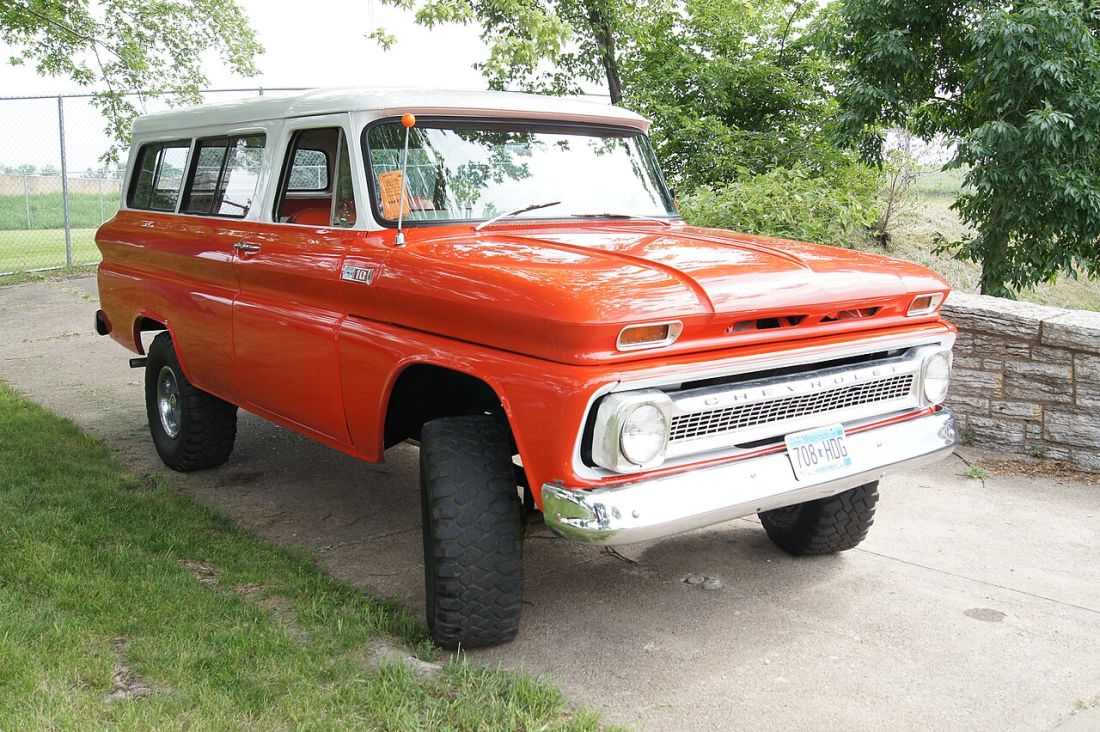
Photo: Chevrolet Suburban Carryall by Greg Gjerdingen from Willmar, USA, CC BY 2.0, via Wikimedia Commons
Right now, if you stand near the M60 by Stockport Viaduct and watch the traffic roll past, you’ll spot loads of tall cars with chunky tyres, big boots, and kids’ stickers in the back window. People call them SUVs, short for “sport utility vehicle”. That’s a fancy label for something that’s meant to be comfy like a normal car, but ready for rougher roads, muddy tracks, and the kind of Manchester weather that turns a field into soup. These days, plenty of families pick one because the driving position feels higher, getting everyone and their bags in is easier, and you can nip over to the Trafford Centre without playing car-park Tetris with a pushchair. But here’s the funny bit: the first vehicles that look like today’s SUVs weren’t built with school runs in mind at all. They started life as tools. Work tools. War tools. Farm tools. Stuff you used because you needed to get people and gear from A to B, even if “B” was a swampy track, a building site, or a snowy hill. The phrase “sport utility vehicle” didn’t even show up in print until much later, with Jeep using it in a 1974 Cherokee sales brochure, and the wider press starting to use it around the time the smaller, four-door Jeep Cherokee became a big hit in the 1980s. So if you’ve ever wondered how we got from “military runabout” to “family car with heated seats,” you’re in the right place. We’ll keep it simple, keep it real, and we’ll use proper examples with real names behind them. And yes, at Dace Motor Company we sell plenty of these taller cars second-hand, but this story starts long before anyone was comparing boot space for a trip to Heaton Park.
Before the name existed, the Carryall Suburban was already doing the job
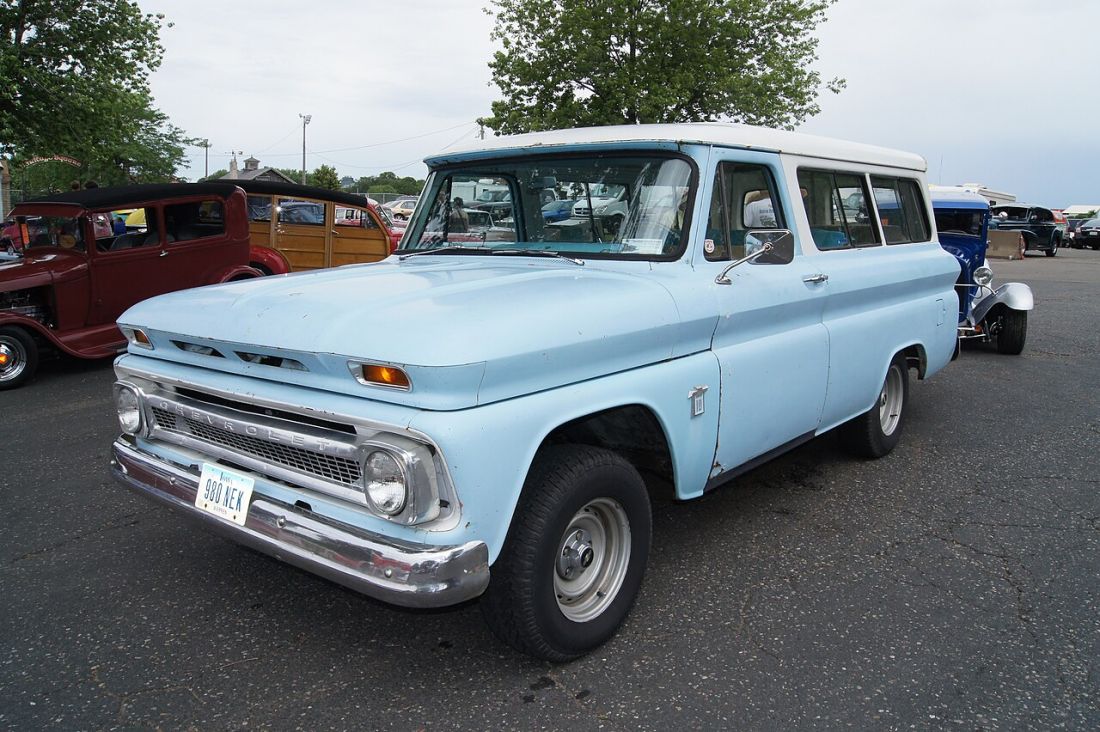
Photo: 1964 Chevrolet Suburban Carryall by Gunot06 at English Wikipedia, Public domain, via Wikimedia Commons.
Let’s go back to the 1930s in the United States, when cars were lower, slower, and a lot less friendly if you hit a pothole. Chevrolet had an idea that sounds very normal now but was pretty bold then: take a small truck frame and put a wagon-style body on it, with seats for a whole group. That’s basically what the Carryall Suburban was. Chevrolet began producing an all-steel “carryall-suburban” in 1934, and the first generation is tied to the 1935 model year. Before that, Chevrolet had a 1933 station wagon body built on a half-ton truck frame that was aimed at the National Guard and the Civilian Conservation Corps. Translation: this wasn’t a “take the kids to football” vehicle. It was a “we need to move people and kit” vehicle.
The early Carryall Suburban was built to be useful, with seating for up to eight people, and it mixed truck toughness with wagon space. If that sounds a lot like the big SUVs you see parked outside supermarkets now, that’s because the recipe hasn’t changed as much as you’d think. Tall body, plenty of seats, loads of room for stuff, and the strength underneath to handle being loaded up. What’s changed is the mood. Back then, it was about function first. The look was basically “box with windows,” because nobody was trying to impress anyone; they just wanted it to carry all. Even the name said it out loud. And while people love to argue about “the first SUV,” the Carryall Suburban is a strong candidate because it was a wagon body on a truck base, built for hauling people and gear as one package. It’s wild to think that something born in the 1930s set the pattern for the school-run machines you see crossing the Mersey today.
War made the template: the little Jeep that had to work, every time
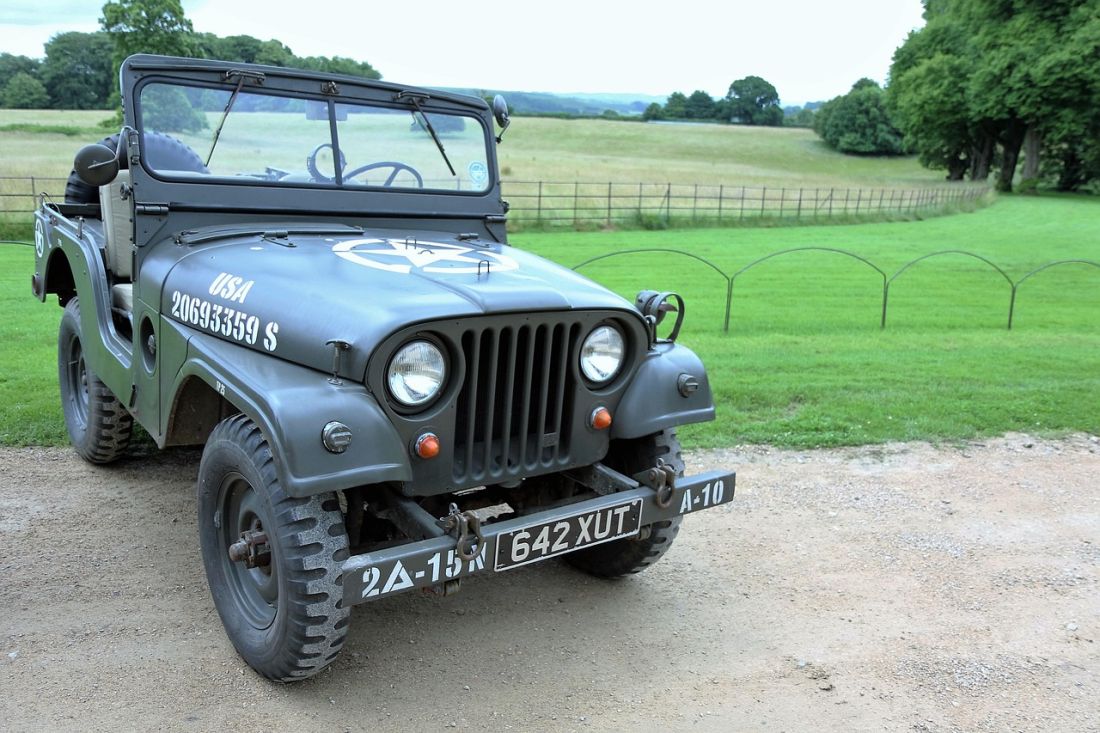
If the Suburban is the “big box that carries everyone,” the wartime Jeep is the “small box that goes anywhere.” This part of the story is dead serious, because it came from a real military need. In 1940, the U.S. Army wanted a light, four-wheel-drive vehicle for command and reconnaissance. Companies scrambled, and one key name pops up: Karl Probst, a freelance engineer brought in to help American Bantam get the design done on time. The Bantam Pilot prototype was delivered to the Army test centre at Camp Holabird, Maryland, on 23 September 1940, right up against the deadline. From there, the design got pushed and pulled by different makers and the Army, and mass production followed with the Willys MB and Ford GPW during the Second World War.
The numbers are huge: more than 647,000 of these quarter-ton Jeeps were produced in wartime. And the whole point was that they could be used for loads of jobs: carrying troops, hauling supplies, acting as a radio car, even being adapted for medical work. None of that is family-car talk. It’s pure “get the job done” thinking. But here’s where it links to your modern SUV: the Jeep showed everyone what a compact, tough, four-wheel-drive vehicle could do. After the war, surplus Jeeps didn’t just vanish; they inspired civilian versions and influenced other makers overseas. Hagerty points out that the Willys Jeep and its Ford equivalent went on to inspire the first Land Rover. So that little wartime machine didn’t just help move people across battlefields. It helped kick-start a whole style of vehicle that, decades later, would be rolling down Princess Parkway with a dog in the boot and a bag of chips on the passenger seat.
The British answer: Land Rover was made for farms, not front drives
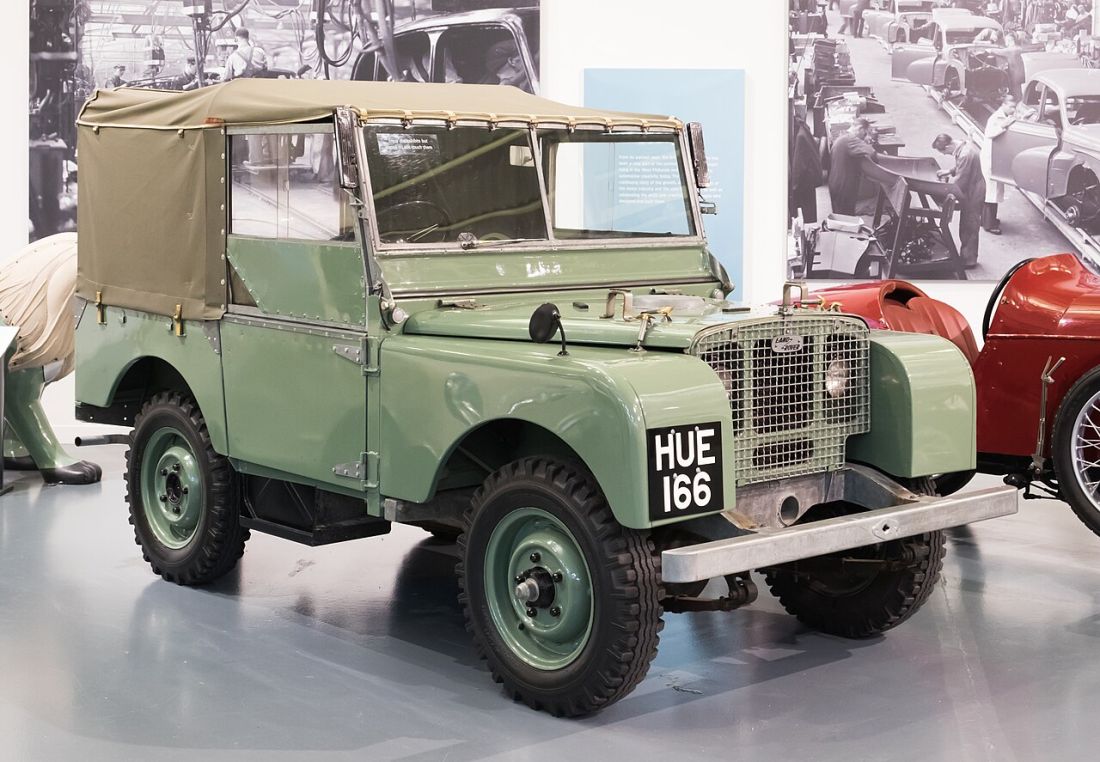 Photo: 1948 Land Rover Series I
Now swing the story back across the Atlantic to Britain, because this is where the SUV story gets really relatable for anyone around Stockport and Greater Manchester. Land Rover’s own history says that in 1948, Maurice Wilks sketched the idea for the first Land Rover in the sand on a beach in Anglesey. That image is famous for a reason: it’s not a designer in a shiny studio. It’s a practical engineer thinking about a practical machine. The first Land Rover, later known as the Series I, made its public debut at the Amsterdam Motor Show on 30 April 1948. Land Rover’s own timeline also talks about it as a utility model, built right after the Second World War.
One of the early prototypes even used a “centre steer” layout, and sources on the Series I history explain that the centre-steer prototype was developed in late 1947 and that the early concept used a Jeep chassis, with parts from Rover’s own cars. Again, that’s not “family car” language. That’s “we need a tool for farms and rough work” language. You can imagine it on a muddy lane out in the Peak District, or bouncing over ruts near Lyme Park after a week of rain. It was built to cope with bad ground, weird weather, and being loaded with whatever you needed. Comfort was not the main goal. If you’ve ever sat in an old utility Land Rover, you’ll know the vibe: noisy, simple, and completely focused on getting you there. And yet, that basic shape and idea - tall body, tough bits underneath, usable space - became one of the big roots of what we now call an SUV in the UK. It started as a working mate, not a status symbol.
Comfort sneaks in: the Jeep Wagoneer changes the vibe in the 1960s
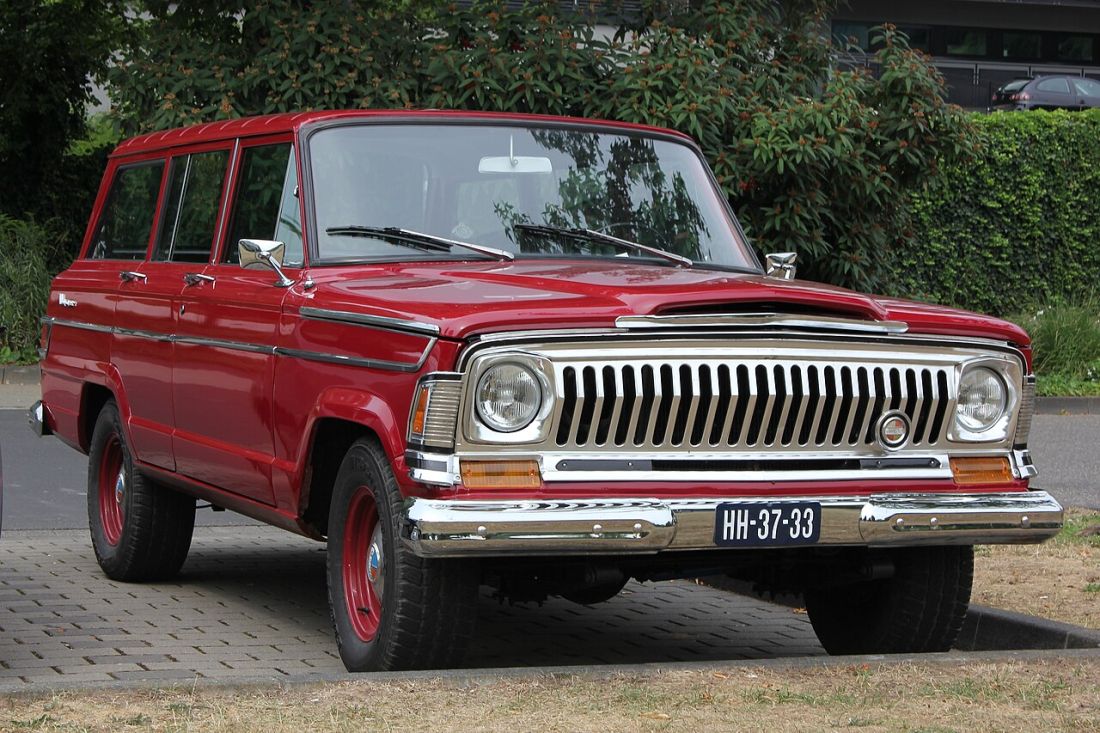
Photo: 1968 Jeep Wagoneer by Lothar Spurzem, CC BY-SA 2.0 DE, via Wikimedia Commons
By the early 1960s, makers had learned the “tough and tall” trick. The next question was, “Can we make it nicer to live with?” That’s where the Jeep Wagoneer comes in. It was introduced in November 1962 for the 1963 model year, as a successor to earlier Jeep wagons. What made it stand out wasn’t just that it could handle rough ground; it was that it tried to feel more like a normal car inside. Wikipedia’s summary of the Wagoneer era says its body design was more carlike than other four-wheel-drives on the market, and that its more upmarket feel set it apart from the really spartan, work-focused competition.
That shift matters, because once you make a vehicle like this quieter, smoother, and less exhausting, more people start to see it as an everyday option. It’s the same logic as buying a comfy coat that still keeps the rain out. You don’t want to fight the weather; you just want to get on with your day. The Wagoneer helped prove there was a market for a “do-it-all” vehicle that didn’t punish you for choosing four-wheel drive. And even if the Wagoneer was an American thing, the idea spread: a tall, capable vehicle that can also do long road miles without making you feel like you’ve done a full shift on a building site. That’s the seed of the modern family SUV. Not because it was built for families first, but because once comfort and space come together, families notice. You can draw a straight line from that thinking to the cars people ask us about at Dace Motor Company today: roomy, easy to get in and out of, and happy doing the school run one day and a trip to the Lakes the next.
The 1960s “fun truck” era: Scout and Bronco turn work into weekends
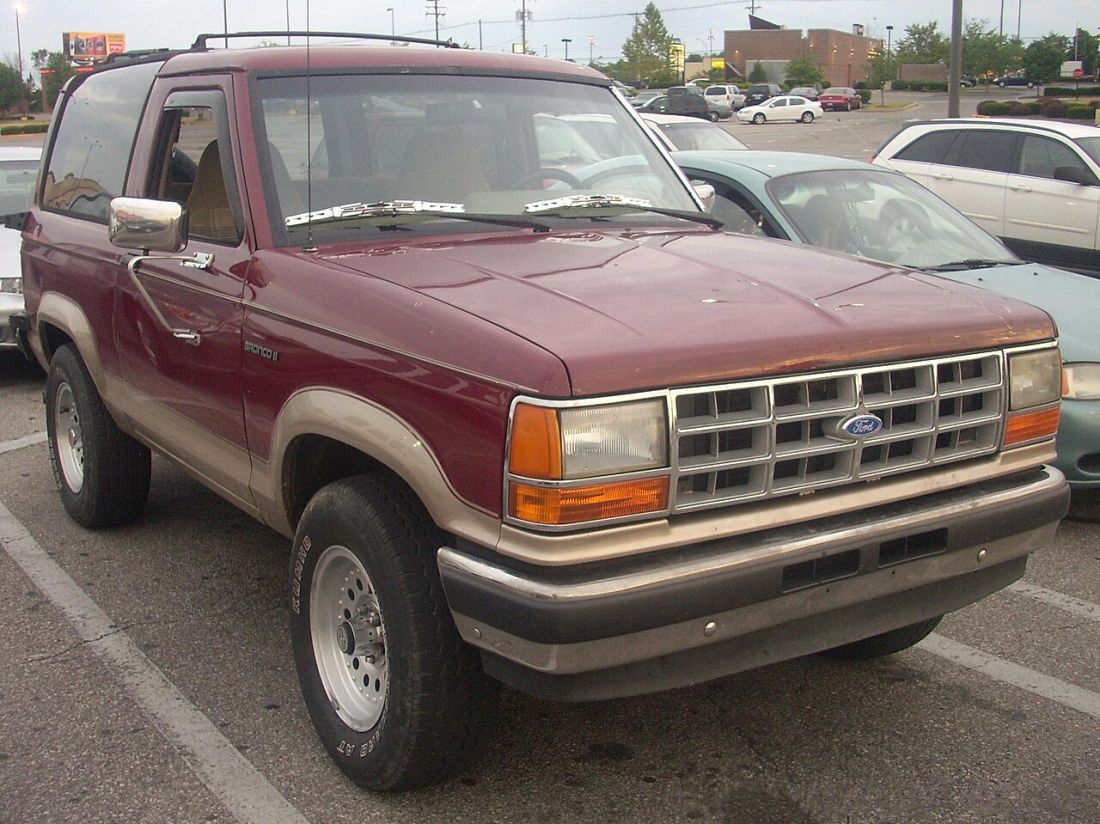
Photo: 1989-1990 Ford Bronco II by Bull-Doser, Public domain, via Wikimedia Commons.
Around the same time, two other vehicles helped shove the idea forward, but in a different direction. International Harvester made the Scout, and Ford made the Bronco. The International Scout line is dated from 1961 to 1980, with the first Scout 80 debuting in late 1960 for the 1961 model year. One of the most human bits of this story is a quote from International’s chief designer, Ted Ornas, remembering an instruction to “design something to replace the horse.” That says everything. These vehicles were seen as modern stand-ins for animals and farm kit, but they also started getting pitched as recreational. People wanted to go camping, go fishing, hit the trails, or just have something that looked tough.
Ford’s Bronco story starts with the idea approved in the early 1960s, and sources on the model say the first generation was developed to compete against the Jeep CJ-5 and the International Scout. The Bronco is linked to names like product manager Donald N. Frey and engineer Paul G. Axelrad. If you’ve seen an early Bronco, you’ll get why people loved them: short, upright, and built with the attitude of a tool. But they weren’t polished. They were still two-door, simple, and loud compared with modern cars. They weren’t sold as “your calm family bubble on wheels.” They were sold as “you can climb that hill.” That’s a massive part of the SUV story that people forget. The early off-roaders were more like grown-up toys that doubled as work trucks, not the other way round. And once that kind of vehicle became part of normal life, the rest was just makers adding comfort, safety, and extra doors as the years rolled on.
Range Rover: the UK’s big “wait, this can be comfy?” moment
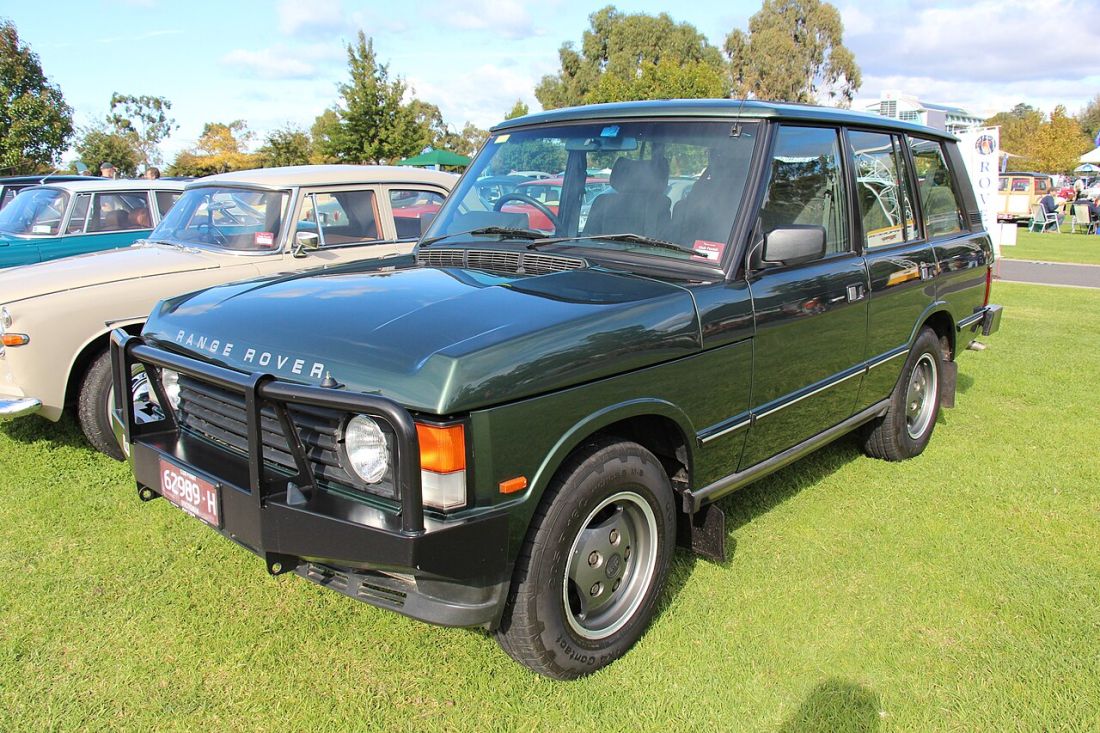
Photo: 1990 Range Rover by Sicnag, CC BY 2.0, via Wikimedia Commons
If you want one turning point in Britain where the tall, capable vehicle starts to look and feel like something you could use every day, the Range Rover sits right there. Goodwood’s history piece says that in 1966, Rover engineers Charles Spencer King and Gordon Bashford began developing the formula, with Rover looking at American vehicles like the Bronco, Scout, and Wagoneer and thinking, “We should do our own version, but more road-friendly.” Charles Spencer “Spen” King is one of those names that deserves to be remembered, because he’s closely associated with the Range Rover project. Land Rover’s own media site marks the first generation Range Rover going on sale in 1970 and points out that it started as a two-door, with the four-door arriving later in 1981, and an automatic gearbox arriving in 1982.
That timeline matters because it shows how the market shifted: the earliest Range Rover was still quite “utility,” then it leaned more into daily comfort as buyers demanded it. Autocar’s retro road test digs into details like the two-door estate body style and the split tailgate arrangement. Put simply, it was a vehicle that could handle a muddy field but didn’t feel like a tractor inside. For UK drivers, that was a big deal. You could drive from Stockport up the M62, across to the Yorkshire Dales, then head home without feeling battered. You could do the weekly shop, then take it down a bumpy track the next day. This is where the “family car” idea really starts to stick, because if it’s comfy and practical, people start picturing car seats and dog blankets in it. The Range Rover didn’t invent the concept, but it made the concept feel normal on British roads.
When the label stuck: Cherokee, press chatter, and the big family switch
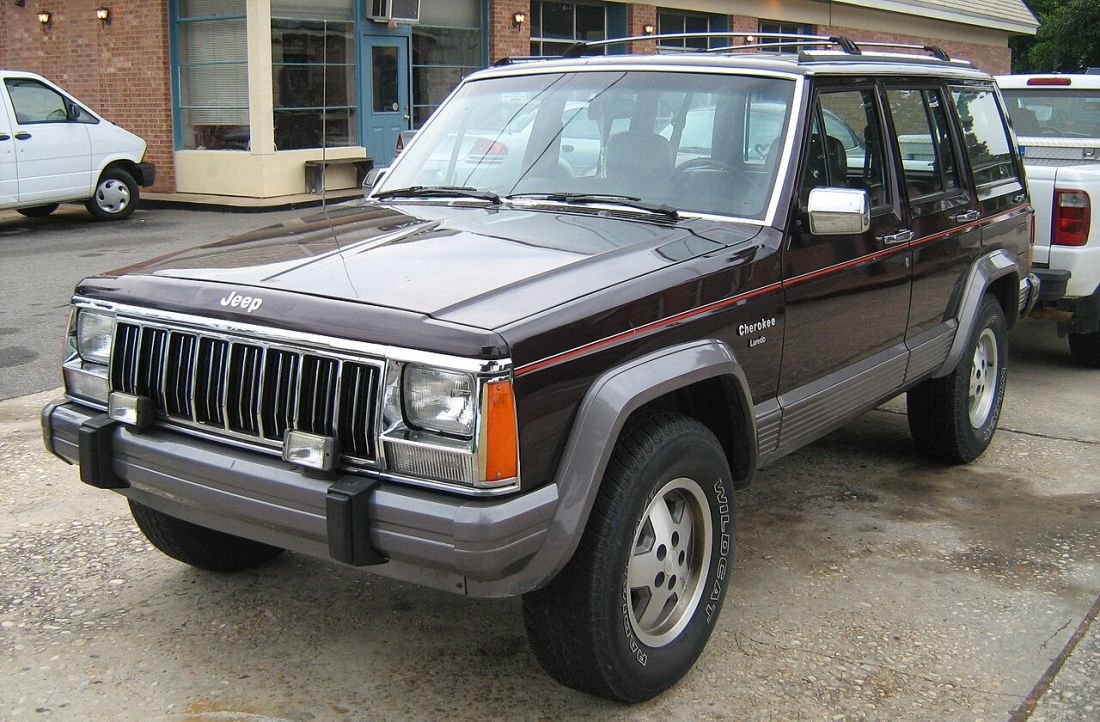
Photo: 1992 Jeep Cherokee (XJ) by CZmarlin - Christopher Ziemnowicz, via Wikimedia Commons
By the 1970s, the ingredients were there: truck-like toughness, wagon-like space, and finally a bit of comfort. Then came the moment when the name “sport utility vehicle” started to stick. Jeep’s own history of the Cherokee SJ says the term “Sport Utility Vehicle” appears for the first time in the 1974 Cherokee sales brochure. Hemmings also points to that 1974 Cherokee brochure as the first appearance of the exact phrase. Later, in the 1980s, Jeep brought out the smaller Cherokee XJ. Sources on the XJ say the 1984 Cherokee was Jeep’s first all-new design since the earlier Wagoneer era, and it used a fully integrated body-and-frame style (a unibody), which helped it feel more like a car to drive.
Wikipedia’s SUV overview links the Cherokee’s sales success to the term being used in the national press for the first time. You can see why that mattered. A four-door, more compact tall car is basically a family magnet. It’s easier to park than a massive truck-based wagon, it still has space, and it gives that high-up view people like. Once that hit, other brands followed, and the 1990s turned SUVs into a mainstream choice. But notice what’s missing from the early story: nobody started out saying, “Let’s make the ultimate school-run car.” It was “Let’s make something that can cross bad ground, carry gear, and cope when the roads aren’t kind.” Families came later, after comfort, extra doors, and city-friendly size became part of the mix. Once you know that, the whole SUV craze makes a lot more sense, doesn’t it?
Buying a used SUV around Manchester and Stockport: what actually matters
So what do you do with all this history if you’re just trying to buy a decent used SUV now? Here’s the practical bit, the stuff we talk about every day with people popping into our sites in Stockport and Eccles. First, be honest about your roads. Manchester has plenty of broken tarmac, sharp speed bumps, and those sneaky potholes that show up after a week of rain. A taller vehicle can handle that better, but only if it’s been cared for. Look at the tyres and ask when they were fitted, because uneven wear can hint at suspension issues. Check for knocks and clunks over bumps on a test drive, because heavy vehicles put more strain through joints and bushes. Then think about rust, especially if the car has lived through many winters with salty roads. A clean-looking body can hide corrosion underneath, so it’s worth asking what’s been inspected under the car. Also, don’t ignore the boring paperwork. A full service record isn’t just nice; it’s proof the basics were done, like oil changes, brake fluid, and the timing bits that keep an engine happy. If the SUV has four-wheel drive, ask how it’s been used. Has it been a family runabout, or has it spent weekends pulling a trailer up muddy tracks? Neither is “bad,” but the wear can be different. At Dace Motor Company, every vehicle gets a full history check before it goes on sale, because you don’t want surprises like hidden finance or mileage problems. And if you’re thinking about finance, we can also run a soft search that doesn’t leave a mark on your credit score, which is handy if you just want to see what’s possible without committing. The biggest tip, though, is simple: buy the SUV that fits your real life in Greater Manchester. If you’re mainly doing city miles and parking on tight streets near MediaCity or the Northern Quarter, a smaller, lighter SUV shape can save you stress. If you’re hauling kit, dogs, or family gear every weekend, space matters more than anything. Get that match right and the car feels like a helper, not a hassle.