


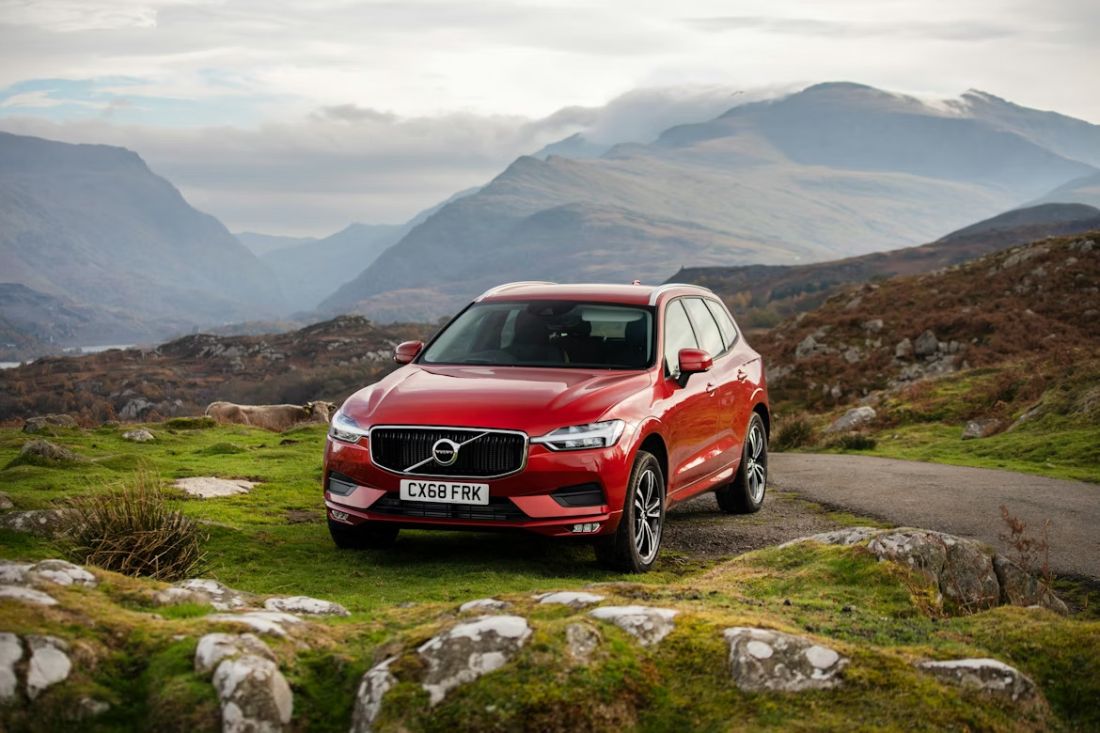
How Volvo Became Synonymous with Safety
If you’ve spent any time on the M60 in the drizzle, you’ll know this truth: roads around Manchester and Stockport can go from “fine” to “what on earth just happened?” in seconds. One minute you’re rolling past the Trafford Centre, next minute traffic bunches up, someone taps the brakes a bit too late, and everybody’s heart does a little jump. That’s why we talk about safety so much at Dace Motor Company. Yes, we sell loads of different used cars, but safety is the bit that matters after the excitement of the test drive fades. And if there’s one brand people bring up again and again on that subject, it’s Volvo.
Even folks who couldn’t tell you the difference between an estate and a hatchback will still say, “Volvo? Safe as houses.” So how did that happen? It didn’t come from one flashy advert. It came from decades of little choices, some brave decisions, and a pretty stubborn belief that a car should look after you like a sensible mate would. You know, the friend who tells you to zip your coat because it’s freezing, even if you’re pretending you’re fine. Volvo’s safety story has a few headline moments, but it’s also about the long grind: learning from real crashes, tweaking designs, testing again, then doing it all over. And the best part is that a lot of their safety ideas didn’t stay “Volvo-only” for long. Some of the stuff they introduced ended up saving people in every kind of car, on every kind of road, including ours right here in the North West.
The seat belt moment that changed everything
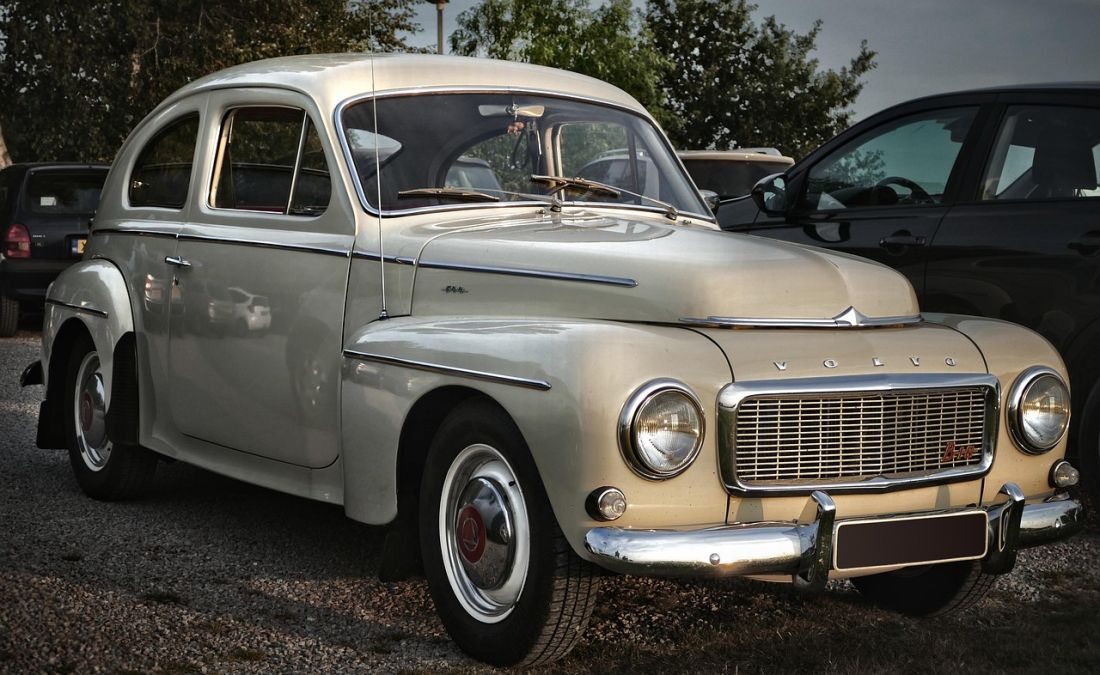
Let’s start with the big one, because it’s hard to beat. In 1959, a Volvo engineer called Nils Bohlin came up with the modern three-point seat belt, and Volvo put it in cars like the PV544 as standard. The “three points” bit is the clever part: one strap across your lap, another across your chest, and they meet at the buckle. It sounds basic now, but at the time it was a huge deal because it made the belt easy to put on, and it held your strongest bones in place during a crash. Think of it like a firm hug that keeps you from smacking into the steering wheel or flying forward into the dashboard.
Volvo didn’t just invent it and keep it locked away, either. They made the patent available so other car makers could use the same idea. That decision is still talked about because it wasn’t the normal “keep it secret” approach. Volvo basically said, “If this helps people live, it shouldn’t be stuck in one brand.” Their own writing says this belt has been credited with saving at least a million lives, which is a wild number to picture. And it’s not just about big crashes, either. Even a low-speed bump can turn nasty if your body keeps moving while the car suddenly stops. The belt stops that, spreads the crash force across your chest and hips, and keeps you in the right spot so the rest of the safety features can do their job. That’s the thing people forget: a car can have all the clever safety kit in the world, but if you’re not held in place, your body doesn’t get the benefit.
Learning from real crashes, not just test tracks
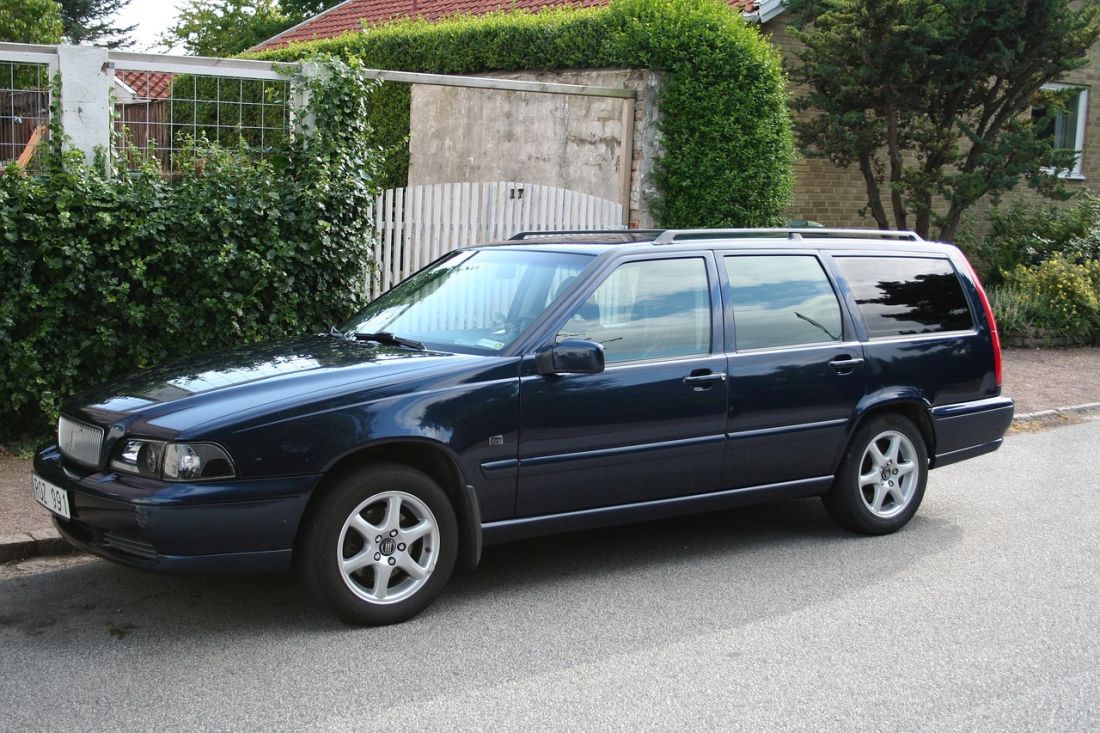
After the seat belt, Volvo didn’t sit back and say “job done.” They went the other way and got even more curious about what really happens in crashes. In a 2003 Volvo Cars media piece, they talk about a study in Sweden back in 1966 that looked at every crash involving a Volvo over a year. The result pointed to seat belts cutting injuries by about half. That kind of “real world” data pushed Volvo to set up a traffic accident research team in 1970, so they could keep collecting details from actual collisions and feed that back into design. In a later release marking 50 years of that team, Volvo says the group has been working since 1970 and will go to crash scenes around Gothenburg any time, day or night, when they’re notified. Another Volvo release from 2007 says the team had investigated more than 36,000 accidents over 35 years, and they weren’t just counting numbers. They were digging into the chain of events before the crash, the impact itself, and how people were hurt. Names pop up in these stories too. Hans Norin is quoted in the 2003 piece as someone who worked in that research area, and Jan Ivarsson shows up as a senior manager for safety strategy in the 2007 release and as head of safety strategy in a 2008 press release. The point isn’t to memorise the names, it’s to see the pattern: Volvo treated crashes like clues. If you keep showing up, measuring what happened, and being honest about what failed, you can build cars that keep people safer the next time. It’s a bit like how a football team watches match footage. You don’t improve by guessing. You improve by seeing what went wrong, then fixing it.
Protecting kids with a weird idea from space travel
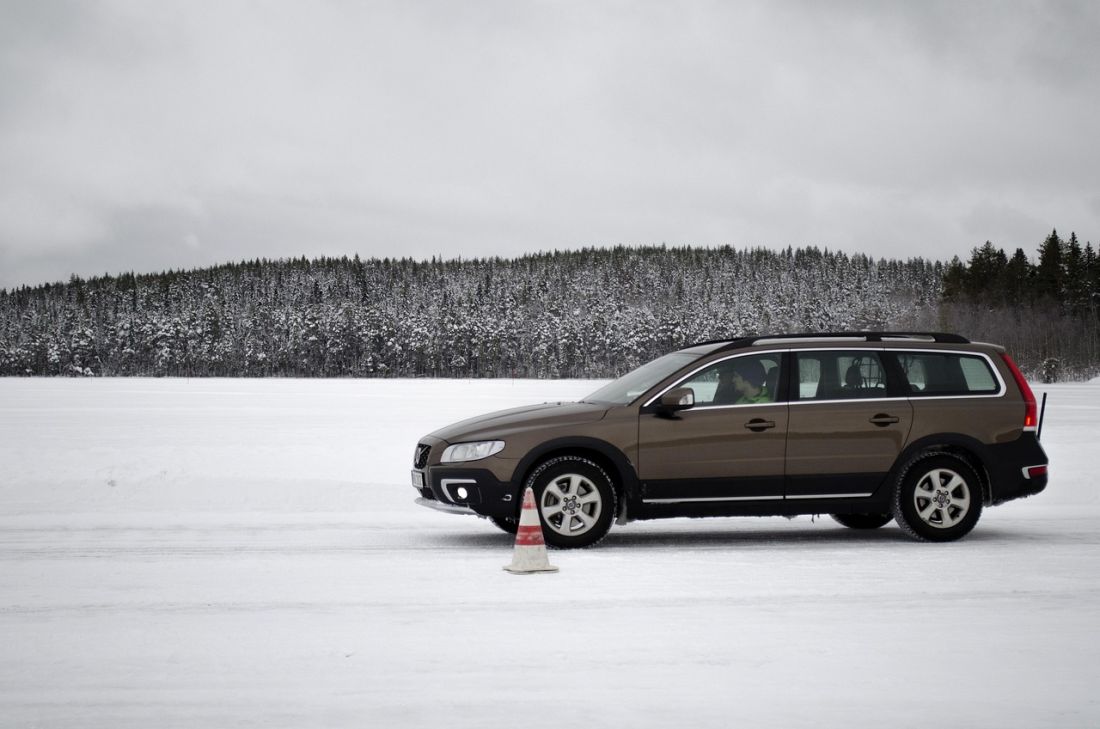
Child safety is where Volvo’s story gets really human, because it’s not about winning a test score, it’s about tiny passengers with big, fragile heads. Volvo’s own child-safety timeline says that in 1964 they tested the world’s first child seat prototype, inspired by how astronauts sit facing backwards during take-off. A doctor named Bertil Aldman, who later became a professor in traffic safety at Chalmers University of Technology in Gothenburg, developed that prototype, and Volvo helped test it in a Volvo PV444. The logic is simple once you picture it: in a frontal crash, your body wants to keep going forward. For a small child, that forward motion puts a lot of strain on the neck. Facing backwards spreads the crash force across the back of the seat instead of yanking the neck forward. Volvo carried that thinking into real products too. Their timeline says they launched a rear-facing child seat in 1972, calling it a world first by a car maker, and it could fit kids up to around six years old. Then, in 1978, they introduced a booster cushion as another world first, to lift older children so the seat belt sits in the right place across the body. If you’ve ever seen a child slump in a normal seat belt and the strap ends up near their neck, you’ll get why that matters. A belt that fits badly can hurt in a crash, even though the belt itself is meant to help. Volvo kept building from there with integrated booster cushions later on, but the big message stayed the same: kids aren’t small adults. They need safety gear shaped for their bodies, and it should be simple enough that parents will actually use it on a busy school-run morning.
Side impacts: the crash you don’t see coming
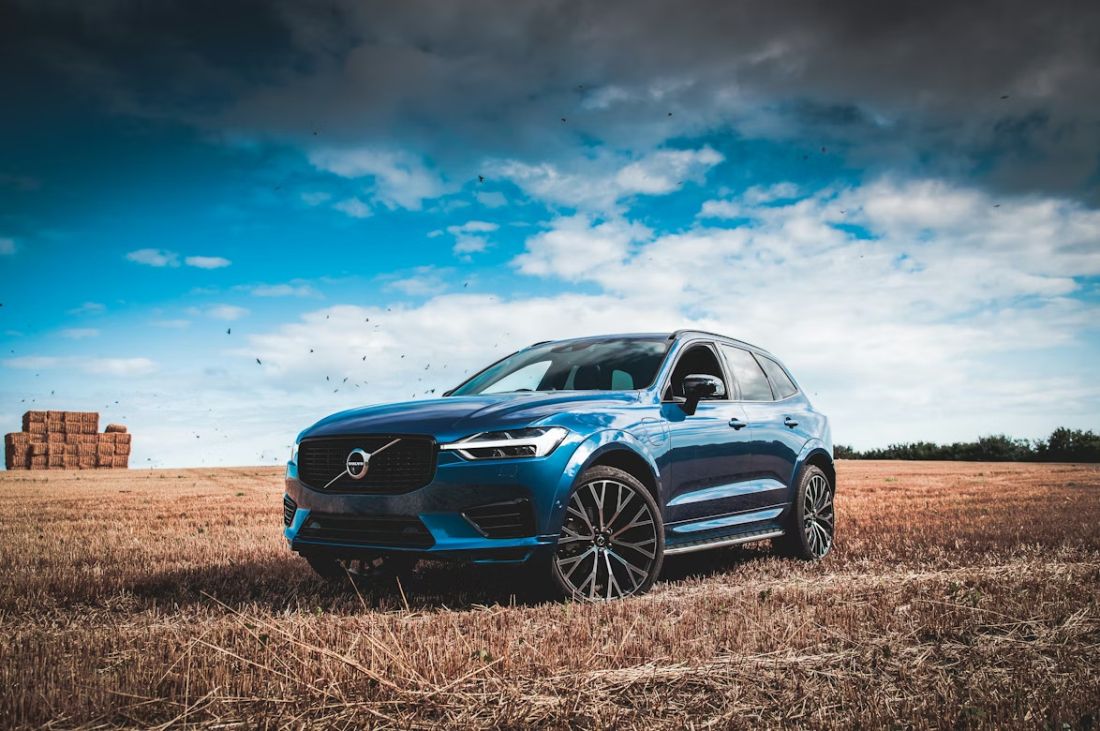
Front crashes are scary, sure, but side crashes are a special kind of nasty because there’s less “car” between you and the outside world. Volvo’s safety heritage page says they introduced a side-impact protection system in 1991. The basic idea was to reinforce the structure of the car so the crash force gets pushed away from the people inside, using a strong frame and materials that soak up energy. Think of it like the difference between getting pushed into a solid brick wall versus getting pushed into a thick mattress. The wall doesn’t give, so you take the full hit. The mattress spreads it out and softens the blow. Volvo kept adding to this, too. A Volvo Cars media release about 80 years of safety lists side-impact protection arriving in 1991 and their whiplash protection arriving in 1998, and it also talks about inflatable curtains that help protect heads in a side collision. The detail in that same release shows how Volvo treated safety like a set of layers. Strong structure first. Then extra padding and airbags in the right places. Then child protection tuned for smaller bodies. People in the United Kingdom like to joke about “Volvo tanks,” but what they really mean is that the car’s shell and cabin are built to keep their shape under stress, so you’ve got a safer space around you. On roads like the A6 through Stockport, where lane changes and roundabouts stack up, a side impact can come from a quick glance away at the wrong moment. So yes, this part of Volvo’s reputation came from real engineering choices, not just branding.
Rear-end bumps and neck pain: Volvo went after the annoying injuries too>
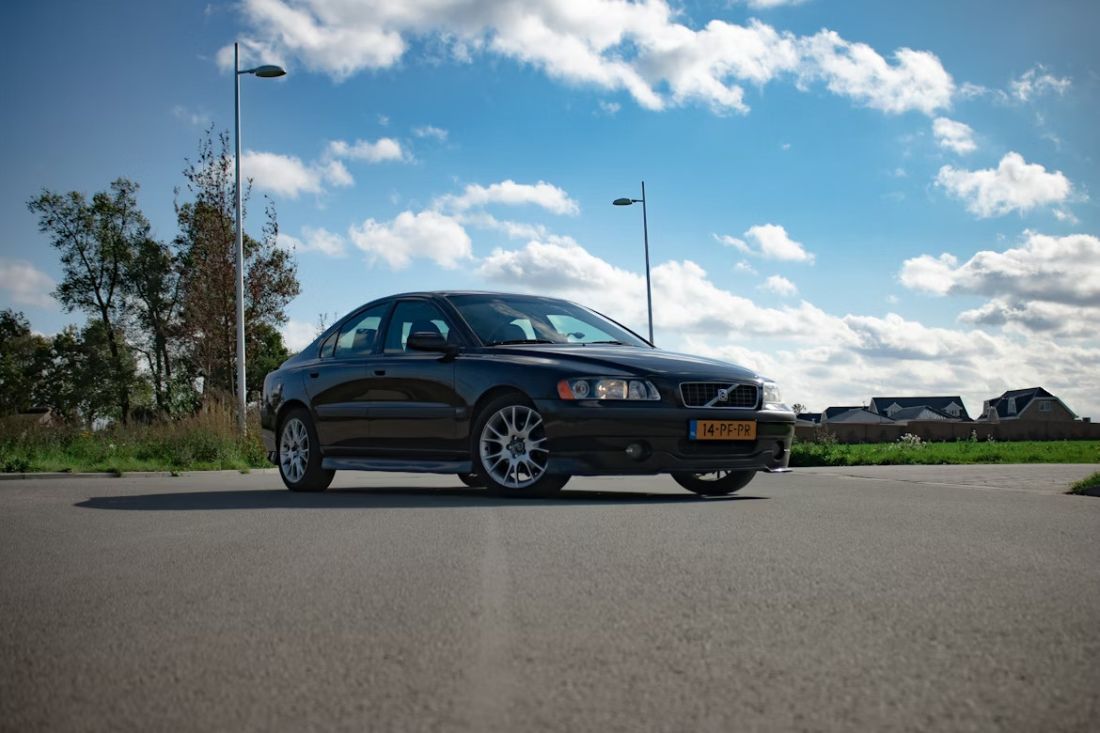
Here’s a weird truth: some of the most common car injuries aren’t the dramatic movie ones. They’re the “my neck has been killing me for months” kind. Volvo built a lot of its safety reputation by caring about that everyday pain. In a 2004 Volvo Cars media release, they say their whiplash protection system was introduced in the Volvo S80 in 1998, and by autumn 1999 it was standard in all Volvo models in both front seats. The same release says research found safe seats can cut reported whiplash injuries in half. It also shares results from surveys and Volvo’s own data collection: Volvo says the Insurance Institute for Highway Safety found Volvo had the top average neck-injury reduction rating, with a 49 per cent drop in neck injuries. Then it gets even more specific, saying their own accident research commission found a 33 per cent drop in initial whiplash-related injuries and a 54 per cent drop in long-term injuries lasting a year or more. That’s not small stuff, especially if you’ve had a minor shunt in stop-start traffic and still paid for it with physio appointments. The way it works, in plain words, is that the seat and head restraint move with you in a rear impact, so your head and torso stay supported together instead of your head snapping back while your body lags behind. And because Manchester rush-hour traffic is basically a test of everyone’s patience, rear-end bumps are part of real life here. Anything that lowers the chance of lasting neck pain is a win, even if it doesn’t sound as exciting as a new engine.
Safety as a promise, not a badge: the zero-death goal and the speed cap
At some point Volvo started talking about safety less like a feature and more like a promise. In a Volvo press release for the United Kingdom from 2012, they say that in 2008 Volvo launched a goal that, by 2020, nobody should be seriously injured or killed in a new Volvo. A 2008 Volvo Cars press release also frames it as aiming for a future where cars shouldn’t crash, and it repeats the shorter-term aim that by 2020 no one should be killed or injured in a Volvo. You can debate how realistic a goal like that is, but the point is the direction it sets. It pushes teams to keep hunting down the causes of serious injuries, and to build systems that help you avoid crashes, not just survive them. Then there’s the speed conversation. In 2019, Volvo Cars announced it would limit the top speed on all cars to 180 kilometres per hour from 2020, as a signal about the dangers of speeding. That’s a bold move because, let’s face it, car companies usually love big top-speed numbers. Volvo went the other way and said, “We’d rather you not have the option.” And on roads in the United Kingdom, where the limit is nowhere near that anyway, it’s mostly a statement. Still, statements matter. They shape the brand’s identity, and they nudge drivers into thinking about risk. If you’ve ever been on the Snake Pass heading into the Peak District and seen how quickly a bend can tighten up, you already know speed is the thing that turns a near-miss into a serious crash.
What this means for you buying a used Volvo around Manchester and Stockport
So, cool history lesson… but what do you actually do with it if you’re looking at used cars near Stockport Viaduct or down by Eccles? If you’re nipping in to see us on Greg Street in Reddish or over at Liverpool Road in Eccles, you’ll hear the same thing from our team: check the safety basics first, then fall in love with the car. Here’s the practical bit we like talking through with people at Dace Motor Company, because Volvo’s safety reputation isn’t magic dust; it’s real hardware, and you can check a lot of it with your own eyes. Start with the basics: seat belts should pull out smoothly and snap back properly. If they feel sluggish or twisted, that’s a red flag, because belts are your first line of defence. Look at the seats and head restraints too. If the head restraint is missing, stuck, or won’t adjust, you’re losing protection in a rear-end hit. Then check the dashboard warning lights on start-up and after the engine is running. You want the car to do its normal light-check, and you want those warning lights to go out. If something stays lit, don’t brush it off. Ask what it means and get it checked. In the North West, weather matters as much as the car. A safe car on bald tyres is still a sketchy situation in heavy rain on the Mancunian Way, because grip is what helps you stop and steer. So check tyre tread, check that the tyres match across an axle, and check brake feel on the test drive. If you’ve got kids in the back, bring their seat and try it in the car. See if it fits well and if the belt sits where it should. And if you’re thinking finance, we do soft-search checks that don’t affect your credit score, which can help you plan without the stress. The bigger point is this: Volvo’s safety history gives you a head start, but you still want a car that’s been looked after properly. Maintenance and safety are linked, and you’ll feel that every time you hit the brakes on a wet roundabout.