


How the Volvo 850 Helped Reinvent Volvo’s Image
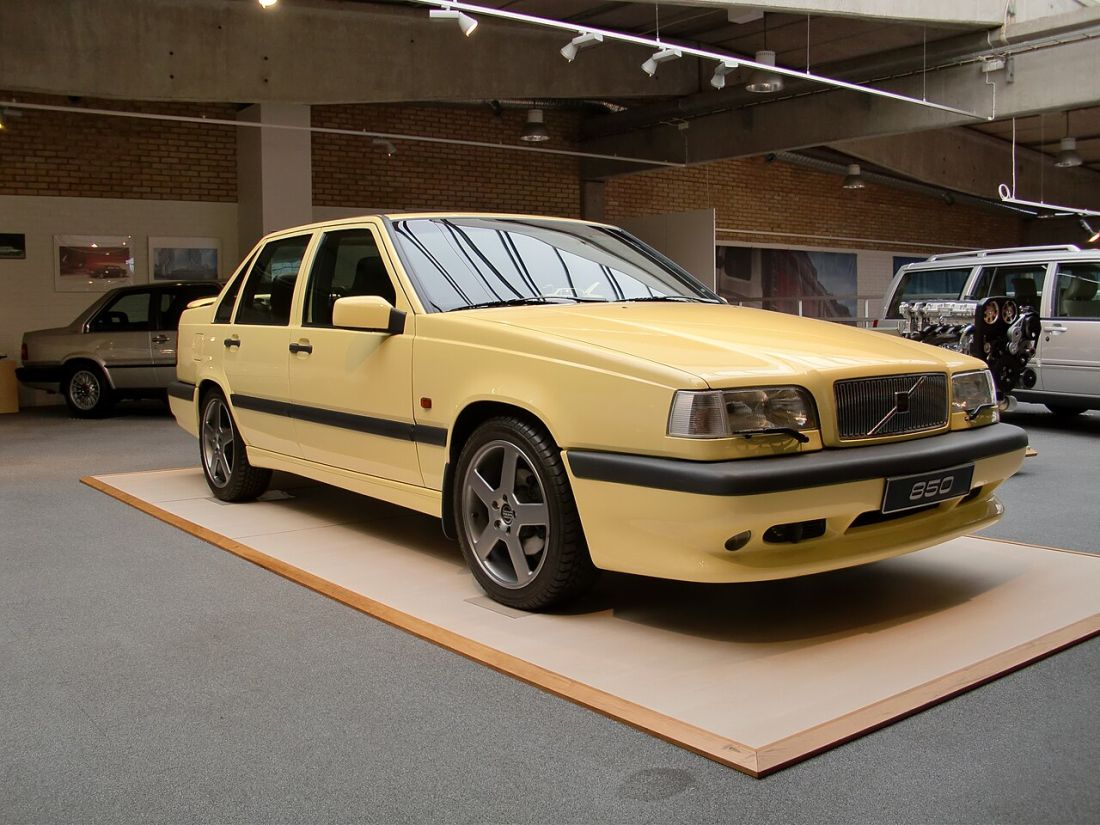
Photo: Volvo 850 T-5R saloon at the Volvo Museum (Europe) by Toerme, CC BY 3.0, via Wikimedia Commons.
Here at Dace Motor Company, we know a Volvo can start a surprisingly lively chat. Say the name to someone in Stockport or Manchester and there’s a fair chance they’ll picture a sensible estate car: square at the back, steady in bad weather, ready for school bags, a Labrador and a flat-pack wardrobe that looked much smaller in the shop. That picture didn’t come from nowhere. For years, Volvo had built a name around cars that felt solid, practical and reassuring. That’s a fine reputation to have, especially on a wet weekday on the A6, with spray coming off every bus and a roundabout arriving quicker than you’d like. But there was a catch. Plenty of drivers also saw Volvo as the careful choice rather than the exciting one. Safe, yes. Sensible, definitely.
The sort of car your parents would approve of. Then the Volvo 850 arrived in 1991, looking familiar enough to make loyal drivers feel at home, yet hiding a very different idea underneath. This was a large Volvo that pulled itself along through its front wheels, used an unusual five-cylinder engine mounted across the car, and brought fresh safety thinking into everyday family motoring. It didn’t try to erase the old Volvo character. It built on it, then gave it a sharper edge. That was the clever bit. You could still load the boot for a trip across the Pennines, still feel that calm, sturdy atmosphere inside, but now the car had a new sort of confidence. It felt less like a sensible box bought only for sensible reasons, and closer to a car you might choose because you really fancied driving it. That change didn’t happen with one loud advert or one flashy trim level. It grew, piece by piece, until the badge meant something broader than it had before.
The Volvo 850 Brought Big Changes Under a Familiar Shape
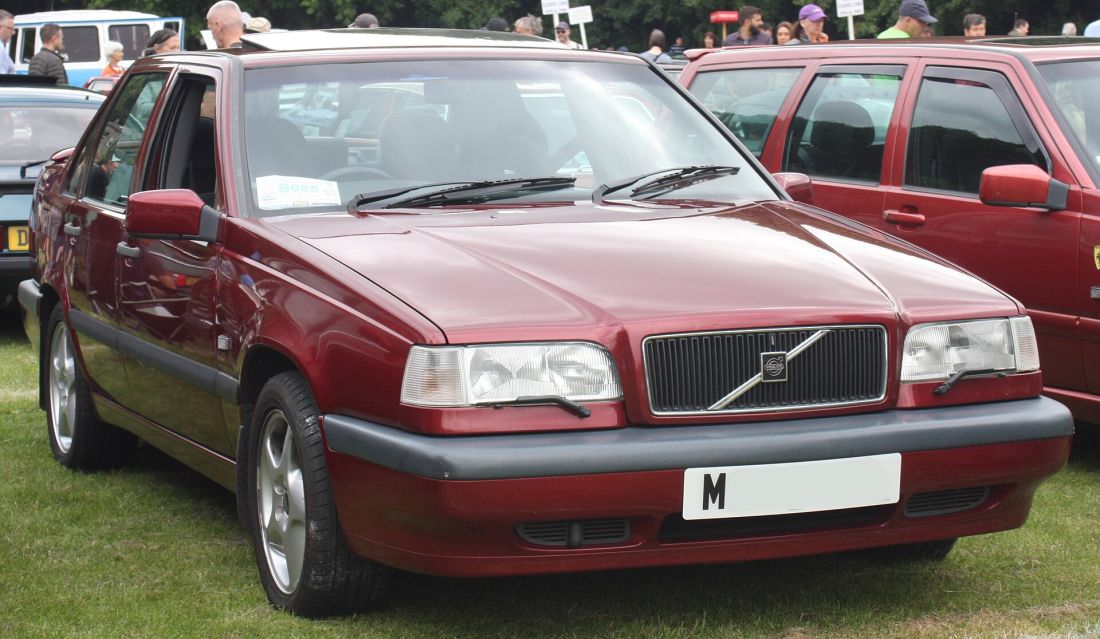
Photo: 1995 Volvo 850 2.5 by DieselFordMondeo, CC BY-SA 4.0, via Wikimedia Commons.
The funny thing about the 850 is that it didn’t shout about how fresh it was. From across a car park, it still looked unmistakably like a Volvo: upright, clean, sensible, with enough straight lines to please anyone who likes a neat garage shelf. Yet the work behind it was huge. Volvo’s plans for a new generation began back in 1978 under a project called Galaxy, and the 850 itself grew out of years of expensive development. World of Volvo says the investment reached 16 billion Swedish kronor, a serious bet on what the company could become. For a 12-year-old trying to picture that, think of rebuilding the entire school, replacing every classroom, inventing new desks and then hoping every pupil likes them on the first day. That’s the sort of pressure the car carried.
The key change was where the engine sat and which wheels did the pulling. Earlier large Volvos had a more traditional set-up, with the engine running lengthways and the rear wheels driving the car. In the 850, the engine sat sideways and the front wheels pulled the car along. This let Volvo fit a roomy cabin into a tidy body while giving the car a different feel on the road. The engine also had five cylinders, which meant it had a smooth, characterful note that didn’t sound quite like the usual family saloon. To a driver, none of that needed a textbook. You noticed it in the space, the easy way the car worked as a daily car, and the sense that a Volvo could be modern without becoming strange. That balance mattered. A radical shape might have scared away drivers who trusted the brand. Instead, Volvo tucked its boldest decisions beneath a familiar coat. Like finding out the quiet kid in class plays drums in a brilliant band at weekends.
Safety Didn’t Have to Feel Boring Anymore
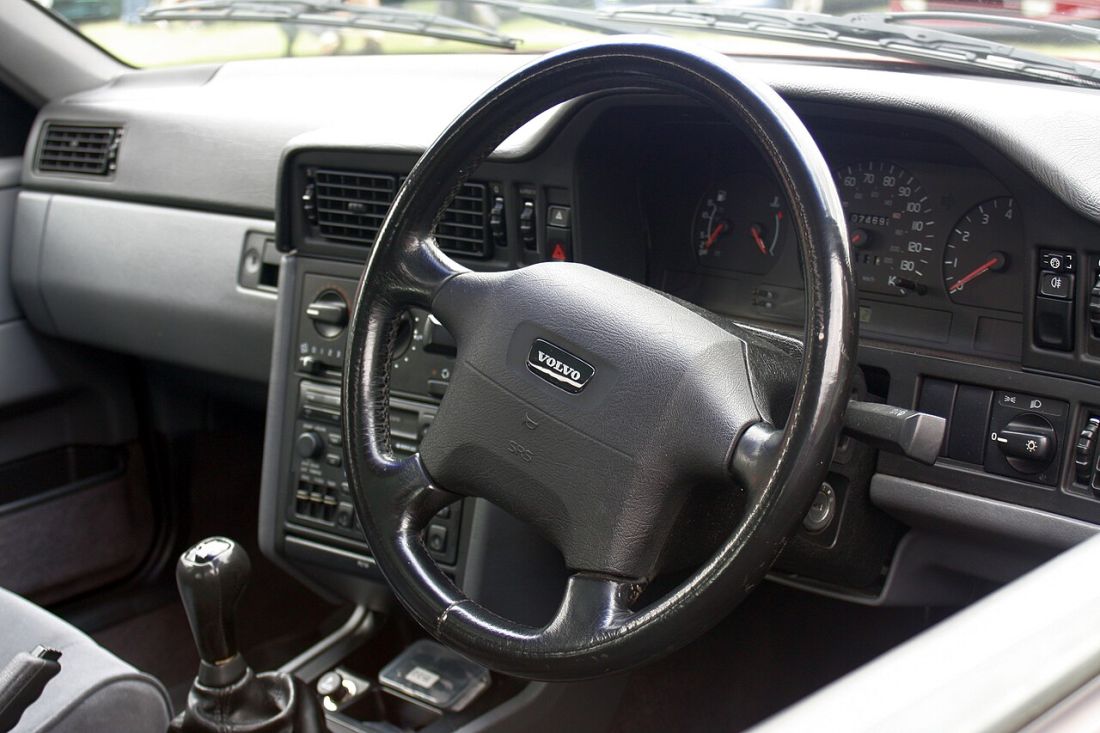
Photo: 1995 Volvo 850 2.5 (Interior) photographed at Hebden Bridge Vintage Weekend 2022 by DieselFordMondeo, CC BY-SA 4.0, via Wikimedia Commons.
Let’s face it, safety isn’t usually the bit children point at in a car brochure. They point at big wheels, bright paint or a roof that comes off. Adults, though, know how quickly an ordinary drive can turn unpleasant: someone pulls out near the Trafford Centre, a van drifts in the rain, or a car beside you changes lane without checking. Volvo already had a strong safety name before the 850, and the new car didn’t throw that away to look sportier. It made safety part of the new personality. The 850 introduced Volvo’s Side Impact Protection System, written out in full because the idea is easier than the name sounds. In a crash from the side, there isn’t much car between you and the thing hitting you. Volvo built the car so parts of the body and seat structure helped spread and absorb the force rather than leaving one door area to take the whole hit.
The 850 also brought self-adjusting front seat-belt reels, and later cars added side-impact airbags in the front seats. Picture a goalkeeper catching a hard shot. It’s safer to move with the ball and spread the impact than to let it smack one stiff hand. That’s a simple way of thinking about what the car’s structure was trying to do. The smart part is that these features didn’t arrive in a car that felt like a padded cupboard. They came in one that was roomy, fresh to drive and, before long, connected with racing and bright yellow fast estates. Volvo was starting to tell drivers they didn’t need to pick between looking after their family and enjoying their car. For buyers in our part of Greater Manchester, where a week can include motorway miles, tight terraces, a school run and a soaked Saturday trip to football, that mix is easy to grasp. A car can feel responsible without feeling dreary. The 850 made that point with real conviction.
The Estate Car That Made Practical Look Cool
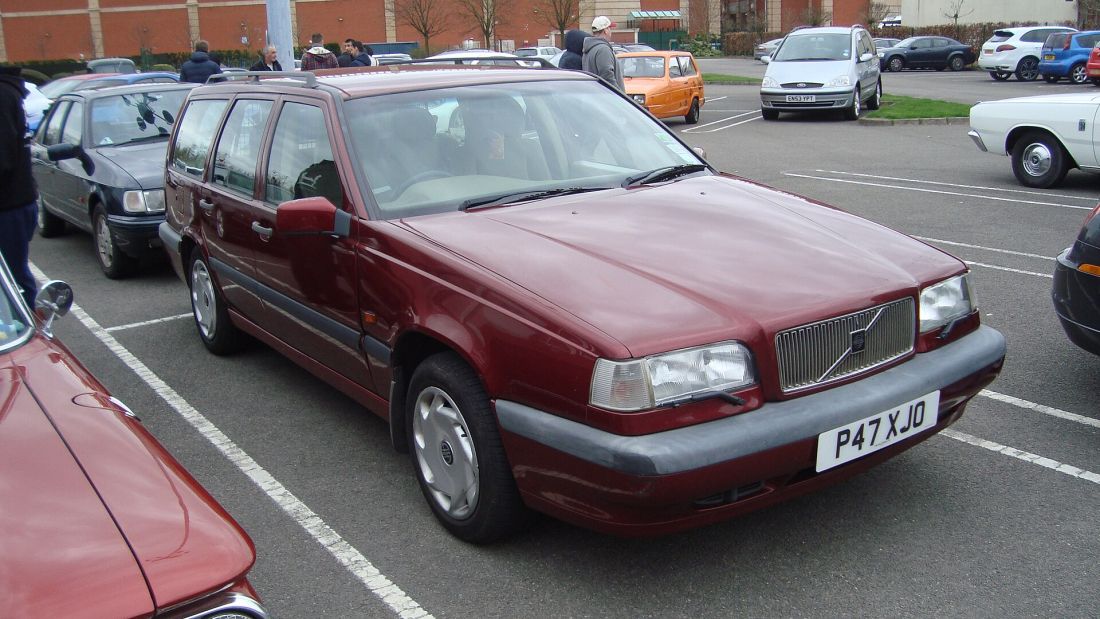
Photo: 1996 Volvo 850 2.5 SE Estate by Kieran White from Manchester, England, CC BY 2.0, via Wikimedia Commons.
Then came the estate, and this is where the 850 story starts to feel properly memorable. An estate car is easy to respect. It takes pushchairs, luggage, bikes, muddy boots and that one oversized purchase nobody measured before leaving home. But respect isn’t the same as excitement. In the early 1990s, an estate was still likely to be seen as the car you ended up with once life got busy, rather than the car you stuck a poster of on your wall. The Volvo 850 estate nudged that idea sideways. It kept the load-carrying usefulness people expected, with folding rear seats and a generous, squared-off rear area, yet its shape looked crisp and confident. Its tall rear lights became one of those details people remember without needing to know why. You can see an 850 estate from behind and spot it in a second, even on a grey car under a grey Manchester sky.
And the car’s character fitted local life rather well. It could handle the shopping run in Reddish, family kit for a weekend away, or a slow crawl past roadworks on the M60, then still look quietly handsome parked outside a café in the Northern Quarter. There’s humour in that, too. A big estate can be brilliant precisely because it doesn’t need to show off. It simply turns up and gets things done, while leaving a little surprise for anyone who assumed it had no fun in it. Volvo Cars has described the 850 as a key moment in the brand’s story, and the estate’s vertical rear lights carried on as a clear family feature in later cars. That matters because a brand image rarely changes by abandoning what people loved. It changes when familiar strengths start feeling desirable in a new way. Space stopped being just a practical need. In the 850, space became part of the style.
When a Family Volvo Turned Up on the Race Track
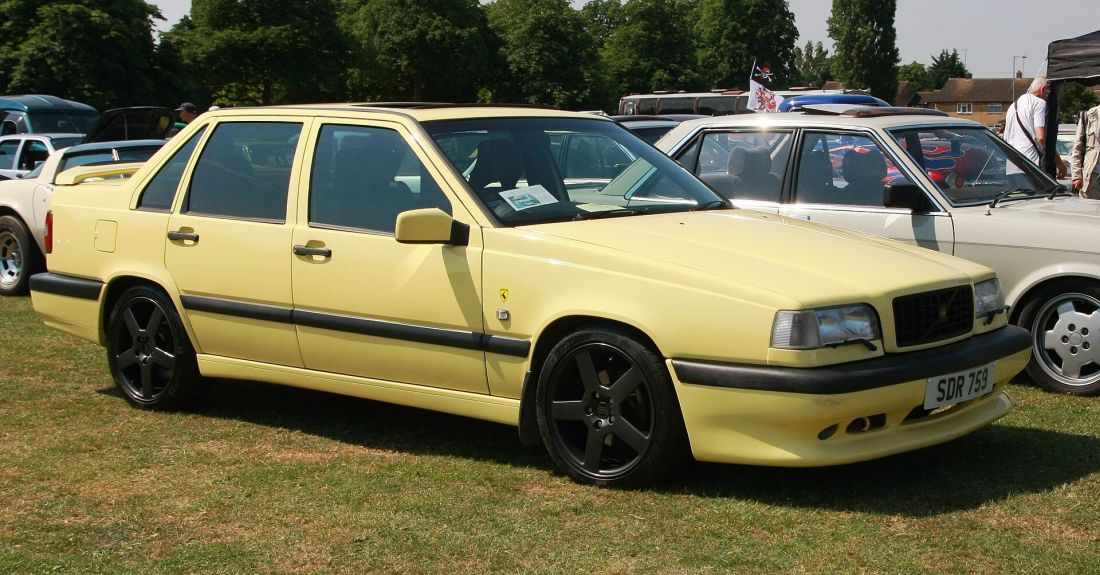
Photo: 1995 Volvo 850 by Charles01, CC BY-SA 4.0, via Wikimedia Commons.
And then Volvo did something that still makes car fans grin. In 1994, it entered two 850 estates in the British Touring Car Championship, a racing series built around cars that looked related to models people could actually recognise from the road. The drivers were Rickard Rydell and Jan Lammers, and the sight of long-roofed Volvos mixed in with lower-looking saloons caught attention straight away. Just imagine watching a school sports day and seeing the teacher arrive for the sprint in hiking boots, then run hard enough to make everyone stop laughing. That was the mood. The racing estate wasn’t there because Volvo expected people to believe their family car had suddenly become a track machine. It was there because the picture was too good to ignore: the practical Volvo, the one linked with luggage and family holidays, now charging around British circuits in full race colours.
It made the company look confident, cheeky and far less predictable. The cars raced for one season before rule changes shifted the advantage and Volvo moved to the 850 saloon for later seasons. But the estate had already done its job in people’s memories. Years later, the championship brought an 850 estate back for an anniversary celebration, proof that people hadn’t forgotten the surprise of seeing it race. That’s quite an afterlife for a car that some people might once have dismissed as the sensible option. It also tells us something about image. A company can spend years telling people it has changed, and the message may drift past unnoticed. Or it can put an estate car on a race grid, let people see it leaning through corners, and suddenly everyone gets the idea. Safe and practical had gained an unexpected new companion: bold. Even now, mention the racing 850 estate to someone who remembers the era, and you’ll usually get a smile before you get a sentence.
The Bright Yellow Volvo That Got Everyone Talking
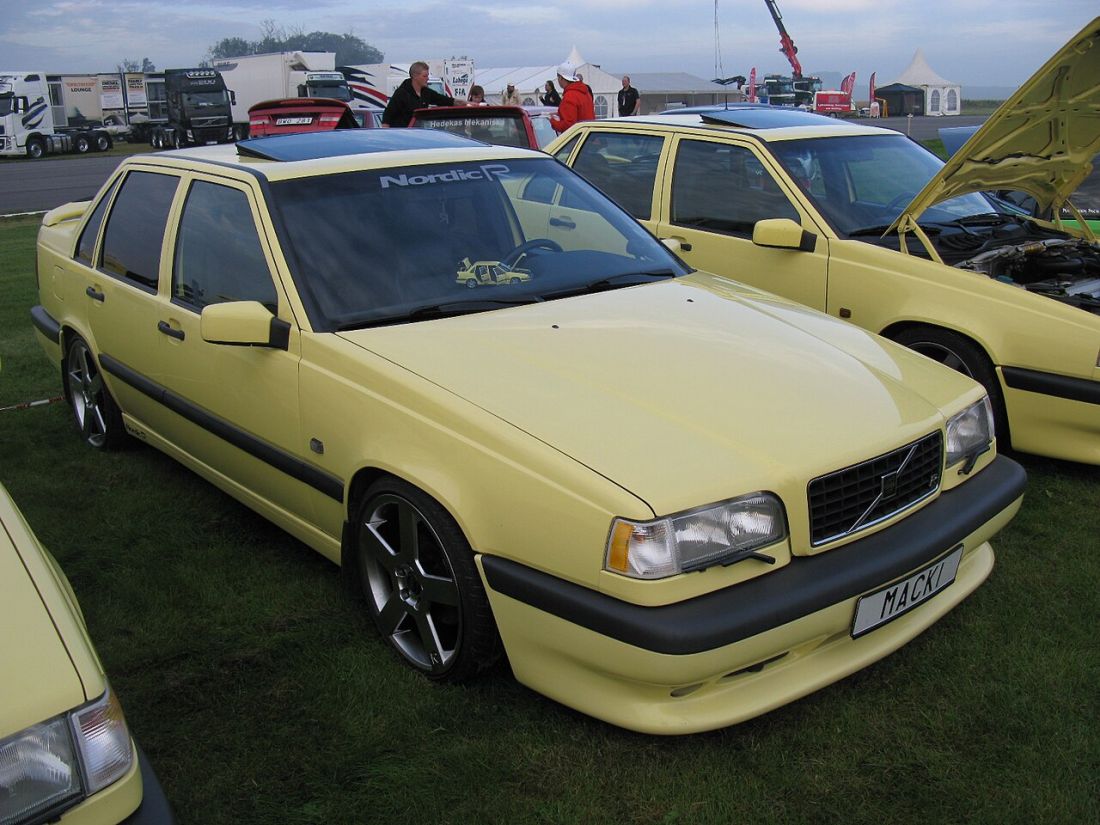
Photo: Volvo 850 T-5R by nakhon100, CC BY 2.0, via Wikimedia Commons.
The racing car caught eyes, but Volvo still needed road cars that drivers could actually take home. That’s where the yellow performance version of the 850 enters the picture. Shown at the Geneva Motor Show in 1994 and associated with the 1995 model year, it was known in Sweden as the T-Gul and sold in many markets with the 850 T-5R badge. The name matters less than the sight of it: a bright yellow Volvo estate or saloon, sitting low and purposeful, looking as though the sensible family car had woken up on a Friday morning and decided to wear trainers. Volvo had first planned a run of 2,500 yellow cars. World of Volvo records that 2,537 were built, followed by black and green versions with the same specification after demand proved strong. That little detail says a lot. People didn’t need persuading that a quicker, bolder Volvo made sense. They wanted one.
And they wanted it in a colour that could never hide at the far end of the car park. The car used a turbocharged engine, which in everyday words means the engine got an extra push from air forced into it, making it feel much keener when the driver pressed the accelerator. You didn’t need to be a racing driver to notice the point. This was still a Volvo with doors, seats and useful space for normal life, yet it could now stir the sort of enthusiasm usually saved for sporty badges from Germany or Italy. It wasn’t pretending to be a tiny two-seater. It was proudly an 850, tall boot and all. That honesty is part of why the car still has such affection around it. We’ve all met somebody who looks calm, sensible and prepared, then turns out to be the funniest person at the table. The yellow 850 had that same twist. The surprise wasn’t a trick. It was the car’s whole charm.
How the 850 Changed Volvo’s Reputation
So, did the Volvo 850 suddenly make everyone forget the sturdy estates and sensible saloons that came before it? Of course not, and that’s exactly why its success as an image-shifter feels believable. Volvo didn’t wake up one day and announce it was a completely different sort of company. The 850 still carried the things drivers already trusted: family-friendly space, thoughtful safety work and a calm, usable shape. What changed was the extra layer people could now see. A Volvo could be clever beneath the skin. It could have a distinctive engine sound. It could be the car on a race track that nobody expected. It could appear in vivid yellow and make a neighbour peer through the curtains. That’s a far stronger change than simply fitting a flashy badge to the boot and hoping nobody asks questions. Think about the cars you remember from childhood.
They’re rarely remembered just through numbers. You remember the smell of the seats after a rainy football match, the boot swallowing holiday bags, the engine note when a parent joined the motorway, or the shape of the rear lights glowing at night. The 850 gave families those everyday memories while giving car fans something to talk about. That combination reached people who might never read a motoring magazine or attend a race. Around Manchester and Stockport, where estates make a lot of sense for busy lives and crowded roads, it’s easy to see why the idea lasted. You could be practical without giving up personality. You could choose the grown-up car and still enjoy glancing back at it after parking. That’s the real reinvention. Volvo remained recognisably Volvo, but the old joke about worthy, square cars no longer told the whole story. The 850 added a wink to a straight face, and once people saw it, they couldn’t quite unsee it.
Why the Volvo 850 Still Matters to Used Car Buyers
A Volvo 850 is now a classic-age car, so buying one is less about picking the fanciest advert and far more about finding an example that has been cared for. That’s true of any older car. A shiny bonnet can catch your eye, but records, condition and the way a car feels on a proper drive tell the real story. Look for evidence of regular servicing. Make sure the warning lights behave as they should when the car starts. Check that the gearbox changes smoothly, the brakes feel steady, the tyres match sensibly and the cabin switches do their jobs. With an estate, check the rear area as well, because cars bought for carrying life around may have had a busy life doing exactly that. None of this is meant to spoil the fun. Quite the opposite. The point of buying an older car with character is to enjoy it, rather than spend your first months sorting avoidable surprises. At Dace Motor Company, we have a soft spot for cars with a proper story, and the Volvo 850 certainly has one. It took the family estate shape people knew, added new safety work, fresh engineering, racing theatre and one unforgettable splash of yellow, then left Volvo with an image that felt warmer, livelier and less easy to box in. You know how it is: some cars simply do their job, and some become part of how an entire badge is remembered. The 850 belongs in that second group. See one on a drizzly morning near Stockport, rear lights standing tall through the mist, and it still looks reassuring. See a yellow one, or remember those estate race cars, and there’s something else there too. A grin. For a sensible Volvo, that’s quite an achievement.