


How the Berlin Wall Influenced Car Development in Europe
If you live around Manchester or Stockport, you know how a single barrier can mess with your whole day. One closed lane on the M60, a set of roadworks by the Stockport Viaduct, and suddenly you’re late, hungry, and thinking “why is it always here?” Now picture a barrier that wasn’t just cones and angry signs, but concrete, barbed wire, guards, and rules that said who could go where. That was the Berlin Wall. It went up overnight on 12-13 August 1961, and it split a city in two. It stayed there until border crossings opened on 9 November 1989. In between those dates, Europe’s car story got pulled in two directions, like someone grabbed the steering wheel and yanked it hard left, then hard right. At Dace Motor Company we sell used cars every day, so we’re surrounded by the “after effects” of history, even if we’re based miles away in Greater Manchester. You can sit in a comfy German saloon, or a small city hatchback from France, and it’s easy to forget that politics once decided who got modern engines and who got a smoky little runabout. But that wall did exactly that. It didn’t just change maps; it changed what factories could build, what parts they could get, what drivers could buy, and what “normal” looked like on the road. And yeah, some of those knock-on changes still show up in the cars you see around Stockport and Manchester today, even if you’ve never been anywhere near Berlin.
Two Germanys, Two Very Different Garage Doors
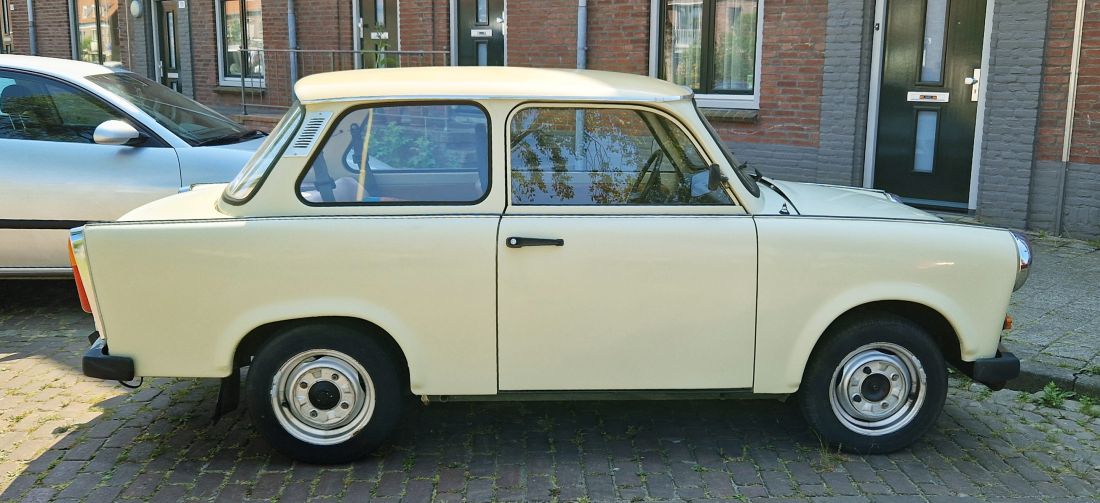
Photo: Cream Trabant 601 S by ReneeWrites, CC BY 4.0, via Wikimedia Commons
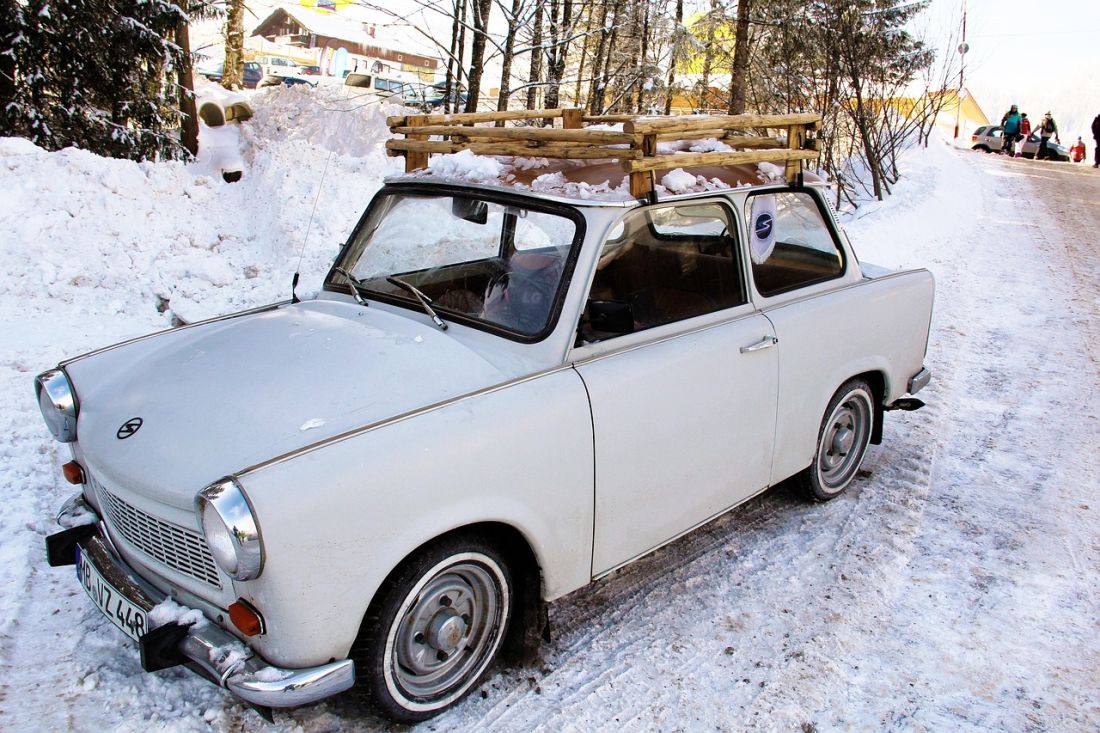
Once the wall was up, Germany wasn’t one car market anymore. West Germany had big brands fighting for buyers: Volkswagen, BMW, Mercedes-Benz, plus plenty of smaller players and imports. People could compare models, moan about prices, and pick something else if a car felt outdated. East Germany was a different setup. The government ran the big factories and decided what got built, how many, and for what price. That meant choice was tight. Two names you’ll hear again and again are Trabant and Wartburg. The Wartburg 353, for example, looked pretty sharp when it arrived in the mid-1960s and even got exported to places like the Netherlands and Great Britain, but plans to keep updating it got blocked by money problems in the East German economy. And the Trabant? People signed up, waited, and waited some more.
Some sources put the waiting list at up to thirteen years, which is the kind of thing that makes you laugh, then realise it’s not a joke. Imagine putting your name down for a car in Year 6 and collecting it after you’ve finished college. The wall mattered because it locked this system in place. It was built with backing from the Soviet Union, and one reason was to stop East Germans leaving through Berlin. Walter Ulbricht was the East German leader at the time, and the barrier cut off the “easy exit.” With fewer people able to move, fewer people able to shop freely, and fewer chances for outside companies to compete, the East’s car scene had a very different pressure on it. West firms had to keep improving or they’d lose sales. East firms had to hit production targets and keep cars repairable, even if the design was getting long in the tooth. Same continent, two totally different vibes.
Why Some East German Cars Stayed the Same for So Long
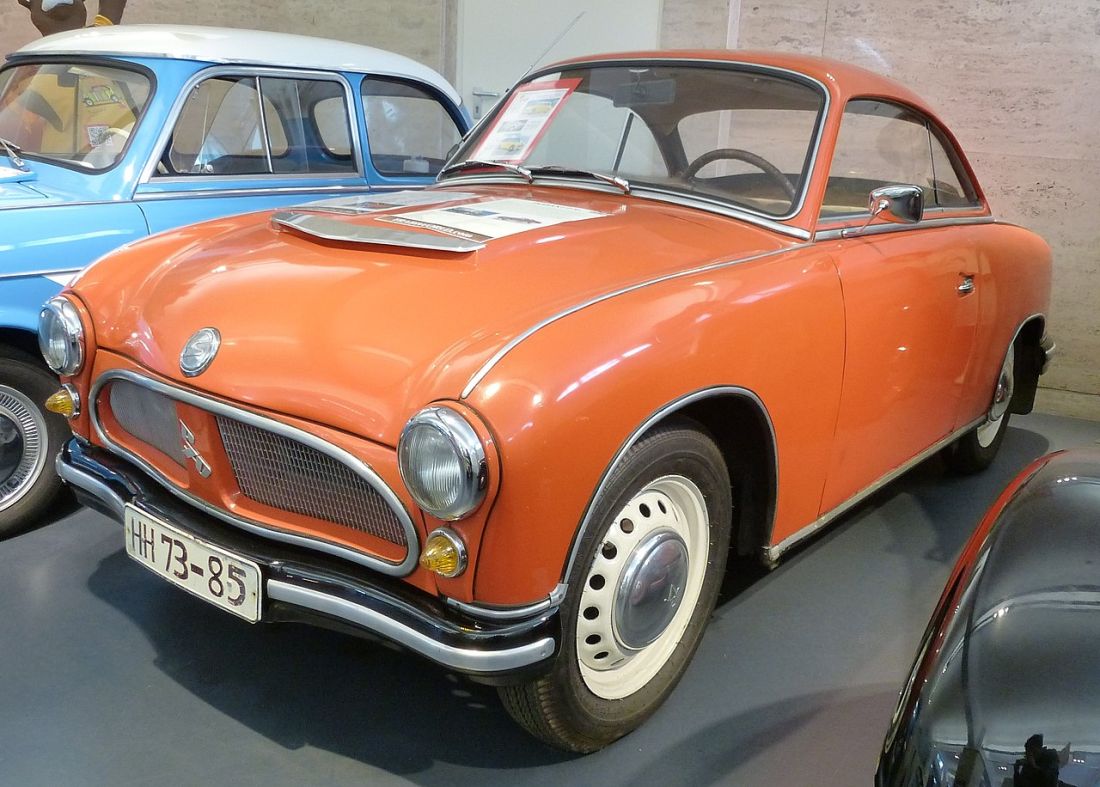
Photo: AWZ P 70 Coupe im Museum Berlin by Buch-t, CC BY-SA 3.0 DE, via Wikimedia Commons
Let’s face it: if you’re short on materials and you can’t just buy what you need from whoever sells it cheapest, you start making weird choices. East Germany had that problem, big time. Metal was hard to get in the amounts needed, so engineers leaned into a material called Duroplast for body panels. It was a mix of fibre and resin, with the fibre coming from cotton waste, which is why you’ll hear people call the Trabant “plastic,” even though it had a steel structure underneath. A big point here is that Duroplast wasn’t picked because it looked cool; it was picked because it solved a shortage. Car and Driver puts it bluntly: metal was hard to get in quantity, so Duroplast was the answer, and a historian (Professor Eli Rubin) points out it also had propaganda value. This wasn’t a one-off experiment either. Before the Trabant showed up in 1957, East Germany built the AWZ P70 from 1955 to 1959, and it used a Duroplast body too.
Then the Trabant ran on and on, with the basic shape hanging around for decades. You can blame a lot of things for that, but the wall is a big part of the background noise. If you’re boxed into one side of Europe, you can’t easily bring in fresh machines, fresh competition, and the steady drip of new ideas that comes with open trade. You also get stuck with the parts you can make locally. That’s one reason two-stroke engines hung around in East German small cars for so long. They were simpler to build and repair, but they also made that famous blue smoke. People in big East German cities didn’t get to choose “cleaner” tech the way drivers in the West started to expect. The wall didn’t invent these problems, but it kept them from being solved in the normal market way.
West Germany’s Race: Better, Safer, Cleaner, Faster
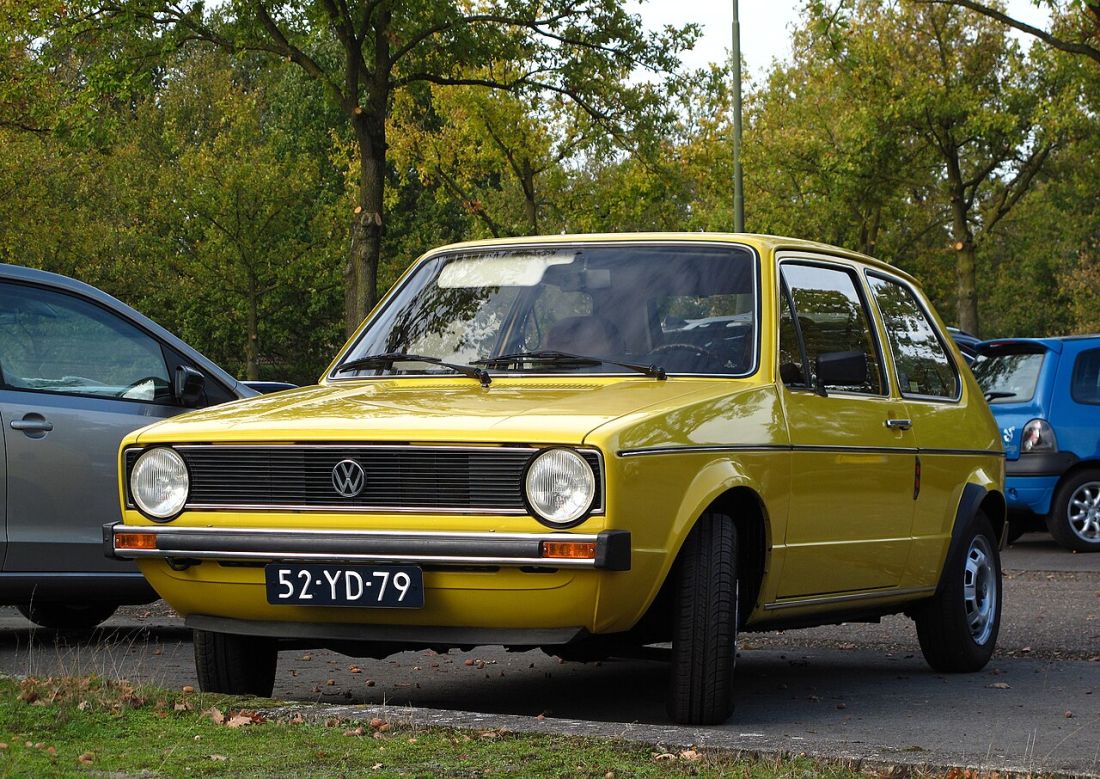
Photo: 1977 Volkswagen Golf 1.5 GLS by Rutger van der Maar, CC BY 2.0, via Wikimedia Commons
Over in the West, car makers were in a constant scrap for attention. New looks mattered. Comfort mattered. Safety mattered. If a brand got lazy, buyers would just wander next door, and that hurts. So you see a steady stream of updates and new models. Take the first Volkswagen Golf. It went on sale in 1974, and Volkswagen credits Italian designer Giorgetto Giugiaro (working with Volkswagen) for its shape. The millionth Golf was celebrated by October 1976, which tells you how hard it landed. BMW launched the first 3 Series in July 1975, and it became the sort of car people bought when they wanted something sporty but still practical.
Mercedes-Benz launched the W123 saloon in January 1976 and it turned into a monster success, with more than 2.3 million units produced across the series. Now zoom out and you’ll see another push that really shows the East-West split: cleaning up exhaust fumes. In the 1980s, West European countries started pushing harder on air pollution from cars. A “catalytic converter” is basically a box in the exhaust that helps clean the nastier stuff out of the fumes, but it needs fuel without lead in it. Germany introduced tax incentives for unleaded petrol in 1984, and by 1985 its availability at all German fuel stations became mandatory, according to a heavily cited research paper on lead emissions and policy. That nudged car makers and drivers into newer tech. East Germany, cut off behind the wall, wasn’t in the same race: different fuel supply, different rules, different customer pressure. When you look back, the wall didn’t just split families; it split what “modern” meant on four wheels, right down to what came out of the tailpipe.
The Wall Blocked Parts, Money, and Plans
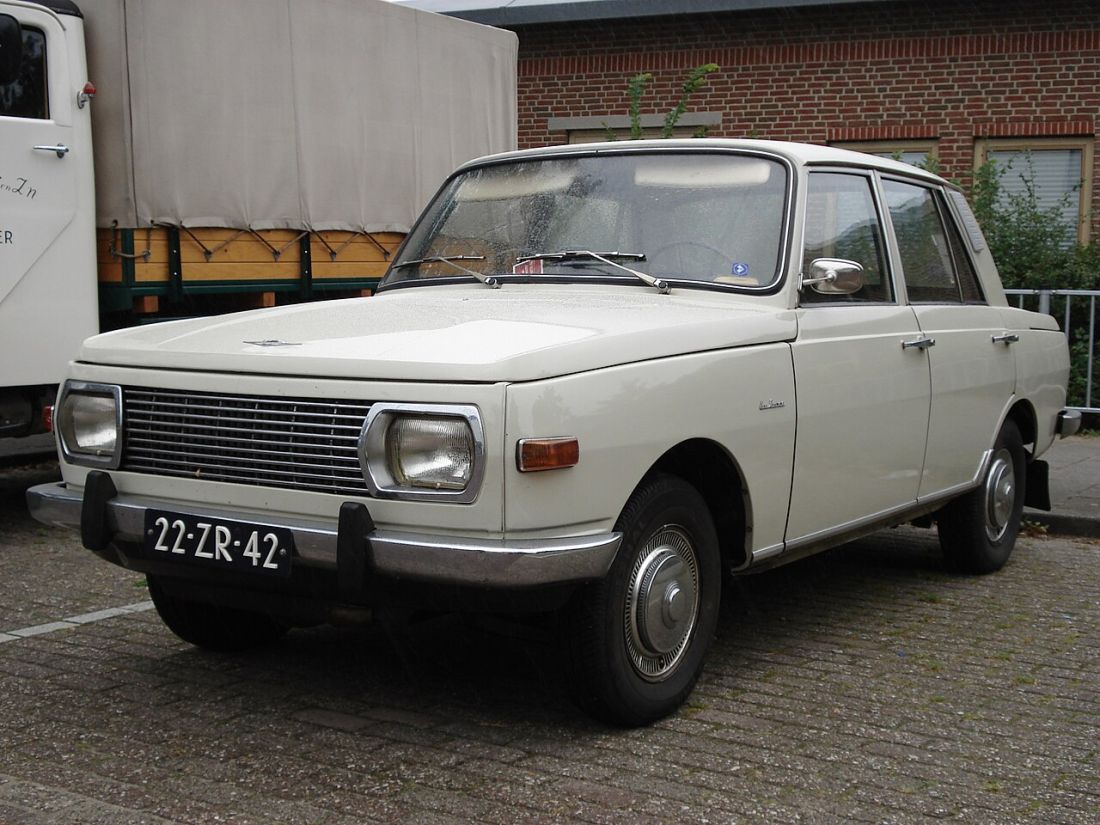
Photo: 1972 Wartburg 353 by Oostblokblik, CC BY-SA 4.0, via Wikimedia Commons
Cars are like big LEGO sets. If you can’t get the right pieces, you start compromising, and those compromises show up in the final build. The Berlin Wall sat inside a bigger East-West split in Europe, with different trade rules, different money, and loads of political tension. East German factories couldn’t just ring up a supplier in Italy or France and say “send us that new engine design.” Buying things from the West needed hard currency, and the East didn’t have endless piles of it. So you got cars that were made to be kept alive with repairs, because replacing them with something new was hard. There were attempts to fix this with joint planning inside the Soviet-led economic group called the Council for Mutual Economic Assistance.
One project, known as RGW-Auto, aimed to replace ageing models like the Trabant 601, Wartburg 353, and older Škoda and Dacia designs with newer cars. Sounds sensible. But big cross-country plans can stall when budgets, politics, and factory pride get in the way, and the East’s wider economic strain didn’t help. Meanwhile, the West kept moving. New crash testing ideas, new production methods, and new designs kept coming, and drivers could vote with their wallets. The wall made the split feel permanent, which changed how everyone planned. West companies planned for growth, exports, and constant upgrades. East companies planned around shortages and “make do” engineering. Here’s the twist: the wall also pushed West German car makers to look beyond Germany even more. If half the country is behind a barrier, you focus harder on selling to the rest of Europe and the world. That helped brands like Volkswagen, BMW, Mercedes-Benz, and Audi build reputations that later shaped the used-car mix we see in places like Reddish, Stockport town centre, and Eccles. It’s not a straight line, but it’s real. A concrete wall in Berlin helped shape what rolled out of factories hundreds of miles away.
9 November 1989: The Night Cars Became Headlines
If you’ve seen footage of the wall opening, you’ve probably spotted the same thing again and again: tiny East German cars creeping forward, packed with people and bags, wobbling over rough bits of road, with grins everywhere. That’s the Trabant in its most famous role. On 9 November 1989, East German official Günter Schabowski made a messy announcement at a press conference about travel rules changing. It wasn’t clear, it wasn’t neat, but crowds heard “you can go,” and they showed up at checkpoints. At the Bornholmer Straße crossing, a border officer named Harald Jäger decided to open the gates rather than let panic build. That choice helped avoid violence, and the flow began. Money played a part too, in a very human way. West Germany had a policy called “welcome money,” and after the wall opened, East Germans queued at banks and town halls to collect it. The standard payment had become 100 Deutsche Marks per person by 1988. You can guess where some of that cash went. People bought bananas, jeans, toys, electronics. And cars, or at least car parts and car dreams. For years, East Germans had lived with limited choice and long waits. Then suddenly they were seeing rows of Western cars with nicer heaters, stronger engines, quieter cabins, and quicker demisting on a cold morning. If you’ve ever sat in traffic on the A6 in the rain, you get why a good heater feels like magic. This moment mattered for car development because it smashed the old “two systems” wall in the car world too. Once people could compare directly, the gap became impossible to hide. Demand shifted fast, and that forced factories, governments, and buyers to rethink what should be built, where, and for whom.
After the Wall: Factories Had to Change or Fade Out
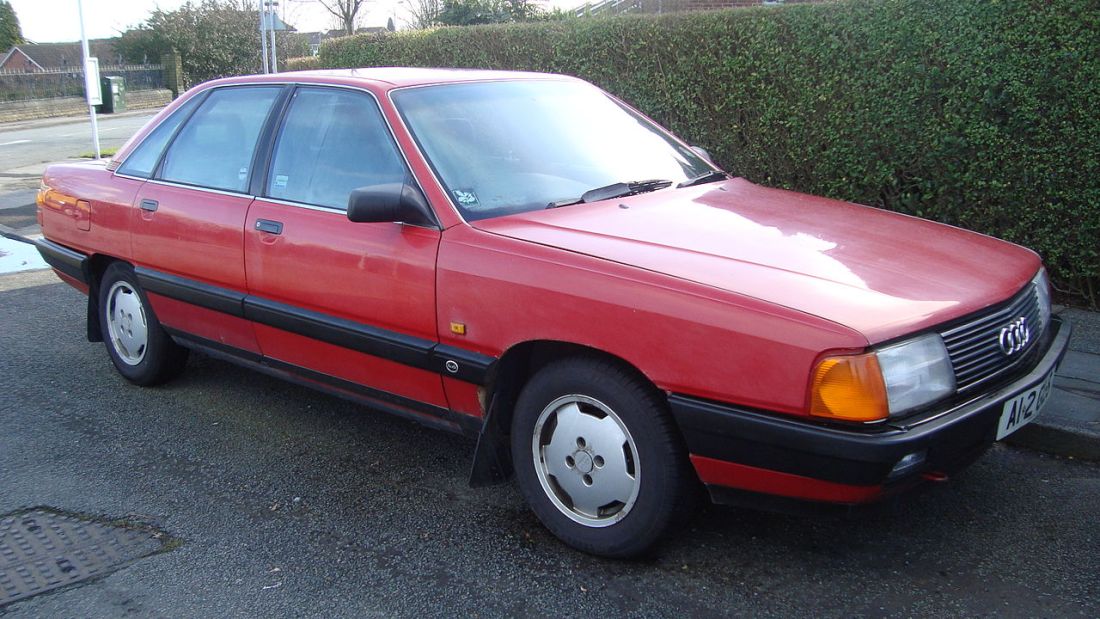
Photo: 1990 Audi 100 SE by Kieran White from Manchester, England, CC BY 2.0, via Wikimedia Commons
A lot of people assume East German car factories just vanished after 1989. Some did shrink hard, but a huge part of the story is transformation, and it’s tied to places with deep car history. Zwickau is a good example. Long before the wall, it was a serious car town: August Horch set up a factory there in the early 1900s, and Audi’s early roots are tied to the same area. After the Second World War and the split of Germany, the old Auto Union business re-formed in Ingolstadt on 3 September 1949, which is part of how modern Audi’s story carried on in the West. Meanwhile, the East side of Zwickau became home to Sachsenring, the maker of the Trabant. Then the wall came down, and everything sped up. Even before reunification, the Trabant 1.1 used a four-stroke engine built under Volkswagen licence, and production carried into the early 1990s. Volkswagen then set up its Zwickau-Mosel plant in 1990 and started building cars like the Polo and the Golf there. Volkswagen’s own plant page says almost 7 million vehicles have rolled off the lines since the plant was founded. That’s a massive swing: the same region that became a symbol of East German shortage turned into a major site for modern mass production and, later on, big investment in newer car tech. This matters beyond Germany, because supply chains and skills don’t stay inside borders. When large manufacturers invest, parts makers follow. Training improves. Standards tighten. And those changes spread across Europe’s car scene. It’s the kind of knock-on effect that later shows up in the second-hand market in the North West of England, even if you’re just hunting for something solid to handle the school run and a trip to the Trafford Centre.
What This Means for Drivers Around Manchester and Stockport Today
So why should you care, sat on your sofa in Heaton Moor or Eccles, scrolling through used cars? Because the “Europe after the wall” is a big reason so many cars now share the same basic expectations: safer cabins, more reliable engines, cleaner exhaust, and parts you can actually find without waiting half your life. Rules also started to line up across countries in the early 1990s. A 1991 law from the European Union (you can read it on the official EUR-Lex site) pushed tougher exhaust limits for passenger cars across member states, and it lines up with the start of the Euro 1 standard in 1992. That kind of shared rulebook makes it easier for manufacturers to build one engine for many countries, which lowers costs and speeds up updates. And if you’re buying used, it means a 2018 Volkswagen, a 2018 Ford, and a 2018 Toyota sold in different European countries still feel like they’re speaking the same language. You can also see the local side of “clean air” changing. Greater Manchester’s latest plan, approved by government, says there’s no charging Clean Air Zone and no charges to drive on local roads, with the focus instead on investing in cleaner buses and other measures to cut pollution on busy roads in 2026. Handy to know if you’re choosing between, say, an older diesel and a newer petrol or hybrid. No one wants a surprise fee down the line, even if, right now, there isn’t one here. If you’re shopping with us at Dace Motor Company, the practical bits are still the same, history lesson or not. Check the service record. Ask what’s been replaced. Look for signs of poor repairs. If the car’s from a brand with plenty of models on UK roads-Volkswagen, Audi, BMW, Mercedes-Benz, Ford, Vauxhall, Toyota-you’ll find parts and specialists without a headache. If it’s something rarer, be ready for longer waits and higher prices. And if you’re sorting finance, we can run a soft check that doesn’t leave a mark on your credit score, which helps you see your options without that “did I just mess it up?” feeling. The wall is long gone, but the big lesson sticks: when people can choose, compare, and move freely, cars improve, and your used-car choices in Stockport and Manchester are living proof.