


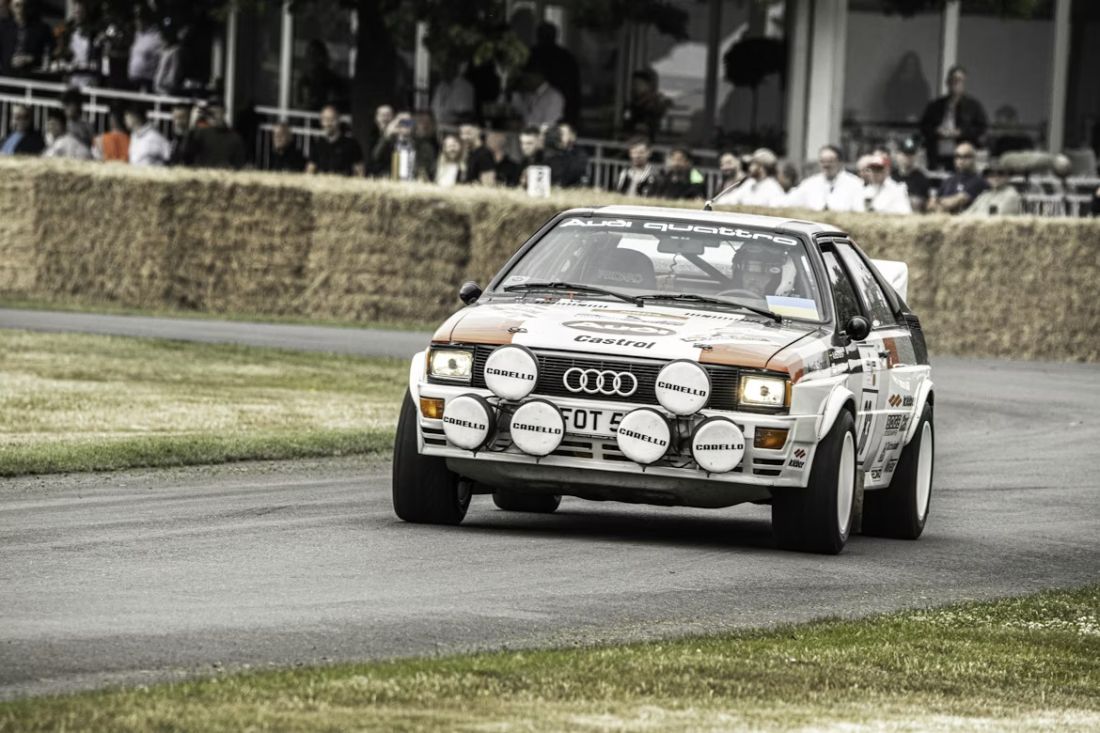
How Audi’s Quattro System Changed the World of Driving
If you grew up around cars, or even if you just like a decent drive out through the Peaks on a quiet Sunday morning, you’ve probably heard the word “Quattro” said with a bit of respect. It didn’t start as a flashy badge or something to show off outside the Trafford Centre. It began in a pretty down-to-earth way, with Audi engineers messing about in cold weather and getting annoyed that cars struggled for grip. Back in the late 1970s, most everyday cars sent their drive to just two wheels. That was fine… until it rained, snow fell, or you tried putting your foot down on a slippery road. In places like Stockport, where one minute it’s dry and the next minute it’s tipping it down, that kind of grip issue feels very real.
Audi noticed something interesting while testing a military vehicle called the Volkswagen Iltis. It could crawl through snow and mud while normal cars just spun their wheels and gave up. One man in particular, Ferdinand Piëch, joined the dots. He thought, “Why can’t a normal road car do this?” At the time, that idea sounded mad. Four-wheel drive systems existed, sure, but they were heavy, noisy, and only really used in big off-road trucks. Nobody thought it made sense for a normal car you’d use to drive to work or nip down to the shops.
Audi didn’t listen to the doubters. They figured out a way to make a lighter system that could send drive to all four wheels without feeling clunky. The name “Quattro” simply means four, nothing fancy. But the idea behind it was brave. When Audi showed the Quattro at the Geneva Motor Show in 1980, people were curious, but also unsure. A sporty car with four-wheel drive? It sounded like too much. But one short drive was usually enough to convince people. The grip was unreal for its time. And just like that, car history took a sharp turn.
Why rallying was the perfect stage for Quattro
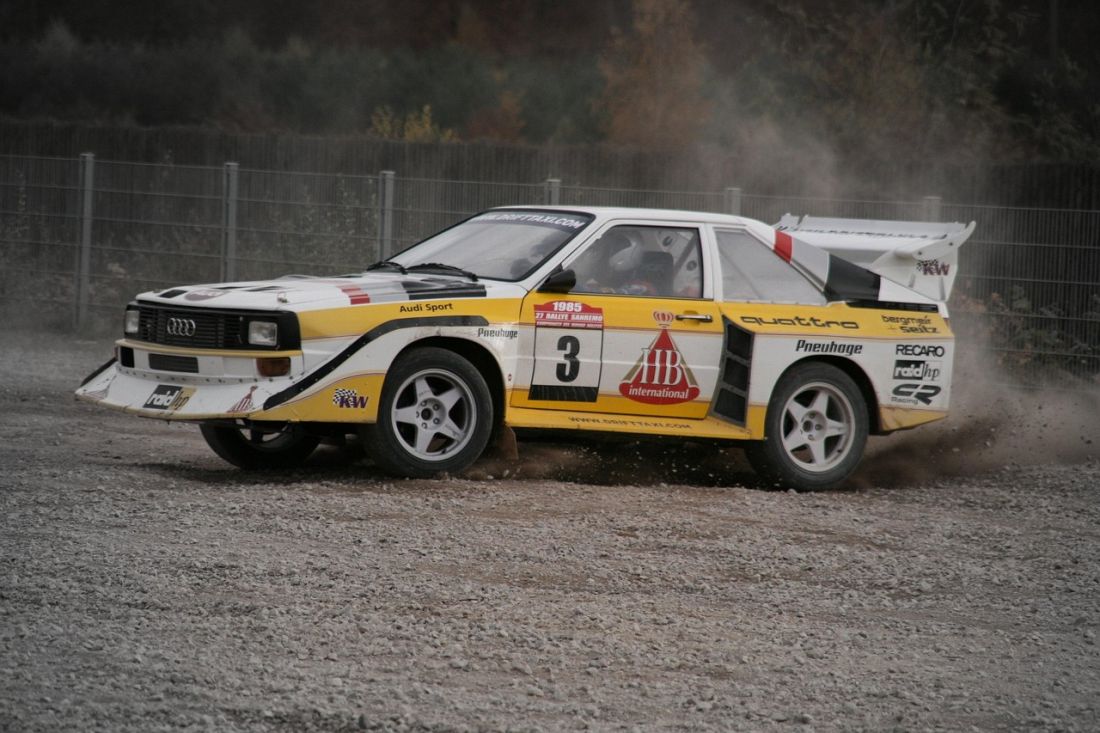
If you want to prove a car works, throwing it into rallying is one way to do it. Rally stages are messy, unpredictable, and brutal. Gravel, snow, tarmac, ice. Sometimes all in the same day. In the early 1980s, rally cars were mostly rear-wheel drive. Skilled drivers could slide them around like heroes, but traction was always a fight. Audi turned up with the Quattro and basically rewrote the script.
The first reactions were mixed. Some drivers laughed. Four-wheel drive was seen as slow and heavy. Then the races started. The Audi Quattro didn’t just win. It dominated. On loose surfaces, it launched out of corners while other cars scrambled for grip. Watching old footage still feels wild today. You can see the Quattro just pulling away, especially uphill, like it’s cheating. Drivers like Michèle Mouton and Hannu Mikkola showed what was possible when grip stopped being the enemy.
This wasn’t happening in some far-off fantasy land either. Think about driving up a damp hill near Marple or dealing with slushy roads after a freak winter snowfall in Manchester. That extra grip suddenly makes sense. Rally fans around the world started paying attention, and so did other manufacturers. Audi won multiple World Rally Championship titles in the early 1980s, and the message was clear. Four-wheel drive worked, and it worked brilliantly.
Rallying also gave Quattro a reputation that money couldn’t buy. It wasn’t marketing fluff. It was proof. The system survived brutal punishment and still delivered control and speed. For drivers watching from the sidelines, it planted a simple idea in their heads. If this system can handle flying through a forest in Finland at crazy speeds, it’ll cope with a wet roundabout on the A6 without breaking a sweat.
How Quattro changed everyday driving, not just racing

Here’s the thing people sometimes miss. Quattro didn’t just make rally cars quicker. It made normal driving easier and calmer. You know that feeling when you pull away from traffic lights and one wheel slips, especially in the rain? Or when you’re heading up a steep road and the car feels unsure? Quattro tackled that frustration head on.
By sending drive to all four wheels, the car shared the work. Instead of two tyres doing everything, all four pitched in. The result was smoother pull-away, better grip in corners, and way more confidence when conditions weren’t great. Around Manchester, where the weather likes to keep you guessing, that counts for a lot. Wet tram tracks, shiny road paint, diesel spills at busy junctions. Grip matters.
Audi refined the system over the years, making it smarter and lighter. Early versions relied on the driver to lock different parts of the system. Later versions took care of things on their own, reacting quicker than any human could. If one wheel started slipping, power shifted elsewhere. You didn’t feel it working. You just felt the car stay planted.
For families, commuters, and anyone doing the school run, this meant less stress. You didn’t need to be a car nut to spot the benefit. The car felt safer and more predictable. Even drivers who’d never push hard on a back road noticed the difference when pulling out onto a busy roundabout or driving home during a downpour.
At Dace Motor Company, we see plenty of older Audi models come through our sites, and it’s not rare to hear customers say they’ve stuck with Quattro cars for years. Once you’ve lived with that extra grip, going back can feel like a step backwards.
How Quattro pushed the whole car industry forward
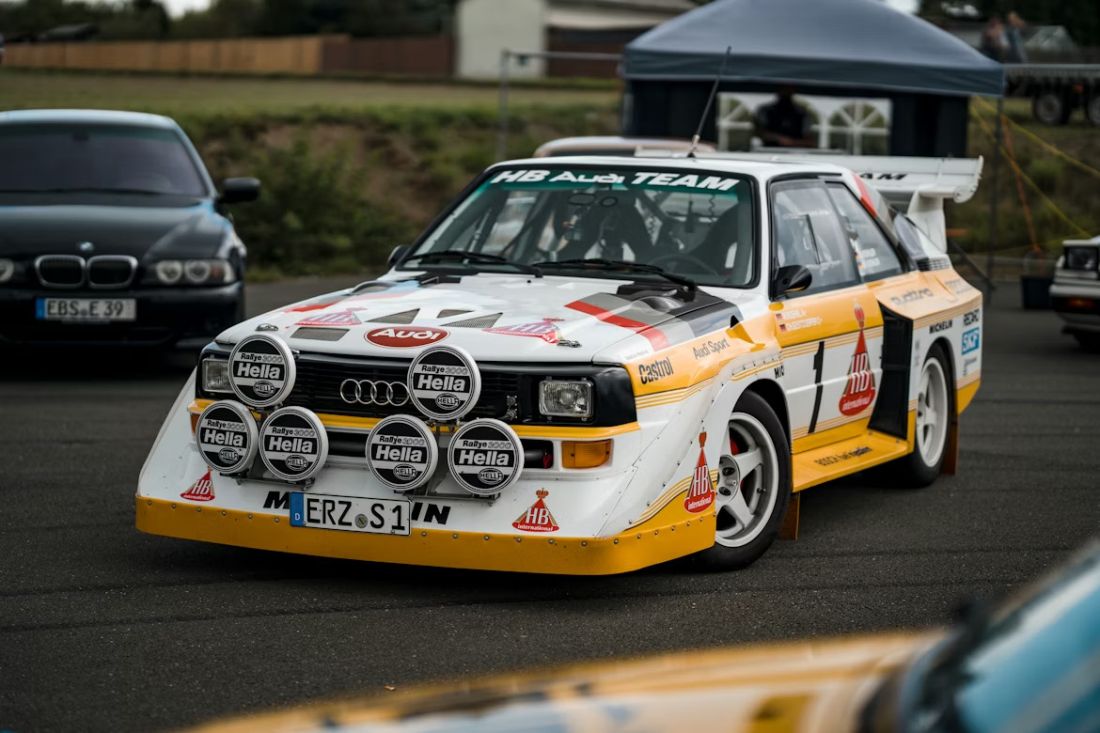
Audi didn’t invent four-wheel drive. But they made it desirable for everyday cars. And once that door opened, there was no closing it. Other manufacturers had to respond. Rally teams scrambled to catch up. Road car builders realised drivers wanted that secure feeling too.
Soon enough, you started seeing four-wheel drive versions of sporty saloons, estates, and even small hatchbacks. The idea that grip equals confidence had settled in. It wasn’t about showing off or driving fast all the time. It was about feeling in control. That’s something commuters on the M60 can appreciate just as much as rally drivers flat out through a forest.
Quattro also shifted how people viewed Audi as a brand. Before this, Audi was respected, but it wasn’t exactly exciting. Quattro gave them an edge. It made them feel bold and clever. The badge itself became a talking point. People would ask what it meant, then nod once you explained it.
Car buyers started shopping with grip in mind. They asked questions they’d never asked before. Does it handle well in bad weather? Will it feel stable? Car magazines focused less on pure speed and more on how cars behaved when things got tricky. All of that traces back to Audi taking a risk and sticking with it.
Walking around our used car showrooms in Stockport or Eccles, you’ll still feel that influence. You’ll see all-wheel drive models from several brands. That’s Quattro’s legacy spreading out, even decades later.
Why Quattro mattered so much in real places, like Manchester roads

Big ideas don’t mean much if they don’t work in the real world. Quattro did. Manchester and Stockport drivers know all about mixed road conditions. One street dry, the next soaked. Sun one minute, drizzle the next. Road surfaces that look fine until they catch the light and turn slick.
Quattro gave drivers confidence without demanding anything extra from them. You didn’t need special skills. You didn’t need to think differently. You just drove. The car quietly handled the hard part. That’s why it stuck. Not because it felt flashy, but because it reduced those little moments of tension you get behind the wheel.
Think about pulling out of a side street near Edgeley during rush hour. Traffic everywhere. The last thing you want is wheelspin or hesitation. Or heading up towards the hills when winter throws in a surprise frost. Quattro helped settle those nerves.
And it wasn’t limited to big, expensive cars either. Over time, Audi brought the system to more affordable models. Used examples now give buyers a chance to enjoy that grip without spending a fortune. That’s something we see regularly at Dace Motor Company, where customers are surprised how accessible a Quattro-equipped Audi can be on the used market.
The drivers who made Quattro legendary
Technology means nothing without people who can make it shine. Quattro’s rise is tied closely to a few unforgettable names. Michèle Mouton, in particular, broke barriers and scared a lot of seasoned drivers by proving she could take the Quattro to its limits. She nearly won the World Rally Championship in 1982, something that still gets talked about today.
Hannu Mikkola also played a massive role. His smooth style worked perfectly with the four-wheel drive setup. Watching him drive, you get the sense that the car’s grip allowed him to focus on lines and timing rather than fighting for control. That’s the magic of Quattro in human form.
These drivers didn’t just win rallies. They changed how people thought about car control. Smooth became quicker than wild. Balance beat brute force. Those ideas trickled down into everyday driving too. Manufacturers started chasing stability rather than just speed figures.
Even now, Audi still leans on that history. And why wouldn’t they? It’s a proper story, built on results rather than hype.
Quattro today and why it still matters
Quattro systems today are smarter than ever, but the core idea hasn’t changed. Share grip. Stay stable. Keep the driver calm. That’s still the goal. Lighter parts, quicker reactions, better fuel use. All improvements, but the same heartbeat.
Modern traffic feels more intense than it used to. More cars. More distractions. More pressure. Anything that helps a car feel predictable is a win. That’s why Quattro remains relevant, even though the original idea is over forty years old.
For used car buyers, that matters too. A car with proven grip and stability holds its value and earns trust. People remember how it feels, not just how it looks. And once a system has earned that trust, it sticks around in conversations for decades.
That’s why we still enjoy talking about Quattro at Dace Motor Company. It’s part history lesson, part real-world benefit. No hype. Just something that worked, and kept working.